
Your Retinol and Botox Skincare Plan: Timing Exfoliation for Smooth Results
If you’re juggling retinol, Botox appointments, and exfoliation, it’s normal to feel unsure about how they all fit together. I guide clients like you through this every week, and the key is smart timing, not giving up your favorite products.
By the end of this guide, you will be empowered to:
- Schedule your retinol and exfoliation around Botox with confidence, minimizing irritation and maximizing your glow.
- Understand why certain timing rules exist, so you can adapt your routine based on your skin’s unique response.
- Build a simple, effective skincare schedule that supports your treatments and keeps your barrier healthy.
You can absolutely craft a routine that lets these powerful elements work in harmony for your best skin.
The Core Question: Can Retinol, Botox, and Exfoliation Work as a Team?
Think of your skin as having different teams working on different floors. Botox works on the muscle layer, relaxing the expressions that cause lines. Retinol works a few floors up in the living skin cells, encouraging them to renew themselves faster. Exfoliation works on the very top floor, clearing away the buildup of dead cells that make skin look dull.
They can be an excellent team, but only if they don’t all try to work in the same room at the same time. The conflict isn’t that they cancel each other out. The problem is that both retinol and exfoliation can make skin temporarily more sensitive. Applying them to skin that is freshly injected or recovering from a procedure is like adding lemon juice to a paper cut.
This is why we separate their work into a “treatment cycle” and a “recovery phase.” In your regular routine, retinol and exfoliation can take turns. After an injectable treatment, your skin enters a mandatory recovery phase where gentleness is the only goal.
What to Mix & What to Avoid: Your Ingredient Interaction Matrix
Let’s make this simple. Here is your go-to guide for what plays nice and what needs space.
- Safe Synergies (During Your Regular Treatment Cycle): Using retinol one night and a chemical exfoliant (like an AHA or BHA) on a different night is a classic, effective strategy. This gives each ingredient time to work without overwhelming your skin barrier. My client Maya, who is acne-prone, uses this alternate-night method beautifully.
- Dangerous Conflicts (Around Botox Time): Using retinol or any exfoliant on the same day as your Botox appointment, or in the days immediately following, is a hard no. This significantly increases your risk of irritation, redness, and can even contribute to more bruising or swelling.
- Neutral Ground (Always Safe): Your most gentle, fragrance-free products are your safe harbor. A gentle cream cleanser, a basic hyaluronic acid serum, a barrier-repair moisturizer, and a mineral sunscreen are welcome at any time, before or after any procedure. These are the products my client Noah, with his reactive skin, relies on.
The Golden Rules of Timing: Before Your Botox Appointment
So, how long before Botox should you stop using retinol? The general rule is to pause all retinol products, including prescription tretinoin, for 3 to 7 days before your appointment.
If your skin tends to be sensitive or reactive, lean toward the full week. If your skin is quite tolerant, 3-4 days may be sufficient. This pause is not about the retinol affecting the Botox; it’s about giving your skin the calmest, least inflamed starting point possible. When skin is calm, it’s less likely to bruise easily and will handle the micro-trauma of injections better.
Yes, you should absolutely avoid retinol before a Botox appointment. Think of it as a courtesy to your skin. You’re removing a potential irritant to make way for a different type of treatment. This same rule applies to tretinoin, which is a more potent form of vitamin A.
Should You Exfoliate or Do Dermaplaning Before Botox?
This follows the same principle. You want your skin’s protective barrier to be intact and robust for your appointment. Any treatment that physically buffs or chemically dissolves that top layer can temporarily compromise it.
Stop all physical exfoliation (scrubs, brushes, dermaplaning) and strong chemical exfoliants (like high-percentage glycolic or salicylic acid peels) at least 5 to 7 days before your Botox. This gives your skin ample time to fully recover its defensive layer.
This also answers a common follow-up question: can you use retinol after dermaplaning? The answer is a careful yes, but only after your skin has fully healed from the dermaplaning itself-typically waiting at least 3 nights. Since dermaplaning removes the very top layer of dead skin, applying retinol immediately after can lead to stinging and over-exfoliation. The same waiting period applies to using tretinoin after dermaplaning. Always listen to your skin’s comfort level first.
The Crucial Recovery Phase: Your Skincare Right After Botox

Think of the first 3 to 5 days after your Botox appointment as a dedicated recovery phase. Your skin has just been through a controlled, minor trauma from the injections, and it needs a gentle, quiet environment to settle. The goal here isn’t to treat or improve your skin, but to let it heal without interference.
During this time, your routine should be simple and soothing. Stick to a gentle cleanser, a basic moisturizer, and your daily sunscreen. The active ingredients can wait.
The absolute rules for this phase are all about avoiding anything that increases blood flow or pressure to the treated areas.
- Do not rub, massage, or apply firm pressure to your face. This includes aggressive towel-drying and facial massagers.
- Avoid strenuous exercise, heavy lifting, or anything that significantly raises your heart rate and blood pressure.
- Stay away from heat sources like saunas, steam rooms, hot tubs, and even very hot showers or yoga classes.
- Skip facial treatments, masks (especially clay or stimulating types), and of course, your retinoids and exfoliants.
How Long After Botox Can I Use Retinol or Tretinoin?
I advise my clients to wait a minimum of 3 to 5 full days before reintroducing their retinol or tretinoin. If your skin tends to be reactive like Noah’s, I’d push that to a full week for safety, especially when considering the risks of combining retinol and tretinoin.
Applying retinol too soon can increase localized swelling and redness, making your recovery more uncomfortable than it needs to be. There’s also a small theoretical risk that the increased blood flow and potential irritation could affect how the neuromodulator settles, though this is rare. It’s simply not worth the gamble, especially if you’re unsure about when to start using retinol.
When you do restart, do a patch test. Apply a pea-sized amount of your retinol to just one treated area (like the corner of one eyebrow). Wait 24 hours. If you see no unusual swelling, redness, or discomfort, you can resume your normal application the next night.
How Long After Botox Can I Exfoliate?
Exfoliation requires a little more patience than retinol. You need to wait until those tiny injection channels have sealed up completely to avoid dragging bacteria in or causing irritation. Similarly, chemical exfoliants have expiration dates that affect potency. Using expired products can be less effective or even irritate the skin.
For gentle chemical exfoliants like a low concentration lactic acid or mandelic acid toner, wait at least 5 to 7 days. These work by dissolving bonds between skin cells without physical scrubbing, which is safer post-procedure.
For physical exfoliants like scrubs, brushes, or treatments like dermaplaning, hold off for a full 7 to 10 days. These methods involve direct friction and can easily disrupt the healing sites. Rushing this is a fast track to redness and sensitivity.
Crafting Your Long-Term Synergistic Routine
Once you’re past the recovery week, you can thoughtfully weave your actives back in. The key is to view Botox, retinol, and exfoliation as a team with different roles, not as competitors. Botox works on muscles, retinol works on cellular turnover and collagen, and exfoliation works on surface clarity. They can complement each other beautifully when spaced out.
Here’s a sample weekly schedule that many of my clients, like Lina, find sustainable:
- Monday (Exfoliation Night): Use your chosen chemical exfoliant. Follow with a rich moisturizer.
- Tuesday (Recovery Night): Hydrate and soothe. No actives.
- Wednesday & Friday (Retinol Nights): Apply your retinol or tretinoin on dry skin, followed by moisturizer.
- Thursday & Saturday (Simple Hydration): Focus on barrier support with ceramides, peptides, and humectants.
- Sunday (Pause or Mask): Listen to your skin. If it feels calm, it’s a good night for a hydrating mask. If it feels at all tight or sensitive, stick to your basic routine.
Then, when you have your Botox appointment, you’d designate that week as a “Botox Recovery Week.” Pause the entire schedule above and return to the gentle, active-free routine from the first section. Your skin will tell you what it needs-if you see persistent redness or feel stinging, take an extra night off from your actives.
Can You Exfoliate and Use Retinol on the Same Night?
This is a question I get all the time, Botox or not. My general advice is to avoid using them together. Combining two potent agents that increase skin cell turnover is a classic recipe for a compromised skin barrier, leading to dryness, peeling, and irritation.
For most people, especially those with any sensitivity, using retinol and exfoliants on separate nights is the safest and most effective strategy.
For the rare client with exceptionally resilient, non-reactive skin who is determined to try, I might suggest an “active sandwich” method with extreme caution. The steps would be: apply a layer of moisturizer, apply your exfoliant, apply another layer of moisturizer, wait 30 minutes for the skin’s pH to rebalance, then apply your retinol. This creates buffer layers, but it’s still a high-risk maneuver I rarely recommend.
Contraindications & Safety Warnings: When to Press Pause
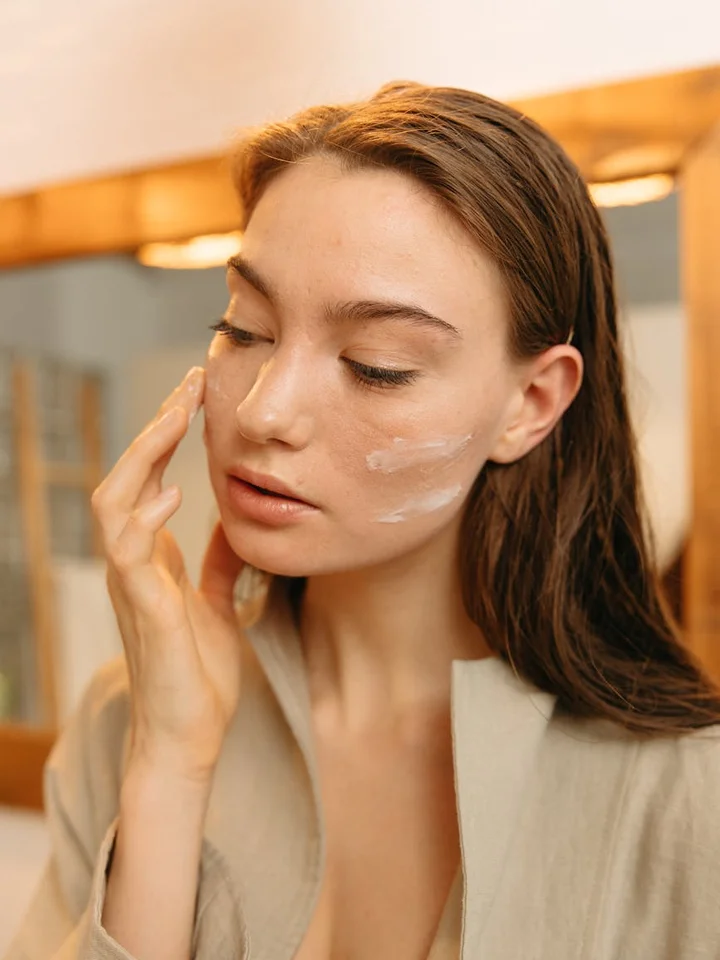
Mixing actives like retinol and exfoliants (such as mandelic acid) with cosmetic procedures requires a strategic pause in some cases. Your skin’s immediate health must come first.
You should avoid combining these treatments entirely if your skin is in an active state of distress. This isn’t about being cautious, it’s about preventing real damage and significant setbacks in your skin’s health.
- Actively Broken Skin or Wounds: This includes fresh acne cysts you’ve picked at, scrapes, cuts, or even recently waxed areas. Applying retinol or an acid to compromised skin is like pouring lemon juice on a paper cut. It will sting intensely, delay healing, and likely cause post-inflammatory hyperpigmentation (those dark marks that linger long after the pimple is gone).
- Diagnosed Perioral Dermatitis or Rosacea Flares: These conditions involve compromised, inflamed skin barriers and heightened immune responses in the skin. Retinoids and exfoliants can act as triggers, worsening redness, bumps, and stinging. During a flare, your routine should focus solely on calming and barrier repair ingredients.
- A Visibly Compromised Skin Barrier: How do you know? Your skin stings or burns when you apply even gentle, familiar products like your basic moisturizer or hydrating serum. It may feel tight, look flaky or scaly, or have a shiny, almost translucent appearance. This is your skin screaming for a break, not more stimulation.
If you have specific health conditions, are pregnant or breastfeeding, or use medications that make your skin sensitive to light, a conversation with your clinician is non-negotiable. They understand your full history.
A Note for Sensitive Skin Types (Thinking of You, Noah)
If you have reactive, dry, or sensitive skin like my client Noah, your approach needs extra patience. Your goal isn’t to keep up with someone else’s regimen, it’s to strengthen your skin’s resilience without tipping it into reactivity.
Extend all wait times generously. Where someone with robust skin might reintroduce a gentle retinol after 3-4 days post-Botox, I advise you to wait a full 7 days. Use that week to pamper your barrier with ceramides, glycerin, and soothing peptides.
Consider starting with the gentlest cousins of powerhouse actives. Bakuchiol is a plant-based alternative that can offer some retinol-like benefits without the same intensity of irritation. Polyhydroxy Acids (PHAs) are exfoliants with larger molecules that work more on the surface, providing gradual smoothing with less penetration and sting than AHAs like glycolic acid.
For you, one strong night a week is far better than seven mildly irritating ones. A calm, intact barrier that feels comfortable is your most valuable asset, more than any single anti-aging ingredient. If your skin feels happy and balanced, you’re winning.
Your Quick-Reference Guide to Retinol, Botox & Exfoliation
Does retinol make Botox wear off faster?
No, retinol does not affect the longevity or mechanism of your Botox treatment. The timing rules are solely to prevent unnecessary irritation, swelling, or bruising in the delicate recovery period after your injections.
What’s the biggest risk if I use retinol too soon after Botox?
The primary risk is significantly increased inflammation, leading to more pronounced swelling, redness, and discomfort at the injection sites. This can complicate your recovery and, in rare cases, potentially affect how the neuromodulator settles.
I have sensitive skin. How should I adjust this routine?
Extend all wait times by a few days, opting for a full week off actives both before and after your appointment. Prioritize barrier-supporting ingredients like ceramides and consider gentler alternatives, such as bakuchiol or PHAs, in your long-term routine.
Your Skin Care Harmony Plan
The most reliable path to great results is a simple one: space out your treatments and listen to your skin. I always remind my clients, including cautious Noah, that a thoughtful, gradual approach builds healthier skin than an aggressive one.
- Always consult your injector for a personalized plan before and after any treatment.
- Pause retinol and exfoliants for at least 5-7 days pre-Botox and resume only with your provider’s green light.
- Choose gentle, hydrating formulas in the days surrounding your appointment to support your skin barrier.
- Protect your investment and your skin by wearing a broad-spectrum sunscreen every single morning.
I’m here to help you navigate these choices. For more guidance tailored to your routine, follow the LuciDerma blog. If you have a specific question about your products and treatments, send it my way-I read every one.
Related Guides and Information
- Retinol After Botox: Timing Is Everything | Livio Med Spa
- Retinol After Botox: Timing is Everything – Livio Med Spa Cincinnati
- Can You Use Retinol After Botox? Unveiling the Skincare Synergy – KORA Aesthetics
- Can You Use Retinol After Botox? Timing, Tips & Tricks
Lucy Zimmerman
Lucy is an expert author and blogger when it comes to skin care and body care. She has first hand expertise acting as skin care consultant for over 5+ years helping her clients achieve smooth blemish free skin with natural and working remedies. She also has been an avid experimenter and tried out all the natural and artificial remedies and treatments so you can learn from her first hand experience. Additionally, she has traveled to many countries around the world and incorporated the skin care routines she has learnt into this blog. So, wait no more, reach out to Lucy if you have any specific needs and follow her blog, LuciDerma for expert skin care advice.