
Glycolic Acid Daily Use: Your Safety, Effectiveness, and Pairing Guide
If you’re eyeing that bottle of glycolic acid and wondering if it’s okay to use every day, you’re not alone. I see clients like Lina, who has combination skin, wrestle with this exact question in my practice.
By the end of this article, you’ll know exactly how to approach glycolic acid. Here’s what we’ll cover:
- How glycolic acid works to exfoliate: I’ll explain the simple science behind how it clears away dullness, so you can understand why it’s so effective.
- Clear safety rules for daily application: We’ll look at concentration, your skin type, and signs to stop, empowering you to use it without fear of irritation.
- The best products to pair it with: I’ll give you specific recommendations for what to use before and after, helping you build a routine that protects and enhances your results.
Let’s get you the straightforward answers you need for happier, healthier skin.
Your Quick Glycolic Acid Spec Sheet
Think of this like a cheat sheet for your skin’s chemistry homework. Getting these basics right is the difference between glowing results and a red, unhappy face.
| Key Fact | The Ideal Range | What It Means for Your Skin |
| pH Level | 3.5 – 4.2 | This is the acid’s “sweet spot.” A pH in this range means it’s active enough to exfoliate effectively but not so strong it’s likely to irritate. Outside this range, it might be too harsh or not work at all. |
| Concentration | 5% – 10% (for home use) | This is the goldilocks zone for daily or every-other-day products. Lower concentrations (1-4%) are great for beginners or very sensitive skin. Anything over 10% should be left to a professional treatment. |
| Solubility | Water-Soluble | Because it mixes easily with water, it can be formulated into lightweight toners, serums, and cleansers that absorb quickly without a sticky residue. |
| Safety Profile | Generally Safe, Non-Toxic | This is where many get nervous. Pure glycolic acid is a potent chemical, but the cosmetic-grade version in your bottle is carefully diluted and buffered. When formulated correctly in a stable product, it is not toxic to your skin; it’s a tool. The key is using it as directed. |
Glycolic Acid Explained: Your Skin’s Gentle Eraser
Glycolic acid is the smallest member of the Alpha Hydroxy Acid (AHA) family, which simply means its tiny molecules can get to work quickly. It’s typically derived from sugar cane. Its main job is to gently dissolve the “glue” (called desmosomes) that holds dead skin cells together on the surface.
Imagine your skin’s surface is like a wall of old bricks held together by mortar. Glycolic acid softly dissolves that mortar, allowing the old bricks to slough away and reveal the smoother, newer bricks underneath. This one action leads to all its celebrated benefits.
So, what does glycolic acid do? Its core jobs are exfoliation, brightening a dull complexion, smoothing rough or bumpy texture, and even aiding hydration. By clearing the dead cell barrier, your hydrating serums and creams can penetrate more effectively. A client of mine, Lina, who has combination skin, started using a gentle 5% glycolic acid toner twice a week. She told me, “My foundation just sits differently now-like it’s on silk instead of paper. I don’t even need a primer on my cheeks anymore.” Of course, I recommended starting with something gentle and then moving on to glycolic acid peels for daily professional use.
How does it stack up against other exfoliants? Unlike a physical scrub that can cause micro-tears with harsh granules, glycolic acid offers a uniform, chemical exfoliation that’s much gentler and more even. Compared to its cousin, lactic acid, glycolic acid penetrates a bit deeper due to its smaller size, making it slightly more potent for texture concerns, while lactic acid is often better for very dry or sensitive skin because it has added hydrating properties.
Is Daily Use a Good Idea or a Fast Track to Irritation?
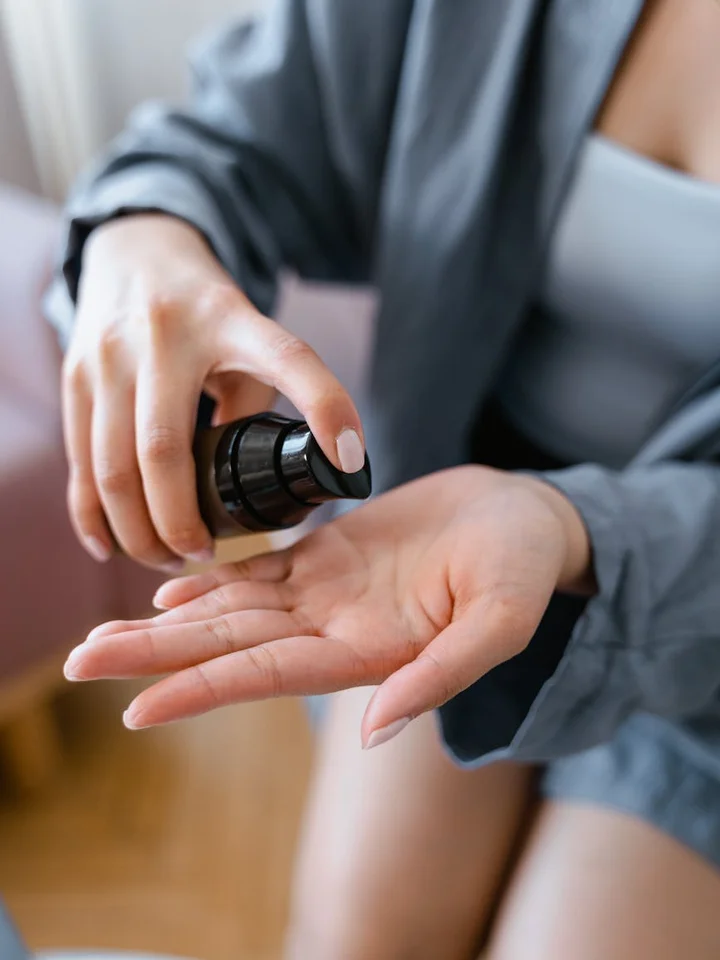
Can you use glycolic acid every day? It depends entirely on your skin and the product’s strength. Think of it like a kitchen cleanser. Using a mild wipe on a countertop daily is fine. Using a heavy-duty scrub every day would strip the finish. Your skin’s “finish” is its moisture barrier, and over-exfoliation damages it.
Four main factors decide if daily use is safe for you:
- Concentration: This is the percentage of glycolic acid in the formula. Lower concentrations are gentler.
- Product pH: Glycolic acid needs a low pH (acidic) to work. A very low pH increases potency and potential for irritation.
- Your Skin Type: My client Noah, with his dry, reactive skin, can often only tolerate a 5% toner twice a week. Maya, with her resilient oily skin, might handle that same toner nightly.
- Your Overall Routine: If you’re already using other exfoliants or strong actives, adding daily glycolic acid is a recipe for trouble.
Here’s a simple guideline. Low concentrations (around 5% or less) in a toner format may be suitable for daily use for some, while stronger serums (10%) or at-home peels (20%+) should be limited to 1-3 times per week. Always start slow, like once or twice a week, and watch how your skin responds over two weeks.
Many people ask, is the glycolic acid toner supposed to sting? Some people can experience a glycolic acid stinging burning sensation rather than a mild tingle. If that happens, pause and reassess your routine before continuing. A mild, fleeting tingling for a minute or two is common as the acid works. A true burning sensation, redness that lingers, or itching is your skin’s stop signal. Rinse it off immediately.
For parents wondering, is glycolic acid safe for 12 year olds? My general advice is no, not without dermatologist guidance. A young teen’s skin barrier is still developing. While a derm may prescribe it for stubborn acne, it’s not a typical first-step ingredient for adolescent skincare. Gentle cleansers, non-comedogenic moisturizers, and benzoyl peroxide or salicylic acid spot treatments are usually more appropriate starting points.
Your Glycolic Acid Mixology Guide: What to Pair & What to Separate
Glycolic acid doesn’t work in isolation. What you pair it with can either boost your results or cause a skincare setback. This table is your quick-reference guide.
| Great Partners | Use Caution / Avoid |
|---|---|
|
Hyaluronic Acid: Glycolic acid can be drying. Following it with a hyaluronic acid serum on damp skin pulls in hydration, like giving your skin a drink after a workout. Niacinamide: This is a brilliant partner. Niacinamide helps strengthen the skin barrier, which can offset potential irritation from exfoliation, and it works on brightening from a different angle. This sets the stage for a closer look at the niacinamide skin barrier benefits. Ceramides: These are the building blocks of your skin’s protective barrier. Using a ceramide-rich moisturizer after glycolic acid helps repair and protect, a strategy my client Noah swears by. Different ceramide types support different aspects of barrier function, so choosing the right ceramides can tailor protection to your skin’s needs. This is especially helpful after exfoliation, when the barrier is more vulnerable. Most Moisturizers: A simple, fragrance-free moisturizer is always a good final step to seal in hydration and comfort after any exfoliant. |
Retinol / Vitamin A: Using these together, especially at the same time, can cause severe irritation, peeling, and a compromised barrier. If you want to use both, the safest method is to alternate them on different nights. Benzoyl Peroxide: Both can be drying and irritating. Using them simultaneously, even if for acne, can overload sensitive skin. Use them at different times of day or on alternate days. Vitamin C (L-Ascorbic Acid): This form of Vitamin C requires a very low pH to be effective, similar to glycolic acid. Layering them can be harsh and may irritate the skin. If you use both, apply Vitamin C in the morning and glycolic acid at night. Other Strong Exfoliants (Salicylic Acid, Lactic Acid): Don’t layer these with glycolic acid. Choose one exfoliant per routine to avoid overdoing it. |
You might also see multi-ingredient creams, like ones with glycolic acid, arbutin, and kojic acid dipalmitate. These are often targeted for hyperpigmentation. When using a combined formula, check if it contains other exfoliants and treat it as your sole exfoliating step-don’t add another glycolic product on top. Use it as directed, typically as a treatment step before moisturizer, and always pair it with a high-SPF sunscreen in the morning, as fresh skin is more sun-sensitive.
Building Your Personal Glycolic Acid Routine
How to Choose Your Formula
Think of choosing a glycolic acid product like hiring a contractor for your skin. You want someone skilled but not overly aggressive. Three things matter most: the strength, the delivery vehicle, and the environment it works in.
Start with a lower concentration, between 2% to 7%, to let your skin build tolerance without protest. A 5% lotion is a gentler introduction than a 10% serum. The product form changes the experience. A toner is often lightweight and good for all-over application. A serum is more concentrated and targeted. A wash-off peel is the most potent and should be treated as a weekly treatment, not a daily step.
The product’s pH is its secret work permit. Glycolic acid needs a low pH (under 4.5) to be effective. A product with a perfect 10% concentration but a neutral pH is like a contractor without tools; it simply won’t work. Many brands list the pH, so look for it.
You might wonder, does The Ordinary glycolic acid work? Their 7% Toning Solution is effective because it has the right low pH to exfoliate. It’s potent and affordable, but its strength makes it better for someone with resilient, oily skin who’s used to acids, not for my sensitive-skin clients like Noah starting their journey.
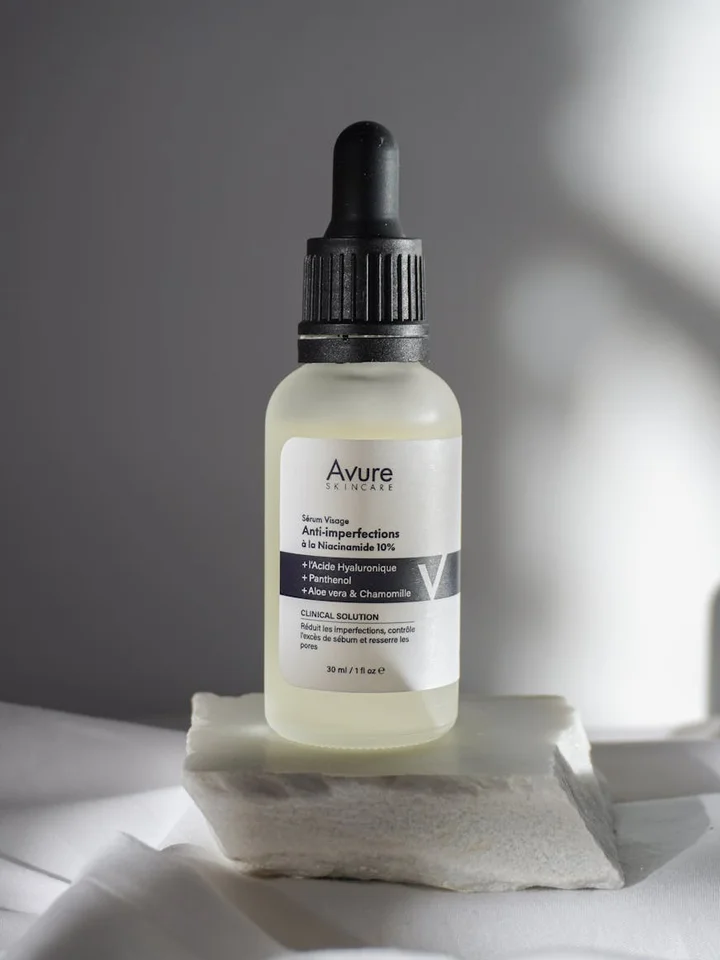
Your safest bet is a fragrance-free, cruelty-free formula that pairs glycolic acid with calming teammates like aloe vera, panthenol, or allantoin. These ingredients help soothe skin as it exfoliates, making the whole process smoother.
The Step-by-Step Application Method
Applying glycolic acid correctly is about order and patience. This is a nightly ritual, as your skin does its best repair work while you sleep.
Follow this simple order:
- Cleanse with a gentle, non-drying face wash. Pat your skin completely dry.
- Apply your glycolic acid product directly. Use your hands or a cotton pad for a toner.
- Wait for 5 to 10 minutes. This lets the acid finish its work and the pH of your skin to normalize.
- Apply your next layers: a hydrating serum, then a moisturizer.
Learning how to layer glycolic acid prevents irritation. Always apply it to clean, dry skin before anything thicker, like serums or creams. Think of it as the first guest through the door. After your wait time, you can apply other treatment serums, like one with hyaluronic acid for hydration or niacinamide for barrier support.
Here is the non-negotiable rule: You must apply broad-spectrum sunscreen every single morning after using glycolic acid. Exfoliation makes new skin cells surface that are highly vulnerable to sun damage. Skipping sunscreen can lead to dark spots and undo all your good work.
Routines Tailored to Your Skin Type
For Acne-Prone & Oily Skin (Like Maya)
For my client Maya, glycolic acid is a star player. It exfoliates the pore lining, helps fade post-acne marks, and controls surface shine. A glycolic acid routine for acne focuses on consistency, not aggression.
Maya might use a 5-7% glycolic acid toner, two to three nights a week. After it dries, she follows with a niacinamide serum to regulate oil and strengthen her barrier, then an oil-free, non-comedogenic moisturizer.
A critical warning: do not use glycolic acid on the same night as a strong salicylic acid treatment or prescription retinoid. This combo is a common shortcut to a damaged, angry skin barrier. Space them out on different nights.
For Dry or Sensitive Skin (Like Noah)
Noah’s dry, reactive skin needs a gentle, strategic approach. The goal is exfoliation without compromise. He should look for a low concentration (2-5%) in a calming, lotion-based formula, used only once a week.
The key is what comes after. Always, always follow glycolic acid with a rich moisturizer packed with ceramides and cholesterol to immediately reinforce the skin barrier. This locks in moisture and protects the newly revealed skin.
If even a low concentration stings, I teach clients the “buffer” method. Apply your moisturizer first, wait for it to absorb, then apply the glycolic product. This slightly dilutes the initial contact, making it more tolerable while still allowing it to work.
Getting Started: Your Safe Launch Plan
Before you put glycolic acid on your face, test it on a small patch of skin behind your ear or along your jawline. Wait 24 hours. If you see no redness, itching, or burning, you can proceed.
The golden rule is start low and go slow. Begin using your product just once a week for the first two weeks. If your skin feels fine-no excessive stinging or dryness-you can try moving to twice a week. Building frequency slowly is how you build tolerance.
Your skin will give you clear signals if you’re doing too much. Listen to it. Signs include persistent redness that lasts hours, stinging that doesn’t fade quickly, flaking patches, or a feeling of tightness. If you see these, take a break for a few days and focus on gentle cleansers and barrier-repair moisturizers.
When you respect its power and follow these steps, glycolic acid becomes a reliable tool for revealing smoother, brighter, more radiant skin. It’s a partnership, and patience is your greatest asset.
Your Glycolic Acid Routine, Clarified
I use benzoyl peroxide or salicylic acid for acne. Can I add glycolic acid?
Yes, but not simultaneously. To avoid irritation, use glycolic acid on alternate nights from your other acne treatments. This approach allows you to address different concerns-like exfoliation and fighting bacteria-without compromising your skin barrier.
My oily skin loves glycolic acid. Can I use it every day?
Resilient, oily skin may tolerate a low-percentage (5% or less) formula daily, but watch for signs of over-exfoliation like increased shine or sensitivity. It’s often more sustainable to use it 3-4 nights a week and pair it with a niacinamide serum to regulate oil production healthily.
I see people online saying a strong tingle means it’s working. Is that true?
A mild, brief tingle can be normal, but a strong burning sensation is a clear signal to stop. Effectiveness is determined by consistent, correct use of a well-formulated product, not by the intensity of the sensation you feel.
Crafting Your Confident Glycolic Acid Routine
Glycolic acid is a powerful ally, but its safety hinges on respecting your skin’s unique rhythm. The most effective routine is one you can sustain without irritation, focusing on consistency over intensity. Think of it as a conversation with your skin, not a lecture you force it to endure daily. That’s why understanding the differences between glycolic acid and other AHAs like lactic acid can help tailor a regimen that suits your skin’s needs.
- Start using it 1-3 times a week, never daily, unless formulated in a very mild wash-off product.
- Always pair it with a calming moisturizer and a dedicated SPF 30+ sunscreen every morning.
- If your skin feels tight, looks shiny, stings with other products, or flaky, take a break for a few days to let your barrier recover.
- For your body, where skin is thicker, you can be slightly more frequent, but still watch for dryness.
- Remember, hydration is not optional when using an exfoliant like glycolic acid.
Your skin’s needs are personal, just like my clients Maya, Noah, and Lina. I share guidance from the treatment room here on the LuciDerma blog to help you navigate your choices. If you have more questions as you adjust your routine, I’m always here to help you read your skin’s signals. Wishing you a happy, healthy glow.
References & External Links
- Can I Use Glycolic Acid Everyday? – Benefits, Pairing , FAQ
- Can I use glycolic acid everyday? Dermatologist explains. – Dermatologist’s Choice Skincare
- r/SkincareAddiction on Reddit: [Product Question] Is it ok if I use glycolic acid everyday?
- Glycolic Acid in Skincare – Prequel
Lucy Zimmerman
Lucy is an expert author and blogger when it comes to skin care and body care. She has first hand expertise acting as skin care consultant for over 5+ years helping her clients achieve smooth blemish free skin with natural and working remedies. She also has been an avid experimenter and tried out all the natural and artificial remedies and treatments so you can learn from her first hand experience. Additionally, she has traveled to many countries around the world and incorporated the skin care routines she has learnt into this blog. So, wait no more, reach out to Lucy if you have any specific needs and follow her blog, LuciDerma for expert skin care advice.