
Skin Barrier Risks Decoded: Acid Stains, Bleaches & Drying Agents in Skincare
If you’ve ever worried that a brightening serum or astringent toner is doing more harm than good, you’re asking the right questions. I help clients like Lina navigate these concerns every day, and I’m here to explain the chemistry in plain terms.
- You will understand how acid staining works on a cellular level and why it can lead to persistent, uneven skin tone.
- You will learn the chemical mechanisms of bleaching agents that risk sensitizing and weakening your skin’s defenses.
- You will see exactly why drying agents strip essential moisture and how to identify them before they compromise your barrier.
- You will be empowered to select gentle, effective products that align with cruelty-free and sustainable values.
Let’s build your knowledge so you can care for your skin with clarity and confidence.
Acid Stains Demystified: How They Work and Where Risks Hide
Let’s clear up the name first. “Acid staining” in skincare has nothing to do with permanently discoloring your skin. We’re talking about two things: the chemical process of exfoliation (the “stain” on skin cells) and the rare chance some formulas can leave marks on fabrics.
Chemically, acids work by breaking bonds. Alpha-hydroxy acids (AHAs) like glycolic and lactic acid loosen the “glue” (called desmosomes) that holds dead skin cells together. Beta-hydroxy acid (BHA), or salicylic acid, is oil-soluble, so it can dive into pores to dissolve the mix of oil and dead cells that cause clogs. In skincare, glycolic and salicylic acids are common exfoliants. When used thoughtfully, they can complement each other’s effects for a smoother, clearer complexion.
You’ll meet a few acid families:
- AHAs (Glycolic, Lactic, Mandelic): Primarily surface exfoliators for texture and brightness.
- BHA (Salicylic): The pore-penetrating acid for acne and blackheads.
- PHAs (Gluconolactone, Lactobionic): Gentle cousins to AHAs, often better for sensitive skin.
- Azelaic Acid: A multi-tasker that gently exfoliates, calms redness, and tackles pigmentation.
Now, about your favorite shirt. Glycolic acid can potentially oxidize and cause a faint yellow stain on some fabrics if it’s not fully rinsed off your skin or hands. This isn’t common with modern, well-formulated leave-on products, but it’s a good reason to let your skincare dry completely before dressing. Mandelic acid, being a larger molecule, is less likely to cause this. The simple fix is to wash your hands after application and be mindful of collars and pillowcases.
The Acid Molecule Spec Sheet: pH, Strength, and Solubility
Not all acids are created equal. Their behavior depends on their size, solubility, and the pH of the formula. Think of pH like a measure of acidity’s “readiness to work.” A lower pH (more acidic) generally makes an acid more potent but also more potentially irritating.
A lower product pH and a higher concentration of acid both increase its exfoliating power-and its potential to disrupt your skin barrier if overused. Understanding how pH affects barrier health informs safer skincare formulations. This connects acidity with barrier care in practical formulation choices. Solubility tells you what it can reach; water-soluble AHAs work on the surface, while oil-soluble BHA gets into the pore lining.
Skin Barrier Risks: When Good Acids Go Bad
Used wisely, acids are transformative. Used recklessly, they strip your skin’s protective layer. The main risks are a compromised moisture barrier, increased water loss (making skin feel tight and dry), redness, stinging, and a significant boost in sun sensitivity.
Over-exfoliation is almost always the culprit, not the acid itself when used correctly. I see this often with clients like Noah, who has dry, reactive skin. He once tried a strong acid serum nightly, convinced it would help texture. Within a week, his skin was raw, flaky, and reactive to everything. We had to pause and rebuild his barrier with ceramides and cholesterol for a month—it’s crucial to understand the exfoliating properties of acids for different skin types.
This leads to a common question: does azelaic acid dry out skin? It can have a mild drying effect initially due to its exfoliating action, but it’s also anti-inflammatory. For many, azelaic acid is uniquely balancing-it refines texture without the severe dehydration common with other acids, making it a great option for those with both sensitivity and congestion. Starting slowly, every other day, allows your skin to adapt.
Bleaching Agents: The Science of Lightening and Its Price
In skincare, “bleaching” is a misleading term. We’re not talking about chlorine. These agents inhibit pigment production to fade dark spots, not strip color from your entire complexion.
The core mechanism targets an enzyme called tyrosinase. Think of tyrosinase as the foreman on a construction site for melanin (your skin’s pigment). Lightening agents work by telling that foreman to slow down or stop production, reducing the amount of melanin deposited in a specific area like a sunspot or post-acne mark.
Common Lightening Agents: From Gold Standard to Dangerous
Agents vary widely in strength and safety.
- Hydroquinone: The potent, prescription gold standard. It’s highly effective but can cause irritation and, with prolonged misuse, a paradoxical blue-black darkening called ochronosis.
- Kojic Acid & Arbutin: Gentler alternatives. Arbutin is a precursor that converts to hydroquinone on the skin slowly, offering a more gradual effect.
- Vitamin C (L-ascorbic acid): An antioxidant that brightens by interfering with the pigment pathway and protecting skin from future damage.
- Azelaic Acid: Does azelaic acid lighten skin? Yes, but through a multi-target approach. It normalizes erratic cell turnover in pigmented cells and has anti-inflammatory properties, making it excellent for post-inflammatory hyperpigmentation (those dark marks left after acne heals).
You must be aware of illegal “bleaching” creams that contain mercury, steroids, or high-dose hydroquinone. Mercury is a severe neurotoxin that can accumulate in your body, causing kidney and nervous system damage. Always purchase from reputable sources and know your ingredients.
The Flip Side: Skin Barrier and Health Risks of Bleachers
Pigment-inhibiting agents are powerful, and that power comes with side effects. Common risks include irritation, contact dermatitis (red, itchy rash), and, as mentioned, ochronosis from hydroquinone misuse.
The universal risk is extreme photosensitivity. Using these agents without rigorous, daily broad-spectrum sunscreen is like repairing a wall while leaving the door wide open for more damage-UV rays will stimulate even more pigment production, undermining all your efforts. Sunscreen isn’t a suggestion here; it’s non-negotiable medicine. Daily broad-spectrum sunscreen is a cornerstone of anti-aging UV protection. It helps shield collagen and prevent new pigment changes, reinforcing your results against sun exposure.
For the skin barrier, these ingredients can be disruptive, especially when combined with acids. They can impair the skin’s natural repair process. I advise clients like Lina, who wants to fade sunspots, to use a lightening agent only in her PM routine and focus on barrier-supporting ingredients (like niacinamide and peptides) in the morning. Niacinamide supports the skin barrier by strengthening the outermost layer and reducing water loss. These barrier benefits help pigmentation care work more effectively. This balanced approach manages pigmentation while actively protecting skin health.
Drying Agents: The Fine Line Between Mattifying and Damaging
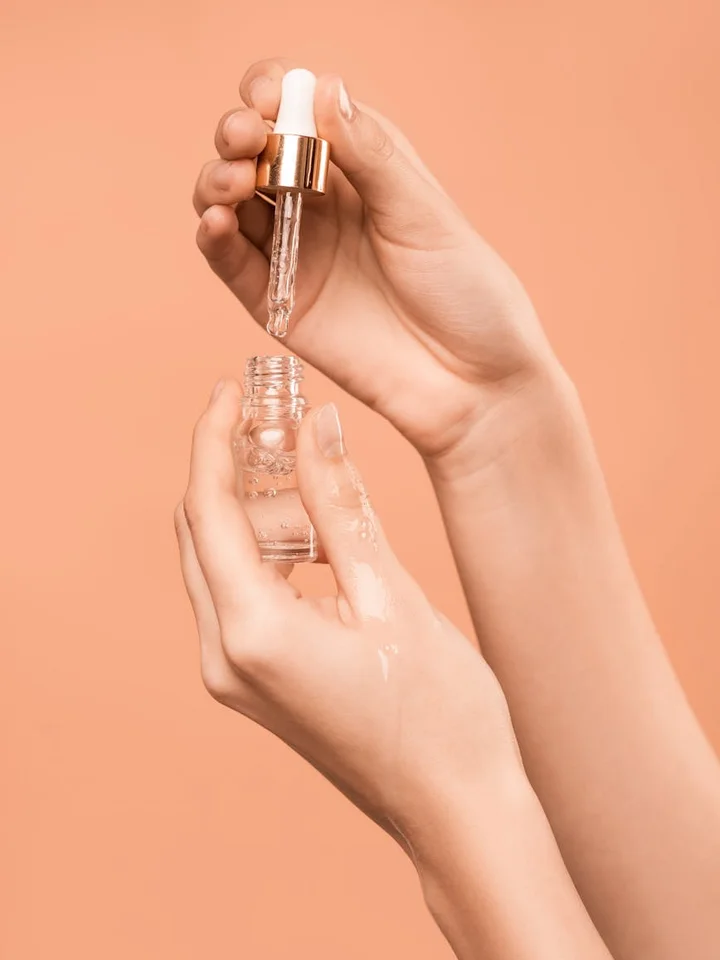
Drying agents are ingredients designed to reduce shine by absorbing oil or temporarily altering the skin’s surface. Think of them like a very thirsty sponge pressed against your face. They work through one of two main chemical mechanisms: either by binding to oil and sebum to absorb it, or by denaturing (temporarily changing the structure of) the proteins in the top layer of skin, which creates a tighter, matte feel.
That immediate matte finish can feel like a victory, but it often comes at the cost of your skin’s long-term health.
Spotting Drying Agents in Your Products
You’ll often find these ingredients in products marketed for oily or acne-prone skin. The key is to spot them and understand their role.
- High concentrations of simple alcohols: Denatured alcohol, SD alcohol, or isopropyl alcohol (often listed early in the ingredient list).
- Certain plant extracts: Witch hazel, especially if it’s not distilled and has a high tannin content, acts as a potent astringent.
- Clay masks: Ingredients like bentonite or kaolin clay are excellent at absorbing oil and impurities.
- Astringents: Like alum or zinc sulfate, which cause a temporary tightening effect.
Here’s a crucial distinction: not all alcohols are bad. Fatty alcohols like cetyl or stearyl alcohol are actually emollients and help moisturize and soften the skin. They’re friends, not foes, especially if you have sensitive skin.
Let’s address a common question here: does salicylic acid bleach? No, salicylic acid is not a bleaching agent. As a beta hydroxy acid (BHA), it’s oil-soluble, designed to exfoliate inside the pore, which can make it feel drying if you use it too often or in high concentrations. Its primary job is exfoliation, not drying, but the effect on your lipid barrier can be similar if misused. To use it safely, establish a gentle salicylic acid application routine and pair it with a moisturizer. Start with once-daily use or every other day, then adjust as your skin tolerates.
How Drying Agents Erode Your Skin’s Defense
Your skin’s lipid barrier is like the mortar between bricks. Drying agents aggressively scrub away that mortar. When you strip away too much oil, you compromise the barrier’s integrity. This leads to a loss of hydration, as water can now escape more easily from your skin.
The immediate risks are tightness, flaking, and a sensation like your skin is screaming for moisture. But the downstream effects are worse. A damaged barrier is an inflamed, vulnerable barrier. It can become more permeable to irritants and bacteria. For someone like my client Maya, who started using a high-alcohol toner to combat oiliness, this led to a frustrating cycle: her skin felt dry, so she skipped moisturizer, which triggered her oil glands to overproduce sebum (rebound oiliness) to compensate, leading to more clogged pores and breakouts.
Using harsh drying agents can create the very problems you’re trying to solve: more sensitivity, more redness, and often, more breakouts. It leaves skin like Noah’s-already dry and reactive-in a state of constant distress.
Your Safe-Use Guide: How to Harness Power Without the Fallout
Powerful ingredients are tools, not punishments. The goal is to use them with the precision of a clinician, not the fervor of a weekend warrior. Think of these as your non-negotiable commandments for home care.
The Golden Rules of Application
Whether you’re dealing with a potent acid, a brightening agent, or a clay mask, these rules form your safety protocol.
- Always, always patch test. Apply a small amount to your inner forearm or behind your ear for several days before using it on your face.
- Start low and go slow. This applies to both concentration and frequency. If you’re new to glycolic acid, try a 5% lotion twice a week, not a 10% serum nightly.
- Never layer multiple potent agents. Using a retinoid, an AHA, and a strong spot treatment in the same routine is asking for a barrier disaster. Space them out across different nights.
- Sunscreen is non-negotiable. Many of these agents increase sun sensitivity. Daily SPF 30 or higher is your best friend and most important skincare step.
Saving Your Shirts (and Sheets): Preventing Stains
Chemical stains on fabrics are usually caused by acids reacting with dyes or minerals in the fabric, or by certain oxidizing ingredients. Let’s clear up two common worries.
Does salicylic acid bleach clothes? Typically, no. Salicylic acid is not a strong oxidizer like benzoyl peroxide, which is famous for bleaching fabrics. Does hyaluronic acid stain? Also no, it’s a humectant, not an active acid. The main culprits for stains are often AHAs like glycolic or lactic acid, especially at higher concentrations, and of course, benzoyl peroxide.
To protect your laundry, apply your treatment products to completely dry skin and give them a full five to ten minutes to absorb before putting on clothes or going to bed. Other practical tips include using older pillowcases on nights you use strong actives, tying long hair back, and applying a plain, thick moisturizer or barrier cream around your neckline and hairline as a protective buffer.
When to Press Pause: Contraindications and Safety Warnings

Using powerful agents requires a “first, do no harm” mindset. Your skin’s health always comes before any potential glow. If you’re in any of these situations, stop and reassess with a professional.
- Active eczema, rosacea, or dermatitis. Applying acids or drying agents to visibly inflamed, flaky, or irritated skin is like pouring lemon juice on a paper cut. It will worsen the condition and delay healing.
- Compromised skin barrier. If your skin stings or burns when you apply even a gentle moisturizer or cleanser, your barrier is signaling distress. This is your skin’s way of telling you it needs repair, not more active ingredients.
- Immediately after professional procedures. After a clinical peel, laser, or microneedling, your skin is in a controlled healing phase. Introducing other actives can cause severe irritation and set back your results.
- Pregnancy and breastfeeding. Always consult your doctor. Specific cautions often apply to high-dose salicylic acid (BHA), retinoids, and certain bleaching agents like hydroquinone, which may require avoidance during this time.
- Concurrent use of prescription retinoids without derm approval. Using over-the-counter acids alongside prescriptions like tretinoin is a major recipe for barrier disaster. Your dermatologist can create a safe, staggered plan.
Building a Resilient Barrier: The Repair and Maintenance Routine
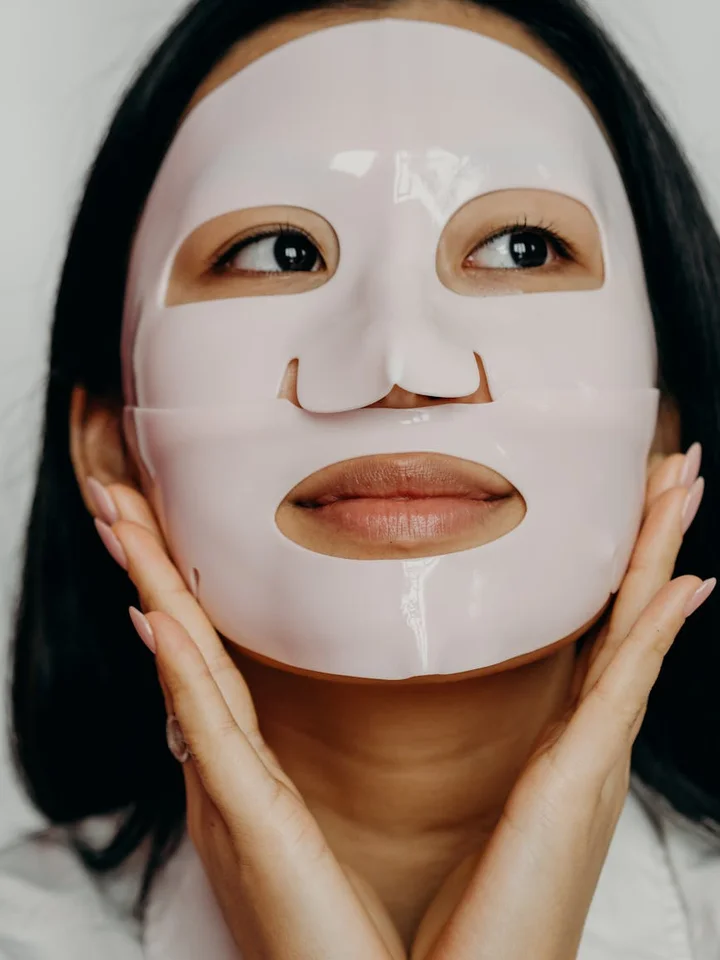
Think of your skin barrier as a brick wall. Actives can help remodel it, but you need the right materials to keep it strong. The best offense with these ingredients is a consistent, good defense.
A barrier-support routine isn’t complicated. It focuses on hydration, replenishment, and protection. You should pair it with any active treatment, not replace it.
The Soothing Squad: Ingredients to Seek Out
When shopping for repair products, look for these proven teammates. I like to think of a lightweight barrier serum as your skin’s 24/7 security system, while a rich cream acts as a reinforced wall at night.
- Ceramides. These are the essential “mortar” that holds your skin cells together. They directly repair the lipid layer, reducing water loss and sensitivity.
- Niacinamide. This multitasker calms redness, improves the barrier function, and helps regulate oil. It’s a great partner for almost anyone, especially Maya with her oily, acne-prone skin.
- Centella Asiatica (Cica). A superstar for soothing. It calms that hot, reactive feeling instantly and supports the skin’s own healing processes, perfect for someone like Noah.
- Panthenol (Provitamin B5). A profound hydrator that acts like a moisture magnet. It helps skin feel soft and plump while soothing minor irritations.
- Squalane. A lightweight, non-comedogenic oil that mimics your skin’s own sebum. It provides occlusion without heaviness, ideal for Lina’s combination zones or Noah’s dry patches.
A Sample Week: Balancing Actives and Recovery
Consistency beats intensity. Here’s a simple, flexible schedule that prioritizes barrier health. Listen to your skin-if it feels tight or sensitive, add an extra rest day.
| Day | AM Focus | PM Focus |
| Monday | Gentle cleanse, vitamin C serum, moisturizer, SPF | Double cleanse, glycolic acid serum, barrier repair moisturizer |
| Tuesday | Gentle cleanse, hydrating serum, moisturizer, SPF | Double cleanse, niacinamide serum, rich cream with ceramides |
| Wednesday | Gentle cleanse, moisturizer, SPF | Double cleanse, hydrating toner, barrier repair serum, calming moisturizer |
| Thursday | Gentle cleanse, vitamin C serum, moisturizer, SPF | Double cleanse, salicylic acid (BHA) on oily zones only, barrier moisturizer everywhere |
| Friday | Gentle cleanse, hydrating serum, moisturizer, SPF | Double cleanse, rest night. Hydrating mask or facial oil only. |
| Saturday | Gentle cleanse, moisturizer, SPF | Double cleanse, lactic acid treatment, barrier repair moisturizer |
| Sunday | Gentle cleanse, moisturizer, SPF | Double cleanse, barrier-focused routine: serum, facial oil, rich cream |
This is a template, not a rulebook. For someone like Noah with dry, reactive skin, this might mean using an active acid only once every five days and spending the rest of the time on repair. Maya might use her BHA two nights a week but keep her hydrating serum in the mix daily. The goal is to never let your skin feel attacked.
Your Quick Questions on Actives & Skin Barrier Health, Answered
How can I tell if my barrier is compromised from using these active ingredients?
Your skin will send clear distress signals: persistent tightness, redness, stinging with gentle products, or flakiness are key signs. When this happens, pause all potent actives and focus on a repair routine with ceramides and soothing ingredients like centella asiatica.
Are there effective, gentler alternatives to traditional bleaching agents for dark spots?
Absolutely. Ingredients like vitamin C, azelaic acid, and niacinamide work through antioxidant and anti-inflammatory pathways to fade pigmentation more gently. They help normalize skin function without the high irritation risk associated with stronger tyrosinase inhibitors.
Can the use of drying agents lead to long-term issues beyond just rebound oiliness?
Yes, chronically stripping the lipid barrier can lead to sustained inflammation, increased sensitivity to allergens, and a higher risk of conditions like perioral dermatitis. It shifts your skin into a reactive state, making it harder to treat any primary concern effectively.
Your Skin Barrier Comes First
The core lesson is that powerful ingredients are tools, not miracles. Using acids, bleaches, or drying agents effectively means starting slow, watching for your skin’s signals, and never skipping barrier repair. This mindful approach lets you achieve your goals without the backlash of irritation or damage.
- Patch test every new product on a small area of skin for at least 24 hours before using it on your face.
- Introduce one active ingredient at a time, spacing applications to twice a week initially.
- Always follow an active treatment with a gentle, nourishing moisturizer to soothe and protect.
- Apply a broad-spectrum sunscreen every single morning without fail, as these agents increase photosensitivity.
- Choose products from transparent brands that are cruelty-free and use sustainable sourcing.
Think of me as your personal guide for questions that pop up between blog posts. Your experiences, like Maya’s with acne treatments or Noah’s with sensitive skin, are what help shape the practical advice we share. I read every comment and question on the LuciDerma blog, so keep them coming as you navigate your routine.
Expert Resources and Citations
- What to Know About Your Skin Barrier and How to Protect It
- 10 Signs Your Skin Barrier’s Damaged | The Ordinary
- How To Tell If Your Skin Barrier Is Damaged
- What Is the Skin Barrier? Function, Signs of Damage, and How to Care for Yours
- Skin barrier function – PMC
- Understanding the Epidermal Barrier in Healthy and Compromised Skin: Clinically Relevant Information for the Dermatology Practitioner: Proceedings of an Expert Panel Roundtable Meeting – PMC
- What is the skin barrier and how can you protect it? – Medline
- What Is the Skin Barrier? (And Is Yours Healthy?) | ISDIN
Lucy Zimmerman
Lucy is an expert author and blogger when it comes to skin care and body care. She has first hand expertise acting as skin care consultant for over 5+ years helping her clients achieve smooth blemish free skin with natural and working remedies. She also has been an avid experimenter and tried out all the natural and artificial remedies and treatments so you can learn from her first hand experience. Additionally, she has traveled to many countries around the world and incorporated the skin care routines she has learnt into this blog. So, wait no more, reach out to Lucy if you have any specific needs and follow her blog, LuciDerma for expert skin care advice.