
Using Adapalene and Benzoyl Peroxide Together: Your Acne Treatment Plan
Combining adapalene and benzoyl peroxide is a common question I hear from clients looking to tackle stubborn acne. As an esthetician, I’ve helped many, like Maya with her oily skin, navigate this exact combo for clearer results.
- You’ll see how adapalene and benzoyl peroxide target acne in different ways, making them a powerful pair for everything from blackheads to painful cysts.
- You’ll get a clear, step-by-step routine to introduce both ingredients safely, which helps prevent the dryness and irritation that often scare people off.
- You’ll learn how to adjust this approach for your skin type, whether you’re dealing with oiliness like Maya, sensitivity like Noah, or combination concerns like Lina.
Getting this right can transform your acne routine from frustrating to effective.
A Quick Answer for Your Routine
Yes, you absolutely can use adapalene and benzoyl peroxide together. In fact, combining them is a clinically-proven, dermatologist-recommended strategy for tackling stubborn acne.
This duo works because they attack different root causes of breakouts at the same time. Think of it as a coordinated defense.
The most critical rule is to use them correctly to avoid overwhelming your skin barrier, which can lead to severe dryness, peeling, and irritation. With a thoughtful approach, this combination can be a game-changer.
How This Acne-Fighting Duo Works (The Simple Science)
Acne forms through a few key steps: pores get clogged with dead skin cells and oil, and then bacteria (mainly *C. acnes*) feast on that environment, causing inflammation. Adapalene and benzoyl peroxide are specialists who tackle different parts of this process.
Adapalene works underneath the surface. It’s a retinoid that speeds up skin cell turnover. This helps prevent dead cells from sticking together and clogging your pores in the first place. Over time, this can help reduce the look of enlarged pores. That’s why adapalene and other retinoids are commonly used to minimize pores with retinoids.
Benzoyl peroxide works on the surface. It’s an oxidizing agent that kills acne-causing bacteria directly. It’s like a disinfectant for your skin. Unlike salicylic acid or retinoids, which work deeper within the pores, benzoyl peroxide targets the bacteria on the skin’s surface.
Here’s a simple analogy: if a clogged, inflamed pore is like a dirty, backed-up kitchen sink, adapalene is the plumber who clears out the pipe. Benzoyl peroxide is the cleaner who sanitizes the basin and countertop to kill any lingering germs. They have different jobs, but together, they get the whole kitchen clean.
Their different targets are what make them such a powerful, complementary team-one prevents the clog, and the other eliminates the bacteria that turns a clog into a painful pimple.
Adapalene: Your Pore’s Personal Trainer
Adapalene is a type of retinoid, a vitamin A derivative. Think of it as a coach for your skin cells. It encourages them to behave better, shedding at a normal rate instead of gluing together inside your pores. Retinol is another vitamin A derivative often discussed alongside adapalene. In the next steps, we’ll compare how adapalene and retinol work and why someone might choose one over the other.
This makes it exceptionally effective for treating and preventing comedones-those blackheads and whiteheads that form the foundation of many breakouts. By keeping the pore clear, it also reduces the opportunity for inflammation to start.
My client Maya, who deals with persistent clogged pores, found that consistent adapalene use made her skin feel smoother and prevented many of those small, gritty bumps from forming under the surface.
Benzoyl Peroxide: The Bacteria Bouncer
Benzoyl peroxide (BPO) is a powerhouse antimicrobial. It releases oxygen that kills *C. acnes* bacteria, the main culprit behind the redness and swelling in inflammatory acne.
A major advantage of BPO is that bacteria cannot become resistant to it, unlike some antibiotics. This makes it a reliable long-term player in acne management.
It’s particularly helpful for those angry, red, tender bumps and pustules. Because it works on the surface, you can sometimes feel its effects more quickly than adapalene, which works over weeks.
Using benzoyl peroxide is like having a bouncer at the door of your pores; it stops the troublemaking bacteria from setting up shop and causing a scene.
Your Step-by-Step Guide to Applying Them Together
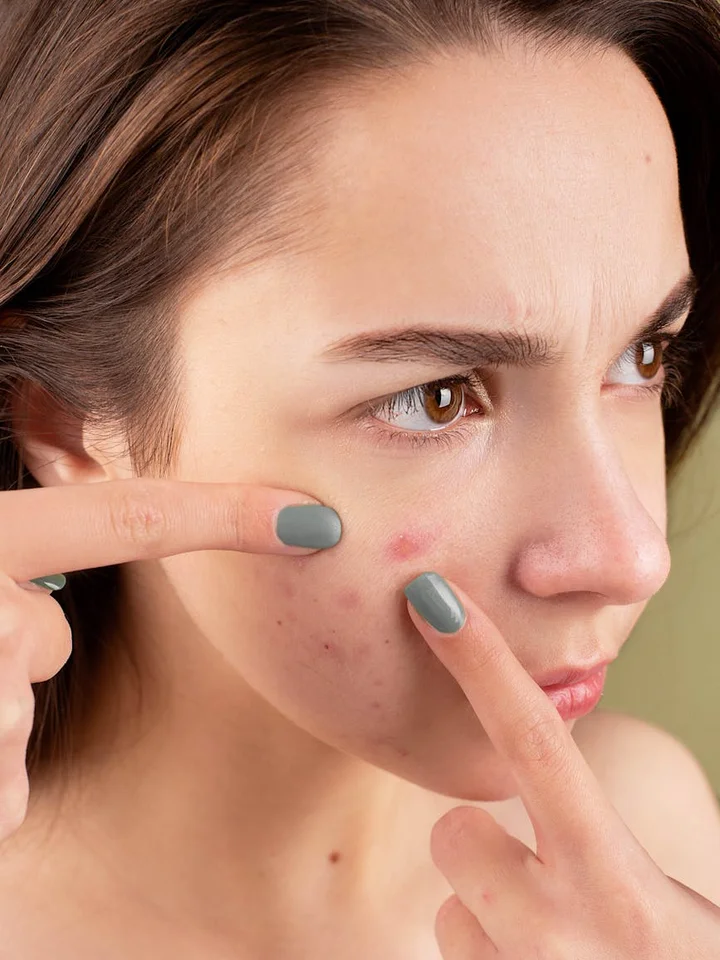
Think of this as a gentle, methodical dance, not a race. The goal is to let both ingredients work without overwhelming your skin barrier. For most people, this works best as a nighttime routine.
Start by cleansing your face with a gentle, non-drying formula to create a clean, fresh canvas. Pat your skin dry until it’s just slightly damp.
This next step is non-negotiable for sensitive skin types, like my client Noah, and a great idea for anyone new to these ingredients. It’s called buffering.
Apply a simple, fragrance-free moisturizer to damp skin, focusing on areas that tend to get dry or reactive. This creates a protective layer that slows the absorption of your treatments, drastically cutting down on potential redness and peeling. Let this sink in for a minute or two.
Now, for the treatments. Take a pea-sized amount of adapalene gel. That’s truly all you need. Dot it on your forehead, each cheek, your chin, and nose, then gently smooth it over your entire face, avoiding the immediate eye area and lips.
Once the adapalene has absorbed, it’s time for benzoyl peroxide. Use it only as a targeted spot treatment. Take a tiny dab and apply it directly to any active, visible pimples. Do not smear it all over.
Finish by applying another light layer of your moisturizer over everything. This final step seals in the treatments and provides overnight comfort.
| Step 1 | Cleanse |
| Step 2 (Optional Buffer) | Moisturize on damp skin |
| Step 3 | Apply pea-sized adapalene all over face |
| Step 4 | Apply benzoyl peroxide as a spot treatment |
| Step 5 | Moisturize again |
Nightly Routine for Combination Skin (Like Lina’s)
Lina has an oily T-zone but cheeks that sting easily. Her routine needs to treat the breakouts without upsetting her drier, sensitive zones. Here’s the exact playbook we use.
- Gentle Cleanser: Use a milky or gel cleanser that doesn’t leave skin feeling tight.
- Lightweight Moisturizer on Cheeks: While her skin is damp, apply a basic, soothing moisturizer only to her cheeks and jawline. This pre-emptively protects her sensitive areas.
- Pea-Sized Adapalene All Over: Apply the retinoid to her entire face, including the buffered cheeks. The moisturizer underneath will moderate its effect there.
- Benzoyl Peroxide as a Spot Treatment: Dab a 2.5% or 5% BP formula directly on any active pimples, which for her are usually on the forehead, nose, or chin.
- More Moisturizer if Needed: If her skin feels at all taut or dry, she adds a final, sheer layer of moisturizer everywhere.
This method lets her tackle oil and breakouts where they occur, while giving her sensitive skin the careful handling it needs.
Can I Mix Adapalene and Benzoyl Peroxide in My Palm?
This is a common question, and the short answer is no, you should not mix them together in your hand before applying.
Physically blending them into one paste can create uneven application and increase the risk of irritation. You might accidentally apply a highly concentrated cocktail of both ingredients to one area while missing another spot entirely.
Layering them separately, as outlined in the steps above, is the safer and more effective strategy. It gives you precise control. You apply the adapalene evenly for overall cell turnover and prevention, then use the benzoyl peroxide as a targeted killer for existing blemishes. This layered approach is how they’re designed to work best together without overwhelming your skin.
What to Mix & What to Avoid: Your Ingredient Interaction Matrix
When you’re using a power duo like adapalene and benzoyl peroxide, the rest of your routine needs to play a supportive role. Think of your skin barrier as a team. Your active ingredients are the star players doing the heavy lifting, but they need reliable teammates-soothing hydrators and repair specialists-to keep everything running smoothly and prevent injury.
Green Light: Your Support Squad
These ingredients are your MVPs for maintaining comfort and resilience while on this treatment plan. They help counteract dryness and sensitivity, making the entire process more effective and tolerable.
- Niacinamide: This is my top recommendation for anyone using retinoids or BP. It helps regulate oil, reduces redness, and actively strengthens your skin’s barrier. I often suggest it to clients like Lina, who has combination skin, because it calms her sensitive cheeks while managing her T-zone.
- Hyaluronic Acid & Glycerin: These are hydration magnets. Applying them to damp skin right after cleansing gives your skin a big drink of water, which plumps it up and creates a better base for your treatments. They are non-negotiable for my client Noah, who deals with dryness.
- Ceramides & Cholesterol: These are the building blocks of your skin’s protective wall. Using a moisturizer formulated with them is like giving your barrier the bricks and mortar it needs to repair itself overnight. Consistently using a ceramide cream can mean the difference between resilient skin and a flaky, irritated mess.
- Zinc Oxide (in sunscreen): A mineral sunscreen with zinc oxide is perfect for treatment phases. It sits on top of the skin, providing broad-spectrum protection without stinging or interacting with your actives. It’s also inherently soothing.
Red Light: Ingredients to Pause
This list isn’t about good or bad ingredients. It’s about avoiding conflict on your skin’s surface. Combining these with your adapalene and BP regimen is often a shortcut to irritation, a compromised barrier, or simply wasted product.
- Other Prescription Retinoids (Tretinoin, Tazarotene): Adapalene is your retinoid. Adding another is redundant and will dramatically increase your risk of severe irritation, peeling, and redness.
- Salicylic Acid, Glycolic Acid, & Other Exfoliating Acids: Both adapalene and BP are already exfoliating your skin at a cellular level. Adding a physical or chemical exfoliant on top is too much for most people. Over-exfoliation damages your barrier, making acne and inflammation worse, not better.
- Physical Scrubs: The same rule applies. Your skin is in a state of increased turnover. Scrubbing it with granules or brushes is like sandpapering a sunburn.
- Vitamin C (L-ascorbic acid) at the Same Time: I’m giving this its own special warning below.
Why Benzoyl Peroxide and Vitamin C Don’t Mix
This is a classic example of two brilliant ingredients canceling each other out. Benzoyl peroxide works by releasing oxygen free radicals to kill acne bacteria. Vitamin C (specifically L-ascorbic acid) is a potent antioxidant that neutralizes free radicals to protect skin.
When you apply them together, the vitamin C essentially “mops up” the BP’s active oxygen, rendering the BP less effective. Simultaneously, the BP oxidizes and destabilizes the vitamin C, turning it brown and ineffective before it can benefit your skin.
You can use both in your broader routine, but they must be separated-think vitamin C in your morning routine and benzoyl peroxide in your evening routine. Even then, if your skin is in a sensitive adjustment phase with adapalene and BP, it’s often wiser to let your barrier settle before reintroducing an active like vitamin C.
Side Effects: What to Expect and How to Soothe
Starting a new treatment can feel like a leap of faith. Your skin may react before it improves, and that’s a normal part of the process. Let’s map out what to expect so you can move forward with confidence.
The Adjustment Period: Common Initial Reactions
When you introduce adapalene and benzoyl peroxide, you are asking your skin to adapt to powerful, effective ingredients. Think of it like breaking in a new pair of shoes; there’s an initial phase of discomfort before they feel like a perfect fit.
This phase, often called the “retinization” period with adapalene, typically lasts 2 to 6 weeks. During this time, you might notice:
- Dryness and Flaking: This is the most common side effect. Your skin is turning over cells faster, and the old ones are shedding. It often looks worse under foundation.
- Redness: Mild pinkness or redness, especially in areas you’re treating, is a sign of increased skin cell activity.
- A Sensation of Tightness: Your skin may feel taut, particularly after cleansing.
- Mild Stinging or Burning: A brief, tolerable sting when you apply your moisturizer or sunscreen is common. It usually fades within a minute.
This initial reaction is a sign the treatment is working to unclog pores and normalize skin cell turnover. My client Noah, who has dry skin, experienced noticeable flaking around his mouth and chin for about three weeks before his skin settled into a much clearer, smoother routine.
Normal Adjustment vs. “Stop Everything” Signals
It’s vital to know the difference between typical adjustment and a sign of irritation or allergy. Listening to your skin prevents more serious damage.
Normal adjustment symptoms are mild, localized to treatment areas, and improve with a consistent, gentle routine. They should not interfere with your daily life.
You should pause both products and contact your doctor or dermatologist if you experience:
- Severe burning that lasts more than a few minutes.
- Intense itching or a spreading rash (hives).
- Swelling, especially of the eyes, lips, or face.
- Oozing, crusting, or open sores.
- Pain that isn’t related to a specific pimple.
These are not signs of adjustment; they are signals that your skin’s barrier is severely compromised or you are having an adverse reaction.
Your Soothing Strategy Toolkit
You can successfully navigate the adjustment period by supporting your skin barrier. Here is your practical, step-by-step plan for comfort.
- Master the Moisturizer Sandwich. Apply a basic, fragrance-free moisturizer to slightly damp skin. Wait 10 minutes for it to absorb. Then, apply a pea-sized amount of your adapalene and benzoyl peroxide product. Wait another 10 minutes, and seal it all in with another light layer of that same moisturizer. This buffers the actives, reducing irritation without sacrificing efficacy.
- Shorten Benzoyl Peroxide’s Contact Time. If redness is your main issue, try using your treatment as a short-contact therapy. Apply it to clean, dry skin, leave it on for 2-5 minutes, then rinse thoroughly and follow with your moisturizer. This allows the BP to work on surface bacteria with less potential for irritation.
- Schedule a Night Off. If your skin feels raw or overly sensitive, listen to it. Take one night off from all actives. Focus solely on gentle cleansing, a soothing moisturizer, and nothing else. Your skin will use this time to repair itself.
- Simplify Everything Else. During the first month, pause other exfoliants like AHAs, BHAs, scrubs, or cleansing brushes. Use only a gentle, non-foaming cleanser and a bland moisturizer. This lets your skin focus on adapting to one big change at a time.
Consistency with a gentle routine is far more effective than using powerful actives aggressively. My client Lina found that applying her treatment just three nights a week for the first month, with plenty of moisturizer, allowed her combination skin to adapt without a major flare of redness on her cheeks.
Contraindications & Safety Warnings: When Not to Try This Combo
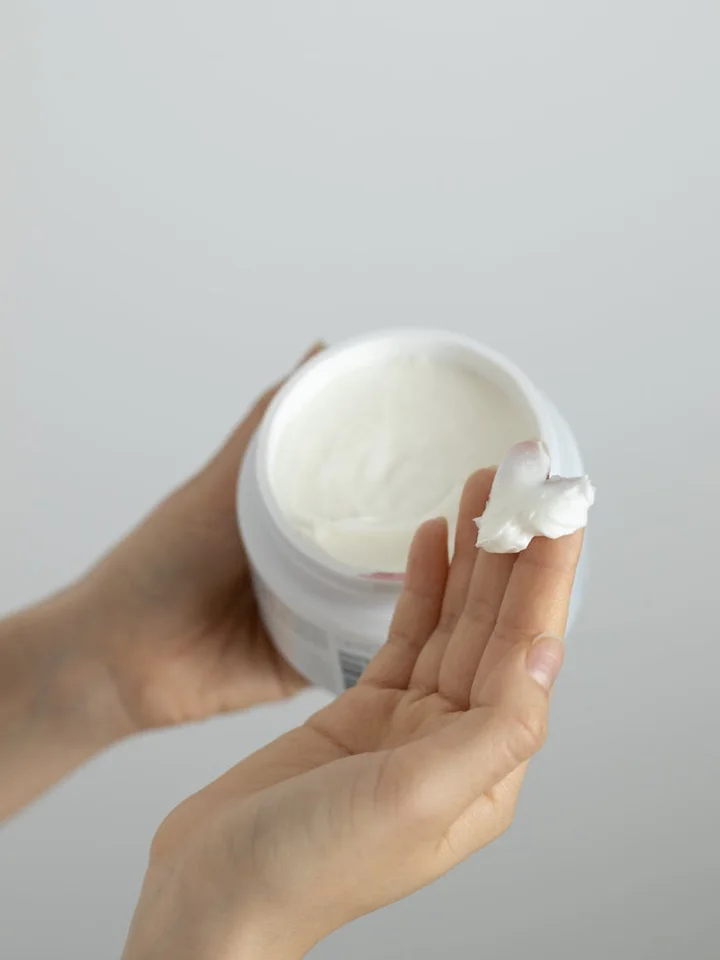
Combining adapalene and benzoyl peroxide is a powerful strategy, but it is not for everyone. Your skin’s current condition and health history are the most important factors. Think of it like running a marathon; you wouldn’t start if you had a sprained ankle. Your skin barrier is your foundation, and it needs to be intact and strong before this kind of training.
If Your Skin Barrier Is Already Compromised
This combination can be too aggressive for skin that is already injured or struggling. I often see this with clients like Noah, who has dry, reactive skin.
- Active eczema, rosacea flares, or psoriasis: These conditions involve significant inflammation. Adding two potent actives can worsen irritation and delay healing.
- Visible broken skin, cuts, or sunburn: Applying actives to wounded skin causes a burning sensation and can lead to more severe damage or post-inflammatory hyperpigmentation.
A damaged skin barrier needs repair first, not aggressive actives. This means focusing on a simple routine with a gentle cleanser, a ceramide-rich moisturizer, and a mineral sunscreen for at least a few weeks until your skin feels calm and resilient again.
If You Are Using Certain Oral Medications
Some oral medications increase skin sensitivity, making the drying and irritating effects of this combo much worse. It is critical to review your medications with your doctor or pharmacist.
- Oral retinoids (like isotretinoin/Accutane): Combining prescription-strength oral and topical retinoids is typically not advised due to a very high risk of excessive dryness and irritation.
- Certain antibiotics (like tetracyclines): While sometimes prescribed together for acne, your doctor will provide specific guidance. Using strong topicals without their knowledge can compromise your treatment.
- Diuretics or other drugs that increase sun sensitivity: Both adapalene and BP make you more sun-sensitive. Adding another sensitizing medication raises your risk of severe sunburn.
If You Are Pregnant, Breastfeeding, or Trying to Conceive
This is a non-negotiable safety precaution. The research on topical retinoid use during pregnancy is limited, and healthcare providers universally recommend caution.
You should avoid adapalene entirely unless your obstetrician or dermatologist explicitly recommends it. Benzoyl peroxide is generally considered a safer option during pregnancy, but you must get clearance from your doctor before using any new treatment. Do not experiment with this combination during this time.
If You Have a Known Allergy to Either Ingredient
This may seem obvious, but it’s worth stating clearly. An allergy is different from temporary irritation.
- Signs of an allergy include intense itching, hives, swelling, or a rash that spreads beyond the application area. If you’ve experienced this with any retinoid or benzoyl peroxide product in the past, this combination is not for you.
- Always patch test any new product, especially one this potent. Apply a small amount behind your ear or on the inner part of your forearm for several nights to check for a delayed reaction before using it on your face.
Gentler Alternatives and Solo Routes

Combining heavy-hitting ingredients isn’t a race. For many people, taking a slower, more strategic path leads to better results with less irritation. Your skin’s comfort is a priority, not an obstacle.
Starting With Just One Product
If you have a history of sensitive, reactive, or eczema-prone skin, beginning with a single active is your safest bet. I often suggest this to clients like Noah, who has dry, reactive skin. Introducing one new product at a time lets you see exactly how your skin responds. It builds tolerance and prevents you from struggling to identify which ingredient caused a problem if irritation occurs.
Choose the product that best matches your primary concern: use adapalene for clogged pores and persistent bumps, or benzoyl peroxide for inflamed, red pimples. Use it consistently for at least four to six weeks before even considering adding a second step. This solo route often yields great improvement on its own.
The Alternate-Night Introduction Method
When you and your clinician decide you’re ready for both ingredients, but your skin is still finding its footing, an alternating schedule is a brilliant middle ground. It gives your skin a night off to recover between applications of each active.
Here is a simple sample schedule:
- Night 1: Cleanse, apply adapalene, moisturize.
- Night 2: Cleanse, apply benzoyl peroxide (as a short-contact treatment or leave-on), moisturize.
- Night 3: A “rest night” with just a gentle cleanser and a good moisturizer.
- Repeat the cycle.
This method drastically reduces the cumulative irritation potential while still allowing both ingredients to work. Think of it as training for a marathon, not a sprint.
Considering a Different Active: Azelaic Acid
For some, the drying nature of benzoyl peroxide or the initial adjustment period of adapalene is a dealbreaker. A powerful and often gentler alternative is azelaic acid. It’s a multi-tasker that calms redness, unclogs pores, and fights acne-causing bacteria, all while being generally well-tolerated. Some readers compare benzoyl peroxide with azelaic acid for acne and look for gentler options. In that context, azelaic acid often fits smoothly into a balanced acne routine.
Azelaic acid can be a stellar choice for those dealing with a mix of acne and redness or rosacea, or for anyone who finds traditional acne treatments too harsh. For rosacea redness in particular, azelaic acid can help calm the skin and reduce visible redness. Its gentle anti-inflammatory effect makes it a practical option to discuss with your dermatologist. It can sometimes be used alongside adapalene under medical guidance, or it can serve as a effective standalone treatment. Like with any new product, introduce it slowly and monitor your skin’s response.
When to See a Dermatologist
Working with these two powerful ingredients on your own is a bit like being your own chemist. You can often get great results, but sometimes you need a professional in the lab.
Think of your 8 to 12-week trial period as a proper experiment. Skin cell turnover takes time, and your barrier needs weeks to adjust to new actives. If you’ve been consistent for three months and see no improvement in acne, it’s a clear signal to book an appointment. This tells a professional that your acne might need a different approach.
Recognizing Signs That Need a Pro
Listen to your skin. It will tell you when something is wrong. While some dryness and peeling is normal initially, certain reactions are red flags.
Severe burning that lasts more than an hour after application, intense itching, swelling, or raw, cracked skin are not just “purging.” They’re signs of significant irritation or allergy. If your skin feels painful, looks angry, or develops a rash, stop using the products immediately and call your doctor or dermatologist. My client Noah, with his reactive skin, knows this rule well-pushing through severe discomfort often makes the problem worse.
Furthermore, if your primary concern is deep, painful cystic acne (those large, tender bumps under the skin that rarely come to a head), starting with a professional is wise. These types of breakouts often respond best to prescription-strength treatments or oral medications that a dermatologist can provide.
The Professional-Grade Advantage
This is the key reason a dermatologist’s input is so valuable. Why mix two separate bottles when there’s a more elegant solution?
Dermatologists can prescribe fixed-dose combination gels, like the brand-name Epiduo. These prescription formulas are chemically stabilized so the adapalene and benzoyl peroxide don’t degrade each other, and they’re delivered in a single, soothing vehicle designed for compatibility. This means you get the synergistic benefits in one step, with a formulation that’s often gentler than layering two separate, potentially harsh products.
It’s the difference between expertly blending ingredients into a stable cake batter versus trying to mix the flour and eggs after the cake is already baking. For someone like Maya, who wants effective acne control without a complicated routine, a prescription combination can be a game-changer for simplicity and results.
Your Quick Questions on Combining Treatments
Is buffering really necessary when starting this combination?
Yes, buffering by applying moisturizer first is highly recommended, especially for sensitive or new skin. It helps prevent irritation by creating a protective layer that allows your skin to adapt gradually to the active ingredients.
Should I start with both ingredients at once?
For most, beginning with just one active or using an alternate-night schedule is the gentler, smarter approach. Consulting with a dermatologist can help you create the right starting plan for your specific skin needs and tolerance.
What are the clear signs I should stop and see a professional?
Stop if you experience severe burning, swelling, spreading rashes, or painful cracking. Additionally, if you have deep cystic acne or see no improvement after 3 months of consistent use, it’s time to seek a dermatologist’s expertise for a stronger or more tailored solution.
Your Blueprint for a Smoother Acne Journey
The most effective way to use adapalene and benzoyl peroxide is together, but separately in your routine. This strategy maximizes their benefits while giving your skin the respect it needs to adapt without a revolt.
- Apply your benzoyl peroxide treatment in the morning and your adapalene at night to minimize interaction and irritation.
- Anchor your routine with a simple, calming moisturizer to reinforce your skin barrier every single day.
- Commit to a broad-spectrum sunscreen every morning without fail, as both ingredients increase sun sensitivity.
- If your skin feels tight or looks red, take a night off from active ingredients and focus on gentle hydration.
- Give this combination a full 8 to 12 weeks of consistent use before judging its results for your acne.
I’m always here to help you tweak your routine. Send your questions to the LuciDerma blog anytime you hit a bump in your skin care road. Building a routine that works is a collaborative process, and your patience and observations are the most valuable tools you have.
Lucy Zimmerman
Lucy is an expert author and blogger when it comes to skin care and body care. She has first hand expertise acting as skin care consultant for over 5+ years helping her clients achieve smooth blemish free skin with natural and working remedies. She also has been an avid experimenter and tried out all the natural and artificial remedies and treatments so you can learn from her first hand experience. Additionally, she has traveled to many countries around the world and incorporated the skin care routines she has learnt into this blog. So, wait no more, reach out to Lucy if you have any specific needs and follow her blog, LuciDerma for expert skin care advice.