
Combining Glutathione, Tranexamic Acid and Niacinamide: A Safe Routine for Brighter Skin
If you’re staring at these brightening ingredients and worrying they might cancel each other out or irritate your skin, take a deep breath. I’ve guided many clients through this exact puzzle, and the answer is simpler than you think.
By the end of this guide, you will know:
- How each powerhouse ingredient works on dark spots and why they can be a brilliant team.
- The exact, safe order to layer them in your morning or evening routine.
- How to adjust the combination for your skin type, using insights from my practice with clients like Noah, who has reactive skin.
Let’s build your confidence to mix these effectively for a radiant, even complexion.
The Short Answer Is a Reassuring “Yes” (Here’s Why)
You can absolutely combine glutathione, tranexamic acid, and niacinamide in one routine. They work beautifully together.
Think of tackling stubborn dark spots like cleaning a stained wooden table. You wouldn’t use just one tool. You might use a gentle cleaner (glutathione) to lift surface grime, a specialized stain treatment (tranexamic acid) for the deep-set marks, and a protective polish (niacinamide) to seal the surface and prevent future damage. This trio works the same way on your skin, targeting hyperpigmentation from multiple angles.
Glutathione, tranexamic acid, and niacinamide form a strategic brightening dream team, each handling a different part of the pigmentation puzzle for a more comprehensive result.
A Simple Guide to Your New Brightening Allies
Let’s meet each ingredient. Understanding their individual jobs shows you why they’re such powerful collaborators.
Glutathione: The Master Antioxidant Recycler
Glutathione is your body’s own powerhouse antioxidant. Its main job is to neutralize free radicals that cause damage and, crucially, to help recycle other antioxidants like vitamin C to keep them working longer.
For your skin, this means it helps fade existing marks by inhibiting melanin production and protects against new damage from pollution and UV exposure. I often think of it as the behind-the-scenes manager, keeping the skin’s antioxidant defenses running smoothly.
Tranexamic Acid: The Inflammation and Pigmentation Calm-Down
Tranexamic acid is a specialist for stubborn, post-inflammatory hyperpigmentation. Those are the dark marks left behind after a pimple, rash, or any skin injury has healed. However, it is also effective for melasma and other forms of hyperpigmentation.
It doesn’t exfoliate. Instead, it works by calming the inflammatory pathways in the skin that trigger melanocytes (your pigment-producing cells) to go into overdrive. If you, like my client Noah, deal with marks that linger long after a breakout is gone, tranexamic acid is your targeted solution.
Niacinamide: The Versatile Barrier Regulator
Niacinamide (vitamin B3) is the supportive multitasker everyone wants on their team. It improves barrier function, reduces redness, and helps manage oil production.
In the brightening conversation, its key role is to minimize the transfer of pigment (melanin) from the melanocytes into the surrounding skin cells. It also strengthens your skin’s moisture barrier, which is essential for keeping irritation-a major trigger for more pigment-at bay. It’s the foundational player that makes the work of the other two more effective and stable.
The Powerful Benefits of Combining These Three

Using glutathione, tranexamic acid, and niacinamide together is like building a skincare dream team. Each one brings a unique strength, and when combined, they support each other to tackle skin concerns from multiple angles.
Think of it this way: glutathione acts as your cellular bodyguard, tranexamic acid is the firefighter calming internal flare-ups, and niacinamide is the repair crew fortifying your skin’s walls. On their own, they’re good, but together, they’re transformative.
Their synergy lies in attacking the root causes of discoloration and weakness simultaneously, which often leads to clearer, more resilient skin faster than using any one ingredient alone.
A Real-World Result: Lina’s Story
I saw this synergy clearly with my client Lina. She’s 33 with combination, sensitive skin, and those stubborn post-acne marks on her cheeks and jawline were her biggest frustration. They lingered for months, making her skin look tired even when no new breakouts were present.
She had tried niacinamide serums alone, which helped a little with redness. But it wasn’t until we introduced a combined serum with glutathione and tranexamic acid into her PM routine that we saw dramatic change. Within about six weeks, those dark spots faded from a deep purple-brown to a light pink, and her overall complexion looked more even and calm.
For Lina, the combination didn’t just fade existing marks; it made her skin less reactive, so new acne spots left less severe pigmentation behind.
How They Create a Comprehensive Approach
This trio works so well because each ingredient handles a different part of the skin-brightening and strengthening process.
- Glutathione protects and fades. This powerful antioxidant helps neutralize free radicals from sun and pollution that trigger melanin production. By offering this protection, it helps prevent new dark spots from forming while contributing to a brighter tone.
- Tranexamic acid soothes the cause. It works deeper in the skin to calm the inflammatory pathways that often lead to post-inflammatory hyperpigmentation (like those marks from acne or irritation). It addresses the source of the discoloration, not just its appearance.
- Niacinamide strengthens and maintains. It reinforces your skin’s barrier, improves its ability to retain moisture, and helps regulate oil production. A stronger barrier means less irritation and a better foundation for the other actives to work. It also helps block pigment transfer, locking in the results.
Imagine trying to paint a wall that’s on fire and crumbling. You’d put out the fire (tranexamic acid), protect the wall from new sparks (glutathione), and then patch up the plaster so the paint sticks (niacinamide). That’s the comprehensive approach.
This combination is particularly helpful for anyone dealing with melasma, post-acne marks, or general sun-induced uneven tone, especially if your skin is sensitive or prone to redness. Always patch test a new combined product on a small area of your jawline for a few nights before applying it to your whole face.
What to Mix & What to Avoid: Your Interaction Matrix
Let’s get practical. When building a routine, you need a clear map of what plays well together and what needs some space. Think of your skincare shelf like a team-you want players that pass the ball to each other, not ones that fight over it.
Good news first: glutathione, tranexamic acid, and niacinamide are star teammates. This trio has excellent synergy with no known direct conflicts, making them safe and effective to use together in one routine. They support each other’s goals, working on different pathways to calm pigmentation and inflammation.
The Safe & Synergistic Core
| Ingredient | Safe & Effective to Mix With: |
| Glutathione | Tranexamic Acid, Niacinamide, Peptides, Most Antioxidants, Moisturizers, Sunscreen. |
| Tranexamic Acid | Glutathione, Niacinamide, Hyaluronic Acid, Ceramides, Centella Asiatica, Sunscreen. |
| Niacinamide | Glutathione, Tranexamic Acid, Peptides, Ceramides, Hyaluronic Acid, Most Retinoids, Sunscreen. |
Ingredients That Need a Time-Out
While our core trio is friendly, each one has a few ingredients where timing matters. This isn’t about danger, but about preserving potency and preventing potential irritation.
For Glutathione: The main caution is with high-potency, pure L-ascorbic acid (Vitamin C) at a very low pH. They can theoretically cancel each other out in a lab setting. If you use both, apply them at different times of day (e.g., Vitamin C in the AM, this trio in the PM). Other forms of Vitamin C, like magnesium ascorbyl phosphate, are generally fine.
For Tranexamic Acid: It’s quite stable, but for optimal results, give it a moment. Apply it before any direct, high-strength exfoliating acids (like glycolic or salicylic acid). Using them together can lower the skin’s pH and might reduce tranexamic acid’s efficacy. A buffer of 10-15 minutes between products is a smart move for my cautious clients like Noah. It’s especially important when layering tranexamic acid with other potent acids.
For Niacinamide: The old myth was a conflict with Vitamin C, but modern formulations have debunked this. The real consideration is irritation. Be cautious layering very high concentrations of niacinamide (10%+) with high-strength direct acids or retinoids, especially if your skin is reactive. This can overwhelm the skin barrier. For my client Lina with combination, sensitive skin, I recommend using her potent actives on alternate nights.
Your FAQ, Answered
“What can you not layer glutathione with?”
You don’t have to avoid much. The primary note is to separate it from high-potency, low-pH L-ascorbic acid serums. Otherwise, it’s a team player.
“What ingredient reacts with niacinamide?”
Niacinamide doesn’t have a true “bad reaction.” The concern is cumulative irritation. Watch out for pairing very high concentrations with other potent actives like strong acids or retinoids if your skin is sensitive. Always listen to your skin-tingling that turns to stinging is a sign to simplify. To use it safely, follow niacinamide usage guidelines. These guidelines cover concentration, frequency, and compatibility with other active to minimize irritation.
Remember, the best routine is one you can use consistently without irritation. When introducing new combinations, a patch test on your jawline for a few nights is the wisest first step you can take.
How to Layer Them Together for Maximum Effect
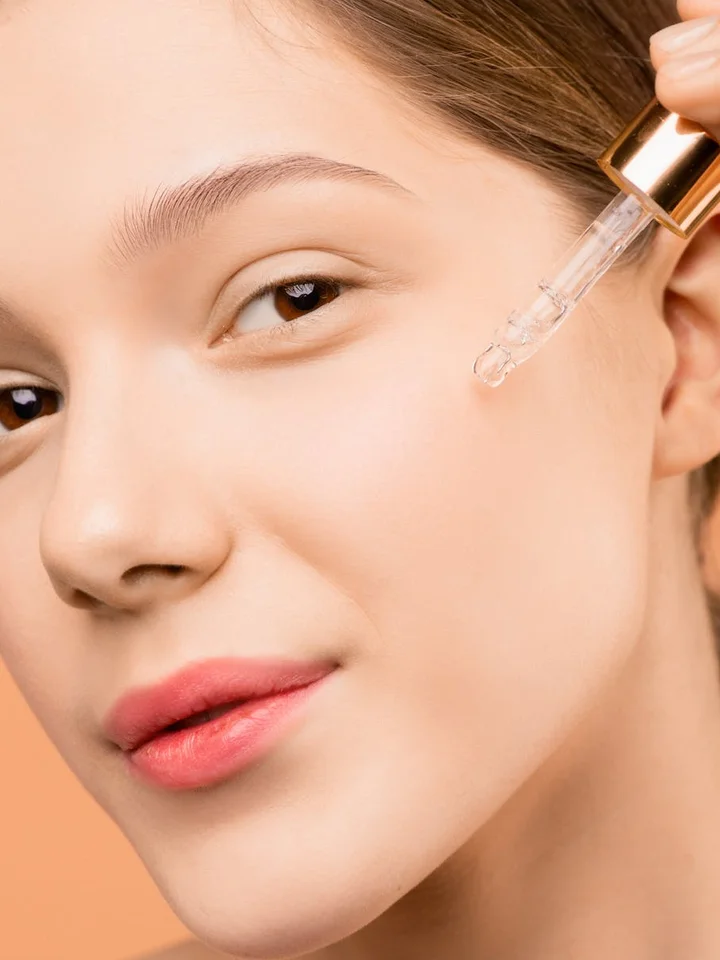
Think of your skincare routine like getting dressed. You start with the lightest layers closest to your skin. This rule ensures each product can penetrate properly and do its job without pilling or feeling sticky.
Glutathione, tranexamic acid, and niacinamide are all water-soluble heroes, so they typically come in lightweight serums. Your goal is to apply them on clean, slightly damp skin.
Here is a simple, effective order for either morning or night:
- Cleanser: Start with a gentle, pH-balanced face wash.
- Toner or Essence (Optional): A hydrating, non-astringent formula can prep your skin.
- Actives Serum: Apply your combined serum or individual serums containing these ingredients. If using separate serums, apply the one with the thinnest, most watery texture first. Wait 60 seconds before the next step.
- Moisturizer: Lock everything in with a cream. For oily skin like Maya’s, a gel-cream works. For dry skin like Noah’s, a richer, barrier-supporting formula is better.
- Sunscreen (AM only): This is your final, non-negotiable layer in the morning.
If your products are separate, a typical order would be: a glutathione or tranexamic acid serum first, followed by a niacinamide serum, as niacinamide often has a slightly more viscous texture. When choosing brightening serum ingredients, prioritize stable, well-tolerated options that pair well together. In the next steps, you’ll find a concise guide on selecting brightening ingredients. The most convenient option is finding a well-formulated serum that combines them for you.
Choosing the Right Time: Morning, Night, or Both?
Your skin repairs and renews itself most actively at night, making this an excellent time to use this brightening trio. They can work in harmony with your skin’s natural renewal cycle without any concern about sun sensitivity from the ingredients themselves, such as alpha arbutin.
Using them in the morning is perfectly safe and effective too. These ingredients are not photosensitizing. I often recommend this for clients who want daytime antioxidant protection and consistent treatment.
The critical factor for morning use is what comes after: a broad-spectrum SPF 30 or higher sunscreen. Sun exposure is a primary driver of pigmentation, so using these brighteners without sunscreen is like mopping the floor with the tap still running. For someone like Lina, who combines oiliness with sensitivity, a lightweight, mineral-based sunscreen can be the perfect final step.
Finding the Sweet Spot: What Concentration Works Best?
More isn’t always better in skincare. Effective concentrations are about balance and tolerability.
- Niacinamide: Look for products with 5% to 10%. Concentrations around 5% are superb for improving barrier function and reducing redness, while 10% is often used for more pronounced oil and pore control. Starting at 5% is a smart move for most people.
- Tranexamic Acid: In over-the-counter products, an effective range is typically between 2% and 5%. It’s a potent ingredient, and you often see great results even at the lower end of that spectrum.
- Glutathione: Topical concentrations can vary. A stabilized form in a serum around 2% is a common and effective starting point.
If you have reactive or sensitive skin like Noah, begin with products at the lower end of these ranges and apply them every other night to assess your skin’s response. Always patch test a new product on your inner arm or behind your ear for 24-48 hours before using it on your face. This combination is generally well-tolerated, but listening to your skin is the most important step of any routine.
Contraindications & Safety Warnings: When to Press Pause

While this trio can be a brightening powerhouse for many, your skin’s current condition is more important than any ingredient combo. Think of your skin barrier as a brick wall; if it’s cracked or missing mortar, adding strong actives can cause more damage than good. Here are specific times to skip this combination and let your skin heal.
Scenarios Where You Should Avoid This Combo
I advise all my clients to press pause on these actives if they notice any of the following. Listen to your skin-it’s smarter than any serum.
- Actively Broken Skin: This means open acne wounds, cuts, scrapes, or freshly picked blemishes. Applying these ingredients to broken skin is a direct ticket to stinging, burning, and potential irritation that slows healing.
- A Severely Compromised Moisture Barrier: Signs include skin that feels tight, looks shiny but feels dry, burns when you apply even gentle products, or is flaky and rough. This is your skin begging for a break. My client Noah experiences this often in winter; using actives during this time always makes his redness worse.
- Immediately After Professional Treatments: If you’ve just had a chemical peel, laser treatment, or microneedling, your dermatologist or esthetician has essentially controlled the damage to renew your skin. Adding these actives too soon can disrupt the healing process and lead to significant inflammation or hyperpigmentation. Always follow your provider’s post-care instructions to the letter.
Your Gentle Alternative Routine
If you’re in any of the above situations, your routine needs to shift from “targeted treatment” to “supportive healing.” This is a time for simple, soothing, and reparative ingredients.
- Cleanser: Use a lukewarm water rinse in the AM and a gentle, creamy, fragrance-free cleanser in the PM. Avoid foaming washes.
- Hydrator: Apply a product with barrier-repairing ingredients like ceramides, panthenol (vitamin B5), or glycerin. These help rebuild your skin’s protective layer.
- Occlusive (at night): Seal everything in with a thin layer of a plain ointment or a balm containing zinc oxide. This creates a protective shield so your skin can focus on repairing itself without interruption.
For a week or two, this simple cleanse-hydrate-protect cycle is more powerful for your long-term skin health than any brightening active. You can revisit the glutathione, tranexamic acid, and niacinamide combo once your skin feels resilient, calm, and no longer reactive.
A Special Note for Pregnancy & Breastfeeding
As a general rule for any new active skincare regimen during pregnancy or while breastfeeding, please consult with your obstetrician or dermatologist first. While topical niacinamide and tranexamic acid are generally considered low-risk, comprehensive safety data for topical glutathione is less established. Your doctor can provide personalized guidance that considers your unique health picture, ensuring the safest approach for you and your baby. When in doubt, opting for a simple, gentle routine focused on hydration and sunscreen is always a wise and effective choice.
Spotting a Good Product and Starting Slowly
My first piece of advice is to keep it simple. Instead of juggling three separate serums, look for a well-formulated product that thoughtfully combines these ingredients. Think of it like finding a pre-made smoothie with all your favorite fruits instead of buying, washing, and blending each one separately. It’s less fuss and often more effective, as the formulation is designed for stability and synergy.
Seeking a combined formula from a reputable, transparent brand is the smartest way to harness the power of this trio without overwhelming your skin or your bathroom shelf.
How to Vet Your Product
Not all multi-ingredient serums are created equal. A good one does more than just list the stars on the label; it supports them. Here’s what I tell clients like Noah, who has reactive skin, to look for:
- Calming Companions: Check the ingredient list for soothers like panthenol (provitamin B5), centella asiatica (cica), or allantoin. These ingredients help cushion the potential initial tingling from niacinamide and support your skin barrier, making the active blend more comfortable.
- Smart Packaging: Glutathione is sensitive to light and air. Look for products in opaque, airtight bottles, often with a pump or dropper that limits exposure. This isn’t just about aesthetics; it’s about preserving the potency of what you paid for.
- Clear Concentrations: Reputable brands often disclose the percentage of key actives, especially niacinamide and tranexamic acid. This transparency helps you understand the product’s strength and compare options.
The Golden Rule: Introduce Slowly
Even the most beautifully formulated product is still new to your skin’s ecosystem. Introducing it correctly is non-negotiable for avoiding irritation and figuring out what truly works for you.
Introduce one new product at a time, always patch test, and give your skin a full 2 to 4 weeks to adjust before you expect to see major results. Retinol can help fade hyperpigmentation as skin turnover occurs, but results are gradual and vary by person. Consistency with retinol use yields the best long-term fade.
Here is a simple, safe start plan:
- Patch Test: Apply a small amount to the inside of your arm or behind your ear for 3-5 nights. Watch for redness, itching, or rash.
- Start Low and Slow: If the patch test is clear, begin by applying the serum just two evenings a week, after cleansing and before moisturizer.
- Listen and Adjust: If your skin feels calm (like Lina’s did after a week), you can gradually increase to every other night, then potentially nightly use. If you feel persistent stinging or see redness, scale back to once a week or pause and reassess with a gentler hydrator.
Remember, consistency with a gentle approach always beats an aggressive start that leads to a damaged barrier. Your skin needs time to trust the new formula and show you what it can do.
Your Questions on Combining These Brighteners, Answered
Can I use this combination if I have sensitive skin?
Yes, you can, but a cautious approach is key. Begin by patch testing and introducing the products slowly, perhaps every other night, to allow your skin to build tolerance without overwhelm.
How long before I can expect to see results?
With consistent use, you may notice initial improvements in skin clarity and hydration within a few weeks. For significant fading of post-inflammatory marks, allow a realistic timeline of 6 to 8 weeks, as cell turnover takes time.
What should I prioritize when choosing a combined serum?
Look for a formula that pairs these actives with soothing allies like panthenol or centella asiatica to support your barrier. Opt for opaque, airtight packaging to ensure the glutathione remains stable and potent from first use to last.
Your Blueprint for Brighter Skin
Yes, you can combine glutathione, tranexamic acid, and niacinamide to tackle stubborn hyperpigmentation effectively and safely. The most important step is to introduce them gradually into your routine, always listening to your skin’s response to prevent irritation and support a healthy barrier.
- Begin with a patch test for any new product, applying it behind your ear or on your jawline for two nights.
- Layer products from thinnest to thickest texture-typically a tranexamic acid or niacinamide serum first, followed by glutathione if separate.
- If your skin feels sensitive, reduce use to every other day and pair with a soothing, barrier-repair moisturizer.
- Apply a broad-spectrum, mineral-based sunscreen every morning without fail; these ingredients increase sun sensitivity.
- Select formulas from brands that are transparent about their cruelty-free and sustainable sourcing.
I’m here to help you navigate these choices with confidence. Follow along on the blog for more practical guides, and please send your questions or share your experiences-like how Lina managed her combination skin with similar actives. Your journey helps us all learn and grow in our skincare practice.
Written by Lucy Zimmerman. Lucy is an expert author and blogger when it comes to skin care and body care. She has first hand expertise acting as skin care consultant for over 5+ years helping her clients achieve smooth blemish free skin with natural and working remedies. She also has been an avid experimenter and tried out all the natural and artificial remedies and treatments so you can learn from her first hand experience. Additionally, she has traveled to many countries around the world and incorporated the skin care routines she has learnt into this blog. So, wait no more, reach out to Lucy if you have any specific needs and follow her blog, LuciDerma for expert skin care advice.