
Niacinamide and Vitamin C: Your Simple Guide to Layering Them Safely
If you’re nervously eyeing your niacinamide serum and vitamin C cream, wondering if they’ll clash, take a deep breath. I’ve helped countless clients, like my cautious friend Noah, combine these without a hitch.
- You’ll understand exactly how niacinamide and vitamin C work together to brighten and calm your skin.
- You’ll learn the straightforward science that debunks the old myth about them not mixing.
- You’ll be able to build a morning or evening routine that uses both for your specific skin concerns.
Let’s get you confidently mixing these powerhouse ingredients.
The Short Answer: Yes, and Here’s Why the Old Myth Is Dead
For years, a stubborn rumor insisted that mixing niacinamide and vitamin C would cancel each other out or create a skin irritant. Let’s put that myth to rest, permanently.
The confusion started from old, outdated studies. These studies looked at pure, unstable forms of the ingredients in extreme lab conditions that don’t mirror your bathroom shelf. Modern, well-formulated skincare products are designed with stability in mind, making that problematic reaction a non-issue for your daily routine.
Using them together is not just safe, it’s a powerful strategy. Think of them as a supportive team where each member has a different, complementary job.
Meet Your Power Players: What Niacinamide and Vitamin C Do Solo
Before we pair them up, let’s understand what each ingredient brings to your skin on its own.
| Ingredient | Core Function | Targets Concerns Like | Common Product Texture |
| Niacinamide (Vitamin B3) | Barrier supporter, soother, regulator | Redness, uneven texture, excess oil, weakened barrier | Lightweight serums, gels, or moisturizers |
| Vitamin C (Ascorbic Acid) | Antioxidant defender, brightener | Dark spots, free radical damage, dullness, fine lines | Lightweight serums (often watery) |
Niacinamide: The Soothing Multitasker
Niacinamide is a form of vitamin B3. I think of it as the reliable friend in your skincare lineup. It doesn’t seek drama, it just helps your skin function better. My client Noah, with his dry, reactive skin, saw a real difference when we added it to calm his flare-ups and strengthen his skin barrier.
Its benefits are impressively broad:
- Strengthens your skin’s moisture barrier, helping it keep hydration in and irritants out.
- Calms inflammation and visibly reduces redness.
- Helps regulate oil production, which can minimize the look of pores.
- Improves an uneven skin texture over time.
It’s remarkably well-tolerated by almost all skin types, making it a fantastic first active ingredient for sensitive or acne-prone skin like my client Maya’s.
Vitamin C: The Brightening Shield
Vitamin C, particularly in its pure form called L-ascorbic acid, is a daytime superhero. Its main job is to neutralize free radicals from UV rays and pollution before they can damage your skin’s collagen and lead to premature aging. When paired with vitamin E and other antioxidants, it helps strengthen the skin barrier and support moisture retention. This synergy boosts resilience against daily environmental stress.
A consistent vitamin C serum does several key things:
- Provides antioxidant protection against environmental stressors.
- Helps fade post-acne marks and sun spots by interrupting pigment production.
- Supports your skin’s natural collagen synthesis.
- Gives your complexion an overall brighter, more radiant look.
Not all vitamin C is created equal. L-ascorbic acid is potent but can be unstable. More stable derivatives like sodium ascorbyl phosphate, magnesium ascorbyl phosphate, or ethylated ascorbic acid (Tetrahexyldecyl Ascorbate) are great options that are gentler and often work well in formulas with niacinamide. If your serum turns a deep yellow or brown, it has oxidized and is no longer effective. A quick L-ascorbic acid properties comparison helps explain why derivatives often balance potency with stability. This side-by-side look also highlights how pH, penetration, and skin tolerance can differ among forms.
The Combined Benefit: Why This Duo Is Greater Than the Sum of Its Parts
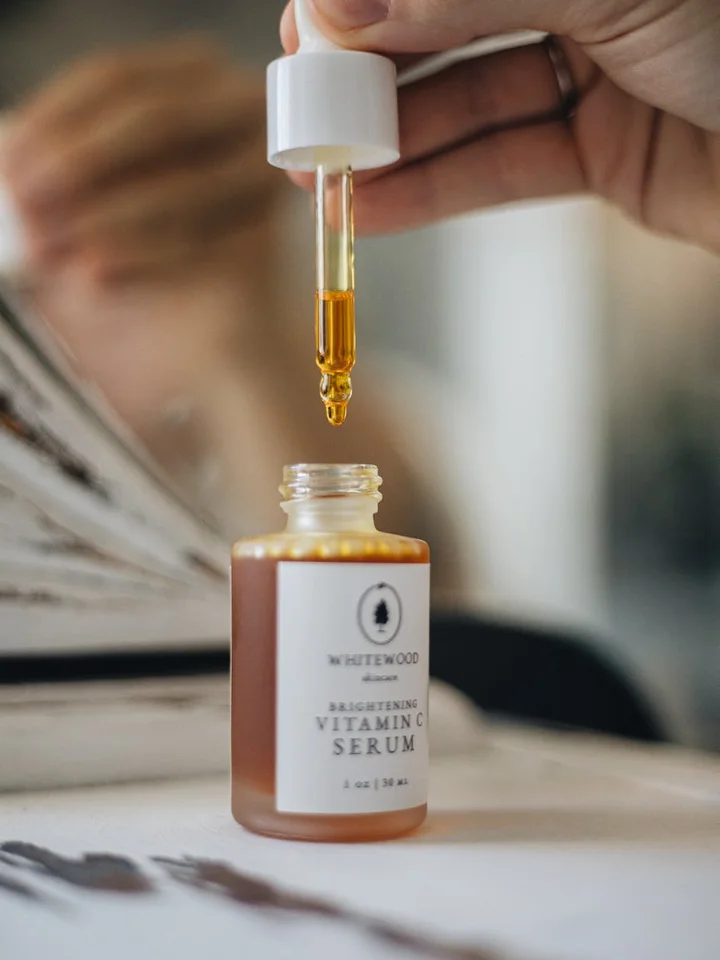
Think of your skin not as a flat canvas, but as a living, multi-layered city. Environmental stressors like pollution and UV rays are constantly trying to break in and cause chaos. This is where our two ingredients become a brilliant defense team.
Vitamin C acts like the dedicated guard at the city gates. It neutralizes free radicals on contact, preventing them from ever breaching the surface and causing damage that leads to premature aging and dullness. Meanwhile, niacinamide is the repair crew working inside the city walls. It focuses on strengthening the skin barrier, reducing inflammation, and improving resilience from within.
Together, they create a powerful cycle of defense and repair. The vitamin C protects the surface so niacinamide can do its restorative work more effectively on a less compromised foundation. This one-two punch means you’re not just preventing damage, you’re actively building healthier, more even-toned skin over time.
Your Perfect Morning Team
This synergy makes them ideal partners for your morning routine. You want that antioxidant shield of vitamin C to be fresh and active as you face the day. Pairing it with niacinamide amplifies its protective effects while simultaneously working on tone and texture.
Here’s a simple way to layer them in the AM:
- Cleanse your face with a gentle, pH-balanced formula.
- Apply your vitamin C serum to dry skin. Let it absorb for 60-90 seconds.
- Follow with your niacinamide serum or moisturizer.
- Always, always finish with a broad-spectrum sunscreen.
My client Lina, who has combination skin, found this morning combination transformative. “The vitamin C gave me a glow I didn’t have to fake with highlighter,” she told me, “and the niacinamide quietly smoothed the little bumps on my forehead within a few weeks. It just felt like my skin was finally working with me.”
If your primary concerns are environmental protection, fading post-acne marks, or achieving a more radiant complexion, this pairing is worth your attention. For my clients like Noah with reactive skin, starting with lower concentrations of both (say, 5% niacinamide and 10% vitamin C) and observing tolerance is a wise, cautious approach that often yields great results without irritation.
How to Layer Them for Maximum Effect (Without the Fuss)
Think of your skincare routine like getting dressed. You wouldn’t put a thick sweater on first and then try to squeeze a thin t-shirt over it. Your skin works the same way. The golden rule for layering any skincare is simple: apply products from thinnest, water-like consistency to thickest, cream-like texture.
Vitamin C serums are typically very lightweight and water-based. Niacinamide serums can be a bit more viscous, or you might find it in a moisturizer. This means Vitamin C usually goes on first.
Here is a straightforward, numbered routine for using them together in the morning, which is ideal for Vitamin C’s antioxidant protection.
- Cleanser: Start with a gentle, pH-balanced face wash.
- Toner or Mist (Optional): Use a simple hydrating toner if it’s part of your routine.
- Vitamin C Serum: Apply a few drops to your entire face, avoiding the immediate eye area.
- Wait 60 seconds. This brief pause lets the Vitamin C serum absorb properly and its pH level do its job without immediately mixing with the next layer.
- Niacinamide Serum: Smooth your niacinamide product over your skin.
- Moisturizer: Lock everything in with your favorite lotion or cream.
- Sunscreen (Non-Negotiable): Finish with a broad-spectrum SPF 30 or higher. This step is critical, as Vitamin C makes your sunscreen work even better.
For my client Noah, who has dry and reactive skin, this deliberate layering with a waiting period prevented any tingling and allowed each product to work without overwhelming his skin barrier.
Formulation Pro-Tip: The Simplest Path Forward
If reading that layering sequence feels like a chore, I have good news. Using a single, well-formulated product that contains both niacinamide and vitamin C is the easiest way to guarantee they work together harmoniously, unlike regular vitamin C derivatives that require careful layering.
Modern chemistry is wonderful. Skincare scientists can now create stable serums that combine these ingredients at effective concentrations and, most importantly, at a balanced pH. This means you get the benefits of both without any guesswork about order, timing, or compatibility. It’s a brilliant one-and-done step.
This is the approach I often recommend to clients like Lina, who loves effective routines but prefers simplicity. A combined serum streamlines her morning, cuts down on product bottles, and removes any risk of user error in application order. Look for stable, airtight packaging (like opaque pump bottles) to ensure your product stays potent.
Who Needs to Be Careful? Spotting and Avoiding Potential Irritation
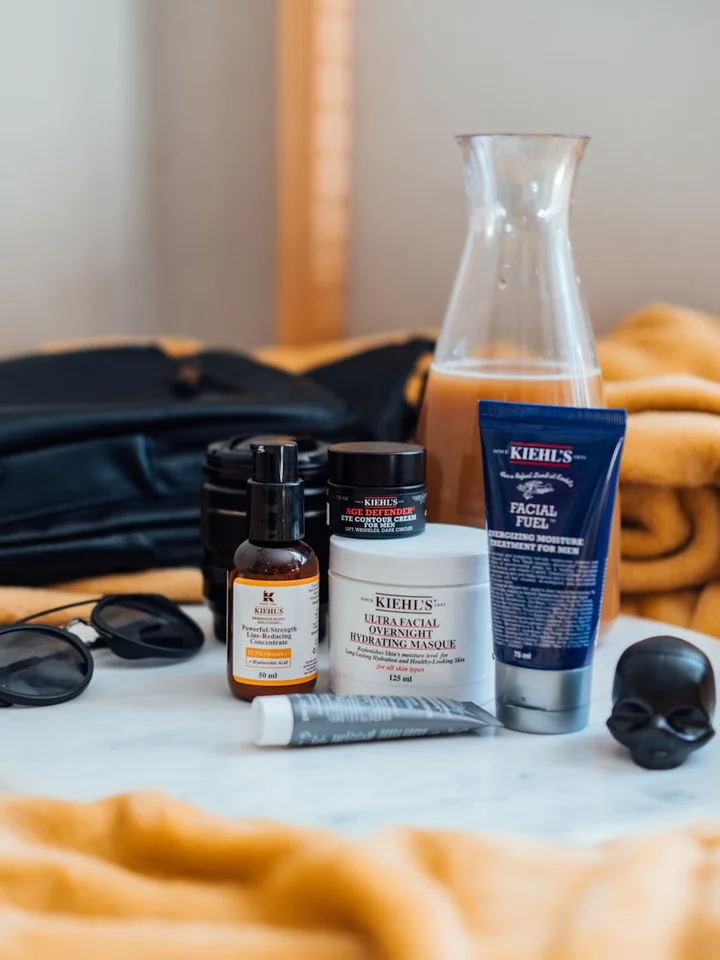
Think of niacinamide and vitamin C like two very capable, eager coworkers. They collaborate beautifully, but if you ask them to do too much too fast, things can get hectic. Both are active ingredients, which means they’re designed to create a change in your skin. Using high percentages of both, or introducing them to skin that’s already stressed, can sometimes lead to sensitivity. That’s where niacinamide usage guidelines come in. They outline safe starting concentrations and how to pair or layer with other actives to minimize irritation.
This is especially true for skin with a compromised barrier. If your skin feels tight, flaky, or reacts easily to new products, its protective outer layer might be weakened. Applying potent actives to vulnerable skin is like seasoning a wound, it will likely sting and slow down real healing. My client Noah, with his dry and reactive skin, always tests one new active at a time for this exact reason.
Recognizing the Signs You’re Overdoing It
Your skin will tell you if it’s unhappy. Listen to it. Irritation from actives typically feels different from the mild tingling you might get with a well tolerated product.
- Stinging or Burning: This isn’t a mild tingle. It’s a pronounced, uncomfortable sensation that lasts more than a minute or two after application.
- Unusual Redness: Look for a blotchy, inflamed redness that wasn’t there before, not to be confused with a gentle flush from massaging your face.
- Peeling or Flaking: Dry, peeling skin when you aren’t using a dedicated exfoliant like a retinol or acid is a classic sign your barrier is protesting.
If you notice any of these, it’s your skin’s signal to pause and simplify. Stop using the new products and return to a basic, soothing routine of a gentle cleanser, a plain moisturizer, and sunscreen until your skin calms down.
Your Safe Start Guide: The Patch Test and Slow Introduction
The golden rule for any new active, especially a dynamic duo, is to introduce it slowly and carefully. Rushing never helps your skin.
First, do a patch test. Apply a small amount of each product (mixed if you plan to layer them) to a discreet area like your inner arm. Wait 24 to 48 hours. If you see no reaction there, you can proceed to your face.
Start with lower concentrations. You don’t need the highest potency to see results. A 5% niacinamide serum and a 10% vitamin C serum are incredibly effective starting points that are far less likely to cause drama.
When you first add them to your routine, use them every other day, not twice daily. You can apply them together in the morning, as suggested. After a week or two with no issues, you can increase to daily use. This gentle approach gives your skin the time it needs to adjust and thrive.
Mixing with Other Actives: Building a Safe and Effective Routine
Once you’re confident using vitamin C and niacinamide, the next logical question is how they fit with other powerhouse ingredients. The goal is to build a routine that works for your skin, not against it.
Can I Mix Niacinamide with Retinol?
Yes, you absolutely can. This is one of my favorite combinations for clients tackling both breakouts and signs of aging. Niacinamide helps reinforce your skin’s barrier, which can make using retinol a smoother, less irritating experience.
The safest way to pair them is to buffer with time, not by mixing them together in your hand. I often suggest a simple split routine: use your vitamin C serum in the morning for antioxidant protection, and team niacinamide with retinol in your evening regimen.
My client Noah, who has dry and reactive skin, found this method transformative. He applies a niacinamide serum, waits a few minutes for it to absorb, and then follows with his retinol. The niacinamide acts like a calming primer, and he experiences far less of the flaking and redness he used to get.
Powerful Antioxidant Partners: Pycnogenol
If you’re looking to supercharge your defense against environmental damage, consider pycnogenol. This plant-based antioxidant is a brilliant team player.
Combining pycnogenol with niacinamide creates a powerhouse for calming inflammation and strengthening the skin’s resilience. Think of it as building a more robust shield. This approach aligns with niacinamide botanical blends for barrier repair, where botanicals and niacinamide work in concert to reinforce the skin’s protective barrier. Such blends can further support moisture retention and resilience against irritants.
Using pycnogenol with vitamin C is a classic antioxidant duo that can help neutralize a broader range of free radicals throughout the day. It’s like having a broader, more effective security net for your skin cells.
A Crucial Note on Application: Layer, Don’t Mix
This is the most common mistake I see. While these ingredients work well together on your skin, avoid the urge to mix pure serums together in your palm before applying.
Each product is formulated at a specific pH and concentration for stability and penetration. Mixing them directly can alter this chemistry, potentially reducing their effectiveness or causing irritation.
Always apply one product, let it dry down completely, and then apply the next. This method of layering gives each active its best chance to work properly. For most skin types, a good rule is to apply products from thinnest consistency to thickest-serum first, then cream.
Morning or Night? How to Schedule Your Power Pair
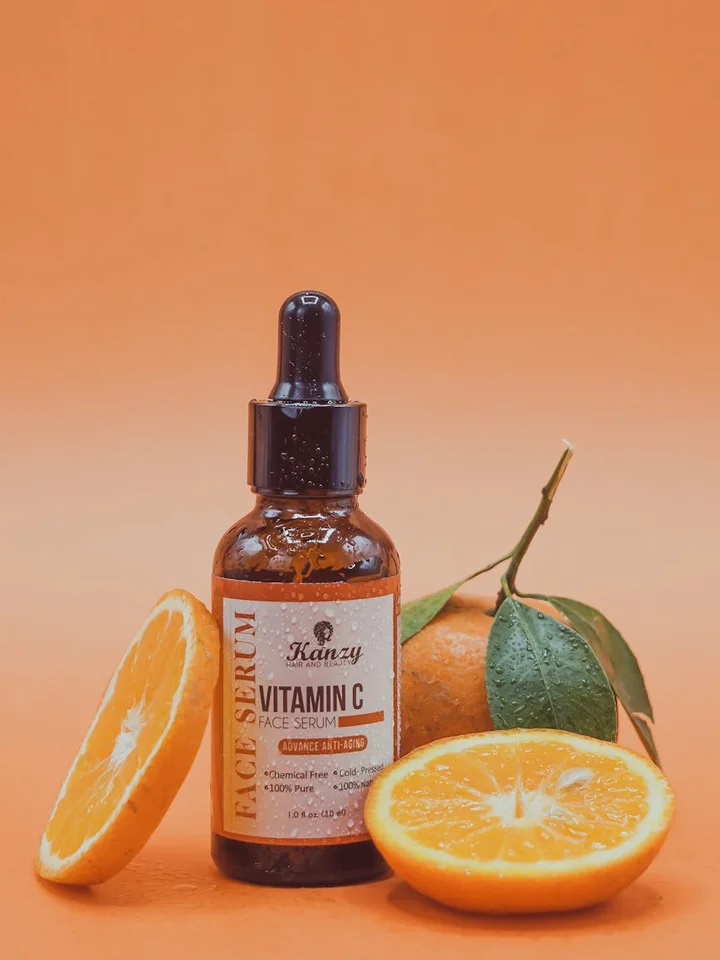
So, you have your bottles lined up on the counter. Now what? The great news is you have options. You can absolutely design your routine around your skin’s needs and your personal schedule.
Can I use niacinamide and vitamin C in the morning?
This is my personal favorite way to use them. Think of it as suiting up your skin for the day ahead. Vitamin C is a brilliant antioxidant, meaning it neutralizes free radicals from pollution and UV exposure before they can damage your skin. Pairing it with niacinamide creates a protective, soothing base that helps your barrier stay resilient against daily stressors.
This morning combination is ideal if your main goals are preventing environmental damage, reducing midday redness, and controlling excess shine. My client Maya, with her oily, acne-prone skin, loves this for keeping her complexion calm and matte without irritation.
Can I use niacinamide and vitamin C at night?
Absolutely. Your skin does its heaviest repair work while you sleep. Using this duo at night allows them to focus on restoration without competing with sunscreen or makeup. The vitamin C can help brighten existing dark spots, while the niacinamide works on strengthening your barrier and calming any inflammation from the day.
An evening application is perfect for dedicated repair work, especially if you have reactive or sensitized skin that appreciates a quiet, treatment-focused routine. This is the strategy my client Noah prefers, as his dry, reactive skin feels soothed and fortified by morning.
Simple Example Routines
Keep it straightforward. Here’s how to build your routine around this powerhouse pair.
For a Protective Morning:
- Cleanser: A gentle, water-based cleanse.
- Toner (Optional): A hydrating, alcohol-free formula if you use one.
- Treatment: Apply your vitamin C serum to slightly damp skin.
- Treatment: Follow immediately with your niacinamide serum.
- Moisturizer: A lightweight gel or lotion.
- Sunscreen: The non-negotiable final step. This locks in the benefits and protects your investment.
For a Repair-Focused Night:
- Cleanser: Start with an oil-based cleanser to remove sunscreen and makeup, then follow with your gentle water-based cleanser.
- Toner (Optional): Again, only if it’s part of your routine.
- Treatment: Pat on your niacinamide serum first. Its barrier-supporting action creates a great base.
- Treatment: Layer your vitamin C serum on top.
- Moisturizer: Seal everything in with a richer cream or facial oil. This is when my client Lina might use a calming oil just on her drier cheeks.
Whichever time you choose, apply your serums to clean, slightly damp skin and let each layer absorb for a minute before adding the next. Consistency is more important than perfection here.
What to Look for in a Combined Product
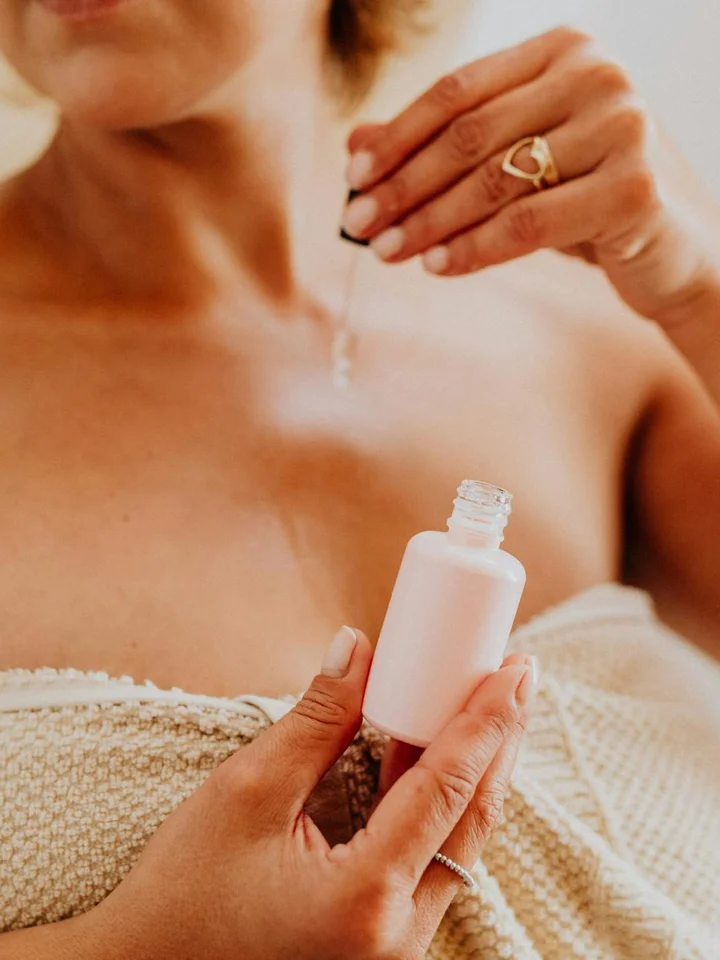
If you prefer a simpler routine or are new to these ingredients, a well-made duo product can be a fantastic starting point. It takes the guesswork out of formulation and layering for you. The key is knowing what makes a formula effective and gentle.
How to Read the Label Like a Pro
Turn the bottle around. The ingredients are listed in order of concentration, from highest to lowest. You want to see niacinamide and a stable vitamin C derivative listed high up, ideally within the first five to seven ingredients. If they’re near the very end, they might not be present in meaningful amounts.
Watch for potential irritants that could counteract the soothing benefits of niacinamide. High concentrations of alcohol, strong synthetic fragrances, or certain essential oils can be problematic for sensitive skin types like Noah’s.
Smart Ingredient Combinations
For most people, the goal is effectiveness without irritation. Here’s what I typically look for:
- Vitamin C Form: Seek out stabilized derivatives like Tetrahexyldecyl Ascorbate, Magnesium Ascorbyl Phosphate, or Sodium Ascorbyl Phosphate. These are less acidic than pure L-ascorbic acid, so they’re gentler and often play nicer with other ingredients in a shared formula.
- Niacinamide Percentage: Research shows benefits start at around 5%. This concentration is effective for improving barrier function and reducing redness without being overwhelming. A combined product with 5% niacinamide paired with a stabilized vitamin C is a gentle yet powerful combo.
Think of it like this: you want a calm, focused team in one bottle, not two star players that might argue.
Aligning with Your Values
Your skin’s health and your ethical choices shouldn’t be separate. Always look for the Leaping Bunny certification or a clear “cruelty-free” statement to ensure no animal testing was involved. I also recommend fragrance-free formulas. Synthetic fragrance is a common irritant with no skin benefit, and skipping it makes a product suitable for almost everyone, especially those with reactive or sensitive skin.
My client Lina, who has combination, sensitive skin, had much better luck with a fragrance-free, combined serum. She got the brightening and pore-refining effects without the cheek redness she sometimes experienced from scented products.
Before using any new product, do a patch test behind your ear or on the inner arm for a few days. This helps you see how your unique skin responds before applying it to your entire face.
The Esthetician’s Mixing Guide: What to Pair and What to Pause
Think of your skincare routine like a team. Some ingredients are best friends who work better together. Others need a little space, and a few just shouldn’t share the same locker room. This guide helps you figure out who gets along.
| Combination | Category | The Esthetician’s Note |
| Niacinamide + Vitamin C | Go Ahead | This is a power duo. Older studies suggested they might not mix, but current evidence shows they are stable and effective together. Niacinamide calms inflammation while Vitamin C brightens, making them a fantastic team for tackling dullness and redness. |
| Niacinamide + Retinol | Proceed with Care (PM only) | You can use them together, but with strategy. Niacinamide can actually help soothe potential retinol irritation. Apply your niacinamide serum first, wait a minute for it to absorb, then follow with your retinol. This pairing is for evening use only, as retinol breaks down in sunlight. |
| Pycnogenol + Hyaluronic Acid | Go Ahead | A hydrating dream team. Hyaluronic Acid pulls water into the skin, and the potent antioxidant Pycnogenol helps lock it in by strengthening skin barriers. This combo is perfect for my client Noah, who needs deep, calming hydration for his dry, reactive skin. |
| Vitamin C + Sunscreen (AM) | Go Ahead | This is a non negotiable morning partnership. Vitamin C provides antioxidant protection against daily environmental damage, and sunscreen provides the physical block. Applying Vitamin C under your sunscreen boosts your overall defense against UV rays and pollution. |
| AHA/BHA (like Glycolic or Salicylic Acid) + Retinol | Avoid (in the same routine) | This is asking for trouble. Both are potent exfoliants. Using them together, especially if you’re new to either, can severely compromise your skin barrier, leading to redness, peeling, and major sensitivity. Use them on alternating nights. |
| Benzoyl Peroxide + Retinol | Avoid (in the same routine) | Benzoyl peroxide can oxidize and deactivate retinol, making both ingredients less effective. If you use both, apply benzoyl peroxide in the morning and retinol at night to keep them separate and working for you. |
| Peptide + Almost Anything | Go Ahead | Peptides are the agreeable team players of skincare. They help support skin structure and generally play well with other actives like antioxidants (Vitamin C), hydrators (Hyaluronic Acid), and even retinols, without causing irritation. |
The golden rule for any new combination? Listen to your skin. If you feel new stinging, redness, or tightness, simplify your routine. Always patch test a new pairing on a small area of your jawline or inner arm for a few nights before applying it to your entire face. Your skin’s comfort is the ultimate guide.
Your Quick Questions on Niacinamide & Vitamin C, Answered
Does niacinamide cancel out vitamin C?
No, this is an outdated myth based on old lab studies. Modern, well-formulated skincare products are designed to be stable and work together effectively on your skin.
What’s the best time to use them: morning or night?
Morning is ideal for pairing them, as vitamin C provides antioxidant protection against daily environmental damage. However, using them at night is also perfectly fine for focused repair and brightening work while you sleep.
Should I use separate serums or a combined product?
You can do either. Using separate serums allows for customization, but a single, well-formulated product containing both guarantees stability and simplifies your routine beautifully.
Final Thoughts on Pairing Niacinamide and Vitamin C
You can absolutely use niacinamide and vitamin C together, and when you do it right, your skin gets the best of both brightening, protective worlds. Think of them as a powerful team in your routine, not rivals. Together, they offer a niacinamide vitamin C brightening effect that helps even skin tone. It’s a simple way to boost glow without overloading your regimen.
- Apply your vitamin C serum first in the morning on clean, dry skin, then follow with your niacinamide.
- Look for stable, well-formulated products from brands you trust to avoid unnecessary irritation.
- Never forget that sunscreen is the non-negotiable final step to protect all your hard work.
- If your skin is sensitive, start by using them on alternate days or opt for a combined serum.
- Listen to your skin; a little tingling is normal with vitamin C, but persistent redness means to pull back.
If you have more questions about layering these ingredients or building your routine, send them our way. We’re here to help you navigate your skin care journey with clear, practical advice you can trust.
Written by Lucy Zimmerman. Lucy is an expert author and blogger when it comes to skin care and body care. She has first hand expertise acting as skin care consultant for over 5+ years helping her clients achieve smooth blemish free skin with natural and working remedies. She also has been an avid experimenter and tried out all the natural and artificial remedies and treatments so you can learn from her first hand experience. Additionally, she has traveled to many countries around the world and incorporated the skin care routines she has learnt into this blog. So, wait no more, reach out to Lucy if you have any specific needs and follow her blog, LuciDerma for expert skin care advice.