
Centella Asiatica vs. Madecassoside vs. Asiaticoside: Choosing the Right Cica for Your Skin
If the terms Centella Asiatica, madecassoside, and asiaticoside leave you scratching your head at the skin care aisle, take a deep breath. I help clients like you sort through these ingredients every week to find what actually works.
- How Centella Asiatica works: You’ll see why the whole plant extract is a soothing powerhouse for irritated or compromised skin.
- Where madecassoside shines: You’ll learn how this isolated compound targets redness and reinforces your skin’s delicate barrier.
- What asiaticoside does best: You’ll understand its role in encouraging collagen production to help with fine lines and scarring.
- How to pick your winner: You’ll get my straightforward advice on selecting a derivative based on your specific skin type and concerns.
Let’s simplify the science so you can make a choice that truly benefits your skin.
The Cica Family: Meet the Soothing Superstars
Think of Centella asiatica, often called Gotu Kola or simply “cica,” as a wise, ancient herbalist. For centuries, this humble plant has been used in traditional medicine for its remarkable ability to help skin heal. The whole plant is like a complex, natural pharmacy, packed with a blend of beneficial compounds working together.
Modern skincare science takes this a step further. Researchers can now isolate and purify specific, powerful molecules from the plant. These are the active derivatives. Using them is like choosing a precise, specialized tool from a trusted toolbox instead of using the entire tool chest. You get more targeted action for your specific skin concern.
Your goal dictates your tool: general daily support, putting out an inflammatory fire, or directing long-term repair.
Your Molecule Spec Sheet: A Side-by-Side Comparison
This table cuts through the confusion. It shows you exactly what each derivative does and when to reach for it.
| Derivative | What It Is | Best For This Goal | Think of It Like… |
|---|---|---|---|
| Centella Asiatica Extract | The full-spectrum plant juice. | General calming, antioxidant support, daily barrier maintenance. | A nourishing, homemade broth with a bit of everything. |
| Madecassoside | A purified, potent anti-inflammatory molecule. | Quelling acute redness, irritation (like Noah’s reactive flares), post-procedure soothing. | A targeted, cooling ice pack for an inflamed spot. |
| Asiaticoside | A purified molecule that signals skin to rebuild. | Supporting collagen, wound healing, addressing textural signs of aging. | A gentle foreman directing construction crews to repair and reinforce. |
Key Specs for Formulators & Curious Minds
- pH Range: All are stable and effective in the skin-friendly pH range of 4-7.
- Safe Concentration: Centella Extract is often used at 1-10%. Madecassoside is potent at 0.1-1%. Asiaticoside is effective around 0.1-2%.
- Solubility: These derivatives are water-soluble, making them perfect for serums, toners, and light gels.
- Safety Profile: Excellent. Sensitization is rare, but as with any ingredient, patch testing is a wise first step for reactive skin types.
How Do Their Key Differences Affect Your Formula?
You might be wondering what these differences mean for your skin or your skincare product. The practical implications boil down to three things: how deep they go, what they cost, and how specific their job is.
First, let’s talk molecular size. Madecassoside and Asiaticoside are smaller, purified molecules. Their smaller size can mean better, more consistent penetration into the skin to deliver their targeted effects where needed. The full extract contains these molecules too, but blended with other plant compounds that may not penetrate as easily, offering more of a surface-level, holistic benefit.
For large-scale production, purity equals cost. Isolating a single molecule like madecassoside is more expensive than using the whole plant extract. This is why you’ll often see pure madecassoside or asiaticoside featured as star ingredients in focused treatments, while the full extract provides a cost-effective, broad-spectrum base in daily moisturizers or toners.
Finally, think about specificity. Madecassoside is a targeted specialist for inflammation. If Noah’s skin is having a reactive flare, a product high in madecassoside is his direct line to relief. Asiaticoside is the specialist for signaling repair. Centella Asiatica Extract, however, is the trusted generalist-it does a little bit of everything well, making it ideal for everyday maintenance and prevention. Choosing the right one means matching the ingredient’s specialty to your skin’s current need.
Matching the Molecule to Your Skin Goal
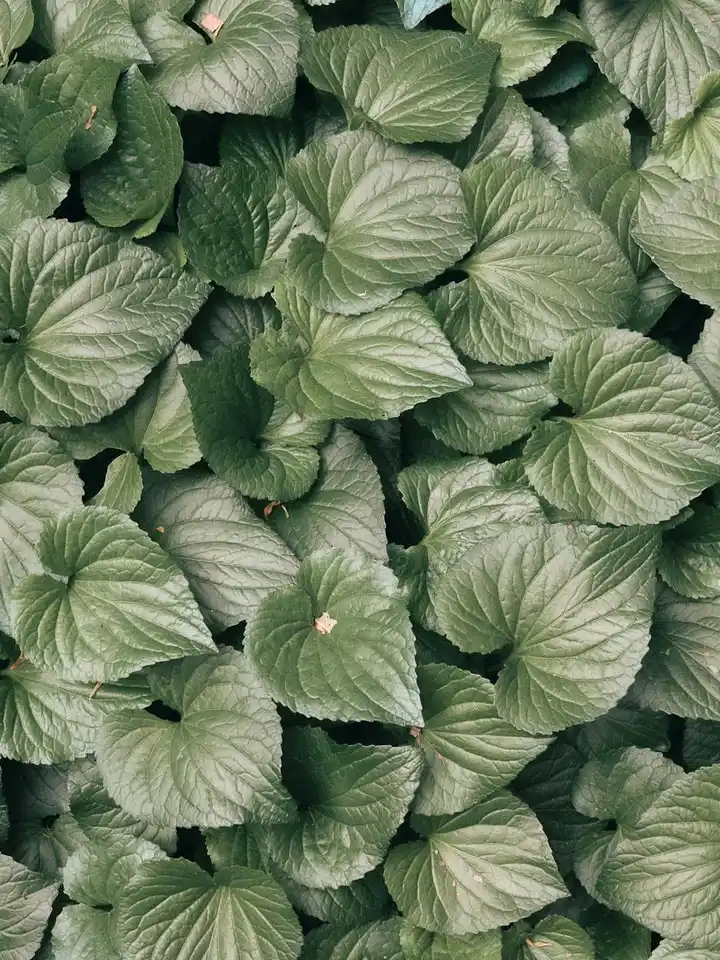
Think of these cica derivatives as specialists on a skin care team. You wouldn’t send a plumber to fix your wiring. Choosing the right one depends on what you need to accomplish.
For Soothing a Fiery, Irritated Complexion
If your skin feels hot, looks red, or reacts at the slightest provocation, you need the firefighter of the group. Madecassoside is the most targeted derivative for calming acute inflammation and reducing visible redness. Its anti-inflammatory properties are exceptionally strong and well-documented.
I think of my client, Noah. His dry, reactive skin flared up after trying a new exfoliant. A serum formulated with a high percentage of purified madecassoside was the turning point. It didn’t just add moisture it actively quieted the irritation, making his skin receptive to healing again.
For maximum soothing power, look for it paired with other barrier-repair allies:
- Panthenol (Provitamin B5): Acts like a deep drink of water for angry skin, enhancing hydration and repair.
- Oat Extract: Provides an instant, comforting feel and reinforces the skin’s protective shield.
For Boosting Repair and Firmness (Healing & Anti-Aging)
When your goal is to heal damage, smooth texture, or encourage firmer skin, you need the architect who rebuilds. Asiaticoside is the key player for directly stimulating your skin’s repair machinery, including collagen synthesis. It’s excellent for addressing the signs of aging and the aftermath of breakouts.
Its proven role in wound healing makes it brilliant for fading post-blemish marks. For someone like Maya, who manages acne-prone skin, a product with asiaticoside can help those dark spots fade faster by supporting the skin’s natural renewal process as it heals, especially when combined with treatments like adapalene for acne scars.
To build a powerful anti-aging or reparative routine, combine asiaticoside with these partners:
- Peptides: These act as messengers, signaling your skin to produce more collagen, working in concert with asiaticoside’s repair actions.
- Stable Vitamin C (like Tetrahexydecyl Ascorbate): Provides antioxidant protection and brightening, creating a comprehensive approach to improved texture and resilience.
For Everyday Barrier Support and Prevention
Not every day is an emergency. For maintaining happy, resilient skin and preventing issues, you want the general practitioner. Full-spectrum Centella Asiatica extract is the ideal foundational “cica” for daily use. It offers balanced hydration, antioxidant protection, and mild soothing.
It’s perfect for someone like Lina, who has combination skin. It provides lightweight support without overwhelming her oilier T-zone or neglecting her drier cheeks. Think of it as a daily multivitamin for your skin barrier. This extract contains a natural mix of beneficial compounds, including smaller, supportive amounts of madecassoside and asiaticoside, giving you well-rounded benefits.
Formulation Fundamentals: Stability, Concentration, and Compatibility
Knowing which molecule to use is half the battle. The other half is ensuring it stays effective in the bottle and works well with your other products.
Keeping Your Actives Happy and Effective
Stability is what makes an ingredient work when it touches your skin. Among these derivatives, purified madecassoside and asiaticoside are generally quite stable. They perform best in formulas with a pH close to your skin’s natural level (around 4.5 to 5.5). To protect any antioxidant compound, opaque, airtight packaging like an airless pump is always a good sign.
Concentration matters. Here are typical effective ranges you might see in quality formulations:
- Madecassoside: 0.1% to 1% is often sufficient for noticeable soothing.
- Asiaticoside: Often used in concentrations around 0.1% to 0.5% in leave-on products.
- Centella Asiatica Extract: Can vary widely, but look for it high in the ingredients list (often at 5% or more) for a substantive effect.
Compatibility is key for a peaceful routine. All cica derivatives play nicely with most common hydrators and soothing agents.
- Safe Pairings: Niacinamide, hyaluronic acid, and gentle exfoliants like polyhydroxy acids (PHAs) are excellent companions.
- Use Caution With: Be mindful when layering with very low-pH actives like direct L-ascorbic acid or high-percentage AHAs/BHAs. Applying your cica product first, allowing it to absorb, and then applying a potent acid can help minimize potential irritation.
Sensitivities and What to Look For on a Label
Cica ingredients are celebrated for their gentleness, but no ingredient is 100% non-reactive. True allergies to Centella Asiatica itself are rare but possible. Always patch test a new product, especially if you have known plant allergies and are trying ingredients that can cause purging or irritation.
Reading the INCI (International Nomenclature of Cosmetic Ingredients) list is your superpower. Look for:
- Centella Asiatica Extract (the whole plant infusion)
- Madecassoside (the purified soothing compound)
- Asiaticoside (the purified repairing compound)
To maximize the gentle potential of any cica product, I advocate for formulations that skip unnecessary fragrances and high concentrations of drying alcohol. A fragrance-free, ethanol-free formula lets the healing properties of cica shine without potential interference.
Derivatives & Alternatives: Expanding Your Soothing Ingredient Toolkit
While cica and its derivatives are fantastic, they’re part of a bigger family of calming agents. Think of them as a specialized tool in your kit, not the entire toolbox. Knowing when to reach for a different tool-or combine them-gives you more control over your skin’s comfort.
Meet the Other Soothers
Let’s briefly meet three other reliable ingredients you’ll often see in calming formulas.
- Panthenol (Provitamin B5): This is a humectant and skin protectant. It draws water into the skin and helps support barrier function. It feels slightly viscous, like a light syrup.
- Bisabolol: Derived from chamomile, this is a direct anti-irritant. It works to calm the initial flare of redness and discomfort. It’s often used in formulas for reactive or post-procedure skin.
- Oat Beta-Glucan: This is like a protective, cushiony blanket for your skin barrier. It forms a soothing film that helps shield skin from external stressors while it heals.
How to Choose: Cica vs. The Alternatives
This isn’t about which one is “best,” but which one is right for the job at hand. Sometimes you need a targeted approach, other times a team effort.
Choose a cica derivative (like madecassoside) when you need targeted wound-healing and antioxidant support. Understanding tretinoin skin barrier function helps explain why this approach works. It supports barrier resilience during treatment. For my client Noah, who gets dry, flaky patches from tretinoin, a serum with a high concentration of madecassoside directly on those spots helps calm the micro-tears in his barrier faster than a general moisturizer.
Layer panthenol with cica for dehydration alongside irritation. If your skin is both red and tight, this combo is brilliant. Panthenol pulls in hydration, while the cica derivative addresses the inflammatory response. A moisturizer containing both can be perfect for Lina’s sensitive cheeks.
Reach for bisabolol for immediate, surface-level reactive calming. If you’ve had a minor reaction to a new product or your skin feels hot and itchy, a product featuring bisabolol can feel like an instant cool compress. It’s excellent in a toner or mist for a quick reset.
Use oat beta-glucan as a protective base layer for chronically sensitive or compromised skin. This is the ingredient I often suggest as a first step back into active routines. Before reintroducing a retinoid or acid, using a simple oat beta-glucan serum for a week can help fortify your skin’s defenses, making it less likely to react.
The Bigger Picture: No Magic Bullets
I once worked with a client who was convinced that finding the “one perfect ingredient” would solve her rosacea. For rosacea-prone skin, formulation matters as much as ingredients. The right layering often beats chasing a single “perfect” ingredient. We tried many wonderful single ingredients, but what finally worked was a carefully layered routine that included a cica derivative for healing, oat for protection, and bisabolol for acute flares.
Skin health is built by thoughtful formulation and consistent care, not by a single superstar component. A product that artfully blends madecassoside with panthenol and ceramides will almost always be more effective for a damaged barrier than a single-ingredient solution. Different ceramide types and their concentrations can influence how effectively they reinforce the barrier. Choosing the right ceramide type and concentration helps tailor protection for your skin’s unique needs. Your goal is to support your skin’s entire ecosystem.
Look for products that pair these soothers with other barrier-supporting ingredients like ceramides and fatty acids. Ceramides come in several types, each supporting the skin barrier in different ways. This holistic approach is what truly helps skin become resilient over time. Start by identifying your primary concern—is it healing, protecting, or instant calming—and let that guide your first choice.
Your Quick Guide to Cica Derivatives
Can I use Centella Asiatica, Madecassoside, and Asiaticoside together?
Absolutely, and they often work best as a team. A full-spectrum Centella extract provides a supportive base, while adding purified Madecassoside and Asiaticoside can amplify targeted soothing and repair for a comprehensive formula. Together, they’re particularly helpful for sun-damaged skin, supporting repair after UV exposure. This makes the formula well-suited for rebuilding a resilient skin barrier.
Are there any medication interactions or specific contraindications to know about?
While topical use is generally very safe, individuals on blood-thinning medications should consult a doctor before using high-concentration products, as Centella may have mild blood-thinning properties. Always disclose all skincare products to your healthcare provider.
Which derivative offers the best “value” for general skin health?
For most people seeking daily resilience and preventive care, a well-formulated Centella Asiatica extract is the most cost-effective multitasker. It delivers a balanced blend of benefits, making it an excellent foundational ingredient for maintaining a strong, calm barrier. Consider combining Centella Asiatica actives with complementary ingredients to tailor resilience. This approach keeps it a foundational option while expanding its preventive benefits.
Building Your Cica Routine
The right cica derivative for you isn’t about finding the “best” one, but the most fitting one for your skin’s current chapter. Match the ingredient’s superpower to your primary skin goal, and you’ll see calmer, more resilient skin.
- Reach for centella asiatica extract or cica cream for overall soothing and strengthening your skin’s daily defense.
- Choose madecassoside when you need targeted, powerful relief for reactive, inflamed, or compromised skin.
- Select asiaticoside to support your skin’s natural healing process and improve the look of marks left behind.
- Remember, you can absolutely layer these derivatives, starting with a targeted serum and following with a broader soothing moisturizer.
- Always patch test any new product, especially if your skin tends to be sensitive like Noah’s.
If you’re still weighing options, remember that our community at LuciDerma is here to help. Share your questions or your own cica experiences with us. Caring for your skin is a personal journey, and having clear information on what you’re applying makes all the difference.
Deep Dive: Further Reading
- r/AsianBeauty on Reddit: [Discussion] Centella asiatica and madecassoside!
- Therapeutic properties and pharmacological activities of asiaticoside and madecassoside: A review – PMC
- Comparative pharmacokinetics between madecassoside and asiaticoside presented in a standardised extract of Centella asiatica, ECa 233 and their respective pure compound given separately in rats – PubMed
- Madecassoside – the real hero in Centella Asiatica “Cica” Skincare
- Actions and Therapeutic Potential of Madecassoside and Other Major Constituents of Centella asiatica: A Review
- What is Madecassoside & Benefits | La Roche-Posay Australia
Lucy Zimmerman
Lucy is an expert author and blogger when it comes to skin care and body care. She has first hand expertise acting as skin care consultant for over 5+ years helping her clients achieve smooth blemish free skin with natural and working remedies. She also has been an avid experimenter and tried out all the natural and artificial remedies and treatments so you can learn from her first hand experience. Additionally, she has traveled to many countries around the world and incorporated the skin care routines she has learnt into this blog. So, wait no more, reach out to Lucy if you have any specific needs and follow her blog, LuciDerma for expert skin care advice.