
Ceramides vs. Cholesterol: Your Practical Guide to Skin Barrier Health
If you’re comparing ceramides and cholesterol for skin repair, you’re already on the right track to calming dryness or sensitivity. I see this confusion often in my practice, and I’ll help you sort it out with clear, evidence-based guidance.
By the end of this article, you will know:
- The unique roles ceramides and cholesterol play in holding your skin’s moisture barrier together.
- Why using them in balance is non-negotiable for healing a compromised barrier, whether your skin is like Noah’s (dry and reactive) or Maya’s (oily and acne-prone).
- How to identify and select sustainable, cruelty-free products that effectively support your skin’s specific needs.
You’ll have the knowledge to care for your barrier with confidence.
Ceramides and Cholesterol Explained: Your Skin’s Building Crew
Let’s clear up the jargon first. When we talk about ceramides and cholesterol in skincare, we’re not discussing diet or complex lab experiments. We’re talking about the fundamental building blocks your skin needs to stay healthy, hydrated, and protected. Think of them as the specialized construction crew for your skin’s most important wall.
Your skin has a barrier, often called the lipid barrier. This isn’t a solid sheet. It’s more like a meticulously built, microscopic brick wall that sits at the very top of your skin. This wall’s job is to keep the good stuff (like water) in and the bad stuff (like pollutants and irritants) out. When this wall is weak or has gaps, you get dryness, sensitivity, redness, and that tight, uncomfortable feeling.
Here’s where our building crew comes in. In this skin barrier wall, ceramides are the bricks-they provide the core structure and strength. Cholesterol, along with fatty acids, is part of the mortar. It’s the sticky, flexible grout that holds the ceramic bricks tightly together and seals any tiny gaps to keep everything locked in place. You need both a sturdy brick and a good sealant to have a strong wall.
This directly answers a common question: what are ceramides and cholesterol in the context of skin? They are natural fats (lipids) your skin produces to form its protective shield. Using skincare with these ingredients is like sending in reinforcements to repair and maintain that shield, especially when your skin’s natural supply is low.
The Molecule Spec Sheet: A Quick Comparison
This table breaks down their key specs so you can see how these teammates compare side-by-side.
| Feature | Ceramides | Cholesterol |
|---|---|---|
| Main Job in Skin | Structural ‘brick’ | ‘Mortar’ & sealant |
| pH Compatibility | Stable across skin’s pH (4.5-5.5) | Stable across skin’s pH (4.5-5.5) |
| Typical Product Concentration | 0.1% – 5% | 0.5% – 5% |
| Solubility | Lipid-soluble, often in emulsions | Lipid-soluble, often in emulsions |
| Safety Profile | Excellent, well-tolerated | Excellent, well-tolerated (topical skincare cholesterol is not dietary cholesterol) |
Both are considered exceptionally safe, foundational ingredients that are crucial for all skin types, especially when your barrier feels compromised. If you have reactive skin like my client Noah, seeing these on a label is a good sign that a product is designed to support and soothe, not provoke.
How Their Chemical Blueprints Dictate Their Jobs
You don’t need a chemistry degree, but understanding their basic shapes explains why they have different roles. It’s like knowing a flat-head screwdriver is for slotted screws and a Phillips is for cross-head screws. The shape defines the function.
Ceramide molecules are long and chain-like. Picture a stretched-out strand of spaghetti. This long, straightish shape allows them to stack neatly and tightly alongside each other, forming that orderly, strong brick wall in your skin’s barrier.
Cholesterol has a completely different blueprint. Its core is made of several rigid, interlocked rings-imagine a sturdy, compact piece of Lego. This unique, bulky shape prevents the other lipids from packing too tightly. Cholesterol’s rigid, multi-ring structure adds crucial flexibility to the barrier and helps organize all the lipids into a functional, protective layer. Without it, the wall would be too brittle and prone to cracking.
So, how do ceramides and cholesterol differ in their chemical structure? Simply put, ceramides are long chains for structure, and cholesterol is a rigid multi-ring for organization and flexibility. Their distinct physical blueprints are why your skin needs both to build a barrier that’s both strong and adaptable.
The Day-to-Day Duties: What Each One Does for Your Skin

Think of your skin’s top layer, the stratum corneum, as a wall. This wall keeps the good stuff (water) in and the bad stuff (pollutants, allergens) out. Ceramides and cholesterol are two of the most important building materials for that wall, but they have very different jobs.
Ceramides: The Security Detail
If skin cells are the bricks, ceramides are the sturdy mortar that locks them tightly together. I think of them as a dedicated security team for your complexion. Cetaphil ceramide-rich products are among those aimed at skin barrier repair. They help replenish ceramides and restore moisture, supporting the protective shield your skin needs.
- They hold skin cells together, preventing cracks and gaps. A weak mortar line lets bricks shift and water seep through. Similarly, when ceramide levels drop, skin cells become loose and flaky, leading to visible dryness, roughness, and that uncomfortable tight feeling.
- They are your primary defense against moisture loss. This is the answer to “What is the role of ceramides in maintaining skin hydration?” They are the main barrier to Transepidermal Water Loss (TEWL), which is just a scientific term for water evaporating out of your skin into the air. My client Noah, with his dry, reactive skin, noticed his flakiness calmed down significantly once we incorporated a ceramide serum into his routine because it helped his skin hold onto its precious water content.
- They shield against daily environmental irritants. A strong, cohesive barrier is harder for pollution particles, allergens, and even some bacteria to penetrate. This makes ceramides a superstar for anyone with sensitivity or conditions like eczema.
What are the primary functions of ceramides in the skin barrier? In short, they bind, they seal, and they protect. They are the structural glue and the primary moisture gatekeeper. Different ceramide types bolster distinct aspects of barrier function, shaping both firmness and hydration. Understanding their roles helps explain how the skin stays resilient and hydrated.
Cholesterol: The Flexible Fixer
Cholesterol is the unsung hero of skin barrier health. It doesn’t get the same buzz as ceramides, but your barrier would be a rigid, brittle mess without it. Even when layering ceramides with peptides, cholesterol plays a crucial role.
- It fills the microscopic gaps between ceramides for a seamless, impermeable seal. Even the best mortar has tiny spaces. Cholesterol molecules slide into those spaces, ensuring there are no weak points for water to escape or irritants to enter.
- It maintains barrier fluidity so your skin can move and flex without cracking. Imagine a brick wall that could bend without crumbling-that’s what cholesterol does. It keeps the lipid layers supple. This is crucial for areas like around your eyes and mouth, which are constantly in motion.
- It acts as a repair signal, telling your skin to make more barrier lipids. This is a fascinating function. Cholesterol isn’t just a building block; it’s a messenger. When you apply it topically, it can help “wake up” your skin’s own repair mechanisms to produce more of what it needs to heal itself.
What are the primary functions of cholesterol in the skin barrier? It seals gaps, provides flexibility, and communicates the need for repair. It’s the adaptable filler and the clever foreman of the construction site.
Why Your Skin Needs This Perfect Partnership
Ceramides and cholesterol are a package deal. Using just one is like having a pile of bricks without mortar, or a tub of mortar without bricks-neither will build a functional wall.
They work in a precise, synergistic ratio, often called the “lipid ratio.” Research suggests skin repairs itself most effectively with a mixture of about three parts ceramides to one part cholesterol to one part free fatty acids. This 3:1:1 ratio is the gold standard for barrier recovery. A formula with this balance mimics your skin’s natural composition, so it knows exactly how to use the ingredients.
This is why I often recommend looking for a barrier repair cream or serum that lists all three types of ingredients. I guided Lina, who has combination skin, toward a moisturizer with this complete blend. It helped soothe her sensitive cheeks without clogging her T-zone because it supported her skin’s own function rather than just sitting on top of it. For a compromised barrier, a product containing ceramides, cholesterol, and fatty acids together is often more effective than a product with just one.
How do ceramides and cholesterol work together in skin barrier repair? Ceramides provide the sturdy structure, cholesterol fills in and flexes with it, and together they create a resilient, impermeable shield that actively encourages your skin to heal. They are the ultimate skin power couple, especially when combined with peptides for enhanced barrier repair.
Spotting the Signs: When Your Skin is Missing One
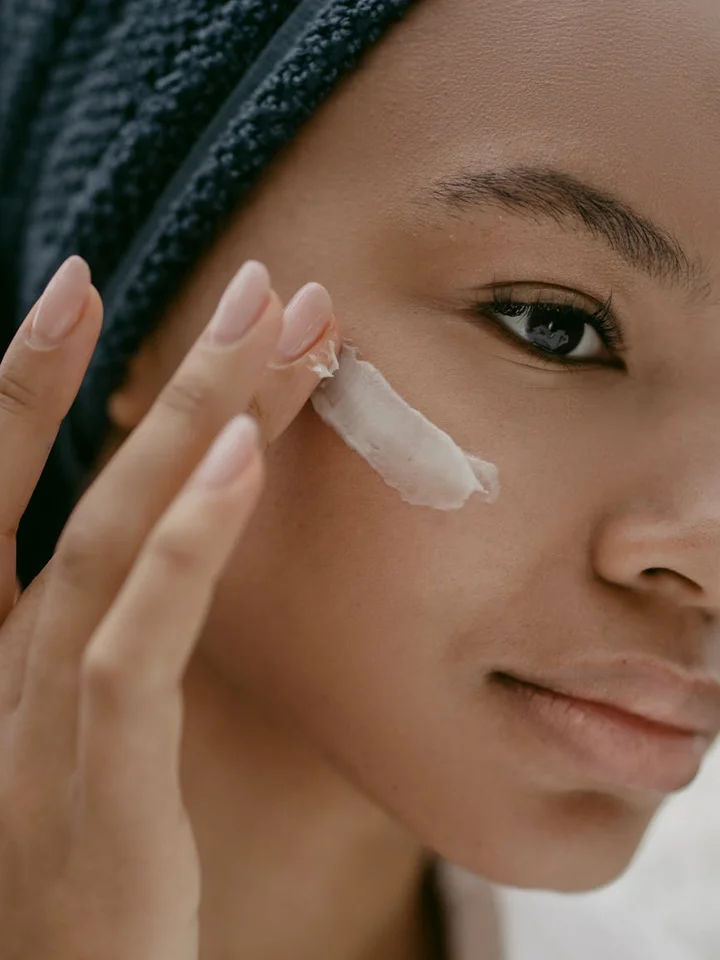
Your skin barrier talks to you. When it’s missing a key structural component, it sends clear signals. Think of it like a brick wall. If the bricks (skin cells) are weak or the mortar (the lipids) is crumbling, the whole structure becomes unstable.
Recognizing which lipid you might be lacking helps you choose the right repair strategy.
If You’re Low on Ceramides (Think of Noah)
Picture my client, Noah. His skin often feels like parchment paper-dry, rough, and prone to flaking no matter how much cream he uses. He describes a persistent, uncomfortable tightness, especially after washing his face.
This is a classic sign of a ceramide shortage. Ceramides are the most abundant lipid in your barrier, acting as the primary “glue.” When they’re depleted, the barrier becomes porous and can’t hold onto water.
You might see this manifest as:
- Persistent dryness and scaly patches.
- A rough, sandpaper-like texture.
- Skin that feels tight and “cracks” easily.
Conditions like eczema and atopic dermatitis are strongly linked to low ceramide levels. With age, our natural ceramide production also declines, which is why mature skin often struggles with severe dryness and a compromised barrier.
Which skin conditions are associated with a deficiency in ceramides? Research consistently shows low ceramide levels in skin affected by eczema (atopic dermatitis), extreme dryness (xerosis), and mature skin showing signs of barrier impairment. Ceramides help repair the barrier and reduce wrinkles by improving moisture retention. This barrier support further contributes to skin health over time.
If You’re Low on Cholesterol (Think of Lina’s Reactive Cheeks)
Now, consider Lina. Her cheeks aren’t just dry; they’re reactive. A new product, cold wind, or even stress can make them flush, sting, and feel irritated. Her barrier doesn’t just leak moisture; it cracks under pressure.
Cholesterol is the barrier’s flexibility agent. It keeps the lipid layers fluid and adaptable. Without enough of it, your barrier becomes rigid and brittle.
A cholesterol deficiency often shows up as:
- A barrier that “cracks” easily when faced with stressors like weather changes or strong ingredients.
- Skin that paradoxically feels both dry and easily inflamed or irritated.
- Heightened sensitivity to products you used to tolerate.
While not as exclusively linked as ceramides, some research points to altered cholesterol metabolism in conditions like psoriasis. More commonly, I see this deficiency in clients with extremely sensitive, reactive skin that struggles to cope with any change.
Which skin conditions are associated with a deficiency in cholesterol? Altered skin cholesterol levels are noted in some forms of psoriasis and are a key factor in generally reactive, sensitive skin types that have a fragile, easily compromised barrier.
Choosing Your Products: A Simple Ingredient Decoder

Reading an ingredient list doesn’t need to be confusing. Here’s how to spot these powerhouse lipids.
For ceramides, look beyond the general word “ceramides” on the front of a bottle. Check the ingredient list (INCI) for specific types, which are often the most effective. You’ll see them listed as:
- Ceramide NP (also called Ceramide 3)
- Ceramide AP (Ceramide 6 II)
- Ceramide EOP (Ceramide 9)
Many good products also use a “ceramide complex” that blends several types.
Cholesterol is simpler. It will typically be listed straightforwardly as “cholesterol” on the ingredient list. For vegan or plant-based formulas, companies use excellent alternatives like “phytosterols” or “plant sterols,” which mimic the barrier-repair function of cholesterol.
How are products with ceramides different from those with cholesterol for skin care? Products highlighting ceramides are focused primarily on replenishing the main structural glue of your barrier to combat dryness and flakiness. Products formulated with cholesterol (or phytosterols) aim to restore flexibility and resilience to a brittle, reactive barrier.
Formulation Pro-Tip
Your skin’s natural barrier is a mix of ceramides, cholesterol, and free fatty acids in a nearly equal ratio. The most effective repair comes from mimicking this balance.
For truly comprehensive barrier repair, look for products that contain both ceramides and cholesterol, often paired with fatty acids like linoleic acid.
Remember, these are treatment ingredients. They are most effective in leave-on formulations like serums, creams, and lotions where they have time to integrate into your skin’s lipid layers. You won’t get meaningful benefit from a wash-off cleanser containing them.
This works because they are lipid-soluble. Think of them like a repair crew made of the same material as the damaged wall they’re fixing. They blend seamlessly into your skin’s own structure to reinforce it from within.
Building Your Routine: How to Use Them Together
Think of ceramides and cholesterol as a skin care power couple. They work better as a team. You don’t need a complicated routine with ten different bottles to get the benefits.
Step-by-Step: Your Barrier Repair Strategy
Here’s a simple, effective way to bring these ingredients into your daily life.
- Cleanse Gently: Start with a mild, non-stripping cleanser. The goal is to clean without wiping away your skin’s natural lipids.
- Pat Skin Damp: After washing, gently pat your face with a towel so it’s still slightly damp. This is your secret weapon.
- Apply Your Barrier Cream: Immediately apply a moisturizer that lists both ceramides and cholesterol (often as “cholesterol” or “lanosterol”) high in the ingredients. Applying to damp skin helps lock that water in.
- Follow with Sunscreen (AM): In the morning, let your moisturizer sink in for a minute, then apply your sunscreen. A strong barrier makes your sunscreen work even better.
The simplest path is finding one great moisturizer that combines these lipids, so you repair your barrier with every single application.
When and How Often to Apply
Barrier repair isn’t a sometimes thing. It’s a daily commitment. These ingredients are incredibly gentle and non-irritating for almost every skin type.
- Use them both morning and night. In the AM, they protect your skin from daily stressors. In the PM, they support your skin’s natural repair cycle while you sleep.
- They are perfect for sensitive, dry, or reactive skin like Noah’s. I often have him use a ceramide-cholesterol cream as his first layer after cleansing to immediately soothe and protect.
- If you have oily or acne-prone skin like Maya, look for a lightweight lotion or gel-cream formula with these ingredients. Hydrating and repairing your barrier can actually help regulate oil production over time.
The Perfect Partner for Active Ingredients
This is where ceramides and cholesterol truly shine. If you use potent actives like retinoids, vitamin C, or exfoliating acids, these lipids are your best friend.
Actives can sometimes weaken your skin barrier as they work, leading to redness, peeling, or stinging. Applying a ceramide-cholesterol moisturizer before your active (a technique called “buffering”) creates a protective layer. It allows the active to work more gently, minimizing irritation. For my client Lina, who uses a retinoid for texture, buffering with a barrier cream was the key to using it consistently without flare-ups.
Using ceramides and cholesterol alongside actives helps your skin tolerate treatment better, allowing you to see the benefits without the uncomfortable side effects.
FAQ: Can you use ceramides and cholesterol together?
Absolutely, and you should. Your skin’s lipid barrier is naturally made of ceramides, cholesterol, and fatty acids in a specific ratio. Research shows that replenishing them together in a formulation that mimics this natural ratio is far more effective for repair than using any one alone. It’s like rebuilding a wall with all the original bricks and mortar, not just half the supplies.
Your Quick Questions on Ceramides & Cholesterol, Answered
What do ceramides and cholesterol actually do for my skin barrier?
Ceramides are the structural ‘bricks’ that lock skin cells together to seal in hydration and shield against irritants. Cholesterol acts as the flexible ‘mortar,’ filling microscopic gaps and ensuring your barrier can move without cracking.
How can I tell if I need more ceramides or cholesterol in my routine?
Prioritize ceramides if your skin is consistently dry, flaky, or rough. Lean into cholesterol if your barrier feels brittle, reactive, or stings easily with product changes or environmental stressors. However, ensure that any products you use are safe and free from harmful side effects.
Is it better to use products with both ceramides and cholesterol?
Yes, because your skin naturally uses them in a balanced team. Formulas containing both reinforce each other’s roles, leading to stronger, more resilient barrier repair than either alone.
Putting It All Together for Your Skin Barrier
Think of ceramides and cholesterol not as rivals, but as the closest of allies in your skin’s repair crew. Your most effective barrier-supporting routine will include products that contain both, working in harmony to hydrate, repair, and seal in hydration to keep irritants out.
- Look for moisturizers and serums that list ceramides, cholesterol, and fatty acids on the ingredient label.
- Be as gentle with your cleansing as you are generous with your moisturizing to avoid stripping those vital lipids.
- Apply your barrier-repair products to damp skin to lock in that extra layer of water.
I’m always here to help you navigate your skin care choices. If you’re wondering how to spot these ingredients in your current products or have a specific barrier concern, I welcome your questions. Follow along with us here at LuciDerma for more straightforward guidance on caring for your skin with kindness and science.
Related Guides and Information
- The role of ceramides in skin barrier function and the importance of their correct formulation for skincare applications – PubMed
- Ceramide, Cholesterol, and Fatty acids : The Perfect Trio for Skin Bar – COSRX Official
- The Pathogenic and Therapeutic Implications of Ceramide Abnormalities in Atopic Dermatitis – PMC
- Ceramides
- The Effect of a Ceramide-Containing Product on Stratum Corneum Lipid Levels in Dry Legs – JDDonline – Journal of Drugs in Dermatology
- The human skin barrier is organized as stacked bilayers of fully extended ceramides with cholesterol molecules associated with the ceramide sphingoid moiety – PubMed
- Ceramide and cholesterol composition of the skin of patients with atopic dermatitis – PubMed
- Unlocking The Power Of Cholesterol And Ceramide Ingredients For Healthy Skin
Lucy Zimmerman
Lucy is an expert author and blogger when it comes to skin care and body care. She has first hand expertise acting as skin care consultant for over 5+ years helping her clients achieve smooth blemish free skin with natural and working remedies. She also has been an avid experimenter and tried out all the natural and artificial remedies and treatments so you can learn from her first hand experience. Additionally, she has traveled to many countries around the world and incorporated the skin care routines she has learnt into this blog. So, wait no more, reach out to Lucy if you have any specific needs and follow her blog, LuciDerma for expert skin care advice.