
Non-Comedogenic Plant Oils Decoded: Find Your Perfect Match from Calendula to Coconut
If the idea of putting oil on your skin makes you nervous about clogged pores, I get it. I’ve guided many clients through this exact worry to find oils that truly nourish without causing congestion.
By the end of this guide, you will:
- See exactly which oils, like argan and hemp, are least likely to clog pores based on their molecular structure.
- Learn how to read an ingredient list to spot potentially comedogenic oils, such as coconut, and use them safely.
- Feel empowered to build a simple, effective oil routine that hydrates and calms your specific skin type.
Let’s find the oil that makes your skin happy.
Before You Pour: The Comedogenic Scale Decoded
Think of the comedogenic scale as a pore-clogging traffic light. It’s a lab-tested rating from 0 to 5 that predicts how likely an ingredient is to block your pores. In practice, many common skincare ingredients have published comedogenic ratings. In the next steps, we’ll look at popular ingredients and their ratings to help you navigate products.
- 0 (Won’t Clog): Green light. These ingredients are virtually non-comedogenic.
- 1-2 (Low Likelihood): Yellow light, proceed with awareness. Usually safe for most, but very congestion-prone skin should watch for changes.
- 3-5 (Moderate to High): Red light for many. These have a higher probability of contributing to clogged pores and breakouts.
These ratings are a helpful guide, not a guaranteed prophecy for your skin. Your unique skin type, current routine, and even climate change how an oil behaves. A rating of 2 might be fine for my client Noah’s dry skin but cause issues for Maya’s oily, acne-prone complexion.
And no, not all oils are comedogenic. The clogging potential depends on the oil’s molecular structure, specifically the balance of fatty acids. Lighter oils high in linoleic acid (an omega-6) often sink in quickly and are less likely to sit heavily on the skin and clog pores.
Your Non-Comedogenic Oil Molecule Spec Sheet
Here is a breakdown of common plant oils. This is your quick-reference guide to making an informed choice.
| Oil | Comedogenic Rating | Key Fatty Acids | Best For |
|---|---|---|---|
| Hemp Seed Oil | 0 | Very high in linoleic acid (omega-6), low in oleic. | Oily, acne-prone, and inflamed skin (like Maya’s). It’s lightweight and helps balance oil production. |
| Argan Oil | 0 | Balanced oleic and linoleic acids, rich in vitamin E. | Most skin types, including combination. Yes, argan oil is non-comedogenic and is a superb hydrator for face and hair. |
| Sunflower Oil (High Linoleic) | 0 | Predominantly linoleic acid. | Barrier repair, soothing sensitive or reactive skin. A favorite in many calming formulations. |
| Calendula-Infused Oil | 1 | Depends on the carrier oil (often sunflower or olive). | Soothing irritated, dry, or post-procedure skin. The healing power comes from the calendula flowers, not the oil base. |
| Rice Bran Oil | 1 | Balanced oleic and linoleic, plus antioxidants like squalane. | Dull, mature, or normal skin. It’s a nourishing, stable oil that brightens gently. |
| Rosemary Extract (in oil) | 1 | Used in tiny amounts as a preservative and antioxidant. | Extending the shelf-life of oil blends and providing antioxidant support. Not typically used as a primary facial oil. |
| Soybean Oil | 3 | High in linoleic acid but can be moderately heavy. | Body moisturizing. Due to its moderate rating, it’s less commonly recommended for the face on congestion-prone skin. |
| Coconut Oil (Virgin) | 4 | Very high in comedogenic lauric acid. | A classic example of a body oil that’s often too heavy for the face. Fantastic for dry body skin, scalp, or hair, but I’ve seen it trigger breakouts for clients like Lina and Maya. |
The “Best For” column is your starting point, not the final answer. Always patch test a new oil on a small area of your jawline or cheek for a week before applying it to your entire face. Your skin’s personal review is the only one that truly matters.
Coconut vs. Argan vs. Hemp: A Side-by-Side Face-Off

Picking a plant oil isn’t just about ingredients. You need to know how it will behave on your skin the moment you apply it. Let’s break down coconut, argan, and hemp oils by texture, absorption, and the final skin feel.
Coconut oil has a thick, buttery texture that absorbs slowly, much like putting on a cozy, warm sweater. It sits on the skin for a while, creating a protective seal. This is fantastic for sealing in moisture on very dry body skin, but on the face, it can feel too heavy and may lead to clogged pores for some. For acne-prone skin, coconut oil’s comedogenic potential is a common consideration. Its effects can vary by individual, so what works for dry body skin may not suit the face. For Noah’s dry, reactive skin, we chose a pure, fractionated coconut oil for his elbows and heels, but we avoided his face entirely.
Argan oil has a smooth, medium-weight texture that absorbs steadily, comparable to a soft, broken-in leather jacket. It nourishes without a greasy residue, making it a versatile layer. For Maya’s oily, acne-prone skin, argan was a winner as a nighttime moisturizer; it provided the hydration she needed without triggering new breakouts.
Hemp seed oil has a thin, almost watery texture that absorbs in seconds, feeling like a cool silk shirt against your skin. It leaves no oily film, which is why it’s a favorite for daytime use. For Lina’s combination, sensitive skin, we used hemp oil to lightly hydrate her oily T-zone while soothing her cheeks.
See how they stack up for different concerns:
- If your priority is fast absorption and a matte finish, hemp seed oil is the clear choice.
- If you want balanced moisture that doesn’t feel heavy, argan oil will often be your safest pick.
- If you need intense occlusion for very dry, non-facial skin, coconut oil can work, but proceed with caution on your face.
Texture tells a story. A thick oil like coconut might be comforting for dry body skin but overwhelming for an oily face, while a light oil like hemp can feel like it’s not doing enough for someone with severe dryness. It’s all about matching the weight to your skin’s needs.
The Almond Oil Question: A Special Deep Dive
Let’s clear up the almond oil confusion first. Yes, pure, cold-pressed sweet almond oil is generally considered non-comedogenic. It has a comedogenic rating of 2, which sits in the low-to-moderate range. This means for most people, it’s unlikely to clog pores, but skin is personal. Whether an oil is “good for your face” depends entirely on your unique skin type and how it’s formulated.
You’ll find two main types: sweet almond oil and bitter almond oil. For your skin, you always want sweet almond oil.
- Sweet Almond Oil is pressed from the edible almond kernels. It’s rich in vitamin E, fatty acids, and is the gentle, nourishing oil used in skincare products and for massage.
- Bitter Almond Oil is derived from a different type of almond and contains compounds that can release cyanide. It is not used in skincare and can be toxic if ingested.
Always check that your product specifies “sweet almond oil.” If it just says “almond oil,” a quick look at the ingredient list or a message to the brand can confirm it’s the skin-safe kind.
So, who might love sweet almond oil? Think of my client Lina. Her combination skin often needs a versatile player, something that can offer lightweight moisture without fueling oiliness in her T-zone. Sweet almond oil’s texture is less greasy than coconut oil but more substantial than, say, argan oil. It can be a great single-ingredient moisturizer for normal to dry areas, or a superb carrier oil for diluting stronger essential oils.
If you have oily or highly acne-prone skin like Maya, patch test this oil carefully on a small area of your jawline for a week before committing. While its rating is low, any oil can be a trigger for some. For anyone with a tree nut allergy, you must avoid almond oil entirely and consult with your dermatologist for safe alternatives.
Essential Oils and Their Carriers: A Critical Safety Note

This question pops up a lot in my inbox: “are essential oils comedogenic?” It’s a smart question, but it mixes up two very different categories. The simple answer is that we don’t rate essential oils for comedogenicity the same way we do plant oils. The real concern with essential oils isn’t their pore-clogging potential, but their intense potency and the serious risk of irritation or chemical burns if applied directly to skin.
Think of it this way: plant oils like argan or hemp are like a nourishing, gentle broth. Essential oils like rosemary or tea tree are like a powerful spice extract—a single drop can flavor the whole pot. You would never drink that extract straight. For your skin, essential oils must be diluted in a carrier oil. This brings us to the second point of confusion.
Rosemary Oil vs. Argan Oil: A Usage Guide
When we list “rosemary oil” alongside oils like argan, it creates a mix-up. Rosemary essential oil is a volatile compound steam-distilled from the herb; it’s not a moisturizing oil. You use a drop or two in a blend for its potential clarifying properties. Argan oil, pressed from kernels, is a lipid-rich emollient you can apply a few drops of directly to hydrate. Using rosemary oil like argan oil-applying it neat-is a one-way ticket to redness, burning, and a compromised skin barrier, especially for someone like my client Noah with reactive skin.
Your Go-To List of Low-Comedogenic Carrier Oils
So, if you want to safely use an essential oil, you need a friendly, non-pore-clogging carrier to dilute it in. This is where choosing a low-comedogenic plant oil is key. Here are my top, clinic-tested picks for dilution:
- Hemp Seed Oil (Comedogenic Rating: 0): My first recommendation for oily or acne-prone types like Maya. It’s lightweight, balances oil production, and absorbs quickly.
- Sunflower Oil (Comedogenic Rating: 0-2): A fantastic, accessible choice. High in linoleic acid, it’s superb for soothing and never feels heavy.
- Safflower Oil (Comedogenic Rating: 0-2): Similar to sunflower, it’s a light, fast-absorbing oil that works well for most skin types as a base.
- Sea Buckthorn Oil (Diluted!) (Comedogenic Rating: 1-2): This vibrant orange oil is potent and rich. Always dilute a few drops of sea buckthorn in another carrier oil (like hemp) to reap its antioxidant benefits without staining skin or overwhelming pores.
Before blending a new essential oil into your chosen carrier, do a patch test on your inner arm. And remember, if you have active breakouts or very sensitive skin, introducing any new oil-even a carrier-is a step to take slowly and observe carefully.
How to Test Any Oil on Your Unique Skin
Think of your skin as a unique, living fabric. Just because a silk blouse works for your friend doesn’t mean it won’t itch for you. The same goes for plant oils. The only way to know if an oil will congest your skin is to conduct a careful, controlled test on a small area. I have every client, from cautious Noah to curious Lina, follow this exact protocol before adding a new oil to their routine.
The LuciDerma Patch Test Protocol
This isn’t a quick swipe on the hand. We need to test on facial skin, which has more pores and oil glands. Follow these steps closely.
- Choose Your Testing Site: Cleanse a small area along your jawline or behind your ear with your regular gentle cleanser. Pat it completely dry.
- Apply a Tiny Amount: Take one drop of the pure plant oil you’re testing. Gently smooth it over the clean, dry patch of skin. You want a thin, even layer-this isn’t a moisturizing treatment.
- Let It Be: Do not rinse it off. Do not apply any other products (like moisturizer or serum) over that spot.
- The Waiting Period is Non-Negotiable: You must wait a full 72 hours. Do not evaluate it after 24 hours and call it safe. Clogged pores take time to announce themselves.
What to Look For (And What to Ignore)
During your 72-hour watch, you’re a detective looking for specific clues of congestion.
Ignore general, temporary redness. A slight warmth or flush right after application can sometimes happen, especially on reactive skin like Noah’s, and it often fades quickly. This isn’t necessarily a sign the oil will clog you.
The real warning sign is the appearance of new, tiny flesh-colored bumps (papules) precisely in the area where you applied the oil. These aren’t pimples with redness; they’re subtle, grain-like bumps that weren’t there before. They might feel rough or textured under your fingertips. This is your skin telling you, “This formula is too rich for my pores.”
If the Oil Doesn’t Agree With You
So, you waited 72 hours and a little cluster of bumps appeared. Don’t panic. This is valuable information, not a skin crisis. The goal now is to gently usher the oil out of your pores without causing more irritation.
Immediately stop using the oil. Do not try to “push through” or use it on another part of your face.
To cleanse, use a gentle, pH-balanced gel or cream cleanser. Massage it onto damp skin with your fingertips for about 60 seconds, then rinse thoroughly with lukewarm water. Avoid any harsh physical scrubs or cleansing brushes, as these can further irritate the already compromised pore. Think of it like soothing the area, not scouring it.
For the next few days, stick to a simple, calming routine on that area: gentle cleanser, a basic moisturizer you trust, and sunscreen. The tiny bumps should resolve on their own as the oil is cleared. This is exactly the kind of scenario where a patch test saves you from a full-face breakout.
Building Your Routine: Where Oil Fits In
Knowing which oils are non-comedogenic is one thing, but using them effectively is another. I often guide clients who are hesitant, fearing oil will make their skin greasy or cause breakouts. When placed correctly in your routine, these oils can deliver deep hydration without clogging pores. Let’s map out exactly where they belong, especially compared to comedogenic ingredients that clog pores.
AM and PM Placement for Your Skin Type
Your skin’s needs change throughout the day, so your oil application should too. Here’s how I tailor routines for different skin types in my practice.
Oily or Acne-Prone Skin
Think of my client Maya. Her oily skin benefits from oil mostly at night, avoiding daytime shine while still reaping hydration benefits.
- Morning: Cleanse, apply a water-based serum and moisturizer, then sunscreen. Skip face oil here to prevent interference with sun protection.
- Evening: Cleanse, use any treatment serums (like niacinamide), then press 2-3 drops of a light oil like hemp or rosemary onto your skin. Follow with a light gel cream if needed.
For oily skin, evening use allows the oil to support barrier repair while you sleep, without adding shine to your day.
Dry or Reactive Skin
Noah has dry, sensitive skin. For him, oil acts like a protective blanket, sealing in moisture morning and night.
- Morning: Cleanse, apply a hydrating serum, then mix 2-3 drops of argan or rice bran oil with your moisturizer. Finish with sunscreen.
- Evening: Cleanse, use a calming toner or serum, then pat a few drops of calendula or soybean oil directly onto damp skin. Layer a richer cream on top.
Applying oil to damp skin helps trap that water, boosting hydration for dry types all day long.
Combination or Sensitive Skin
Lina has an oily T-zone and drier cheeks. She uses oil as a targeted treatment, not an all-over step.
- Morning: After serum and moisturizer, press 1 drop of a balancing oil like argan only onto cheek areas before sunscreen.
- Evening: Cleanse, apply treatments to the T-zone if desired, then mix 2-3 drops of a soothing oil like calendula with your moisturizer and apply mainly to cheeks and drier zones.
With combination skin, zoning your oil application prevents excess oil where you don’t need it and boosts moisture where you do.
Two Reliable Application Methods
You have two straightforward options for applying oil, and both are effective. Choose what feels easiest for you.
- Patting On After Serum: Once your serum has absorbed, warm 2-3 drops of oil between your palms. Gently press and pat it onto your face and neck. This gives the oil direct contact with your skin.
- Mixing With Moisturizer: Add 2-3 drops of oil to your portion of moisturizer in your palm, mix briefly, and apply together. This method is great for beginners, as it dilutes the oil slightly for a lighter feel.
Start with just 2-3 drops; a little goes a long way, and you can adjust based on how your skin responds.
Actionable Steps for Using Non-Comedogenic Oils
If you’re asking, “How do I start?” follow these specific steps. They’re the same ones I give clients to ensure success and avoid irritation.
- Always perform a patch test. Apply oil to a small area like your inner arm, wait 24 hours, and check for any redness or itching.
- Begin with a clean face. Oil cannot properly absorb over dirt, makeup, or sweat.
- Apply your oil to slightly damp skin or right after a water-based serum. This helps lock in hydration.
- Use your fingertips or palms to press the oil in, rather than rubbing. Pressing minimizes tugging and helps with absorption.
- Layer products from thinnest to thickest. Oil typically comes after serums but before heavier creams.
- Be patient and consistent. Use your oil regularly for at least a few weeks to see changes in hydration and skin texture.
Patience is non-negotiable with oils; your skin needs time to adapt and show the benefits of consistent, gentle care.
Contraindications: When to Press Pause on Oil
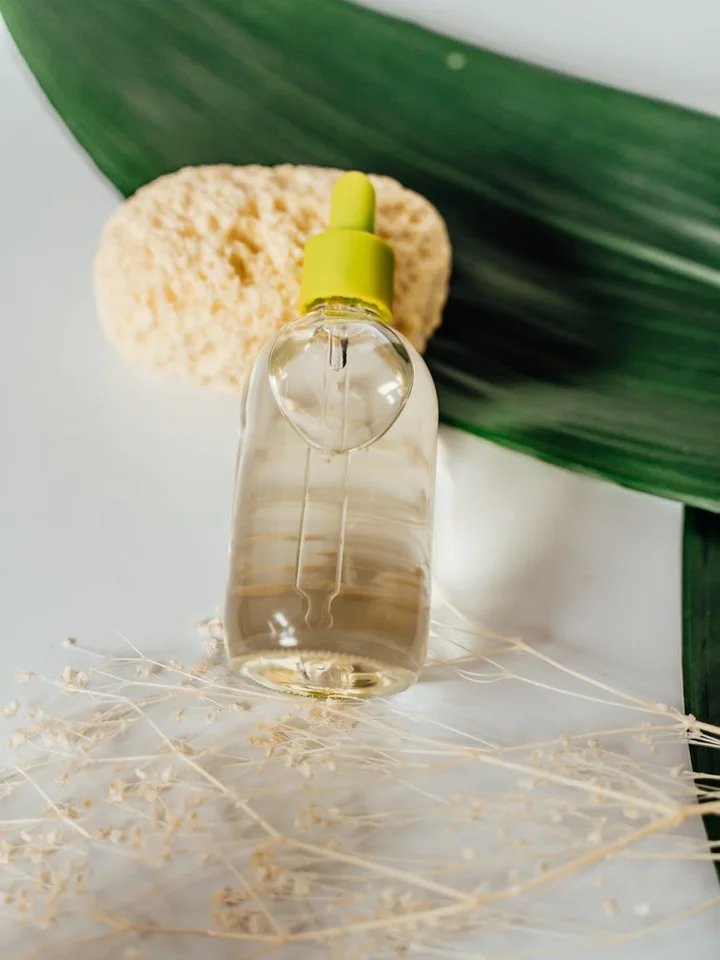
Even the most compatible oil isn’t right for every moment on your skin journey. Think of oils like a rich, nourishing meal for your skin barrier. When your skin is in a good place, it’s a wonderful treat. When your skin is in distress, that same meal can feel heavy and aggravating.
There are specific times when applying a facial oil, even a non-comedogenic one, can do more harm than good. Press pause on your oil routine if you’re experiencing any of the following:
- Actively Inflamed Acne: When you have angry, red, swollen pimples, adding an oil can sometimes feed the bacteria (c. acnes) and worsen inflammation. My client Maya knows this well; we pause oils during her worst flare-ups to let targeted acne treatments do their work without interference.
- A Currently Compromised Skin Barrier: If your skin feels tight, raw, stings with product application, or is excessively flaky, its protective wall is damaged. Pouring oil onto a broken barrier can sometimes lead to more irritation or tiny clogged pores as the skin struggles to process it.
- Broken Skin: This includes open acne wounds, cuts, or scrapes. Never apply plant oils to broken skin, as they are not sterile and can introduce contaminants.
A Quick Chemistry Note: Jojoba Oil vs. Jojoba Esters
You might see jojoba oil praised as a superstar non-comedogenic oil (and it often is for many people). But then you search “are jojoba esters comedogenic” and get a confusing answer. Here’s the simple breakdown.
Jojoba oil, as it comes from the seed, is a liquid wax ester. Its structure is very similar to our skin’s own sebum, which is why it’s often so well-tolerated.
Jojoba esters are a modified, semi-solid version created in a lab for texture. They are used as thickeners or emollients in creams and balms. While derived from jojoba, they are a different, more concentrated ingredient. Their comedogenic potential is higher, which is why a product containing jojoba esters might clog pores for some, even though pure jojoba oil does not.
What to Use Instead When Oils Are a No-Go
For scenarios like Noah’s reactive flare-ups or post-procedure healing, you still need hydration and barrier support. Opt for these oil-free alternatives that deliver moisture without the potential for clogging.
- Gel Creams or Water Gels: These provide a surge of hydration using humectants like hyaluronic acid, glycerin, or aloe vera. They feel cool and refreshing on inflamed skin.
- Ceramide-Focused Serums or Moisturizers: Ceramides are the essential “mortar” that holds your skin barrier bricks together. A serum or light lotion with ceramides, cholesterol, and fatty acids helps repair a compromised barrier without the occlusive feel of an oil.
- Soothing, Bland Creams: Look for simple formulas with ingredients like colloidal oatmeal, panthenol (pro-vitamin B5), or squalane (which, despite being an oil, is remarkably skin-identical and often well-tolerated).
The goal is to calm and repair first. You can always welcome your favorite plant oil back into the routine once your skin has returned to a calm, balanced state.
Your Quick-Reference Guide to Other Gentle Oils
After talking through the heavier hitters, let’s look at some other fantastic options. These oils are often lighter and great for specific skin goals.
Remember, a “0” rating means it’s very unlikely to clog pores, while a “1” or “2” is still generally safe for most, especially when used in moderation.
Grapeseed Oil
Think of this as a lightweight, multitasking serum. It’s high in linoleic acid and has astringent properties. With a comedogenic rating of 1, it’s a superb choice for oily and acne-prone skin types like Maya’s, as it can help balance sebum without feeling greasy.
Sunflower Seed Oil
This is a classic barrier-repair hero. It’s rich in vitamin E and linoleic acid. Its rating of 0 makes it one of the safest bets for all skin types, especially reactive or eczema-prone skin that needs gentle nourishment. Noah often finds it a perfect, simple layer under his moisturizer.
Safflower Oil
Don’t let the kitchen association fool you. High-linoleic safflower oil is feather-light and non-greasy. Also holding a 0 rating, it absorbs quickly and is excellent for delivering moisture without any clogging concern, making it ideal for combination skin.
Watermelon Seed Oil
This is a rising star for good reason. It’s incredibly light, almost dry to the touch. With a comedogenic rating of 1, it’s perfect for those who want the benefits of an oil but despise any feeling of residue. Lina loves using it on her T-zone for light hydration that doesn’t exacerbate oiliness.
Rosehip Seed Oil
This is a treatment oil, prized for its trans-retinoic acid content and skin-renewing qualities. It has a comedogenic rating of 1, but because it’s so active, it’s best for dry, normal, or aging skin that’s not currently prone to breakouts. If you’re building a retinoids-focused oily-to-dry skin routine, start this oil at night and monitor how your skin responds. Pair it with a lightweight moisturizer to balance oil without compromising renewal. Always patch test this one.
Jojoba Oil
Technically a liquid wax ester, jojoba most closely mimics our skin’s own sebum. Its rating of 2 is misleading; it’s non-comedogenic for most because it helps regulate oil production rather than sit on top of the skin. It’s a brilliant makeup remover and moisturizer for almost everyone.
Your skin’s comfort is the final judge. The best plant oil for you feels like nothing but comfort on your skin-no heavy film, no tightness, just balanced, happy skin.
Your Questions on Non-Comedogenic Oils, Answered
What does a “non-comedogenic” rating really mean for my skin?
A non-comedogenic rating, typically a 0 or 1, means an ingredient has a very low likelihood of clogging pores in lab tests. It’s an excellent starting point, but your unique skin chemistry is the final judge, which is why a patch test is always our recommended first step.
Why is coconut oil often recommended for the body but not the face?
Its high comedogenic rating and thick, occlusive texture make it a superb moisturizer for dry body skin but a common pore-clogger on the more delicate, sebum-rich facial skin. For most clients, it’s a classic example of a fantastic body oil that’s simply too heavy for the face, especially for those looking for non-comedogenic moisturizers.
How do I safely add a new plant oil to my existing skincare routine?
After a successful patch test, apply 2-3 drops to slightly damp skin after your water-based serums and before your moisturizer. This allows it to lock in hydration and absorb effectively without disrupting the rest of your routine.
Your Skin, Your Oil: Moving Forward with Confidence
The heart of using plant oils successfully is remembering they are tools, not miracles, and your skin’s response is the ultimate guide. Focus on selecting oils with a low comedogenic rating that match your skin type, and introduce them one at a time with a patch test. This simple, patient approach is how you build a routine that truly nourishes without guesswork.
- Patch test every new oil on a small area, like your inner arm, for a few nights before using it on your face.
- If you have oily or acne-prone skin, start with lightweight oils like hemp seed or argan, which are typically non-comedogenic.
- Even a “safe” oil can be overused; a few drops are often all you need for your entire face.
- Your skin’s needs shift with seasons, stress, and hormones, so be prepared to adjust your oil choice accordingly.
- Plant oils are a complement to a solid routine, not a replacement for gentle cleansing or daily sun protection.
Navigating ingredients can feel complex, but you’re not doing it alone. I love hearing from readers, whether you have a question or a story like Noah, who found his perfect barrier-repair oil after some careful trial. For more trustworthy guidance on caring for your skin, the LuciDerma blog is always here with practical, evidence-minded advice you can use today.
Lucy Zimmerman
Lucy is an expert author and blogger when it comes to skin care and body care. She has first hand expertise acting as skin care consultant for over 5+ years helping her clients achieve smooth blemish free skin with natural and working remedies. She also has been an avid experimenter and tried out all the natural and artificial remedies and treatments so you can learn from her first hand experience. Additionally, she has traveled to many countries around the world and incorporated the skin care routines she has learnt into this blog. So, wait no more, reach out to Lucy if you have any specific needs and follow her blog, LuciDerma for expert skin care advice.