
Peptides in Skincare: A Clear Guide to Safety, Benefits, and FDA Facts
Peptides might sound like a complicated skincare buzzword. If you’re sorting through claims about their safety and real perks, I get it-my client Noah asks me this every time he sees a new serum.
By the end of this article, you will have straightforward answers that help you shop and care for your skin wisely:
- What peptides actually are and how they work like tiny messengers to support firmer, more resilient skin.
- The evidence on peptide safety for different skin types and what “FDA-approved” really means for your creams and serums.
- How to identify a worthwhile peptide product and weave it into your routine for visible results.
You’re already on the right track by seeking reliable information for your skin health.
Peptides Demystified: A Simple Skin Science Lesson
Let’s picture your skin’s building blocks. Imagine a single amino acid as one unique bead. Now, link a short chain of these beads together-say, between two and fifty of them. That’s a peptide.
These tiny chains are messengers and builders. In your skin, they naturally exist to send signals, like telling cells to make more collagen or to calm down inflammation. Think of them as your skin’s own text message system.
Peptides are not steroids, and you won’t find them on any banned substance list for athletes. They are completely different molecules with a different job. Steroids are powerful anti-inflammatories that can thin skin with misuse; peptides are gentle signaling molecules that support skin’s natural repair processes.
The peptides in your skincare are “bio-identical.” This means scientists in a lab have carefully recreated the exact same chain of amino acids that your skin makes and uses. We synthesize them for skincare to give your skin a clearer, louder version of the signals it might be missing as we age or deal with stress. It’s like giving your skin the right words to a song it already knows.
A Peptide Spec Sheet: The Molecule’s Profile
Peptides are not one single “chemical.” They’re a whole category of molecules, each with a slightly different sequence and job. Some tell your skin to firm, others to hydrate, and others to soothe. This is why you’ll see many types listed on ingredient labels, like Matrixyl or Copper Peptides.
Here’s a quick glance at their general characteristics to help you understand what you’re looking for in a product.
Because they are such gentle workhorses, peptides are a fantastic “gateway” active for someone new to targeted skincare. For someone like Lina, who has combination skin, a peptide serum can help support her skin’s resilience without triggering sensitivity in her cheeks or excess oil in her T-zone.
You can typically layer them with other ingredients like vitamin C in the morning or retinol at night, as they play well with others. Always apply them to clean, slightly damp skin so those water-loving molecules can get to work.
How Peptides Actually Talk to Your Skin

Think of peptides as your skin’s personal communication system. They are short chains of amino acids, which are the building blocks of proteins like collagen and elastin. Their primary job isn’t to *be* the building material, but to send a signal.
When you apply a peptide serum or cream, these tiny messengers penetrate the upper layers of your skin. They find specific receptors on your skin cells and deliver a clear instruction. For collagen-boosting peptides, that instruction is essentially: “Hey, fibroblast cells, it’s time to get to work and make more collagen.”
Peptides function like a precise text message to your skin’s repair crew, telling them to ramp up production of supportive proteins.
A simple way to picture it: if the collagen and elastin in your skin are the bricks and mortar of a building, peptides are the foreman on a construction site. The foreman doesn’t lay the bricks themselves. Instead, they read the blueprints, organize the crew, and give the direct orders that get the work done efficiently and correctly.
This signaling action is different from how some other ingredients work. For instance, a rich moisturizer might temporarily “plump” skin with hydration, like watering a plant. Peptides aim for a deeper, structural change by encouraging your skin to rebuild itself.
Peptides vs. Growth Factors: A Key Distinction
You might hear peptides mentioned alongside “growth factors.” While both are messengers, they are different in scale and origin, which matters for safety and ethics.
- Peptides are small, synthesized chains. We can create them in a lab to mimic signals your skin already knows. They are precise and tend to be well-tolerated.
- Growth Factors are much larger, complex proteins that act like master regulators, instructing cells to grow, multiply, or heal. They are often derived from human cells (like stem cells) or other animal sources.
This difference is why I often start clients with peptides. They offer a targeted, gentle nudge to your skin’s natural processes. My client Noah, with his reactive skin, found a peptide serum gave him the firming support he wanted without any irritation, which he was wary of with stronger actives.
For most people seeking firmer, plumper skin, peptides provide a gentle yet effective signaling approach, whereas growth factors represent a more complex biological intervention with a different safety profile.
Are Peptides in Skincare Truly Safe? Let’s Talk Side Effects
Let’s get straight to the point you’re probably wondering about. For the vast majority of people, applying peptides to your skin is very safe and well-tolerated. Think of them like friendly messengers, not aggressive invaders. They work by signaling to your skin cells, encouraging them to do what they already do, just a bit better. This gentle, communicative action is why serious adverse reactions are incredibly rare. Many people turn to peptides for skin health and anti-aging benefits. As they support cellular signals that influence collagen and repair, they’re a popular focus in peptide-based skincare.
So, are peptides bad for you? When used topically in cosmetic formulations, the direct answer is no. They are not toxic, carcinogenic, or harmful to your systemic health when applied to intact skin. The safety profile of topical peptides is excellent, which is a major reason they’ve become a cornerstone in gentle, effective skincare. Peptides like collagen peptides are especially celebrated for their skin-repairing benefits.
Potential Minor Reactions & How to Handle Them
Now, “safe” doesn’t mean 100% reaction-proof for every single person. Skin is personal. The most common potential side effects are the same as with any new product: a bit of temporary redness, mild tingling, or minor irritation at the application site. This is usually due to other ingredients in the formula (like a preservative or even a fragrant botanical oil) rather than the peptide itself.
I always remind my clients, especially cautious Noah, of this simple protocol:
- Patch test first. Apply a small amount to the inside of your arm or behind your ear for 3-5 days before using it on your face.
- Start slow. Introduce a new peptide product every other night, not alongside three other new actives.
- If you feel persistent stinging or see significant redness, rinse it off. Your skin barrier might be compromised, or that specific formula isn’t for you.
True allergic contact dermatitis to a peptide sequence is possible but exceedingly uncommon. If you experience swelling, intense itching, or hives, discontinue use and consult a clinician.
The Gentle Alternative for Reactive Skin
This is where peptides truly shine and why I recommend them so often. Many of my clients with sensitive, reactive, or rosacea-prone skin desperately want to improve firmness and wrinkles but can’t tolerate popular actives like retinoids or high-dose vitamin C. These stronger ingredients can cause peeling, burning, and lengthy adjustment periods.
Peptides offer a different path. For someone like Noah, who has dry, reactive skin, a peptide serum can provide a collagen-boosting benefit without triggering the irritation cycle that further weakens his skin barrier. It’s a way to support skin health without the assault, especially when it comes to collagen peptides for skin elasticity and hydration. Similarly, for Lina with her combination, sensitive skin, she can use a peptide moisturizer on her cheeks for firming while using a different treatment on her oilier T-zone, without fear of cross-reaction.
They are a brilliant option for anyone seeking proactive, results-oriented care who needs to treat their skin with kid gloves. You don’t have to choose between being gentle and being effective.
The Real-World Benefits: What Peptides Can Do for You
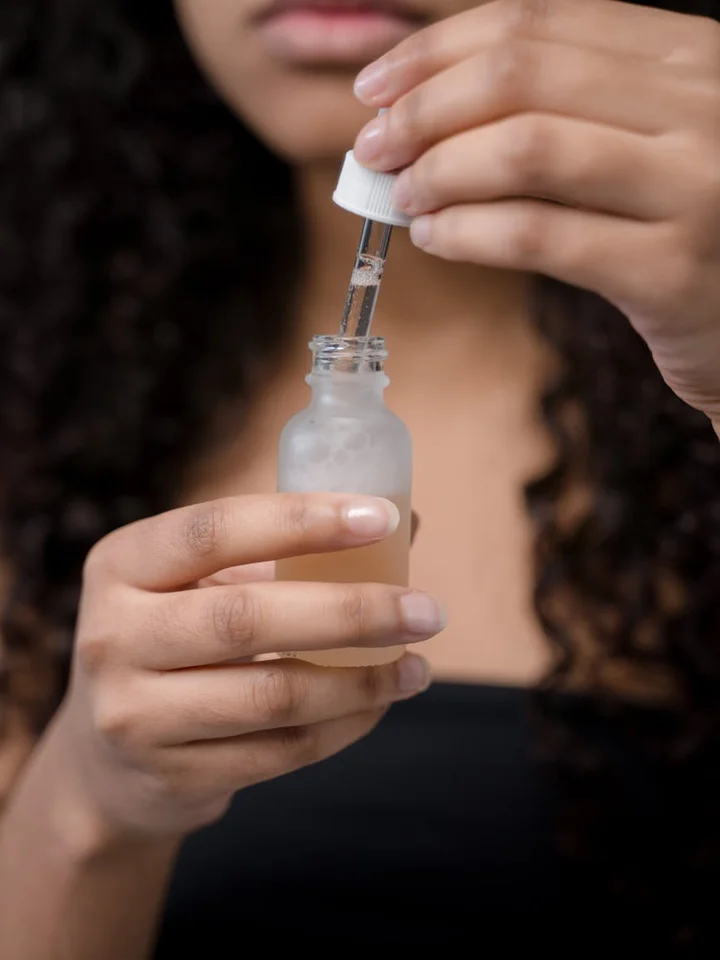
Forget the complex biochemistry for a moment. The real question is, what will peptides actually do when you put them on your skin? The benefits are tangible, and they address some of the most common concerns I see in my practice. Peptides act as signals that guide skin cells to repair and renew, often working with growth factors to support anti-aging effects. In short, peptide-based ingredients target aging at the cellular level.
Firming and Smoothing Fine Lines
This is the superstar benefit everyone talks about, and for good reason. Think of your skin’s support structure-collagen and elastin-as the fluffy filling inside a plush cushion. Over time, that filling starts to break down and flatten. Peptides act like little messengers, tapping your skin cells on the shoulder and telling them to get back to work making new, supportive filling.
The result is a gradual, natural-looking plumping effect that can soften the appearance of fine lines, especially those expression lines around your eyes and mouth. It’s not an instant filler, but a sustained, gentle nudge to help your skin support itself. This is a fantastic option for anyone starting to see early signs of aging or wanting a preventative strategy that feels gentle and nourishing.
Strengthening Your Skin’s Barrier
If your skin often feels tight, flaky, or stings easily, your barrier-the protective outermost layer-might be compromised. Certain peptides are exceptional helpers here. They support the skin’s natural ability to produce the lipids (fats) that act like mortar between your skin cells, holding moisture in and keeping irritants out.
I think of my client Noah, who has dry, reactive skin. For him, a routine focused on barrier repair was a game-changer. Peptides that support ceramide production helped his skin better retain the hydration from his moisturizer and become more resilient against daily stressors like wind or hard water. For those with dryness, sensitivity, or conditions like eczema, barrier-supporting peptides can be a foundational step toward calmer, more comfortable skin.
Calming Redness and Uneven Tone
Inflammation is a root cause of many skin issues, from persistent redness to the dark spots leftover from acne. Some peptides have direct anti-inflammatory properties, helping to dial down that background irritation that makes skin look angry or ruddy.
Others work by interfering with the overproduction of pigment that leads to uneven tone and post-acne marks. For anyone dealing with sensitivity, rosacea flares, or the lingering shadows of past breakouts, these calming peptides offer a gentle path to a more even complexion. They’re often well-tolerated where stronger brightening ingredients might be too harsh, making them a smart choice for sensitive skin types like Lina’s when she’s managing reactivity on her cheeks.
The FDA Question: What “Approval” Really Means for Skincare
When a client like Noah, who’s cautious about what goes on his reactive skin, asks me if a peptide is “FDA-approved,” I take a deep breath. This is where skincare marketing and government regulation often get tangled. Let’s straighten it out.
The U.S. Food and Drug Administration (FDA) does not “approve” individual skincare ingredients, like peptides or vitamins, in the same way it approves prescription drugs. Instead, the FDA regulates cosmetics for safety and holds companies responsible for ensuring their products are safe for use. Think of it like the food in your pantry: the FDA sets safety standards, but it doesn’t taste-test every box of cereal before it hits the shelf.
Understanding GRASE: The Safety Seal You Don’t See
The key concept here is “GRASE,” which stands for “Generally Recognized As Safe and Effective.” It’s a formal designation for certain over-the-counter drug ingredients, like the sunscreen filters in your moisturizer.
For an ingredient to be GRASE, a panel of qualified experts must agree, based on published scientific data, that it is safe and effective for its intended use. Peptides used in cosmetics, however, are not typically reviewed under this specific drug pathway. They are regulated as cosmetic ingredients.
This distinction matters. A sunscreen with a GRASE-filter like zinc oxide is making a drug claim (“protects from sunburn”). A peptide serum making a cosmetic claim (“improves the appearance of fine lines”) operates under different rules. The safety requirement is just as serious, but the regulatory pathway is different.
Why a Lack of “Approval” Isn’t a Red Flag
Here’s the most important takeaway: the vast majority of ingredients in your skincare routine are not individually “FDA-approved.” This includes beloved staples like hyaluronic acid, niacinamide, and most antioxidants.
Their safety is established through a combination of historical use, published research, and the legal obligation of the brand to substantiate safety. When I formulate a routine for Lina, I look for companies that are transparent about their science and avoid those making wild, unproven claims. The absence of a formal FDA stamp on an ingredient is standard procedure, not a cause for alarm.
Your job is to be a smart consumer. Look for brands that clearly list ingredients, avoid known irritants for your skin type, and, as I tell every single client, always patch test a new product behind your ear or on your inner arm for a few days before applying it to your face. Your skin’s reaction is the most relevant safety test of all.
How to Add Peptides to Your Routine Without Drama
Think of adding a peptide as inviting a new, quiet expert to your skincare team. They get to work without fuss, but you need to give them the right seat at the table. Here’s how to do it seamlessly.
Start Simple: Serums and Moisturizers
You don’t need a cabinet full of peptide products. The easiest way to start is with a peptide serum or a moisturizer that lists peptides prominently in its ingredients. A serum is often more concentrated, while a moisturizer integrates them into a hydrating base. Apply them to clean, slightly damp skin to help with absorption.
My client Noah, with his dry, reactive skin, started with a simple peptide moisturizer. He found it was a gentle way to test the waters without overwhelming his barrier. Always do a patch test behind your ear or on your inner arm for a few days first.
The Art of Layering: Thin to Thick
Getting the order right prevents pilling and ensures each ingredient can do its job. Follow this simple rule: apply products from the lightest texture to the heaviest.
- Cleanser & Toner (if you use one)
- Water-Based Treatments: This is where your peptide serum goes, along with vitamin C or hyaluronic acid if you’re using them.
- Lightweight Moisturizers or Gels
- Heavier Creams or Facial Oils
- Sunscreen (AM only)
Imagine your skincare routine as getting dressed. You put on your thin base layers (serums) before your big cozy sweater (rich cream).
How Long Until You See a Difference?
Peptides are communicators, not instant fillers. You need to be patient, as consistent use for at least 6 to 8 weeks is typically needed to notice improvements in firmness or fine lines. Think of it like training for strength; you won’t see new muscle after one gym session, but over weeks of consistent work, the results build. Hydration and smoother texture might come a bit sooner.
Smart Pairings: What Works Well With Peptides
Peptides are team players. Here’s how to build a supportive routine around them:
- With Vitamin C (AM): This is a powerhouse pairing. Vitamin C protects from free radicals during the day, while peptides support skin’s repair. Apply your vitamin C serum, let it absorb, then follow with your peptide product.
- With Hyaluronic Acid: A perfect match. Hyaluronic acid draws in moisture and plumps the skin, creating an ideal hydrated environment for peptides to work. You can often find them combined in one serum.
- With Sunscreen (Non-Negotiable): Sun damage breaks down collagen. Using peptides to help support collagen production without daily sunscreen is like building a sandcastle as the tide comes in. Sunscreen protects your investment.
Peptides vs. Retinol: Choosing Your Path
This isn’t about one being better, but about which is better for *your* skin and goals right now.
| Peptides | Retinol |
| Signals skin to support its own collagen and elastin. | Increases skin cell turnover and directly targets collagen production. |
| Generally calming and hydrating; excellent for sensitive or reactive skin (like Noah’s). | Can cause irritation, dryness, and peeling, especially when starting. |
| Results are gradual and focus on firmness and resilience. | Results are powerful for texture, fine lines, and acne, but come with a potential adjustment period. |
| Safe for morning or evening use. | Strictly for evening use, as it can make skin more sun-sensitive. |
You can absolutely use them together if your skin tolerates it. Apply your retinol at night on alternate nights with your peptide product, or use your peptide serum in the morning and retinol at night. Listen to your skin-if it feels irritated, scale back.
Contraindications: When to Pause or Skip Peptides

Peptides are generally well-tolerated, but like any active ingredient, they work best on skin that’s ready to receive them. Think of them as helpful messengers. If your skin’s front door is broken, sending in more messengers can create confusion instead of calm. Ceramides help reinforce the skin’s barrier, setting the stage for peptides to repair and renew it more effectively. When the barrier is strong, the signals from peptides can work with less resistance.
Severely Compromised Skin Barriers or Broken Skin
If your skin is screaming with redness, stinging with every product, or has visible cracks, flakes, or open wounds, your barrier is likely compromised. This is your skin’s most vulnerable state.
Peptides are not typically irritating, but applying them to skin in this condition is like trying to have a detailed conversation with someone who has a migraine. The priority needs to be quiet, gentle healing first. When your skin barrier is broken, focus solely on a minimalist routine of a gentle cleanser, a pure moisturizer, and a sunscreen you can tolerate. Once your skin feels calm, resilient, and no longer reactive—which can take a few weeks—you can slowly reintroduce peptides, especially those formulated for barrier health.
My client Noah, with his dry, reactive skin, learned this after a bad reaction to a different product. We paused everything new, spent a month repairing his barrier with ceramides and glycerin, and only then did he safely add a peptide serum without issue.
Pregnancy and Nursing: A Conservative Approach
If you are pregnant, breastfeeding, or trying to conceive, the golden rule is: when in doubt, check it out. While topical peptides are considered low-risk because they primarily act on the skin’s surface, comprehensive human studies on their use during pregnancy are limited.
Skincare during this time is about minimizing any potential unknowns. Many clinicians, myself included, recommend a conservative approach. A consultation with your obstetrician or dermatologist is the safest path to get personalized advice for your skincare routine during pregnancy and nursing. They can help you weigh benefits and make choices that feel right for you and your baby.
Patch Testing for Sensitive or Allergic Skin
If you have a history of sensitive skin, eczema, or allergic reactions to skincare, a patch test is your best friend. It’s a simple safety check. Even the gentlest ingredient can be an unexpected trigger for someone.
To patch test a peptide product, apply a small amount to a discreet area of skin, like behind your ear or on the inner part of your forearm. Leave it for 24-48 hours. Watch for any signs of redness, itching, burning, or swelling in that specific spot.
- Cleanse a small test area.
- Apply a pea-sized amount of the product.
- Leave it undisturbed for 24-48 hours.
- If no reaction occurs, it’s likely safe to use on your face.
A clear patch test builds confidence and helps you introduce new products without risking a full-face reaction. It’s a five-minute step that can save you weeks of recovery.
Picking Your Peptide: What to Look For on a Label
Walking down the skincare aisle can feel like decoding a science textbook. I get it. When you’re looking for a peptide product, focus on a few proven performers and a straightforward label.
Meet the Common, Effective Players
Not all peptides are created equal. Some have more research behind them for specific concerns. Here are three you’ll often see, and what they’re known for.
Matrixyl (often listed as Palmitoyl Pentapeptide-4) is like a supportive friend for your skin’s foundation. It helps signal your skin to produce more collagen. Think of it as a gentle nudge for firmer, plumper-looking skin. My client Noah, with his dry, reactive skin, found a fragrance-free moisturizer with Matrixyl helped soften some fine lines without irritation.
Argireline (Acetyl Hexapeptide-8) is often called “Botox in a bottle,” which is a huge overstatement, but it points to its function. It works on the surface to help relax facial tension that can lead to expression lines. It’s a popular choice for forehead or crow’s feet areas. It’s generally gentle, making it a good starter peptide.
Copper Peptides are the multi-taskers. Copper is a mineral that supports wound healing and antioxidant activity. In peptide form, it can help with skin renewal and improving skin texture. They can be fantastic, but I always suggest a patch test first, as they can be too active for some very sensitive types.
Where “Peptide” Falls on the List Matters
Ingredients are listed in order of concentration, from highest to lowest. This is your biggest clue.
Look for the peptide name to appear in the top half of the ingredient list, ideally within the first ten ingredients. This generally means it’s present in a meaningful concentration likely to do its job. If you see it lingering near the very end, it’s probably just a sprinkle, not a serious dose.
Choose Clean, Kind Formulas
A powerful peptide is useless if it’s in a formula that irritates your skin. This is where your values for clean, ethical skincare come into play, especially when considering ingredients like niacinamide for skin barrier benefits.
- Seek out brands that are certified cruelty-free. Your skincare shouldn’t come at the expense of an animal’s well-being.
- Prioritize fragrance-free options. Synthetic fragrance is a common irritant with no skin benefit. For someone like Lina, with her combination, sensitive skin, avoiding fragrance is a non-negotiable first step to avoiding redness and reactions.
- Look for supportive ingredients. A peptide serum paired with soothing niacinamide or hydrating hyaluronic acid often works better than a peptide floating alone in a harsh formula.
Always, always patch test a new product on a small area of your inner arm or behind your ear for a few days before applying it to your face. Even the safest, cleanest ingredient can be the one your unique skin decides to protest.
Your Quick Peptide Questions, Answered
1. Can I safely use peptides with my other active ingredients, like retinol or vitamin C?
Absolutely. Peptides are generally excellent team players and can be layered with most actives. For a simple rule, use your vitamin C and peptides in the morning for protection and support, and alternate peptides with retinol at night if your skin tolerates both.
2. With so many types, how do I choose the right peptide product for my skin?
Focus on the ingredient list and your primary concern. For firming, look for Matrixyl or Palmitoyl Oligopeptide; for expression lines, Argireline is popular. Ensure the peptide is listed in the top half of ingredients for an effective concentration.
3. How soon can I realistically expect to see results from using peptides?
Patience is key, as peptides support your skin’s natural processes. While hydration may be noticeable sooner, consistent use for 6 to 8 weeks is typically needed to see visible improvements in firmness and the appearance of fine lines.
Final Thoughts on Peptides in Skincare
Peptides are generally safe and offer real benefits for your skin, like supporting firmness and hydration, when you choose well-formulated products from trusted brands. Think of them as a reliable helper in your routine, not a magic solution, and always pair them with sunscreen for the best results. For daily use, start with a small amount and monitor your skin’s response. If you have sensitive skin or a history of reactions, review safety notes and consider a patch test before regular use.
- Introduce one peptide product at a time to see how your skin responds.
- Prioritize products that are cruelty-free and sustainably sourced.
- Use peptides consistently for at least 4-6 weeks to notice changes.
- Layer peptides under your moisturizer and sunscreen every morning.
- Store peptide serums in a cool, dark place to maintain their potency.
We love hearing from you on the LuciDerma blog. If you’re curious about how peptides might fit into your specific routine, just send your questions our way. Our goal is to give you clear, practical guidance that makes skincare feel simple and effective. We can also walk you through how to cycle different peptides for evolving results. That way you can tailor your regimen over time.
Written by Lucy Zimmerman. Lucy is an expert author and blogger when it comes to skin care and body care. She has first hand expertise acting as skin care consultant for over 5+ years helping her clients achieve smooth blemish free skin with natural and working remedies. She also has been an avid experimenter and tried out all the natural and artificial remedies and treatments so you can learn from her first hand experience. Additionally, she has traveled to many countries around the world and incorporated the skin care routines she has learnt into this blog. So, wait no more, reach out to Lucy if you have any specific needs and follow her blog, LuciDerma for expert skin care advice.