
How Retinol Fades Hyperpigmentation and Dark Spots: Your Expert Guide
If dark spots have made you feel self-conscious, I understand. In my clinic, I help people like Noah, who saw his sunspots slowly fade, and I’ll show you how retinol can do the same for you.
By the end of this article, you will know:
- How retinol gently speeds up your skin’s natural renewal process to clear away pigmented cells.
- Why this makes it a standout, sustainable choice for tackling discoloration at its root.
- The simple, safe way to add it to your routine for visible results without upsetting your skin.
Getting clearer skin is a journey you can start confidently today.
The Retinol Molecule: A Quick Spec Sheet
Let’s start with the basics. Retinol is a form of vitamin A, a nutrient your skin cells already recognize and use. On its own, retinol is inactive. When you apply it, your skin’s enzymes get to work, converting it step-by-step into the active form: retinoic acid. This is the compound that directly communicates with your skin cells to change their behavior.
Think of retinol as a messenger that your skin has to translate. This conversion process makes it gentler than prescription versions but means results take a bit more patience. A quick look at a retinol retin ingredient chemistry comparison can show how different derivatives affect potency and tolerability. This helps you choose the right form for your skin goals.
Retinol Spec Sheet
| Property | The Details |
| pH Compatibility | Works at your skin’s natural, slightly acidic pH (around 4.7 to 5.5). You don’t need to adjust your routine. |
| Typical Concentration | Over-the-counter formulas range from 0.01% to 1%. Start low and increase slowly. |
| Solubility | Oil-soluble. It’s often formulated in creams, lotions, or encapsulated serums for stable delivery. |
| Safety & Ethics | Always choose products certified cruelty-free. Look for stable, opaque, air-restrictive packaging to keep the molecule effective. |
Retinol is part of a larger family, and its “cousins” vary in strength and how much conversion your skin has to do. Retinyl palmitate is the mildest; your skin must convert it into retinol first, then into retinoic acid. It’s a gentle option for very reactive skin, like my client Noah’s. Retinaldehyde (or retinal) is one conversion step closer to retinoic acid than retinol, so it can be more potent and work a bit faster. At the strongest end is prescription tretinoin, which is pure retinoic acid. It works powerfully but comes with a higher risk of irritation and requires a doctor’s guidance. These differences in strength help explain why results can vary from person to person. In the next steps, we’ll compare retinol to tretinoin directly in terms of strength and efficacy difference.
The Science of Spots: How Hyperpigmentation Forms
To understand how retinol helps, you need to know how those dark spots get there in the first place. It all centers on melanin, the pigment that gives your skin, hair, and eyes their color. Melanin is not your enemy; it’s your skin’s primary defense shield against UV radiation.
Specialized cells called melanocytes act like tiny pigment factories. When your skin senses a threat-most commonly UV rays from the sun-it sends a signal to these factories to ramp up production. The melanin is then packaged and distributed to surrounding skin cells, aiming to form a protective cap over cell nuclei to shield your DNA.
The problem arises when this protective system gets overworked or dysregulated, leaving behind concentrated pigment “debris” that surfaces as a dark spot. Imagine the melanocyte factory goes into emergency overdrive. It produces so much pigment so quickly that it gets sloppy, leaving excess pigment clustered in the upper layers of your skin long after the threat is gone.
This overdrive can be triggered by a few key things:
- Sun Exposure (UV Light): The most common trigger. A single bad burn or years of cumulative sun damage can keep those pigment factories on high alert.
- Hormonal Shifts (Melasma): Common during pregnancy or with certain birth control, hormones can sensitize melanocytes, making them react dramatically to even minimal sun exposure.
- Post-Inflammatory Hyperpigmentation (PIH): This is the dark mark left behind after an acne pimple, a rash, a cut, or any skin injury heals. The inflammation from the wound itself stimulates the pigment factories. This is what my client Maya deals with after a breakout calms down.
The Fading Mechanism: Retinol’s Multi-Pronged Attack on Dark Spots
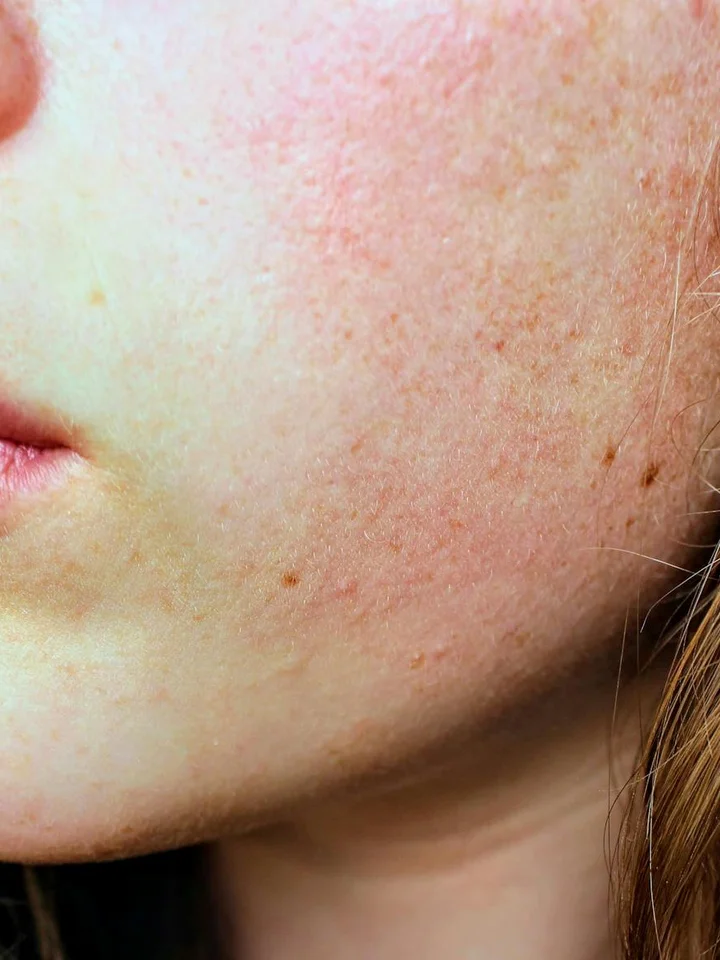
Yes, retinol absolutely helps with pigmentation, but not with a single magic trick. It works through a coordinated, multi-step process that makes it a top choice for fading dark spots.
First, it dramatically increases skin cell turnover. Think of your skin’s surface like a conveyor belt of cells. Pigmented, darkened cells sit on top. Retinol speeds up that conveyor belt, helping you shed those discolored cells faster to reveal newer, clearer skin underneath. In addition, retinol stimulates collagen production, which can help smooth wrinkles and improve skin firmness over time. So while you’re shedding dull cells, you’re also supporting a more youthful, resilient complexion.
At a deeper level, retinol interrupts the melanin production line inside your skin cells. This efficacy partly depends on using the right retinol percentage in products suitable for your skin. It helps calm down the melanocytes (your skin’s pigment factories) that went into overdrive from sun exposure or inflammation, signaling them to produce less melanin in the first place.
Finally, retinol improves skin texture and boosts collagen. Dark spots often look more pronounced on uneven or sun-damaged skin. By smoothing texture and plumping the skin, retinol makes hyperpigmentation less shadowed and visually apparent. It’s like fixing the canvas before repainting.
Does Retinol Work on All Types of Dark Spots?
Its effectiveness depends on what created the spot. Retinol is a star player for some types and a supportive team member for others.
- Sun Spots (Solar Lentigos): Very effective. These are often superficial, and retinol’s exfoliating and melanin-inhibiting action works well on them.
- Post-Inflammatory Hyperpigmentation (PIH): Highly effective. These are the flat, brown marks left after acne or a bug bite heals. By accelerating turnover and calming pigment production, retinol helps clear them.
- Hormonal Melasma: Supportive, but needs a team. Melasma is complex and triggered by hormones and heat. Retinol can help manage it, but you often need other strategies (like prescription topicals and strict sun avoidance) for best results.
For dark under-eye circles, it depends on the cause. If your dark circles are primarily due to pigment (brownish tones), retinol can help lighten them over time. If they’re caused by thin skin showing blue veins (vascular) or a hollow structure creating shadows, retinol’s impact will be minimal.
Why Do Some People Say “Retinol Dark Spots Worse” at First?
I hear this often from clients like Noah, who started retinol and called me worried. Initial darkening is a real, frustrating phase for many.
This happens for a couple of reasons. First, the initial dryness and peeling can make the skin look ashy or flaky, which can create more contrast and make spots appear darker. Second, and more commonly, retinol can cause a “purging” of deeper pigment. As it accelerates cell turnover, it brings pigmented cells that were lurking deeper in the skin up to the surface all at once.
This temporary darkening is usually a sign the product is working at a cellular level, not that it’s harming you. With consistent, gentle use and supreme sun protection, those spots will then begin to fade. If intense redness or burning accompanies the darkening, that’s irritation, and you should pause and reassess your frequency.
Building Your Routine: How to Use Retinol for Dark Spots Safely
Using retinol for dark spots is a marathon, not a sprint. Rushing causes irritation, which can actually trigger more pigmentation. Here’s a slow and steady protocol.
- Start Twice a Week, at Night: Apply it on dry, cleansed skin 2 nights a week, with at least one night off between uses.
- Try the “Sandwich Method” for Sensitivity: If you’re reactive like Noah, apply a thin layer of moisturizer first, then your retinol, then another layer of moisturizer. This buffers the intensity without blocking efficacy.
- Use a Pea-Sized Amount: For your entire face. More is not better and greatly increases irritation risk.
Pair your retinol with ingredients that support your barrier and calm inflammation. Look for moisturizers with ceramides, niacinamide, or centella asiatica. These are excellent teammates.
Initially, avoid using retinol directly with other potent actives like AHAs (glycolic acid), BHAs (salicylic acid), or vitamin C. Use them on your off nights or in the morning once your skin is fully tolerant.
Choosing Your Concentration: From Beginner to Pro
You don’t need a high percentage to see results. Consistency with a lower strength almost always beats an irritating high-strength routine you can’t stick with.
- Beginners & Sensitive Skin (like Noah): Start with 0.1% to 0.3% retinol. This gives your skin time to build tolerance with minimal drama.
- Experienced Users & Oily/Resilient Skin (like Maya): You can consider 0.5% after building a tolerance baseline. Many find this strength perfectly effective for long-term use.
- Prescription-Strength (Tretinoin): This is for persistent, stubborn pigmentation and requires a clinician’s guidance. Don’t jump here first.
Lina, with her combination skin, did well starting with a 0.25% formula on her entire face, using the sandwich method on her drier cheeks.
The Non-Negotiable Partner: Sunscreen
This is the most critical step. Retinol makes your skin more photosensitive, meaning it’s more vulnerable to sun damage. Sun exposure can not only reverse all your fading progress but also worsen hyperpigmentation.
Using retinol for dark spots without daily, generous SPF application is like mopping the floor with the faucet still running. You’re actively undoing your work. Apply a broad-spectrum SPF 30 or higher every single morning, rain or shine, and reapply if you’re outdoors. This protects your new, fresh skin cells and ensures your retinol efforts pay off.
When Not to Try Retinol for Dark Spots: Contraindications & Safety
Retinol is powerful, which is why we love it. That same power means it’s not the right tool for every moment in your skin’s life. Using it when your skin can’t handle it can make your concerns worse, not better. However, understanding its properties and effects on the skin can help you use it more effectively.
Here are the key situations where you should pause or avoid retinol altogether.
Absolute Stop Signs
Do not use retinol if you are pregnant, breastfeeding, or trying to conceive. Oral retinoids are known to cause birth defects, and while topical application is different, dermatologists universally recommend complete avoidance during this time as a precaution.
Your skin barrier must be intact and healthy before introducing retinol. If your skin is actively flaking, burning, raw, or feels tight and painful with any product, that’s a sign of a severely compromised barrier. Applying retinol on top is like scrubbing a scraped knee-it will delay healing and cause more damage. Once your barrier is intact, a layer retinoids barrier repair approach can help you reintroduce retinoids safely. It emphasizes gradual, barrier-supportive layering to minimize irritation.
Proceed with Extreme Caution
If you have a diagnosed skin condition like eczema or rosacea, you must be in a calm, managed phase. An active flare-up—with red, inflamed, itchy, or weeping skin—is not the time for retinol. It can dramatically increase irritation.
Anywhere you have broken skin, like cuts, scrapes, or recently popped blemishes, is a no-go zone for retinol. It will sting intensely and slow the healing process.
The Sensitive Skin Protocol
If you have reactive skin like my client Noah, your approach needs extra care. Noah learned the hard way that jumping straight into a nightly retinoid routine led to weeks of redness. For sensitive types, two steps are non-negotiable.
First, always do a patch test. Apply a pea-sized amount to a small area on your jawline or behind your ear for three to five nights. If you see significant redness, peeling, or itching, you may need to start with a lower concentration or a gentler retinoid alternative.
Second, consulting a dermatologist or licensed esthetician is your best first move. They can assess your specific skin condition, recommend a starting product and frequency, and create a plan that strengthens your barrier alongside treatment. This guidance is invaluable for avoiding a setback.
Beyond the Face: Does Retinol Get Rid of Age Spots on the Body?
Those sun spots on your chest, hands, and arms didn’t get the memo that they’re supposed to stay on your face. The good news is retinol can work there too. The skin on your body is often thicker and less sensitive than facial skin, which can be an advantage.
You might tolerate a slightly stronger formulation on your chest or arms. Look for body-specific retinol creams or serums. They’re often formulated to be spread over larger areas without feeling overly sticky or expensive. When applying, use a gentle hand-you don’t need to scrub it in.
Body skin responds more slowly to treatment because the cellular turnover rate is naturally lower than on your face. Don’t expect to see changes in a few weeks. You’re playing a longer game here, often needing three to six months of consistent use to see noticeable lightening of sun spots on the body.
Your routine matters. Apply your retinol body treatment to clean, dry skin at night. Since your chest and hands are still exposed to daylight, morning sunscreen is absolutely critical. If you’re treating your hands, apply sunscreen to the backs of your hands every single day, even in the car. Without sun protection, you are simply undoing all your hard work every morning.
Managing Expectations: The Retinol Dark Spots Before and After Timeline

Retinol is powerful, but it is not a magic eraser. It’s a cellular communicator, and changing your skin’s behavior takes consistent conversation over time. Setting realistic expectations is the single best way to avoid frustration and stick with a routine that truly works.
The Realistic Retinol Timeline for Dark Spots
Think of this timeline as a map for a journey, not a countdown to a finish line. Your exact path depends on your skin type, the depth of your pigmentation, and your consistency.
- Weeks 1 to 4: The Adjustment Period. Your skin is getting to know retinol. You might notice some dryness, flaking, or mild redness as your skin cell turnover starts to ramp up. This is often called “retinization.” The spots themselves won’t look different yet. Your only goal here is to help your skin adapt without irritation. Start slowly, use a pea-sized amount, and always buffer with moisturizer if needed.
- Months 1 to 3: Early Signs of Fading. This is where you might start to see the first encouraging changes. Existing dark spots may begin to look less concentrated and more “fuzzy” around the edges as pigment rises to the surface. You might also notice your overall complexion looks brighter and more even-toned. New post-breakout marks may fade much faster than they used to.
- Month 6 and Beyond: Significant Lightening. With consistent, long-term use, this is where retinol delivers its most convincing results. Stubborn, older spots show clear, visible lightening. The contrast between the spot and your natural skin tone decreases significantly. Your skin’s texture often improves alongside this fading, as retinol continues to smooth and refine.
What True Success Looks Like
It’s vital to understand that the goal for most post-inflammatory hyperpigmentation (PIH) and sun spots is significant lightening, not necessarily complete, invisible erasure. Retinol excels at breaking up and dispersing clusters of melanin pigment, making them far less noticeable. For some shallow spots, they may vanish. For deeper, more set-in discoloration, retinol can lighten them to the point where they are only visible to you upon very close inspection.
Deep, pitted scars or certain types of melasma involve factors beyond just surface pigment, and while retinol helps, they often require a combination approach with other professional treatments for optimal improvement. Celebrating the 70-80% fade is a more realistic and satisfying measure of success than chasing a 100% perfect canvas.
A Real Journey: Lina’s Post-Acne Marks
Let me share a story from my client Lina. She has combination, sensitive skin and would get frustrated because every hormonal breakout left behind a stubborn, muddy brown mark that lasted for months. She felt like she was always healing old spots while worrying about new ones.
We introduced a gentle, encapsulated retinol serum twice a week, paired with her favorite barrier-repair moisturizer. The first month was uneventful-just some mild tightness. Around week seven, she emailed me, a bit disappointed, saying nothing had changed. I asked her to take a selfie in the same natural light she always used.
When she compared it to her baseline photo, we both saw it: the two-month-old spot on her chin was less of a stark brown circle and more of a soft, fading shadow. The victory wasn’t that it was gone, but that it was actively leaving-and no new mark from her last pimple had formed with the same intensity. At her four-month check, those older spots were barely perceptible. Her routine wasn’t just fixing the past; it was changing how her skin responded to inflammation in the present. That’s the real power of patience with retinol.
Your Retinol for Dark Spots Questions, Answered
Can I use retinol with my vitamin C serum or other acids?
Yes, but not at the same time. To avoid irritation, use your vitamin C serum in the morning and retinol at night, or alternate them on different evenings, especially when starting out.
How do I treat dark spots on my body with retinol?
You can use retinol-based products on areas like the chest and hands, but consistency and patience are key. If you’re targeting the neck and chest, look for retinoids formulated for those delicate areas. Body skin responds more slowly, so dedicate yourself to nightly application and, most importantly, daily sunscreen on those areas to see fading over several months.
What’s the first thing I should do if retinol causes irritation?
Pause use immediately and focus on barrier repair with a gentle, soothing moisturizer. Once your skin has fully calmed down, you can reintroduce retinol less frequently, using the “sandwich method” to buffer its effect.
Your Journey to a More Even Tone
Retinol is a proven ally against dark spots, but its power is unlocked through patience and daily sunscreen use. I advise every client, from cautious Noah to curious Lina, that this ingredient rewards a gentle, consistent approach above all else. Some people believe a myth that sunscreen reduces retinol’s effectiveness, but when used together, the pairing is highly effective. I’ll explore how to optimize this in the next steps.
- Start low and slow: apply a pea-sized amount only 2-3 nights per week to build tolerance.
- Always follow with moisturizer to soothe skin and support your moisture barrier.
- Sun protection is mandatory: use a broad-spectrum SPF 30+ every single morning to protect new skin.
- Give it 8 to 12 weeks of consistent use before expecting to see significant fading.
- If irritation flares, pause and pamper with fragrance-free hydrators until your skin calms.
Your questions and experiences are valuable. I’m here to offer evidence-based advice, so feel free to share your thoughts or ask for clarification on the LuciDerma blog. Let’s continue this conversation to support your skin health.
Citations and Authoritative Sources
- Retinol for Hyperpigmentation & Dark Spots CeraVe Australia
- Effects of Topical Retinoids on Acne and Post-inflammatory Hyperpigmentation in Patients with Skin of Color: A Clinical Review and Implications for Practice – PMC
- Can Retinol Improve Hyperpigmentation? – Ensoul Medical Clinic
- How to Treat Hyperpigmentation, Age Spots, & Melasma
- Retinol for Hyperpigmentation: How This Powerful Ingredient Helps Fade Dark Spots – Agelock Skin & Hair Clinic
- Topical Retinoids for Pigmented Skin – JDDonline – Journal of Drugs in Dermatology
- How retinol can help with dark spots | Curology
- Why Is My Skin Getting Dark After Using Retinol? – London Premier Laser & Skin Clinic
- Dark Spot Corrector with Retinol Rapid Repair | Urban Skin Rx | Urban Skin Rx®
Lucy Zimmerman
Lucy is an expert author and blogger when it comes to skin care and body care. She has first hand expertise acting as skin care consultant for over 5+ years helping her clients achieve smooth blemish free skin with natural and working remedies. She also has been an avid experimenter and tried out all the natural and artificial remedies and treatments so you can learn from her first hand experience. Additionally, she has traveled to many countries around the world and incorporated the skin care routines she has learnt into this blog. So, wait no more, reach out to Lucy if you have any specific needs and follow her blog, LuciDerma for expert skin care advice.