
Retinol Percentages Decoded: How Strength Impacts Your Skin Results
If you’ve ever stared at a retinol serum wondering what that percentage really means for your skin, you’re not alone. I see clients like Maya and Noah wrestle with this exact question every week in my practice.
By the end of this article, you’ll be empowered to:
- Decode retinol percentages from 0.01% to 1% and understand what each level can do.
- Learn why a higher strength doesn’t always mean better results for your unique skin.
- Choose the right concentration to target wrinkles, acne, or texture without irritation.
- Build a retinol routine that adapts as your skin becomes more resilient.
Let’s turn that label confusion into skin confidence.
Retinol 101: Your Skin’s Gentle Reset Button
Think of your skin cells as a team that sometimes gets a little stuck in its routine. Retinol is a gentle nudge. It’s a form of vitamin A that your skin cells recognize. When you apply it, it gets converted into retinoic acid, the active molecule that tells your cells to work a bit better. It encourages them to renew themselves at a more youthful pace and supports collagen production. That’s how retinol can impact wrinkles and collagen. With consistent use, you might notice smoother, firmer skin over time.
This process helps fade dark spots, smooth fine lines, and clear clogged pores. Retinol is your skin’s gentle reset button, not a harsh reboot. It works with your biology, not against it.
It’s helpful to contrast it with its stronger cousins, prescription retinoids like tretinoin. Those are the pure, active retinoic acid itself. They’re powerful and work quickly, but they also come with a higher likelihood of irritation like redness and peeling. Retinol is a precursor; your skin converts it as needed, which makes it a more forgiving, over-the-counter option for consistent, long-term use.
To understand why percentage isn’t the whole story, let’s look at retinol’s basic profile.
Your Retinol Molecule Spec Sheet
Here’s a quick cheat sheet on retinol’s behavior in a formula. This explains why a product’s formulation is just as important as the percentage on the label.
| Property | What It Means for Your Skin Care |
| pH Sensitivity | It’s stable in a slightly acidic to neutral environment (around pH 5-7). Very low pH formulas can degrade it. |
| Typical OTC Concentration | Ranges from 0.01% to 1.0% in non-prescription products. Most effective results are seen in the 0.3% to 1% range. |
| Solubility | It’s oil-soluble. This is why it’s often formulated in creams, serums, or encapsulated in lipid spheres, not in plain water-based toners. |
| Safety & Stability | It’s fragile. Exposed to light and air, it breaks down and becomes ineffective. Stable formulas use airtight, opaque packaging and protective ingredients. |
A brilliant formulator, like the ones we work with, uses this spec sheet as a guide. They might protect a delicate retinol molecule in a protective capsule (encapsulation) to deliver it deeper into the skin without surface irritation. The right formulation ensures the retinol stays potent from the bottle onto your skin and doesn’t cause unnecessary redness. This is why my client Noah, with his reactive skin, can often tolerate a well-formulated 0.3% retinol serum better than a poorly made 0.1% one.
Making Sense of the Numbers: A Guide to Retinol Percentages
When a label says “1% Retinol,” it means that for every 100 grams of the total product, one gram is pure retinol. It’s a measure of concentration, not a guaranteed score of strength. A 1% formula in a harsh, unstable base could be less effective and more irritating than a 0.5% formula in a smart, stabilizing blend.
Over-the-counter retinol lives in a specific range. Here’s how it typically breaks down:
- Very Low (0.01% – 0.03%): An excellent starting point or choice for extremely sensitive skin. The effects are subtle and build very slowly, focusing on mild renewal.
- Low (0.1% – 0.3%): The most common beginner and maintenance range. This is where many people, like Lina, find their “Goldilocks” percentage-effective for texture and clarity without major irritation when used 2-3 times a week.
- Moderate (0.5% – 0.8%): For those who have acclimated to lower strengths. You can expect more noticeable improvements in fine lines and post-acne marks. Purging or mild flaking is possible when first moving up.
- High (1.0%): The maximum available without a prescription. This is for experienced retinol users with resilient skin seeking significant results. Using a 1% retinol without building tolerance is a common shortcut to a red, peeling, unhappy complexion.
In the US and many other countries, anything stronger than 1% retinol, or any amount of pure retinoic acid (like tretinoin), requires a doctor’s prescription. This is the legal line between cosmetic care and pharmaceutical treatment. People often ask about retinol vs tretinoin efficacy. Retinol must be converted to active retinoic acid in the skin, while tretinoin is already active, leading to different strength and efficacy profiles.
This brings us to a question I hear often: does a drugstore retinol, like from CeraVe, actually work? Absolutely, if it’s well-formulated. Brands like CeraVe often use lower percentages (commonly around 0.1%-0.3%) combined with encapsulation technology. The tiny encapsulated spheres control the release of retinol, making it gentler. They also pair it with essential barrier-repair ingredients like ceramides. For a beginner like Maya starting her anti-acne journey, a gentle encapsulated retinol is often a smarter, more sustainable choice than jumping to a high-percentage product. The percentage is part of the story, but the delivery system and supporting ingredients write the final chapter on your skin.
Strength vs. Smarts: How Formulation Changes Everything
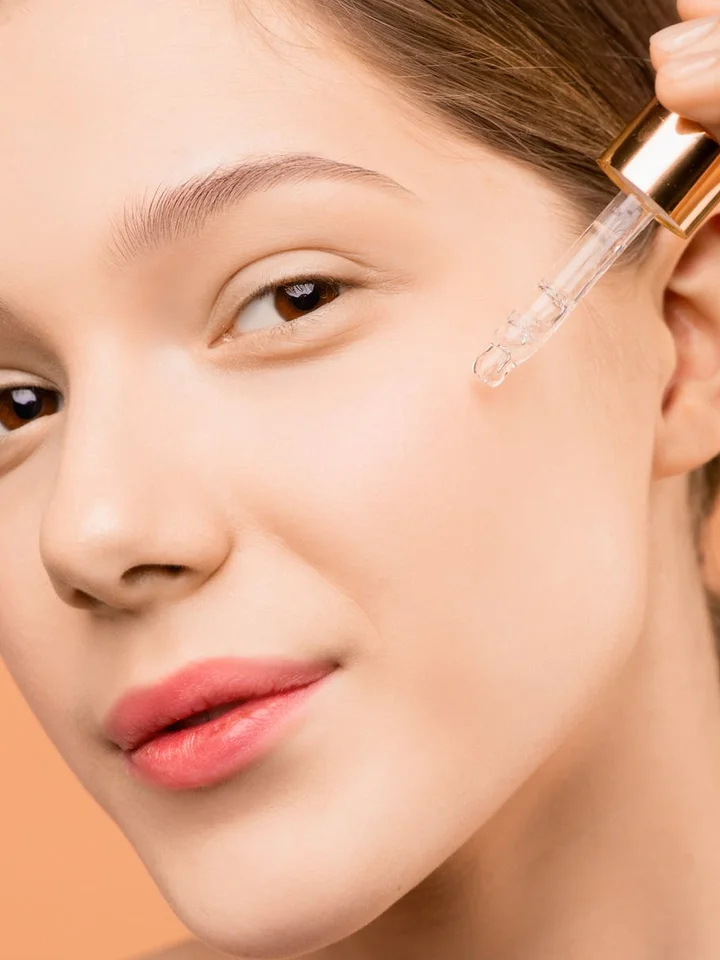
Think of retinol percentage as the horsepower of a car. It tells you about potential power, but it doesn’t tell you about the transmission, the tires, or the driver. How the retinol is delivered to your skin matters just as much as how much is in the bottle.
Different product types deliver the ingredient in unique ways. A lightweight retinol serum is like a direct messenger. It absorbs quickly, sending the active ingredient straight into your skin. A richer retinol cream acts more like a slow-release vehicle. It often contains more emollients and occlusives, which can help buffer the retinol’s intensity and provide hydration as it works. Oils can be a mixed bag; some help carry ingredients, while others might sit on the skin’s surface, so the formulation’s chemistry is key.
This is where smart science comes in. Many effective formulas use encapsulation technology. Imagine each retinol molecule wrapped in a tiny, protective shell. This shell shields the retinol from breaking down when exposed to air and light, keeping it potent until it touches your skin. Once applied, the shells slowly dissolve, releasing the retinol gradually and gently. Stabilization methods in the base formula work similarly to prevent premature degradation.
A well-crafted 0.3% retinol serum with encapsulation can be far more effective and comfortable than a basic, unstable 1% formula that irritates your skin and loses potency on the shelf. My client Noah, with his dry, reactive skin, learned this the hard way. A harsh 1% cream left him red and flaky, while a stabilized 0.5% serum in a soothing base gave him the results he wanted without the drama. It’s essential to choose right, especially if you’re new to retinol or have sensitive skin.
It’s also why you can’t judge a product by name alone. For instance, a product like Clarins Double Serum utilizes retinol alternatives, such as hydroxypinacolone retinoate, which is a different, often gentler compound. The percentage listed refers to that specific alternative, not pure retinol.
The Retinol Sweet Spot: Balancing Benefits and Sensitivity
Here’s the straightforward relationship: a higher retinol percentage typically brings results faster, but it also raises the risk of dryness, peeling, and redness. Finding your personal sweet spot is about balancing your skin’s tolerance with your goals.
For anyone new to retinol, the only rule is “low and slow.”
- Start with a low percentage, typically between 0.1% and 0.3%.
- Apply it slowly: once or twice a week for the first two weeks.
- Always apply it to completely dry skin, after cleansing, to minimize irritation.
- Follow with a moisturizer to support your skin barrier.
- Patch test behind your ear or on your jawline for a few nights before using it on your full face.
Most dermatology research suggests that for the majority of people, the maximum effective dose tops out around 0.5% to 1%. Beyond 1%, the increase in potential irritation is often much greater than any minimal increase in benefit for concerns like fine lines and texture. More is not always better; consistent use of a well-tolerated percentage will always beat sporadic use of a too-strong one that sits unused in your cabinet.
Your skin concern also guides the ideal strength. For treating persistent acne, like my client Maya deals with, a consistent, moderate strength (think 0.3% to 0.5%) is often key to keeping pores clear and reducing breakouts. For addressing wrinkles and photoaging, significant benefits are seen across a wide range of percentages (from 0.1% up), as long as you use the product faithfully over months. The goal is a product you can use regularly, not one that forces you to stop and repair your skin barrier.
Building Your Retinol Routine: Consistency Over Concentration
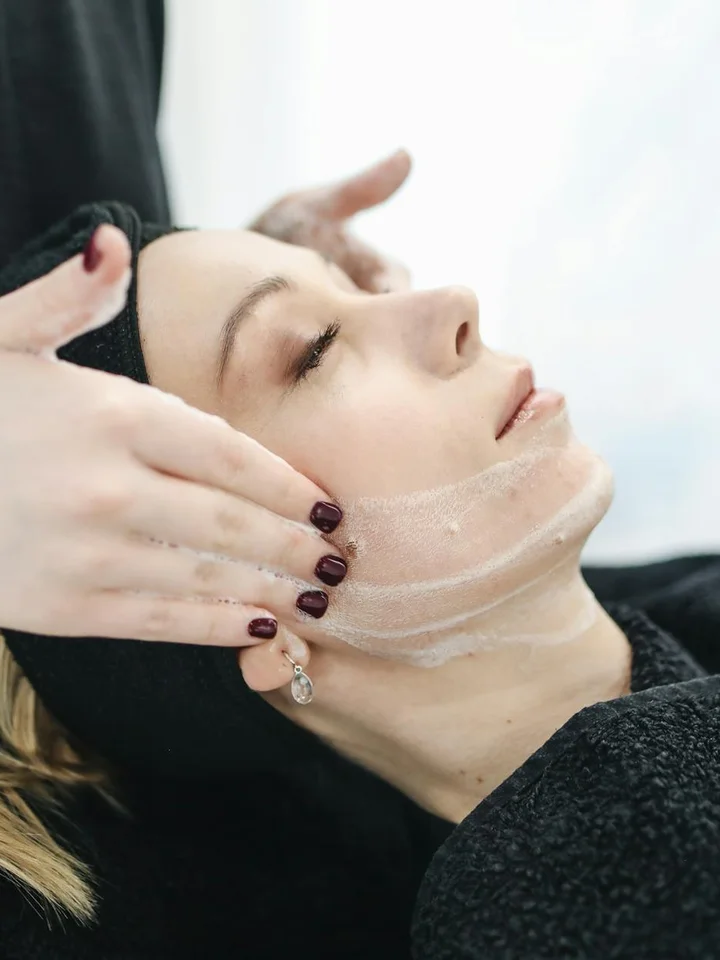
Think of retinol like a steady exercise routine for your skin. A consistent, manageable schedule always delivers better results than a single, punishing workout that leaves you too sore to move for a week. Using a 0.3% retinol serum faithfully every other night will outperform a 1% formula used once a week when you remember it. Your skin adapts and builds tolerance with regular, gentle prompting.
Here is a simple startup sequence to introduce retinol without the drama. I used this exact plan with my client Noah, who has dry and reactive skin, and it helped him avoid the classic redness and peeling.
- Week 1 & 2: Apply your moisturizer first. Wait 20 minutes for it to fully absorb, then apply a pea-sized amount of retinol. This “buffering” technique dilutes the initial impact.
- Week 3 & 4: If your skin feels calm (no stinging, tightness, or significant flaking), try applying retinol to clean, dry skin. Follow it with moisturizer after 10 minutes.
- Frequency: Start with once every three nights. Gradually move to every other night as tolerated. Daily use isn’t a mandatory goal.
A question I get often is, “does Cerave skin renewing night cream have retinol?” It does, and it’s a perfect example of a gentle, moisturizer-based entry point. It uses encapsulated retinol, which releases slowly, and is packed with ceramides to support your skin barrier. It’s an excellent “all-in-one” for beginners.
Pairing with moisturizer is non-negotiable, even for my oily-skinned client Maya. It locks in hydration and soothes. The final, absolute rule? You must use a broad-spectrum SPF 30 or higher every single morning. Retinol makes new skin cells that are especially vulnerable to sun damage.
Top Formulas by Concentration: A Curated Guide
When shopping, look beyond the percentage. The product’s base (cream or serum) and its supporting cast of ingredients determine how it feels and works on your skin.
Gentle Starters: 0.1% – 0.3%
I recommend this range for almost everyone starting out, especially those with sensitivity like Lina. Look for calming formulas.
- Product Type: Often found in nourishing creams or milky serums.
- Look For: Soothing ingredients like niacinamide, ceramides, oat extract, or panthenol. These help counteract potential dryness.
- Format Tip: Creams in tubes or jars are common here, but an airless pump is always a bonus for keeping the retinol stable.
Moderate Strength: 0.3% – 0.5%
This is a great “maintenance” level for those who have acclimated to starter retinols and want to target finer lines or persistent texture.
- Product Type: Typically serums or lightweight lotions.
- Look For: Hydrating boosters like hyaluronic acid or glycerin. Some formulas include antioxidants like vitamin E for added protection.
- Format Tip: Serums in opaque, air-restrictive bottles or pumps are ideal at this stage to maintain potency.
Advanced: 0.5% – 1.0%
Reserve these for experienced retinol users with resilient skin who aren’t seeing further benefits from lower concentrations. Proceed with caution. If you’re considering starting retinol at a younger age, follow age-related safety precautions and consult a dermatologist to tailor a plan.
- Product Type: Almost exclusively serums, designed for precise application.
- Look For: Formulas with skin-repairing ingredients like peptides or ceramides to help manage the increased potential for irritation.
- Format Tip: Airless pump packaging is crucial here. Avoid any product in a clear jar that’s been sitting on a sunny shelf.
Retinol Myths and Honest Answers

Let’s clear up some confusion. First, “does carrot have retinol?” Carrots contain beta-carotene, which your body can convert to vitamin A. This is an internal nutritional process and does not provide the direct, targeted skin benefits of topical retinol application. Rubbing carrot juice on your face is not a retinol alternative.
Next, “does Bio-Oil have retinol?” It contains retinyl palmitate, a milder ester of vitamin A. Its concentration is typically very low, and it’s in an oil base, making it a less potent option. It’s not where I’d send someone looking for the recognizable benefits of retinol. On safety and results, many compare retinyl palmitate to retinol to know what to expect. A quick look at retinyl palmitate safety vs retinol shows it’s typically gentler but less potent.
Can you use retinol with other actives? Yes, but timing is key. You can use vitamin C in the morning and retinol at night-they make a powerful duo. Do not apply retinol at the same time as AHA/BHA exfoliants (like glycolic or salicylic acid). Use them on alternate nights to avoid overwhelming your skin barrier.
Understanding purging versus irritation is critical. Purging (small pimples in areas you usually break out) is a temporary acceleration of skin turnover. Irritation (redness, burning, stinging, scaly patches) means your skin is unhappy. If you experience intense burning, swelling, or cracked skin, stop using the product and focus on gentle repair. Persistent irritation means the formula or frequency is too strong for you right now.
Ultimately, smart skin care is not about chasing the highest percentage. It’s about choosing a strength your skin can tolerate consistently, delivered in a well-formulated product that supports your barrier. That is how you build real, lasting results.
Your Retinol Percentage Questions, Answered
For a beginner, what’s the ideal retinol percentage to start with?
We always advise starting with a low percentage, between 0.1% and 0.3%. This range allows your skin to build tolerance effectively, providing a foundation for visible results with minimal risk of irritation.
How does a product’s formulation stability impact its efficacy?
An unstable formula can degrade retinol before it even touches your skin, making the stated percentage irrelevant. Look for opaque, airtight packaging and ingredients like encapsulation, which protect potency and ensure the retinol you apply is actually active.
Are different retinol percentages better for specific concerns like acne or wrinkles?
While all percentages support skin renewal, moderate strengths (0.3%-0.5%) are often key for persistent acne. For anti-aging, significant benefits build over time with consistent use of any percentage within the effective range, from 0.1% upwards.
Finding Your Perfect Retinol Match
Choosing a retinol product is less about finding the highest number and more about finding the right partner for your skin’s unique journey. The most effective retinol is the one you can use consistently without compromising your skin’s comfort and health. Listen to your skin’s feedback more closely than the percentage on a label, especially when comparing retinol and tretinoin (Retin-A).
- Start with a low percentage (0.025% to 0.1%) to build tolerance without irritation.
- Judge a product by its full formulation, not just its retinol level.
- Always pair retinol with a nourishing moisturizer and daily sunscreen.
We’re here to help you navigate your skincare choices. If you have more questions about retinol or any other ingredient, the LuciDerma blog is your resource for gentle, effective guidance. Your skin’s health is a lifelong conversation, and we’re listening.
Deep Dive: Further Reading
- Choosing The Right Retinol Strength and Retinoid Strength Charts – Medik8
- Your Guide to Retinoid & Retinol Strengths | Paula’s Choice
- Retinol Percentages and Retinoid Strength Charts – Skin Type Solutions
- Types of Retinoids + The Definitive Retinol Strength Chart – Protocol Skincare
- Guide to Different Retinol Strengths & Their Retinoid Equivalents
- If You’re New to Retinol, Which Concentration Should You Begin With?
Written by Lucy Zimmerman. Lucy is an expert author and blogger when it comes to skin care and body care. She has first hand expertise acting as skin care consultant for over 5+ years helping her clients achieve smooth blemish free skin with natural and working remedies. She also has been an avid experimenter and tried out all the natural and artificial remedies and treatments so you can learn from her first hand experience. Additionally, she has traveled to many countries around the world and incorporated the skin care routines she has learnt into this blog. So, wait no more, reach out to Lucy if you have any specific needs and follow her blog, LuciDerma for expert skin care advice.