
Tyrosine in Skin Care: Your Guide to Brighter, More Even Skin
You might have spotted tyrosine on an ingredient list and wondered what this amino acid really does for your complexion. Let’s clear that up together.
By the end of this article, you will know:
- What tyrosine is and where it comes from, so you understand its role in your skin’s natural processes.
- Why it’s a key player in melanin production, helping you make sense of skin tone and brightening products.
- How to identify and use tyrosine effectively in a cruelty-free routine, so you can approach your skin goals with confidence.
Think of this as your friendly, evidence-based map to navigating tyrosine in your skin care journey.
Tyrosine Explained: The Skin’s Natural Signal Molecule
Think of tyrosine as one of the tiny, essential building blocks your body uses to make proteins. It’s an amino acid. In skin care, we’re interested in it because of the specific messages it can help send within your skin. In skincare, tyrosine is explored for its role in pigment signaling and skin repair. That’s why tyrosine amino acid skin care is a topic you’ll often see in product formulas and beauty articles.
Your body is pretty clever about amino acids. Tyrosine is considered “non-essential,” not because it’s unimportant, but because your body can produce it on its own. It synthesizes tyrosine from another amino acid you get from food, called phenylalanine.
So, what is tyrosine’s role in skin care? It acts as a key starting material. Inside your skin cells, tyrosine is converted into melanin, the pigment that gives your skin, hair, and eyes their color. This direct link to pigment production is why tyrosine is a central player in discussions about managing hyperpigmentation and evening skin tone. It’s also a precursor for important neurotransmitters, which is why you’ll see it in wellness supplements, but for skin, the melanin connection is primary.
You can find tyrosine naturally in many protein-rich foods and supplements. It’s a component of proteins like albumin (found in egg whites) and whey protein. For clients like Maya, who notices breakouts linked to whey, this is a helpful piece of the puzzle-it’s not the tyrosine itself causing issues, but understanding the whole protein source matters for her skin.
Molecule Spec Sheet: L-Tyrosine at a Glance
When you see it on an ingredient list, here’s what you’re getting.
How Skin Care Brands Source and Use Tyrosine
The L-tyrosine used in your serums and creams is typically created through microbial fermentation. This is a clean, controlled process where specific microorganisms are used to produce a pure and consistent batch of the amino acid. It’s a sustainable and precise method favored by ethical labs.
This is different from how tyrosine is produced in your body. Yours is made internally from phenylalanine or absorbed directly from the protein in your diet, like chicken, fish, or tofu. The cosmetic version is just a purified, standalone form of that same building block.
You will almost never find pure L-tyrosine as a starring active in a bottle. In skincare, tyrosine’s power is unlocked when it’s linked into short chains of amino acids called signal peptides. These peptides, like palmitoyl tripeptide-38, use tyrosine as a key “word” in their cellular message, which is often about supporting collagen or influencing pigment production.
Chemist’s Note: Why Tyrosine’s Structure Matters in Your Serum
Let’s get practical about the chemistry. Tyrosine’s structure has parts that are hydrophilic, meaning they love water. This allows it to form hydrogen bonds easily.
Think of hydrogen bonds like gentle, temporary magnets between water molecules and certain parts of the tyrosine molecule. This water-loving nature is why tyrosine integrates smoothly into the aqueous bases of most serums and lotions, helping create a stable, fluid texture that absorbs well. For someone like Lina, who prefers lightweight layers, this property means effective ingredients can be delivered without a heavy, greasy feel. The structure directly influences how the final product performs on your skin.
The Core Functions: What Tyrosine Actually Does For Your Skin

Think of your skin as a bustling little city. Tyrosine is like a delivery truck carrying a very specific building material. Its main job is to be the starting point for making melanin, the pigment that gives your skin, hair, and eyes their color. Melanin plays a vital role in protecting your skin from sun damage. However, when trying to manage skin pigmentation issues, it’s crucial to understand the long-term safety of treatments targeting melanin production.
Inside your skin cells, an enzyme called tyrosinase takes tyrosine and starts a chemical reaction that eventually creates melanin. This process is central to everything from getting a tan to dealing with dark spots. Without tyrosine, your skin literally could not produce pigment, which is why it’s a key player in any conversation about skin tone and hyperpigmentation, especially in relation to tyrosinase activity and melanin synthesis.
But tyrosine wears another hat. It’s a crucial part of certain copper-binding peptides, the most famous being GHK-Cu (copper peptide). In this form, it’s not about color. It’s about communication. The peptide delivers copper ions to your skin cells, which acts like a signal flare. This tells your skin to ramp up repair work, boosting collagen and elastin production.
It also plays a supporting role in your skin’s stress response. Tyrosine is a precursor for neurotransmitters that help the body manage stress, and while the direct link to skin is complex, balanced internal systems support healthier skin function. Indirectly, this can contribute to your skin’s overall antioxidant defenses.
For Aging Skin: Signaling a Fresher Foundation
As we age, our skin cells get a bit forgetful. They slow down on producing fresh collagen and don’t repair themselves as quickly. This is where tyrosine, as part of the GHK-Cu peptide, comes in as a gentle reminder.
You can picture GHK-Cu as a friendly supervisor visiting a construction site that’s gotten slow. It doesn’t do the work itself, but it gives clear instructions to get things moving again. This peptide signals older skin cells to act more like younger, healthier ones, encouraging them to produce more supportive collagen and heal more efficiently.
For someone like Noah, who has dry, reactive skin in his 40s, this type of signaling ingredient can be a game-changer. It supports firmer, more resilient skin without the irritation that stronger actives like retinoids can sometimes cause. The benefits you might see include improved firmness, a smoother skin texture, and better support for your skin’s natural wound-healing processes, which means less noticeable damage from little cuts or blemishes.
For Pigmentation: A Key Player in the Melanin Story
This is where it gets interesting, and a bit confusing. Tyrosine is essential for making melanin. So, how can it possibly help with dark spots? The answer is all about context and form.
On its own, as a simple amino acid, tyrosine is just raw material. But in certain engineered peptide forms, it can be part of a system that helps regulate pigment production. These peptides act as tyrosinase inhibitors, interfering with the enzyme’s ability to use tyrosine effectively. It’s like putting a gentle brake on the melanin assembly line when it’s overactive.
It’s critical to understand that tyrosine or its peptide derivatives are not direct bleaching agents like hydroquinone. They don’t erase pigment. Instead, they are part of a smarter signaling system that helps normalize the process, telling melanin-producing cells to calm down when they’re overreacting to sun damage or inflammation.
For my client Lina, who deals with post-acne dark marks on her combination skin, this nuanced approach is perfect. It targets hyperpigmentation without the harshness, working gradually to even out tone. It’s a reminder that in skin care, sometimes the goal isn’t to block a process entirely, but to guide it back to balance.
Finding Tyrosine in Products: A Label Reading Guide
You won’t find a jar of pure “tyrosine” at the skincare store. Think of it like this: you don’t buy a single cog to fix a watch, you buy the whole, expertly assembled timepiece. In skincare, tyrosine is that vital cog, but it’s delivered inside larger, stable peptide molecules designed to signal your skin.
Your first rule: scan ingredient lists (the INCI names) for specific peptide compounds, not the word “tyrosine.” Two of the most common and well-researched ones are Copper Tripeptide-1 and Palmitoyl Tripeptide-38.
- Copper Tripeptide-1 (GHK-Cu): This is a copper peptide where tyrosine is a key part of its structure. It’s famous for supporting wound healing and encouraging a healthy production of collagen and elastin. If you’re focused on firmness or recovery from marks, this is a peptide to look for.
- Palmitoyl Tripeptide-38: This peptide also contains tyrosine and is specifically engineered to help reduce the look of deep wrinkles by targeting multiple pathways in the skin’s support structure. It’s a powerhouse for addressing signs of aging.
On a product’s ingredient list, these will appear exactly as “Copper Tripeptide-1” or “Palmitoyl Tripeptide-38.” They are the complete, functional ingredients. You might see them alongside other supportive ingredients like hyaluronic acid or antioxidants.
Where these peptides are listed matters-ingredients are in order of concentration. You don’t need them first, but finding them in the middle of the list, before the very last ingredients, often means there’s enough in the formula to be effective.
Now, where do you use these? Not every product type is ideal. Peptides work best in formulations that allow them to penetrate and remain stable on your skin. Understanding the skincare benefits of peptides and how the FDA regulates peptide-related claims can help guide your choices. Look for evidence-backed claims that align with regulatory standards when evaluating products.
- Serums: This is the gold standard. A lightweight, water-based serum is the perfect vehicle to deliver peptides deep into your skin layers. My client Lina uses a peptide serum in the mornings under her moisturizer for a firming boost without heaviness.
- Targeted Treatments: Look for eye creams or frown line gels that feature these peptides. The skin around your eyes and mouth is thinner and can show the supportive benefits of peptides more quickly.
- Recovery Creams or Night Moisturizers: Rich, emollient creams designed for overnight repair are fantastic partners for peptides. They create a nurturing environment that supports the skin’s natural renewal process while you sleep. This is a routine my client Noah prefers for his drier skin.
Always patch test a new peptide product, especially if you have reactive skin. Apply a small amount behind your ear or on your inner arm for a few days to check for any sensitivity before using it on your face.
How to Use Tyrosine-Containing Products Safely and Effectively
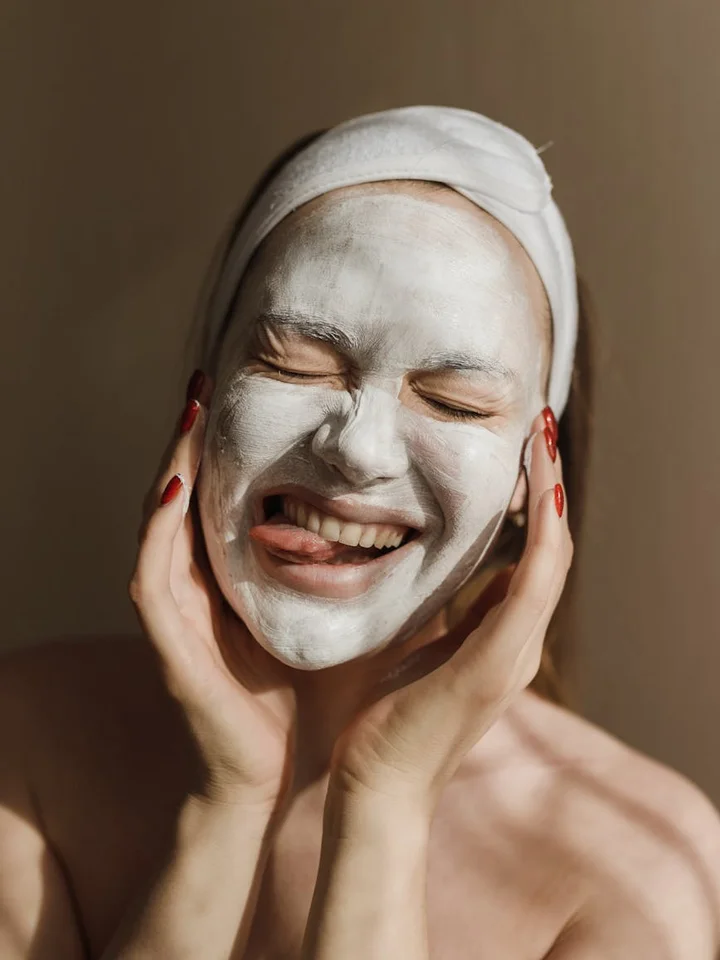
Seeing “tyrosine” or a peptide like “copper tripeptide-1” on a serum label is exciting, but using it correctly is what makes it work. Think of these ingredients as skilled workers. You need to give them the right environment and tools-your routine-to do their best job.
Your Step-by-Step Peptide Serum Routine
For most people, a peptide serum fits perfectly into a simple evening ritual. Let’s take my client Noah as an example. His dry, reactive skin needs gentle, reparative steps that won’t cause irritation.
- Cleanse. Start with a gentle, pH-balanced cleanser to remove the day without stripping your skin.
- Tone (Optional). If you use a hydrating toner or essence, apply it now. This adds a layer of dampness to your skin.
- Apply your peptide serum to damp skin. This is the key step. Pat your face lightly with your hands until it’s slightly damp (not dripping). Apply 2-3 drops of your serum, gently pressing it into your skin. Applying to damp skin helps these water-loving peptides penetrate more effectively.
- Lock it in with moisturizer. After the serum feels absorbed, follow with your usual moisturizer. This seals in the peptides and provides essential hydration.
You can use a peptide serum in the morning too. Just follow the same steps, and then always, always apply sunscreen as your final layer.
The Non-Negotiable Sunscreen Partnership
This is the most critical point I stress to everyone, from Maya to Lina. Peptides are messengers that support your skin’s natural repair processes, some of which are triggered by daily environmental exposure. For daily use, safety and proper concentrations matter to avoid irritation. Look for reputable products with transparent labeling to support a safe, effective routine.
Peptides work to help fix damage, but a broad-spectrum SPF 30+ sunscreen is what prevents that damage in the first place. Using peptides without sunscreen is like trying to bail water out of a boat with a small cup while a hole is still open. You’re doing repair work, but you’re not stopping the cause. Make sunscreen your unwavering daily habit.
Playing Nice with Other Active Ingredients
Peptides are generally gentle team players, but timing matters with more potent actives. The goal is to let each ingredient work without interfering with another or irritating your skin.
- Best Friends (Use Together): Peptides pair wonderfully with hydrators like hyaluronic acid, soothing ingredients like niacinamide, and most moisturizing oils.
- Separate Shifts (Use at Different Times): Schedule direct acids (like glycolic or salicylic acid) and strong prescription retinoids for a different part of your day or week. Apply your peptide serum on nights when you are not using an exfoliating acid or your retinoid. This prevents potential interactions and gives your skin a dedicated recovery night.
- Always Test First: If you have sensitive skin like Lina, do a patch test. Apply a small amount of the peptide serum behind your ear or on your inner arm for a few nights to check for any reaction before using it on your full face.
Tyrosine vs. Other Common Skin Care Ingredients

When you see a new ingredient like tyrosine peptides, it’s natural to wonder where it fits with your existing favorites. Is it a replacement, or a teammate? Let’s clear up the confusion by comparing its job to other common actives.
Think of your skin care routine like a skilled construction crew: each ingredient has a specific, non-interchangeable role for building healthy skin.
Tyrosine Peptides vs. Vitamin C
Vitamin C is the security guard and the project manager on the melanin production site. It’s a direct antioxidant that neutralizes free radicals (security) and it directly inhibits the tyrosinase enzyme to slow down pigment production (management).
Tyrosine peptides are different. They’re more like the architects and foremen delivering updated blueprints. They don’t block production on the spot, but they help communicate signals to regulate the process and support the skin’s own repair mechanisms from within.
This makes them excellent partners. My client Lina, who deals with post-acne marks, uses a vitamin C serum in her morning routine for antioxidant protection and a peptide serum at night. Using vitamin C and tyrosine peptides together can offer a layered approach: one manages the immediate activity, while the other supports long-term regulation.
Tyrosine Peptides vs. Direct Acids (AHAs/BHAs)
This is a classic case of working on the surface versus working beneath it. Glycolic (AHA) and salicylic (BHA) acids are exfoliants. They work by dissolving the “glue” between dead skin cells on the very top layer, sweeping them away to reveal fresher skin underneath. This is the essence of AHA and BHA exfoliation.
Tyrosine peptides don’t exfoliate at all. They are absorbed to work at a cellular level, supporting the skin’s function and structure where you can’t see it yet.
Because direct acids can be temporarily sensitizing, it’s wise to separate them. Use your peptide treatment on nights when you are not using a potent exfoliating acid, so each ingredient can do its job without overwhelming your skin’s barrier. For someone like Noah with reactive skin, this alternating pattern helps him gain benefits without triggering redness.
Tyrosine Peptides vs. Pure Hydrators (like Hyaluronic Acid)
Hyaluronic acid (HA) is a humectant. Its sole, magnificent job is to attract and hold onto water molecules, like a sponge, to plump and hydrate the skin’s surface layers.
Tyrosine peptides are not primarily hydrators. Their function is communicative and regulatory. While well-hydrated skin is better able to receive and act on those signals, the peptide itself isn’t there to quench thirst.
This is why they layer so beautifully. The routine for my client Maya, who has oily but dehydrated skin, often looks like this: cleanse, apply a hyaluronic acid serum on damp skin, then layer a peptide serum on top. Hyaluronic acid provides the hydration, creating an optimal environment for the peptide messengers to be absorbed and do their work. They address completely different, equally vital needs.
Important Considerations and What to Watch For
Before you add any new ingredient to your routine, it’s smart to know what to expect and how to introduce it safely. Here’s what I tell my clients about using products with tyrosine or its peptide derivatives.
Safety and the Smart Patch Test
Tyrosine itself is a fundamental building block your body already uses, so it’s generally very well-tolerated. The risk of irritation from tyrosine or its peptide cousins is quite low. The real potential for a reaction usually comes from other active ingredients in the formula, like strong exfoliating acids or retinoids.
This is why my rule never changes: always do a patch test. Apply a small amount of the new product to the inside of your arm or behind your ear for a few consecutive nights. If you see no redness, itching, or stinging, it’s likely safe for your face. My client Noah, with his reactive skin, swears by this step-it’s saved him from several potential flare-ups.
Patience is a Skin Virtue
If you’re hoping for a “glow by morning” transformation, you might be disappointed. Think of tyrosine and peptides as your skin’s long-term support team, not emergency responders. These ingredients work by subtly supporting your skin’s natural communication and repair processes, which is a gradual, cumulative effect.
You’re more likely to notice a difference over 8 to 12 weeks of consistent use. It’s like the benefit of drinking enough water every day versus chugging a gallon once. The real magic happens with steady, reliable support. Maya saw her post-acne marks fade more evenly after she committed to a peptide serum for a full season, alongside her trusted sunscreen.
Choosing Ethically Sourced Tyrosine
This is where your product choices matter. Tyrosine can be derived from animal sources (like feathers or wool) or synthesized in a lab. For a truly cruelty-free and consistent ingredient, look for brands that use synthetic L-tyrosine produced via microbial fermentation.
This method is not only vegan but also creates a highly pure and sustainable ingredient. It’s a cleaner process that avoids animal byproducts and yields the exact molecule your skin recognizes. At LuciDerma, this is the standard we believe in-effective skincare doesn’t have to come at an ethical cost.
The Final Verdict on Your Routine
So, should you seek out tyrosine? For most people, the answer is a reassuring yes. Ingredients that utilize tyrosine, particularly in stable peptide forms, offer a safe and scientifically-grounded way to reinforce your skin’s own health mechanisms.
They are excellent supporting players in a balanced routine. For Lina, using a moisturizer with palmitoyl tripeptide-8 helped calm the occasional sensitivity on her cheeks while her salicylic acid serum managed her T-zone. It’s about choosing tools that work with your biology, not against it.
Your Quick Questions on Tyrosine, Answered
Is the tyrosine in my skincare the same as in supplements?
It’s the same fundamental molecule, but its purpose and formulation are entirely different. In your serum, it’s part of a stable peptide complex designed for targeted skin signaling, not for systemic nutritional support.
If tyrosine is for melanin, could it make dark spots worse?
No, when formulated as a signal peptide, it helps regulate the process. These peptides support balanced communication to help calm overactive pigment production, working towards a more even tone.
What’s the #1 tip for applying a tyrosine peptide serum?
Apply it to slightly damp skin to enhance absorption. Always follow with sunscreen in the morning, as peptides support your skin’s repair while SPF prevents the damage that leads to uneven tone.
Your Skin Care Journey with Tyrosine
Tyrosine is a building block your skin uses to make melanin, influencing tone and protection. L-tyrosine ties into skin health and melanin formation. This link can shape your approach to tyrosine-containing skincare. For your daily routine, view tyrosine as a supportive player in brightening or anti-pigmentation products, not a magic bullet, and its effectiveness hinges on consistent use alongside a broad-spectrum sunscreen.
- Seek out tyrosine in serums or creams formulated with other brightening agents, like licorice root or ferulic acid, for a synergistic effect.
- Incorporate tyrosine-based products into your evening routine to allow them to work without immediate sun exposure.
- Give any new product containing tyrosine at least 4-6 weeks of regular use to observe subtle changes in skin evenness.
- Always layer your tyrosine treatment over a moisturized, balanced skin barrier to ensure optimal absorption and tolerance.
Navigating ingredients like tyrosine is what we do. For deeper dives into sustainable, effective skin care, the LuciDerma blog is your ongoing source for clear, clinically-informed perspectives you can trust.
Written by Lucy Zimmerman. Lucy is an expert author and blogger when it comes to skin care and body care. She has first hand expertise acting as skin care consultant for over 5+ years helping her clients achieve smooth blemish free skin with natural and working remedies. She also has been an avid experimenter and tried out all the natural and artificial remedies and treatments so you can learn from her first hand experience. Additionally, she has traveled to many countries around the world and incorporated the skin care routines she has learnt into this blog. So, wait no more, reach out to Lucy if you have any specific needs and follow her blog, LuciDerma for expert skin care advice.