
Clear Body Acne for Good: A Practical Guide to Using Acid Exfoliants on Back and Chest
Struggling with breakouts on your back or chest can feel frustrating and isolating. I want you to know that body acne is incredibly common, and with the right approach, it’s absolutely manageable.
- Identify the most effective acid exfoliants for body acne, so you can choose products that actually work.
- Understand how to build a safe, simple routine that prevents irritation while clearing clogged pores.
- Learn to select gentle, cruelty-free formulas that support your skin’s health without harsh side effects.
Let’s turn that concern into confidence with a clear, actionable plan.
Why Your Back and Chest Get Acne (It’s Not Just Your Face)
Your back and chest aren’t just extensions of your face. They have their own skin rules. The skin here is thicker and has a high density of sebaceous (oil) glands, especially across your shoulders and upper back. This creates a perfect environment for clogged pores. Add in daily friction from clothing, backpacks, or sports equipment, and you have a recipe for body breakouts, often called bacne or chestne.
Common triggers build on this unique anatomy. Sweat mixed with oils and bacteria can sit on the skin if not washed off promptly. Tight, non-breathable workout gear traps all of this against you. Hair conditioners and oils often rinse down your back and chest, leaving a residue that clogs pores. Hormonal shifts, just like with facial acne, can ramp up oil production in these areas too.
Facial acne routines don’t always translate directly. The skin on your body can often tolerate slightly stronger formulations because it’s thicker, but it’s also a larger, harder-to-reach area that we might scrub too aggressively in the shower. The key is treating body acne with effective yet gentle methods that address its specific causes without causing irritation from over-scrubbing.
How Acid Exfoliants Clear Up Body Breakouts
Chemical exfoliation sounds intense, but it’s simply using acids to gently dissolve the “glue” that holds dead skin cells together. Think of your pores like gutters on a house. Dead skin cells and oil are like leaves and debris. If the gutter is clogged, water (your skin’s natural processes) can’t flow, leading to a backup and problems. An acid exfoliant clears the leaves so everything can move freely again.
For body acne, these acids work in three main ways:
- Unclog Pores: They break apart the mixture of dead skin and oil that forms a plug, preventing a pimple from forming in the first place.
- Smooth Texture: By removing the buildup of dead cells, they help smooth the rough, bumpy skin that often accompanies body acne.
- Reduce Bacteria: Some acids create an environment where acne-causing bacteria struggle to thrive, calming existing breakouts.
So, how do acid exfoliants work to clear body acne? They offer a controlled, even exfoliation that physical scrubs can’t match. Instead of potentially irritating the skin with abrasive particles, acids work at a cellular level to keep pores clear. My client Lina, who has combination skin, found that using a salicylic acid wash on her chest and back prevented the clogged pores she’d get from her hair products, without upsetting her sensitive cheeks.
Common acids for body acne include:
- Salicylic Acid (BHA): Oil-soluble, meaning it can dive into pores to dissolve clogs. It’s a top choice for blackheads and inflamed bumps.
- Glycolic Acid (AHA): Water-soluble and excellent at sweeping away dead cells on the skin’s surface to improve overall texture and fade dark marks left by old breakouts.
- Lactic Acid (AHA): A gentler AHA that exfoliates while also offering hydration, which can be helpful if your skin feels both bumpy and dry.
Always patch test a new product on a small area of your body, like your forearm, and wait 24 hours to check for a reaction before applying it to a larger area like your back or chest. Start by using an acid-based wash or treatment 2-3 times a week, and never apply it to broken, scratched, or sunburned skin. If your body acne is severe or painful, consulting a dermatologist is the best path to clear skin.
Choosing Your Acid: A Simple Guide to AHAs vs. BHAs

Think of your skin’s surface like a brick wall. Over time, dead skin cells, sweat, and oils can make that surface look dull and feel rough, and they can clog the pores between the bricks. Acid exfoliants are the gentle tools that help clean this up, but they work in two different ways.
AHAs, or alpha hydroxy acids, are water-soluble. Acids like glycolic and lactic acid work on the very top layer of your skin. They loosen the “glue” that holds dead skin cells together, helping to sweep them away. AHAs are your go-to for refining rough texture and fading the dark spots left behind by old breakouts. They polish the surface.
BHAs, or beta hydroxy acids, are oil-soluble. Salicylic acid is the most common one. Because it can dissolve in oil, it travels down into your pores where oil and debris build up. BHAs dive deep to dissolve the gunk that causes clogged pores and red, angry bumps, making them ideal for active, oily body acne. They clean from within.
Glycolic Acid vs. Salicylic Acid for Body Acne
| Feature | Glycolic Acid (AHA) | Salicylic Acid (BHA) |
|---|---|---|
| Main Action | Exfoliates skin’s surface | Exfoliates inside pores |
| Best Target | Rough skin, bumpy texture, post-acne marks (hyperpigmentation) | Active breakouts, blackheads, clogged pores, redness |
| Feel on Skin | Like a gentle, smoothing polish | Like a deep, clarifying clean |
| Good For Chest? | Often great, as chest skin can be delicate and prone to marks | Excellent if chest breakouts are oily and inflamed |
| Good For Back? | Yes, for overall smoothing and marks | Yes, especially for persistent “backne” and clogged pores |
My quick-match advice is simple. Pick BHA for active, oily breakouts you can feel under the skin. Pick AHA for rough skin and the dark spots that linger after a breakout has healed. Some people, like my client Lina, benefit from using both at different times or on different areas.
What are the best acid exfoliants?
The “best” one is the one that matches your primary concern. This spec sheet breaks down the key players you’ll find in body care.
Acid Molecule Spec Sheet
| Molecule | Best For | Typical Body Product Concentration | Feels Like |
|---|---|---|---|
| Salicylic Acid (BHA) | Oily, clogged pores, red bumps | 2% in washes, up to 2% in lotions | A deep, clarifying clean |
| Glycolic Acid (AHA) | Rough skin, hyperpigmentation, chest acne | 5-10% in toners or creams | A surface-level polish |
| Lactic Acid (AHA) | Sensitive, dry-prone areas needing gentle exfoliation | 5-10% in lotions | A hydrating smooth-over |
Your Step-by-Step Routine for Backne and Chest Acne
Consistency is more important than complexity. Here’s a simple, effective framework. Always do a patch test on a small area of your chest or back for a few days before applying any new acid all over.
Simple AM/PM Routine Example
Morning:
- In the shower, use a salicylic acid (BHA) body wash on your back, chest, and shoulders. Massage it onto damp skin and let it sit for 60-90 seconds so the acid has time to work.
- Rinse thoroughly. This is critical. Residue left on the skin, especially on hard-to-reach areas like your back, can cause irritation and dryness. Use a handheld showerhead or a gentle stream of water to ensure a complete rinse.
- Pat skin dry and apply a fragrance-free, oil-free moisturizer. Follow with sunscreen on any exposed areas. Yes, your back and chest can get sun damage too.
Evening (2-3 times per week):
- Cleanse with a gentle, non-exfoliating body wash.
- After showering, apply a leave-on treatment to completely dry skin. This is where you can target specific concerns.
How to Apply a Leave-On Treatment Correctly
Leave-on products (toners, sprays, lotions) are more potent than washes. Apply them only on clean, dry skin.
- For a spray or toner: Mist or apply with a cotton pad directly onto breakout-prone zones.
- For a lotion or gel: Use your hands to smooth a thin layer over the area.
- Let it absorb fully for a minute before putting on any clothing or your nighttime moisturizer.
Start using a leave-on acid treatment just 2-3 nights a week, slowly increasing frequency only if your skin tolerates it well. This is the rhythm my client Noah follows to avoid irritating his reactive skin, especially when using glycolic acid on sensitive skin.
Can I use the same product on my face and body?
Often, yes. A salicylic acid toner designed for your face is perfectly fine to use on your back or chest. The skin on your body is generally less sensitive than facial skin, so a product that works on your face is typically safe for your body. Just remember that body skin is thicker, so you might need a bit more product for full coverage. Never use a harsh, gritty body scrub meant for your heels on your face.
Must-Do Safety and Soothing Steps
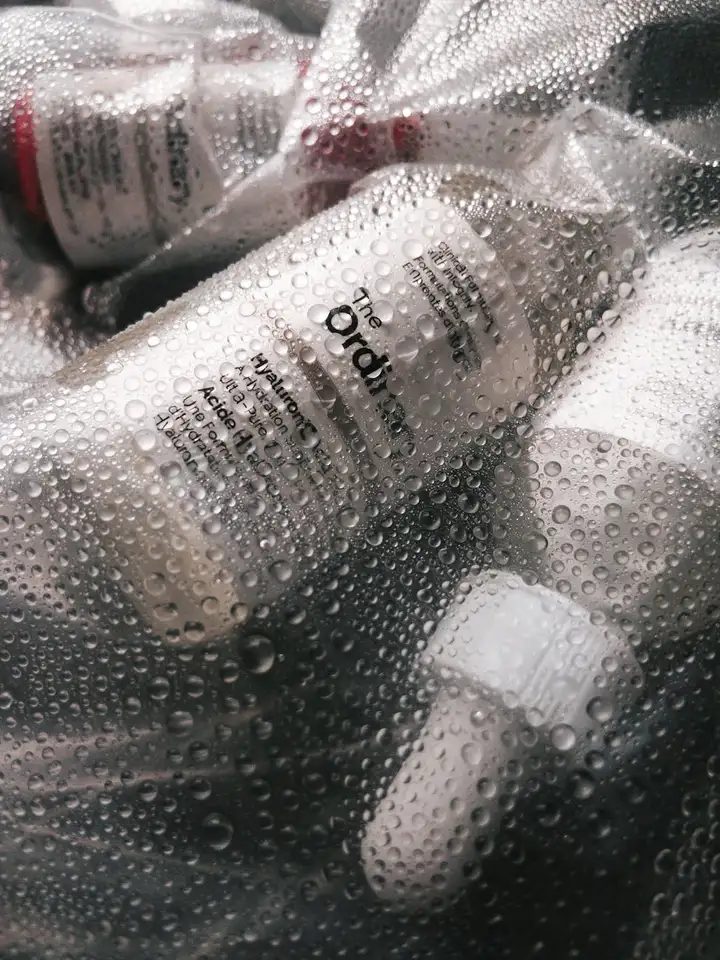
Using acids on your body is effective, but it requires a two-part safety net: protection and repair.
Sunscreen is your non-negotiable shield every single morning after using acids. Chemical exfoliants increase your skin’s sensitivity to UV rays, making unprotected sun exposure a fast track to dark spots and damage. In the long run, consistent sunscreen use is a cornerstone of anti-aging UV protection. This helps maintain collagen, reduce fine lines, and preserve a youthful complexion. Apply a broad-spectrum SPF 30 or higher to every treated area, even if they’re covered by clothing, as thin fabrics often have low UPF ratings.
After you exfoliate, your skin needs to rebuild. Moisturizer is not optional. Applying a moisturizer after your acid treatment helps support your skin barrier, locking in hydration and soothing any potential sensitivity. It’s especially important when using acid treatments tailored for various skin conditions. Look for formulas with barrier-repair ingredients like ceramides, glycerin, or panthenol (vitamin B5). A common question I get, especially from clients like Noah with drier skin, is: “Should I apply moisturizer after using an acid exfoliant?” The answer is always yes. Think of the acid as clearing the path and the moisturizer as laying down a smooth, protective new surface.
Contraindications & Safety Warnings
Respect your skin’s current condition. Do not apply acid exfoliants to skin that is sunburned, freshly shaved or waxed (wait at least 24-48 hours), or has visible cuts, scrapes, or open breakouts. The acid will penetrate much deeper and cause significant stinging and irritation. If you’re incorporating acid treatments into a body exfoliation routine, plan them on days you haven’t shaved to keep skin calm. Shaving and exfoliation can heighten sensitivity, so spacing them out helps skin stay comfortable.
Always perform a patch test before using a new product on a large area like your back or chest. Apply a small amount to a discreet area, like the inside of your arm or a spot on your chest, and wait 24 hours to check for redness, itching, or burning.
If you are pregnant, breastfeeding, or using prescription topicals like retinoids or strong acne medications, please consult your doctor or dermatologist before adding an acid exfoliant to your routine. They can help you create a safe, layered plan.
Many with sensitive skin ask me if acid exfoliants are safe for them. They can be, with careful product selection and a gentle approach. Starting with a low concentration of a milder acid like lactic acid or mandelic acid, used only once a week, is a good strategy. Potential side effects, which usually occur from overuse or using on compromised skin, include redness, peeling, stinging, and increased sun sensitivity. If you experience persistent irritation, discontinue use and focus on soothing your barrier.
What to Pair With (and What to Avoid)

Your acid exfoliant is a team player, but it needs the right teammates. After exfoliating, pair it with ingredients that calm and fortify your skin. Understanding the exfoliating properties of acids and how they align with different skin types helps tailor your routine. We’ll cover which acids suit your skin type in the next steps.
Safe, supportive partners include niacinamide, which helps strengthen your skin barrier and regulate oil, and lightweight, non-comedogenic moisturizers that hydrate without clogging pores. A simple, fragrance-free body lotion applied to damp skin is perfect. For my client Maya, following her salicylic acid wash with a niacinamide serum on her back made a noticeable difference in reducing redness and preventing new clogged pores.
To prevent a traffic jam of irritation on your skin, avoid layering your acid with other potent actives during the same application. On the same night, do not combine your acid exfoliant with other strong exfoliants (like physical scrubs) or prescription retinoids. This is a common misstep that can overwhelm your skin. If you use a prescription retinoid, use it on alternate nights from your acid. Simplicity is key when you’re starting out. A frequent question is, “What should I avoid combining with acid exfoliants?” The short list is: other exfoliants, high-percentage vitamin C (for sensitive types), and prescription-strength treatments unless directed by your doctor.
What to Expect: Realistic Results and Timeline
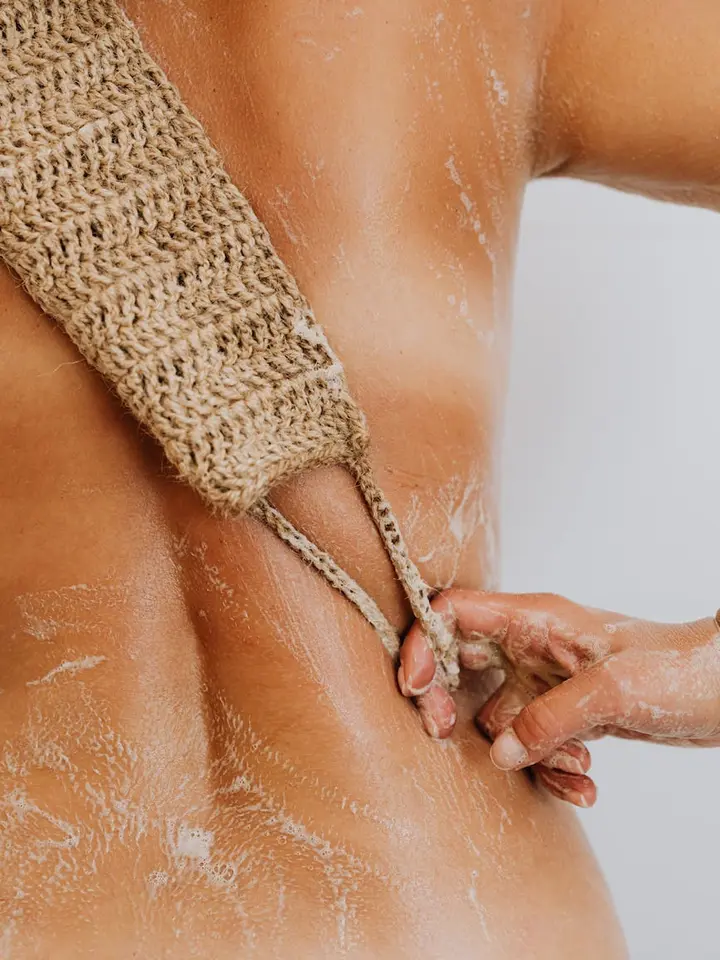
When you start using acid exfoliants on your body, patience is your most important product. Think of it like training for a 5K; you won’t see a change in your endurance after one jog, but after a few consistent weeks, the difference is undeniable—especially when using glycolic acid for daily exfoliation.
For active breakouts on your back, chest, or shoulders, you may notice a reduction in new, inflamed bumps within 2 to 4 weeks of consistent use, about 3 times a week.
This timeline works if you’re consistent and the formula is well-matched to your skin’s tolerance.
Smoothing out rough texture, clogged pores (those little bumps that never quite become pimples), and fading the flat, discolored marks left behind by old breakouts is a longer journey. Plan for a solid 6 to 8 weeks of regular use to see visible improvement in your skin’s evenness and smoothness.
Why Body Skin Plays by Different Rules
Your body skin is generally more resilient than your face, which is why it can often handle slightly higher concentrations of acids. But it’s also thicker and has larger pores and oil glands. This means changes happen a bit more slowly beneath the surface, even if the top layer feels smoother quickly.
My client Noah, who is cautious with new products, learned this firsthand. He saw the redness on his shoulders calm in a few weeks, but the smooth, even skin tone he wanted took a full two months of steady care. His patience paid off.
Your Questions, Answered
Let’s tackle two of the most common questions I get in the treatment room.
“How long until I see results?”
I’ve given you the general timeline, but your mileage may vary. Someone with occasional, surface-level clogged pores might see a change faster than someone dealing with deep, cystic backne. The key is to not get discouraged if you don’t have clear skin in a month.
Consistency is far more powerful than intensity when it comes to chemical exfoliation. Using a moderate product regularly will get you better, safer results than scorching your skin with a too-strong formula every day.
“Can acid exfoliants help with acne scars?”
This is a big one. We need to separate two things: post-inflammatory hyperpigmentation (those dark or red marks) and atrophic scars (the pits or indents in the skin).
Acids like glycolic, lactic, and mandelic are excellent for fading those discolored marks. They work by accelerating cell turnover to slowly shed the pigmented cells and reveal fresher skin underneath.
For true pitted scars, the news is different. While consistent exfoliation can slightly soften the edges of shallow scars by smoothing the surrounding skin, it cannot significantly fill in or repair a depressed scar. That type of structural change requires professional treatments like laser therapy or microneedling.
For the dark spots that linger long after a pimple is gone, acid exfoliants are one of your most effective at-home tools.
Always start with a patch test on a small area of your body before a full application. And if your breakouts are severe, painful, or widespread, partnering with a dermatologist or licensed esthetician is the smartest first step you can take.
Your Body Acne Exfoliation Questions, Answered
Are acid exfoliants safe for sensitive skin on the body?
Yes, with a strategic approach. Start with a gentler, hydrating AHA like lactic acid at a low concentration, and only use it once or twice a week to gauge your skin’s tolerance.
What should I absolutely avoid combining with my acid exfoliant?
Avoid using other exfoliating agents, like physical scrubs or prescription retinoids, during the same application window. Layering these can compromise your skin barrier and cause significant irritation.
Can these acids actually help with body acne scars?
They are excellent for fading the dark spots (post-inflammatory hyperpigmentation) left by old breakouts. For true pitted or indented scars, acids can help smooth texture but cannot fill them in-that requires professional treatments.
Stepping Into Smoother Skin
Clearing body acne effectively hinges on introducing acid exfoliants with care and consistency. Your skin thrives on a gentle, steady approach that respects its natural barrier while steadily dissolving clogged pores and buildup.
- Patch test any new acid formula on a small area of your body for several days before wider use.
- Apply your chosen acid to clean, dry skin two to three times per week, concentrating on breakout zones like your back or chest.
- Follow every exfoliation session with a generous layer of moisturizer to calm and hydrate your skin.
- Select products that are fragrance-free, non-comedogenic, and proudly cruelty-free to care for your skin and the planet.
- Listen to your skin-if you notice redness or stinging, reduce frequency immediately and focus on barrier repair.
Your path to clearer skin is uniquely yours, and I’m committed to supporting it with reliable, ethical advice. If a particular breakout or product has you puzzled, I invite you to share your question as we build this knowledge together. You’ll find a growing library of trustworthy, practical guides right here on the LuciDerma blog, designed to help you nurture your skin with confidence.
Research and Related Sources
- Causes & Treatment of Chest and Back Acne | Neutrogena®
- Exfoliating for Body Acne: What Works and What to Avoid – SLMD Skincare by Sandra Lee, M.D. – Dr. Pimple Popper
- Best Products for Back Acne: Picks That Work | DCSI
- Heal Stubborn Body Acne on Your Back, Chest, and Butt With Our Top-Tested Acne Body Washes
- How To Banish Chest and Back Acne for Good This Summer, According to a Dermatologist
- 9 Best Back Acne Treatments in 2024, According to Dermatologists | SELF
- How to Get Rid of Back and Chest Acne | Skincare.com powered by L’Oréal
Lucy Zimmerman
Lucy is an expert author and blogger when it comes to skin care and body care. She has first hand expertise acting as skin care consultant for over 5+ years helping her clients achieve smooth blemish free skin with natural and working remedies. She also has been an avid experimenter and tried out all the natural and artificial remedies and treatments so you can learn from her first hand experience. Additionally, she has traveled to many countries around the world and incorporated the skin care routines she has learnt into this blog. So, wait no more, reach out to Lucy if you have any specific needs and follow her blog, LuciDerma for expert skin care advice.