
Oil-Free Moisturizers for Oily Skin: Your Guide to Smart Hydration
If you have oily skin, you’ve likely wondered if oil-free moisturizers are your only safe bet. I see this question all the time in my practice, and the answer is more nuanced than a simple yes or no.
By the end of this article, you will know exactly how to hydrate oily skin effectively. Here’s what we’ll cover together:
- Why skipping moisturizer can actually trigger more oil production and how to break that cycle.
- The real science behind your skin’s barrier and why balance, not elimination, is the goal.
- How to decide between oil-free and oil-containing formulas based on your skin’s daily needs.
I promise you’ll leave with clearer, more confident skin care choices.
Understanding Oily Skin and Your Moisture Barrier
First, let’s reframe oily skin. It’s not a flaw; it’s an overactive sebaceous gland. Your skin is simply doing its job of producing sebum (your skin’s natural oil) a little too enthusiastically. Learning how to manage it, especially when using makeup that’s designed for oily skin, is essential for maintaining healthy skin.
Your skin barrier is the very top layer of your skin. Think of it as a protective wall made of skin cells and lipids (fats). Its main job is to hold precious water inside your skin and keep irritants and pollution out. When this wall is strong and intact, your skin is calm, resilient, and comfortably hydrated.
Here’s the catch: if that barrier wall gets damaged-from over-cleansing, harsh actives, or just daily life-it develops tiny cracks. Water evaporates out, leaving your skin dehydrated. Your skin panics and sends a signal: “We’re losing water! Produce more oil to try and seal it in!” This creates a frustrating cycle: you strip oil, damage the barrier, lose water, and your skin pumps out even more oil to compensate.
Imagine your skin is a reusable water bottle. A healthy, hydrated barrier is like a bottle with a perfect, leak-proof seal. You don’t need a slick of oil on top to keep the water in. A damaged barrier is like a loose, cracked lid. No matter how much oil you pour on top (or how much your skin makes), the water inside still slowly evaporates.
What is the role of the skin barrier in oily skin? It acts as the essential gatekeeper, and when it’s compromised, it can directly trigger more oil production as a flawed defense mechanism.
How does hydration affect sebum production? Dehydrated skin often signals for more sebum, leading to that shiny-but-tight feeling. Proper hydration can help calm this signal.
Why “Oily” Might Really Mean “Thirsty”
This is the most common revelation in my treatment room. Your skin can be both oily and dehydrated. Signs include:
- A noticeable shine, especially on the forehead, nose, and chin (the T-zone).
- A feeling of tightness or roughness, especially after cleansing.
- Makeup that separates or looks patchy a few hours in.
- Seeing flakiness or dry patches right next to oily areas.
I saw this with my client, Maya. She used strong astringents hoping to dry up her oil, but by 2 PM her nose was a slick beacon. We switched to a gentler routine focused on hydration. Within two weeks, her midday oil slick was significantly reduced because her skin barrier was no longer screaming for help. She was hydrating her skin, not fighting its oil.
The Science of Sebum and Skin Signals
Sebum production is largely driven by hormones (like androgens) and can be influenced by genetics, humidity, and even stress. It’s a natural lubricant and protector. The key is to remember that sebum itself isn’t the enemy; balance is the goal. Using harsh products that strip every bit of oil away can disrupt your skin’s pH and barrier function, which, as we now know, often leads to a rebound effect of even more oil. Your goal is management, not elimination.
The Real Deal on Oil-Free Moisturizers
So, are oil-free moisturizers better for oily skin? Often, yes-but not universally. They are an excellent tool, not a mandatory rule.
Oil-free formulas hydrate by using ingredients called humectants. Think of humectants like glycerin, hyaluronic acid, or sodium PCA as little moisture magnets. They pull water from the deeper layers of your skin and from the air (if it’s humid enough) into the top layer, hydrating it without adding a layer of oil.
Many people choose oil-free to avoid clogged pores. Here’s a critical distinction: “oil-free” and “non-comedogenic” are not the same thing. A product can be free of plant or mineral oils but still contain other ingredients (like certain waxes or fatty alcohols) that might clog pores for some people. Oil-free describes what’s absent; non-comedogenic refers to formulation testing that suggests it’s less likely to clog pores for most people, even when using non-comedogenic plant oils.
How do oil-free moisturizers hydrate without oil? They rely on humectants to attract and bind water to the skin’s surface, providing hydration that comes from water, not lipids.
Do oil-free moisturizers prevent clogged pores? Not automatically. You must check for “non-comedogenic” on the label and remember that your unique skin is the ultimate test. For acne-prone skin, non-comedogenic moisturizers can help reduce breakouts. Patch-test new products to see how your skin responds.
How Lightweight Hydrators Actually Work
Picture applying a serum with hyaluronic acid. It’s like pressing a damp, plump sponge onto your skin. The sponge (the humectant) holds onto water, delivering it right where it’s needed to smooth and plump the surface, all while feeling like nothing. These hydrators excel at giving your skin a drink without a greasy afterparty. That hydration also makes hyaluronic acid a perfect base for layering with other serums. In the next steps, we’ll show how to layer it with complementary actives for a balanced, hydrated routine.
Common oil-free vehicles include:
- Gels: The lightest, often water-clear and cool to the touch. Ideal for very oily skin.
- Gel-Creams: Have a bit more body, often with a whipped, airy texture that melts in. Great for combination skin.
- Light Lotions: Milky fluids that absorb quickly. A good middle-ground for many.
The “Non-Comedogenic” Label: A Helpful Guide, Not a Guarantee
“Non-comedogenic” means the product was tested, usually on rabbit ears or human skin, and didn’t cause clogged pores in that test group. It’s a helpful filter when shopping. Your skin’s reaction is personal biology, not a checkbox on a label. An ingredient that’s fine for my client Noah might cause a issue for Lina. Even non-comedogenic ingredients can sometimes clog pores.
This is why I advise a patch test. For a full week, apply a small amount of any new moisturizer along your jawline and cheek. If you don’t see new clogged pores or bumps in that area, it’s likely a safe bet for your entire face. It’s the most reliable way to know what your skin, and your pores, truly think.
Ingredients That Oily Skin Loves: A Safe Checklist
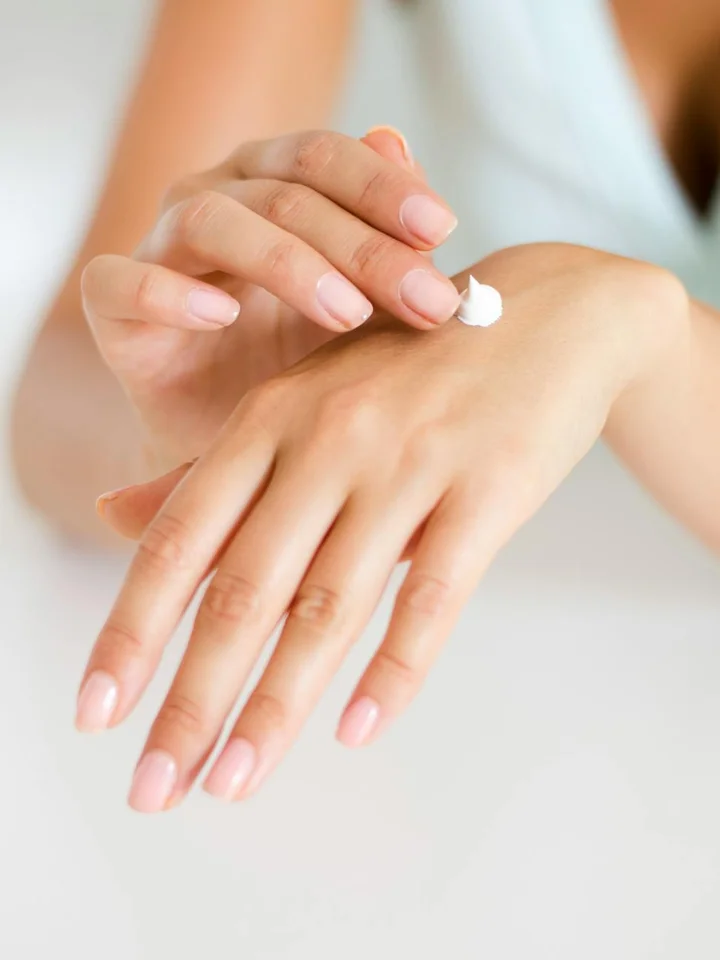
Let’s talk about building a moisturizer that hydrates and repairs without feeling like a mask. Many of my clients with oily skin, like Maya, come in worried that any moisturizer will cause breakouts. The secret isn’t skipping hydration-it’s choosing the right players for your team.
Your Go-To Ingredient List
Think of your moisturizer as having three jobs: attract water, lock it in, and reinforce your skin’s protective wall. Here’s who does what best for oily skin.
- Humectants: These are water magnets. They pull hydration from the air and deeper skin layers to the surface. Look for hyaluronic acid (especially in lighter-weight sodium hyaluronate forms), glycerin, and betaine. They give a plump, juicy feeling without oiliness.
- Barrier Supporters: These ingredients help repair and maintain your skin’s natural shield, which can be damaged by over-cleansing. Niacinamide is a superstar here. Ceramides and panthenol (vitamin B5) are also excellent, calming choices.
- Lightweight Emollients: These smooth and soften the skin but won’t clog pores. Squalane (which mimics your skin’s own oils) and caprylic/capric triglyceride (derived from coconut but non-comedogenic) are top picks. They feel silky, not slick.
If your skin is sensitive, you might want to avoid heavy fragrances, denatured alcohol (which can be stripping), and highly comedogenic oils like coconut oil. Always patch test a new product behind your ear or on your inner arm for a few days.
Molecule Spec Sheet: Niacinamide
Niacinamide (vitamin B3) is a multitasker that answers the common question, “What ingredients should I look for in a moisturizer for oily skin?” It works on two fronts: calming oil production and fortifying your barrier.
| pH Stability | Stable in a wide range, ideally around skin’s natural pH (5-7). |
| Effective Concentration | 2-5% is typically sufficient for visible benefits. |
| Solubility | Water-soluble, so it’s often found in serums and light lotions. |
| Safety Profile | Well-tolerated by most skin types with a minimal risk of irritation. |
I often recommend starting with a 2-3% concentration. It can help reduce the appearance of enlarged pores and redness over time, making your skin look more even and calm.
When a Little Oil is a Good Thing for Oily Skin
This idea feels counterintuitive, right? I see that hesitation all the time. But strategically using certain oils can actually signal to your skin that it doesn’t need to overproduce its own. It’s about balance, not deprivation.
The chemistry principle of “like dissolves like” is useful here. Light, non-comedogenic oils can help dissolve and clear away excess sebum and impurities without the harsh stripping that triggers more oil production.
Oils That Play Nice with Oily Skin
Not all oils are created equal. The best ones for oily skin are close in structure to our own sebum, so our skin recognizes them and uses them efficiently without clogging.
- Squalane: This is a hydrogenated version of squalene, which is already in your skin. It’s incredibly light and absorbs quickly.
- Jojoba Oil: Technically a liquid wax ester, it’s the closest botanical match to human sebum. It helps balance oil levels.
- Hemp Seed Oil: High in linoleic acid, which is often deficient in oily, acne-prone skin. It has a thin, dry texture.
My client Noah, who has dry, reactive skin, actually taught me something here. He found his “oil-free” gel moisturizer wasn’t quite enough. He started adding a single drop of pure squalane to it in his palm before applying. This gave him the barrier support he needed without any heaviness or reaction. It’s a perfect example of tailoring a routine.
So, can oily skin benefit from moisturizers with oil? Absolutely, if you pick the right, lightweight, non-comedogenic oils. They provide nourishment and can help regulate your skin’s own oil output.
Formulation Pro-Tip: The Secret to Lightweight Oil Blends
From a chemist’s perspective, the feel of an oil on your skin comes down to its fatty acid profile. Oils higher in linoleic acid (like hemp seed or sunflower oil) feel drier and absorb rapidly. Oils higher in oleic acid (like olive oil) feel richer and slower to sink in.
In a good formulation, these oils are often blended with smart emulsifiers and texture modifiers. These ingredients break the oil into tiny droplets suspended in a water-based formula, creating a silky, fast-absorbing lotion that hydrates without an occlusive film. It’s engineering for a beautiful, non-greasy finish.
Crafting Your Personalized Moisturizing Routine
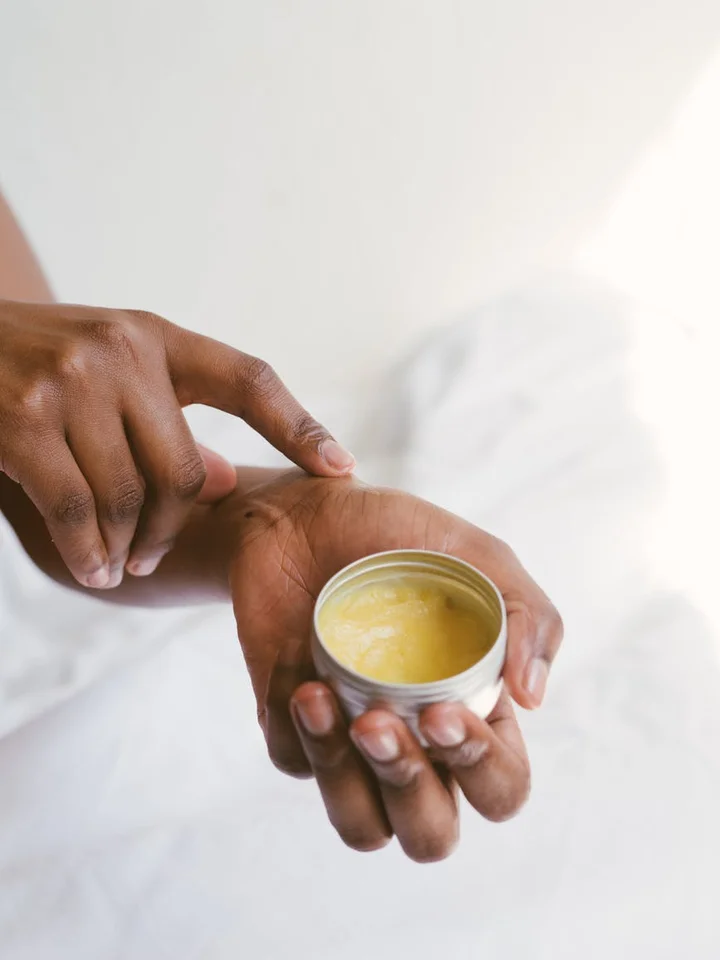
Think of your moisturizer as the final, protective layer in your skincare lineup. It seals everything in. The goal isn’t to strip your skin, but to support it with what it needs that day.
The most effective routine is a simple, adaptable framework you can tweak based on how your skin feels when you wake up.
Your Daily Framework
Morning: Cleanse, treat, moisturize, protect.
- Start with a gentle, water-based cleanser.
- Apply a lightweight serum, like one with vitamin C or niacinamide.
- Follow with your moisturizer choice.
- Always finish with a broad-spectrum sunscreen.
Evening: Cleanse thoroughly, treat specific concerns, moisturize and repair.
- Use an oil-based balm or micellar water first if you wear makeup or sunscreen, then a gentle cleanser.
- Apply any treatment products, like a salicylic acid serum on your T-zone.
- Finish with your night moisturizer.
Are There Downsides to Oil-Free Moisturizers?
Oil-free formulas are brilliant for many, but they aren’t a universal solution. Here are their limitations and how to solve for them.
They can lack sufficient emollience in dry climates or for barrier repair. Emollients are the ingredients that soften and smooth skin by filling in tiny cracks. Some oil-free gels rely mostly on humectants (which draw water) but skip these smoothing agents. In arid weather or if your barrier is compromised, this might not be enough.
Solution: Look for oil-free labels that still include emollients like ceramides, squalane (a plant-derived oil-like molecule), or fatty alcohols. These are common non comedogenic moisturizer ingredients that hydrate without clogging pores. At night, you can layer a few drops of a non-comedogenic oil, like squalane, over your oil-free moisturizer for extra nourishment. Understanding them helps you pick products that support clearer, balanced skin.
They might not provide enough occlusive protection for very dry skin. Occlusives (like certain plant butters or silicones) create a protective seal. Some oil-free creams have them, but many lighter gels do not.
Solution: If you live in a harsh winter climate, consider switching to a non-comedogenic cream with light oils for the season. These non-comedogenic skin creams hydrate without clogging pores, which helps keep winter dryness under control. They’re a sensible pick for anyone dealing with sensitive skin and breakouts as the seasons change. My client Noah, with his dry, reactive skin, does this every November. He uses a fragrance-free cream with squalane and shea butter, and his flakiness disappears.
How to Choose: Assess Your Skin’s Daily Feel
Your skin gives you the best data. Ask yourself each morning:
- Does my skin feel tight after cleansing? You likely need more hydration and possibly more emollience.
- Does it look shiny all over within an hour of washing? A light, oil-free gel is probably your best daytime bet.
- Is it both tight and shiny? This is classic for dehydrated oily skin. You need the water-attracting power of a humectant-rich, oil-free moisturizer to hydrate without adding more oil.
A Sample Week of Smart Hydration
Let’s make this practical. Here’s how my client Maya might structure her week.
Daytime (Every day):
- Gentle foaming cleanser.
- Niacinamide serum to regulate oil.
- Oil-free gel moisturizer with hyaluronic acid.
- Mineral sunscreen.
Nighttime:
- Monday/Wednesday/Friday: Double cleanse, apply a salicylic acid treatment to her chin and forehead, then use her standard oil-free moisturizer.
- Tuesday/Thursday/Saturday: Double cleanse, use a calming peptide serum, then apply a moisturizer with squalane for extra barrier support.
- Sunday: A simple “skin rest” night: just cleanse and a slightly richer moisturizer.
Adjust for your environment. In humid summer, Maya might use her light gel both day and night. In dry winter, she switches to the squalane-based moisturizer most evenings to prevent that tight, thirsty feeling.
Listening to Your Skin: What to Adjust and When
Your products should work for you, not the other way around. Watch for these signals.
Signs you might need more moisture or a different formula:
- Persistent tightness, especially an hour after your routine.
- Increased shine shortly after washing. This can be a sign of dehydration; your skin overproduces oil to compensate.
- Rough texture or flakiness, even in oily zones.
Signs you might need less or a lighter formula:
- Products pilling on your skin.
- A constant feeling of a film or heaviness.
- Small, flesh-colored bumps (milia) appearing, which can mean the product is too rich for your skin.
Consistency and gentleness build a healthy barrier, not chasing a completely matte finish. A little natural glow is a sign of life and health. When you nourish your skin appropriately, it often balances its oil output on its own. Give any change at least two weeks before deciding if it works, and always patch test new products behind your ear first, especially if you’re looking for non-comedogenic options that won’t clog pores.
Your Smart Hydration Questions, Answered
Are oil-free moisturizers always the best choice for oily skin?
Not always-they are an excellent tool for lightweight, daily hydration, but they can lack sufficient nourishment in dry climates or for a compromised barrier. The best choice depends on your skin’s daily needs, and sometimes a formula with a strategic, non-comedogenic oil can be more balancing.
What is the most important ingredient to look for in a moisturizer for oily skin?
Prioritize humectants like hyaluronic acid or glycerin to attract water, and look for niacinamide to help calm oil production and fortify your skin’s barrier. These ingredients provide effective hydration and balance without a heavy, greasy feel.
How do I know if I should switch from an oil-free formula?
Listen to your skin’s signals: if you experience persistent tightness or flakiness alongside shine, your skin may be dehydrated and craving more supportive emollients. This is when introducing a light, non-comedogenic oil like squalane can help repair your barrier and reduce the need for your skin to overcompensate with excess sebum.
Your Skin, Your Rules: Hydrating Oily Skin with Confidence
The biggest lesson here is that “oil-free” is just a label, not a cure-all. The best moisturizer for oily skin is one that hydrates without clogging your pores, supports your barrier, and feels so good you’ll actually use it every day.
- Choose products based on their total formula, not just the “oil-free” claim.
- Look for lightweight gels, fluid lotions, or serums with niacinamide or hyaluronic acid.
- Never skip a morning moisturizer, especially if it contains SPF.
- If your skin feels tight or looks shiny shortly after washing, you need more hydration.
Finding your perfect match might take a little trial and error, and that’s completely normal. If you have questions about a specific ingredient or product, send them our way. We’re here to help you decode labels and build a routine that brings out your skin’s healthiest look, based on real skin science and years of hands-on experience.
Relevant Resources for Further Exploration
- These Best Oil-Free Moisturizers Nourish Skin Without Clogging Pores, From $14
- Oil-free Moisturizer For Oily Skin | Sephora
- 8 Oil-Free Moisturisers That Give Shiny Skin a Second Chance in the Summer Heat
- 19 Best Oil-Free Moisturizers, According to Dermatologists | Marie Claire
- Got Oily Skin? You Can’t Use Just Any Moisturizer | Allure
- Oil Free Moisturizers – 172 Products | Ulta Beauty
- Oil Free Moisturiser | Kate Somerville – Kate Somerville US
- Amazon.com: Oily Skin Moisturizer | Oil Free Daily Facial Moisturizer Gel w/Hyaluronic Acid | Watermelon & Aloe Vera Hydrating Face Lotion | Non-Greasy Lotion for Oily Skin Types | 4 oz by Natural Outcome : Beauty & Personal Care
- Oil Free Moisturizer | Glo Skin Beauty
- 14 Best Moisturizers for Oily Skin | The Strategist
Lucy Zimmerman
Lucy is an expert author and blogger when it comes to skin care and body care. She has first hand expertise acting as skin care consultant for over 5+ years helping her clients achieve smooth blemish free skin with natural and working remedies. She also has been an avid experimenter and tried out all the natural and artificial remedies and treatments so you can learn from her first hand experience. Additionally, she has traveled to many countries around the world and incorporated the skin care routines she has learnt into this blog. So, wait no more, reach out to Lucy if you have any specific needs and follow her blog, LuciDerma for expert skin care advice.