
Silicones vs. Plant Oils: Which Emollient Is Right for Your Sensitive or Acne-Prone Skin?
If you’re checking ingredient lists, wondering if silicones will clog your pores or if oils will make you break out, you’re asking the right questions for your skin’s health.
- How each ingredient repairs your skin barrier – why the chemistry matters for sensitivity.
- The real feel of silicones versus plant oils on skin – from velvety slip to nourishing absorption.
- A clear look at comedogenicity – what actually clogs pores and what doesn’t.
- How to spot these ingredients and choose products that align with your skin’s needs.
My goal is to give you the clarity to choose your emollients confidently, without fear or confusion.
How to Spot Silicones and Oils in Your Products Right Now
Before we get into how they work, let’s learn how to find them. Reading an ingredient list (called an INCI list) can feel like decoding a secret language. I promise it gets easier.
Common Silicones to Look For
Silicon-based ingredients often end in “-cone,” “-conol,” or “-siloxane.” They’re not just in primers. You’ll find them in many moisturizers, sunscreens, and serums to improve texture.
- Dimethicone: The most common. It’s a workhorse emollient.
- Cyclopentasiloxane / Cyclohexasiloxane: Very lightweight, volatile silicones that evaporate, leaving a smooth finish.
- Amodimethicone: Often used in hair conditioners, but sometimes in skin care for added softness.
- Phenyl Trimethicone: Gives a particularly silky, almost powdery feel.
They often hide in the middle of the ingredient list, acting as the “smoothing agent” in a formula.
Common Plant Oils and Their INCI Names
Plant oils are usually listed by their Latin botanical names. Don’t let that intimidate you. Here are a few friendly faces: These are botanical oils—extracts from plants—that often come with carrier oils to help you use them safely and effectively. Later notes will unpack each name with practical tips and examples.
- Jojoba Oil: Simmondsia Chinensis (Jojoba) Seed Oil. A liquid wax ester that closely mimics our skin’s own sebum.
- Squalane: Squalane (when derived from plants like sugarcane or olives). Note: ‘Squalene’ with an ‘e’ is the unstable animal-derived version.
- Rosehip Oil: Rosa Canina Fruit Oil. Loved for its fatty acids and vitamin A precursors.
- Sunflower Oil: Helianthus Annuus (Sunflower) Seed Oil. A classic, lightweight barrier-support oil.
Your 30-Second Ingredient Deck Scan
Grab your current moisturizer or serum. Here’s how to audit it like a pro:
- Find the List: Look on the box or the back of the bottle, often under “Ingredients.”
- Scan for “-cone”: Glide your finger down the list. Do you see dimethicone or similar words? Note its position. Ingredients are listed from highest to lowest concentration.
- Look for Botanical Oils: Scan for the Latin names ending in “oil” (like *…Seed Oil*).
- Ask the Question: “What is the primary emollient here?” Is it a silicone, a plant oil, or something else like shea butter?
This isn’t about finding “bad” ingredients. It’s about understanding what you’re applying. My client Noah, with his dry, reactive skin, uses this scan to immediately avoid products with fragrance. For him, knowing the emollient source is the next step in his detective work.
Why Your Skin Needs an Emollient (Yes, Even Oily Skin)
Let’s clear this up: “Emollient” is not a fancy word for “greasy.” An emollient is simply any ingredient that helps fill in the cracks between skin cells, smoothing and softening the surface. Think of it like mortar between bricks. Without it, your skin barrier is weak and can feel rough or flaky.
Every skin type needs emollients. For my client Maya with oily, acne-prone skin, the right lightweight emollient helps hydrate without triggering excess oil production, actually signaling to her skin that it doesn’t need to overcompensate.
The Simple Chemistry: How Silicones and Oils Work on Your Skin
The difference in how these ingredients feel and function comes down to their molecular structure. You don’t need a chemistry degree, just a good analogy.
Silicones: The Silky Scarf
Silicones are synthetic molecules created in a lab. They are inert, meaning they don’t react with your skin and are generally non-comedogenic. Imagine a scarf made of the finest, silkiest polyester.
When you apply a silicone, it forms a breathable, flexible layer on top of your skin. It fills in unevenness (like smoothing a scarf over a wrinkled shirt), provides slip, and can create a mild water-resistant barrier. It feels sleek, velvety, and often “blurs” pores. Because it sits on the surface, it doesn’t nourish skin with nutrients, but it excels at providing immediate smoothness and protecting from moisture loss or friction.
Plant Oils: The Nourishing Sweater
Plant oils are complex blends of fatty acids, vitamins, and antioxidants. Think of a soft, cashmere sweater. This sweater can actually weave itself into your skin’s natural lipid barrier.
These oils are bio-compatible. Their fatty acids can integrate with the lipids already present in your skin’s outer layer, reinforcing and nourishing it from within. They absorb at varying rates (jojoba absorbs quickly, rosehip leaves a slight glow) and deliver nutrients. Plant oils work with your skin’s biology to repair and strengthen its natural defense system over time. For Lina, who has combination skin, a light layer of squalane on her cheeks feels like a healing hug for her dry patches.
Molecule Spec Sheet: Dimethicone vs. Plant Squalane
| Feature | Dimethicone (Silicone) | Squalane (Plant-Derived) |
|---|---|---|
| Origin | Synthetic (Silicone-based polymer) | Natural (Derived from sugarcane, olives, etc.) |
| Feel on Skin | Slick, silky, velvety. Often feels “dry” or matte. | Light, non-greasy, skin-softening. Integrates without a heavy residue. |
| Solubility | Oil-soluble. Removed with an oil-based cleanser. | Oil-soluble. Blends easily with other oils and lipids. |
| Occlusivity | Low to Medium. Forms a breathable barrier. | Low. Mimics skin’s own lipids without heavy sealing. |
| General Safety for Sensitive Skin | Generally well-tolerated and non-irritating. Rarely, it can feel occlusive and trap debris for some acne-prone types. | Excellent. Bio-compatible and non-comedogenic. A superb choice for reactive and repair-focused routines. |
Understanding Occlusivity: The “Seal” Factor
Occlusivity refers to how well an ingredient prevents water from evaporating from your skin. It’s the “seal” on top of a moisturizer.
A light silicone like cyclopentasiloxane has very low occlusivity; it smooths but doesn’t heavily seal. A heavier plant oil like avocado oil has higher occlusivity, creating a more substantial barrier. For acne-prone skin like Maya’s, a very high-occlusive ingredient (like pure petroleum jelly) over a clogged pore can be problematic, but a low-occlusive silicone or light oil is often just fine. It’s all about the weight of the “blanket” you’re putting on your skin.
The Feel Test: What Silicones and Oils Actually Do to Your Skin’s Texture
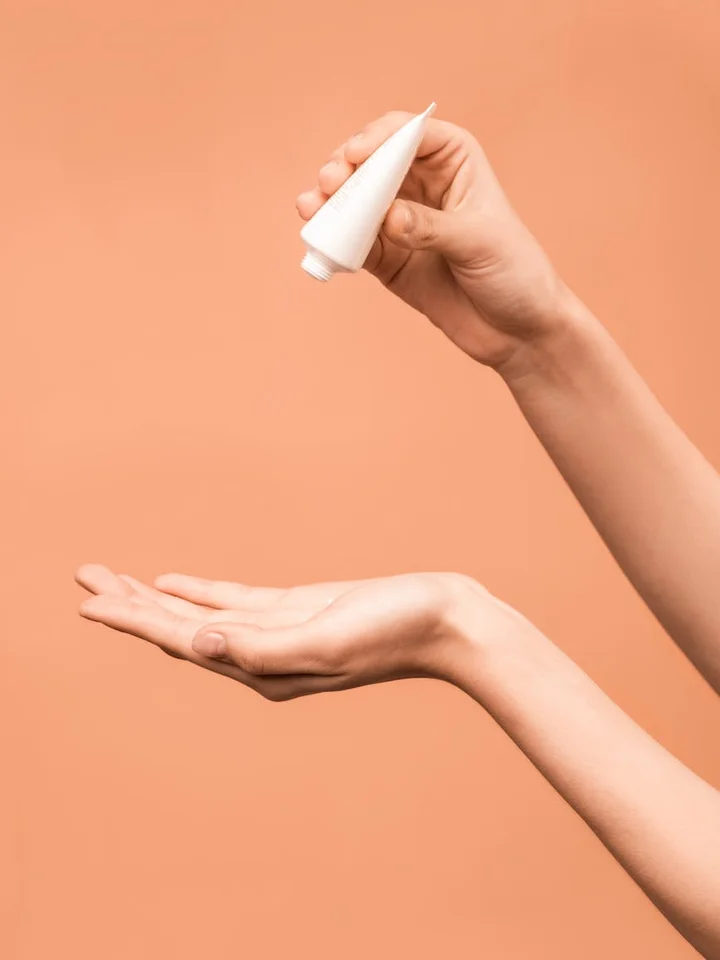
Close your eyes and feel your skin after applying your moisturizer. That sensation is your first clue to whether it’s built on silicones or plant oils.
Silicones, like dimethicone or cyclopentasiloxane, create an immediate, noticeable change. They glide on, filling in microscopic cracks and fine lines to create a smooth canvas. Your skin feels velvety, almost blurred, within seconds. This layer provides a fantastic grip for makeup and gives a soft-focus, matte finish. It’s like putting a perfectly smooth, protective sheet of glass over your skin.
Plant oils, like squalane or jojoba, work differently. They don’t sit on top as much as they sink in. You’ll feel an initial slip that can lean toward greasiness, followed by a gradual absorption. The finish is a nourished glow, not a matte blur. Over hours, your skin feels supple and deeply hydrated from within, rather than coated from the outside.
Think of it like hair care, which many find easier to picture. A silicone serum coats the hair shaft, sealing the cuticle for instant shine, heat protection, and detangling slip. A plant oil, like argan, penetrates more deeply to nourish the hair from the inside out. On your skin, silicones act as that protective, occlusive coat, while plant oils integrate with your skin’s own natural lipids to support the barrier.
For my client Maya (oily, acne-prone), she often prefers the lightweight, non-greasy finish of a silicone-based moisturizer. It hydrates without adding a shine she doesn’t want. Noah (dry, reactive), on the other hand, feels that plant oils like sunflower or raspberry seed give his parched skin the lasting, “fed” feeling it craves without the tightness some silicones can leave behind.
The Big Comedogenicity Myth: What Actually Clogs Pores?
“Comedogenic” is a scary word that gets thrown around too loosely. It’s not a verdict, it’s a historical rating from 1970s tests on rabbit ears, which are far more sensitive than human skin. A “5” on that scale means it clogged rabbit pores, not that it will definitely clog yours. It’s important to understand how these ratings apply to different skin types and ingredients. For example, some common skincare ingredients have varying comedogenic ratings that might not affect everyone the same way.
Most silicones are non-comedogenic and non-acnegenic, meaning they are chemically inert and very unlikely to clog pores or cause acne. They sit on the skin’s surface and can actually help keep other potential irritants out—unlike some natural moisturizing ingredients like glycerin and tocopherol which can sometimes clog pores.
With plant oils, the story hinges on chemistry. Oils high in oleic acid (like olive or coconut oil) have larger molecules that can disrupt the skin barrier for some people and potentially lodge in pores. Oils higher in linoleic acid (like sunflower, hemp, or jojoba oil) have smaller molecules that mimic our skin’s sebum and are typically better tolerated. Jojoba oil is technically a wax ester, which is why it’s so similar to human sebum and rarely causes issues.
Pore-clogging is intensely personal. It depends on the specific formulation, the concentration of the ingredient, and your unique skin biology. What breaks out Maya might be Noah’s holy grail.
Building Your Routine: A Practical Guide for Sensitive and Acne-Prone Skin
Your choice isn’t permanent. You can choose a path based on your current skin goals and feel free to switch it up.
Framework 1: The Silicone-First Approach
I recommend this for days when you want a protective shield, a primer-like finish, or are navigating very sensitive, reactive skin that needs a buffer.
- Cleanse with a gentle, low-pH gel or cream.
- Apply a water-based hydrating toner or essence.
- While skin is damp, press in a serum with hyaluronic acid.
- Apply a moisturizer with dimethicone or cyclopentasiloxane listed in the first five ingredients. This seals in hydration with a velvety finish.
- Follow with a mineral sunscreen (which often contains silicones for spreadability).
Framework 2: The Oil-Only Approach
This is for embracing natural lipid repair, targeting severe dryness, or when your skin needs that deep, nourished glow.
- Cleanse with a balm or oil cleanser to dissolve impurities without stripping.
- Apply a humectant-rich serum on damp skin to draw water in.
- Press 3-5 drops of a non-comedogenic plant oil (like squalane or jojoba) into your face and neck. Let it absorb for a minute.
- If needed, follow with a simple, oil-based balm or cream on extra-dry areas.
- Use a sunscreen that plays well with oils (often chemical/hybrid filters).
Layering Them Together
You can absolutely use both. The golden rule is to layer from thinnest to thickest consistency, and water-based before oil-based. To avoid pilling (those annoying little rolls), let each layer dry down slightly before adding the next.
A common successful sequence: Water-based serum > Silicone-based moisturizer > Plant oil. The oil goes last because it will disrupt the water-based layers if applied underneath.
The Non-Negotiable Patch Test
Before any new emollient, especially a pure plant oil, do this. Apply a small amount to a discreet area like the side of your neck or behind your ear. Do this once daily for 5-7 days.
If you see redness, itching, or new small bumps, your skin is saying no thank you to that specific ingredient or formulation. This simple step saves you from a full-face reaction and tells you more about your skin than any comedogenic rating ever could.
Contraindications & Safety Warnings: When to Be Extra Cautious
Chemistry is helpful, but your skin’s current condition is the ultimate guide. Here’s how to navigate these ingredients when your skin is sending out an SOS.
For Active, Inflamed Acne
When you have angry, red breakouts, your primary goal is to calm inflammation without adding fuel to the fire. Think of inflamed skin like a wound; you want to protect it, not smother it.
For active breakouts, a lightweight, non-occlusive silicone like dimethicone can be a safer initial choice than a rich plant oil. It creates that protective film without feeling heavy or trapping excess heat. My client Maya, with her oily, acne-prone skin, finds that a simple, silicone-based gel moisturizer over her treatment serum keeps her comfortable without causing new clogs—especially when she chooses non-comedogenic moisturizers designed for acne-prone skin.
I suggest avoiding heavier plant oils like coconut, cocoa butter, or wheat germ oil on active pustules and cysts. Their thicker consistency and specific fatty acid profiles can be more occlusive, potentially worsening the congestion.
For a Compromised Skin Barrier
A damaged barrier means your skin is leaky, reactive, and struggling to hold onto water. It’s like a brick wall with missing mortar.
In this case, certain plant oils rich in linoleic acid and antioxidants, like sunflower or safflower oil, can act as both emollients and building blocks to help repair the skin’s lipid layer. My client Noah, who has dry, reactive skin, successfully uses a drop of pure squalane (derived from plants) to soothe his flaky patches. Silicones aren’t harmful here-they’re excellent at preventing further water loss. A combination often works best: a repairing oil first, followed by a silicone-containing cream to seal everything in, especially when those water and oil actives need to be balanced.
For Fungal Acne (Malassezia Folliculitis) Concerns
This is a specific scenario that requires a precise ingredient check. Coconut oil is frequently discussed in relation to comedogenic acne-prone skin, so its inclusion warrants careful consideration. The yeast that causes fungal acne feeds on certain fatty acids found in many oils.
If you are managing fungal acne, you must avoid almost all plant oils and butters, with the notable exceptions of squalane and mineral oil (which is not a plant oil). Oils to steer completely clear of include coconut, olive, soybean, marula, and sweet almond oil. Silicones like dimethicone and cyclomethicone are generally considered safe and non-feeding for this condition, making them a reliable choice for hydration without flare-ups.
Environmental & Ethical Considerations
Your skin’s health matters, and so does the planet’s. Plant oils, when sourced responsibly, are biodegradable. They break down naturally in the environment. The production of silicones is more energy-intensive, and while they are inert and non-toxic in ecosystems, their environmental persistence is a topic of ongoing scientific debate.
At LuciDerma, we advocate for choices that are kind to all skin and to the world. This means championing cruelty-free, ethically sourced plant oils and supporting brands that use silicones transparently and sparingly within a larger philosophy of sustainability. We believe you shouldn’t have to choose between a effective formula and a clear conscience.
Listen to Your Skin, Not the Dogma
The loudest voices in skincare often preach absolute rules: “all-natural everything” or “chemicals are bad.” In my clinic, I see these rules fail people every day.
The most important ingredient in any routine is your own power of observation. My client Lina has combination, sensitive skin. She once swore off all “synthetics,” but her dry cheeks became drier. She introduced a hydrating serum with dimethicone, and her skin finally felt balanced. The “natural” oil she was using on her T-zone, however, was causing small bumps. She switched to a lighter, non-comedogenic oil for that area only.
Patch test every new product. Introduce one change at a time. If a beloved plant oil starts causing issues during a stressful period, it’s okay to pause it. If a silicone-based primer is the only thing that lets your foundation sit comfortably over sensitive skin, that’s a valid win. Your skin’s language is unique. Learn to listen to it.
Your Top Emollient Questions, Answered
Can silicones or oils interfere with my acne treatment medications?
Silicones can create a protective barrier that may slightly slow the absorption of some water-based treatments, so apply your treatment serum first. Lightweight, non-comedogenic oils like squalane typically integrate well and can actually improve tolerance to drying medications by supporting your barrier.
Are silicones or plant oils better for calming conditions like rosacea?
For rosacea-prone skin experiencing heat and flushing, lightweight silicones often provide a soothing, cool barrier without added biological activity that could irritate. Calming plant oils like sunflower or jojoba are excellent for repairing the compromised barrier often associated with rosacea-prone skin, but always patch-test during a calm period first.
How do these emollients impact the effectiveness of my other products?
Apply water-based treatments (like vitamin C or hyaluronic acid serums) directly to clean skin before any emollient, as oils and silicones can block their penetration. Using a light emollient last helps seal in all the beneficial layers underneath it, making your entire routine more effective.
Finding Your Skin’s Perfect Match
Your skin care should work with your skin, not against it. I guide my clients, like Maya with her oily, acne-prone skin, to see ingredients as tools-silicones for a breathable shield, plant oils for nourishing repair-and to choose based on how their skin actually feels and reacts. Plus, I factor in pH balance and barrier health when selecting formulations. This helps ensure the products support the skin’s protective layer rather than disrupt it.
- If your skin is oily or acne-prone, begin with a water-thin serum containing cyclopentasiloxane for hydration that won’t clog pores.
- For dry or reactive skin like Noah’s, try a drop of cold-pressed squalane oil patted onto damp skin to reinforce your moisture barrier.
- Always patch test a new emollient behind your ear or on your inner arm for three nights before using it on your face.
- Listen to your skin’s response over a few weeks; a product that feels perfect on day one is the one that keeps your skin calm and clear on day twenty-one.
I’m here to help you decode your skin’s signals. Share your journey or questions with our community on the LuciDerma blog-we tackle your real skin stories with evidence-based, compassionate advice every day.
Related Guides and Information
- Cosmetics, silicones vs vegetable oils: everything you need to know | SmartGreen Post | news about the environment
- Silicone oil – Wikipedia
- r/HaircareScience on Reddit: Silicones vs other emollients
- Enhancing the Feel of Vegetable Oils with Silicone | Cosmetics & Toiletries
Lucy is an expert author and blogger when it comes to skin care and body care. She has first hand expertise acting as skin care consultant for over 5+ years helping her clients achieve smooth blemish free skin with natural and working remedies. She also has been an avid experimenter and tried out all the natural and artificial remedies and treatments so you can learn from her first hand experience. Additionally, she has traveled to many countries around the world and incorporated the skin care routines she has learnt into this blog. So, wait no more, reach out to Lucy if you have any specific needs and follow her blog, LuciDerma for expert skin care advice.