
Non-Comedogenic Makeup for Oily Skin: Long-Wear Formulas That Let Your Skin Breathe
If you have oily skin, you might dread makeup that slides off by midday or, worse, clogs your pores and sparks breakouts. I see this often with clients like Maya, who needed a routine that controls shine without causing congestion.
This article will give you clear, practical steps to choose and use makeup that works with your skin. Here’s what you’ll know by the end:
- How to read non-comedogenic labels so you pick products that truly won’t clog pores.
- Which long-wear foundation and powder formulas are best for oily skin types.
- Simple application tricks to make your makeup last longer without feeling heavy.
- My go-to recommendations for ethical, cruelty-free brands that support skin health.
You can have a flawless, matte finish that stays put all day while keeping your pores clear and happy.
What Does “Non-Comedogenic” Really Mean for Your Makeup?
When a makeup product says “non-comedogenic,” it’s promising not to clog your pores. Think of it as a label that says, “I’m designed to sit lightly on your skin, not sink in and cause trouble.” For someone like my client Maya, who has oily, acne-prone skin, this is the gold standard she looks for to avoid new breakouts.
Here’s the catch: “non-comedogenic” is not a strictly regulated term. Any brand can put it on a bottle. You cannot trust the label alone; you need to become a bit of a label detective. The real answer to whether a product will clog your pores lies in its ingredient list and formulation science.
To help you understand what makes a formula pore-safe, let’s look at a simple “Molecule Spec Sheet.” This breaks down how key ingredients behave on your skin.
Molecule Spec Sheet: The Chemistry of a Pore-Safe Formula
This table shows why some ingredients are friends to oily skin. It’s not about good or bad molecules, but about how they interact with your skin’s environment. Properties like pH and solubility determine if an ingredient sits on the surface or penetrates and potentially causes congestion.
| Ingredient | Typical pH in Formula | Common Concentration | Solubility | Safety & Role for Oily Skin |
|---|---|---|---|---|
| Silica | Neutral (around 7) | Low to Medium (2-10%) | Insoluble in water & oil | Sits on skin’s surface. Acts like a micro-sponge to absorb excess oil, giving a matte finish without entering pores. |
| Dimethicone | Neutral (around 7) | Low to Medium (1-15%) | Oil-soluble | Forms a breathable, water-resistant film on top of the skin. It smoothes texture and helps makeup last, but doesn’t typically sink deep enough to clog. |
| Niacinamide | Slightly Acidic (4-6) | Low to Medium (2-5%) | Water-soluble | Works within the skin’s upper layers. It helps regulate oil production and strengthens the skin barrier, which can prevent pore-clogging over time. |
See how solubility is key? Water-soluble ingredients like niacinamide are often active treatments, while oil-soluble or insoluble ones like dimethicone and silica are more about surface performance. A balanced formula uses both types wisely.
Your Ingredient Checklist: What to Look For and What to Run From
Think of your makeup ingredient list as a two-part list. On one side, you have the heroes that support oily skin. On the other, the potential troublemakers that might lead to clogged pores. Let’s break it down so you can shop with confidence.
3 Non-Comedogenic Makeup Ingredients That Help Oily Skin
These are the ingredients I often point out to clients like Maya and Lina. They perform specific jobs that benefit oily or combination skin directly, especially when used in non-comedogenic moisturizers.
- Silica: This is your best friend for oil control. It doesn’t absorb into your pore; it stays on the surface to soak up shine throughout the day. You’ll often find it in primers and setting powders. It gives that soft-focus, blurred effect without heavy layers.
- Niacinamide (Vitamin B3): This is a multitasker. In foundations or primers, it helps calm redness and, with consistent use, can actually help your skin produce less oil. It’s like giving your pores a gentle, daily lesson in moderation.
- Cyclopentasiloxane & Dimethicone: These are specific, lightweight silicones. They have a fluid, spreadable texture that doesn’t feel greasy. They create a smooth canvas for makeup and help it stay put, but because of their large molecule size, they typically don’t penetrate deep enough to block pores.
Look for these ingredients in the first half of the list, which indicates a higher concentration, for the most benefit.
7 Common Pore-Clogging Ingredients Hiding in Makeup
These ingredients aren’t universally “bad.” For my client Noah with dry skin, some might be hydrating. But for oily, acne-prone skin types, they are frequent culprits for congestion because they can be occlusive or easily penetrate the pore lining.
- Coconut Oil: Highly comedogenic. Its fatty acid profile is very similar to skin sebum, which can confuse pores and lead to blockages, especially in creams or liquid lipsticks.
- Cocoa Butter: A rich emollient that’s wonderful for body lotions but often too heavy for facial makeup on oily skin. It can create a barrier that traps oil and dead skin cells.
- Isopropyl Myristate: A common ester used to make textures smooth. Unfortunately, it can be irritating and comedogenic for many, acting like a key that fits perfectly into the pore and locks it shut.
- Lanolin: A great moisturizer derived from wool, but its composition can mimic pore-clogging sebum. If you’re prone to acne, it’s one to approach with caution in creamy products.
- Algae Extract: Surprising, right? While packed with minerals, some forms can be comedogenic. It’s often found in “natural” or “hydrating” makeup formulas.
- Myristyl Myristate: Another ester similar to isopropyl myristate. It gives a velvety feel but is known for a high likelihood of clogging pores in acne-prone individuals.
- Sodium Chloride (Salt): In high amounts, it can be drying and disruptive to the skin barrier. A compromised barrier can lead to more oil production and inflammation, setting the stage for clogged pores.
If you see these ingredients near the top of a foundation or primer meant for all-day wear, it’s a sign to pause and consider if it’s right for your skin type. Always patch-test a new product on a small area of your jawline for a few days before applying it all over your face.
Powder vs. Liquid: Choosing Your Long-Wear Foundation Base
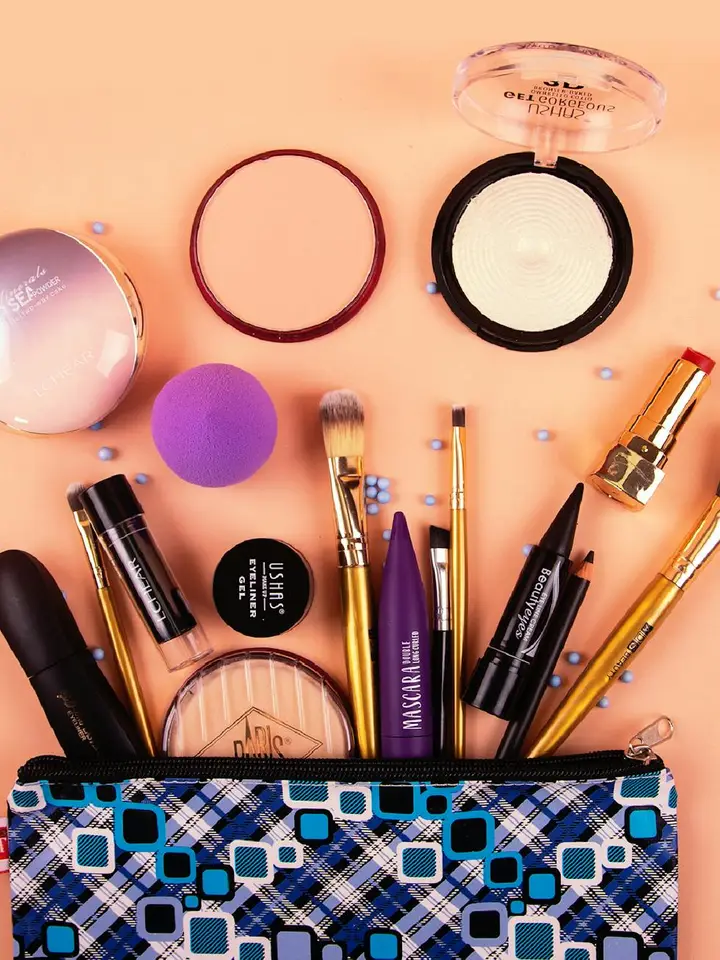
If you have oily skin, you’ve probably asked if powder or liquid foundation is better. I get this question all the time from clients like Maya. The truth is, both can work if they’re non-comedogenic, but they behave differently on your skin.
Powder foundation acts like a blotting paper for your face, absorbing oil as soon as you apply it. It typically gives a matte finish with light to medium coverage. Because it’s dry, it sits on top of the skin, which often makes it less likely to seep into pores and cause clogs. Its wear time is decent, but on very oily days, you might see shine breakthrough faster, requiring a touch-up.
Liquid foundation is like a uniform, smoothing layer that can offer more customizable, full coverage. Modern long-wear formulas are designed to resist oil and humidity. The finish is often matte or natural. The pore-clogging potential is higher with liquids if they contain heavy oils or waxes, so checking for ‘non-comedogenic’ and ‘oil-free’ on the label is non-negotiable.
So, which one should you choose? Reach for a powder foundation on low-key days, for quick application, or when your skin is feeling particularly greasy. It’s perfect for no-fuss routines. Maya loves using a powder compact for workdays when she just needs to even out her tone without a heavy feel.
Opt for a liquid foundation when you need your makeup to last through long events, humidity, or you desire a flawless, full-coverage look. It adheres better for extended wear. For her date nights or important presentations, Maya switches to a trusted liquid formula she knows won’t break her out.
Here’s what I tell everyone in my treatment room: the most effective strategy for oily skin often uses both formats together. Apply a thin layer of liquid foundation for seamless coverage, then lightly set it with a translucent powder. This duo manages oil and extends wear without loading your pores with product.
The Step-by-Step Application Guide for Lasting, Pore-Friendly Wear
The right application method is just as important as the products you use. This routine prevents clogged pores by ensuring makeup sits on your skin, not in it.
- Complete your pre-makeup skincare. A clean, hydrated base is essential.
- Apply a non-comedogenic primer to create a smooth, oil-controlled canvas.
- Use your foundation with clean tools, building coverage in thin layers.
- Set your work with a light powder to absorb oil.
- Lock everything in place with a setting spray for all-day hold.
Prep Your Canvas: The Essential Pre-Makeup Skincare
Never apply makeup to a dirty or dehydrated face. This three-step routine takes five minutes and makes all the difference.
Start with a gentle, water-based cleanser. This removes overnight residue without stripping your skin. Pat your face dry with a clean towel.
Next, apply a lightweight, oil-free moisturizer. I know it feels wrong to add moisture to oily skin, but hear me out. When your skin is properly hydrated, it gets the signal to produce less oil throughout the day. Think of it like drinking water to avoid feeling thirsty later.
Finish with a broad-spectrum sunscreen. Choose a gel or fluid formula labeled ‘non-comedogenic’ that dries to a matte finish. Sun protection keeps your skin barrier healthy, which helps prevent pore congestion and inflammation. This is especially important when selecting sunscreens for acne-prone skin.
Primer, Foundation, Perfect: Layering for Locked-In Coverage
A primer is not a skip-able step for oily skin. A good, non-comedogenic primer fills in enlarged pores and creates a barrier so foundation doesn’t settle into them. It also controls shine, giving your makeup a smooth surface to cling to. For pore-conscious routines, opt for a non-comedogenic face primer designed to minimize the appearance of pores.
Apply a pea-sized amount of primer with clean fingers, focusing on your T-zone and cheeks where oil is prominent. Let it set for a minute.
For foundation, use clean tools. Your fingers warm the product for a natural finish. A damp makeup sponge gives light, even coverage. A brush can build coverage without cakiness. Start with a small dot of foundation and blend outward, adding more only where you need it. Building thin layers prevents a heavy, pore-clogging mask. If you use a sponge, rinse it with soap and water after every use to prevent bacteria buildup.
Setting It All: The Role of Powders and Sprays
This final step is what makes your makeup sweat-proof and long-lasting. Powders and sprays serve different purposes.
Setting powders absorb excess oil and provide a matte finish, preventing your foundation from breaking down. Use a fluffy brush to dust a translucent, non-comedogenic powder lightly over your entire face, concentrating on your forehead, nose, and chin.
Setting sprays create a protective film over your makeup, sealing it against humidity and movement. Look for an alcohol-free, non-comedogenic formula. Hold the bottle about an arm’s length away and mist your face in an ‘X’ and ‘T’ pattern. Let it dry naturally.
For the most durable finish, use both. The powder mattifies, and the spray locks it all in without compromising your pores.
Top Formulas by Concentration: A Strength-Based Guide
Choosing makeup isn’t about finding the single “best” product. It’s about matching the formula’s behavior to your skin’s needs and your coverage goals for the day. Think of it like choosing an outfit: a lightweight layer for everyday, something more structured for a special event.
Lightweight Tinted Serum or Moisturizer
This is your “my skin but better” base. These formulas blend skincare with a whisper of pigment to even out redness and dullness without feeling like makeup. They’re perfect for daily wear, gym days, or when your skin just needs a breather.
If you have active breakouts or get shiny quickly, a tinted serum can provide a breathable layer of coverage that won’t trap oil or bacteria.
My client Maya, who manages an oily T-zone, uses a formula like this on weekends. It lets her skin behave naturally while subtly blurring the appearance of old acne marks.
- Look for key ingredients: Hyaluronic acid for hydration without oil, and niacinamide to help calm redness and regulate sebum production.
- Skip heavy dimethicone-based formulas. Instead, opt for cyclopentasiloxane or silica, which give a soft, matte finish without a heavy, occlusive feel.
- You can find brilliant, clean options at both the drugstore and the luxury counter. The price often reflects texture refinement and additional skincare benefits, not necessarily better non-comedogenic performance.
Medium-Coverage Liquid Foundation
This is the workhorse of makeup. It offers reliable, buildable coverage that can last through a full day. The trick for oily skin is finding a liquid that sets down and resists shifting into pores and fine lines. You can find several non-comedogenic makeup and skincare options to help with this.
A matte or natural matte liquid foundation with oil-absorbing powders built in will prevent midday shine and help maintain a fresh look.
Application matters. Using a damp makeup sponge presses pigment onto the skin smoothly, while a dense brush can offer fuller coverage. Always start with a small amount in the center of your face and blend outward.
- Look for key ingredients: Silica and nylon-12 are common oil-absorbing powders. Salicylic acid (BHA) in some formulas can help keep pores clear.
- Be cautious with “dewy” or “luminous” claims, as these often rely on oils or emollients that can promote shine. If you love that glow, apply a liquid highlighter only to the high points of your face later.
- Excellent long-wear, non-comedogenic formulas exist at every price point. A higher cost may mean more shade options or a more elegant blend of oil-controlling ingredients.
Full-Coverage Powder or Compact Foundation
When you need maximum, transfer-resistant coverage, powder formulas are a secret weapon for oily skin. They provide excellent opacity and soak up oil on contact. They can be worn alone or over a thin layer of liquid for a locked-in finish.
Powder foundation is ideal for spot-concealing or for those who feel liquids always slide off their nose and chin.
For my client Lina, who has combination skin, a mineral powder foundation on her oily T-zone paired with a tinted serum on her drier cheeks is the perfect balance.
- Look for key ingredients: Mineral-based formulas (zinc oxide, titanium dioxide) are naturally soothing and oil-absorbing. Look for simple ingredient lists without added talc or heavy fillers like bismuth oxychloride, which can feel itchy on some.
- Apply with a fluffy brush for a softer look or a dense kabuki brush for full coverage. Pressing the powder onto the skin, rather than swiping, gives a more seamless finish.
- Whether pressed or loose, high-quality powder foundations are widely accessible. A luxury compact might offer a silkier texture, but an affordable mineral powder can provide identical coverage and oil control.
The Non-Negotiable Final Step: How to Remove Everything Safely

Even the most breathable, non-comedogenic makeup must come off completely every single night. Sleeping in makeup, especially long-wear formulas, is a guaranteed way to clog pores and trigger inflammation.
Leaving makeup to mix with your skin’s natural oils and environmental dirt is an invitation for clogged pores and breakouts. This step is non-negotiable for skin health.
The most effective method is double cleansing. It sounds fancy, but it’s simply using two types of cleanser to ensure everything is removed gently.
Step 1: The Oil or Balm Cleanse
This first step breaks down makeup, sunscreen, and excess sebum. Yes, oil cleansers are safe and excellent for oily skin. They work on the principle of “like dissolves like.”
- Apply a cruelty-free cleansing oil or balm to dry skin with dry hands.
- Gently massage it over your entire face for about 60 seconds to dissolve all makeup. You’ll feel it loosen.
- Add a little warm water to emulsify the oil-it will turn milky-then rinse thoroughly.
Step 2: The Water-Based Gel Cleanse
This second step cleanses the skin itself, removing any last traces of residue and sweat. For oily skin, a gentle gel or foaming cleanser works perfectly.
A gentle, second cleanse ensures your skin is truly clean and ready to absorb your nighttime treatments, like retinoids or hydrating serums.
- After rinsing step one, apply your regular gel cleanser to damp skin.
- Massage in gentle circles, paying extra attention to your hairline, jawline, and the sides of your nose where makeup hides.
- Rinse with lukewarm water and pat your face dry with a clean towel. Your skin should feel clean but not tight or squeaky.
This two-step process is what I recommend to everyone, from Noah with his reactive skin to Maya with her acne-prone complexion. It’s the surest way to reset your canvas overnight, letting your skin breathe and repair itself.
Is Your Makeup Clogging Your Pores? How to Spot the Signs
If you have oily or acne-prone skin, your foundation or powder might be part of the problem, not the solution. The tricky part is that clogged pores don’t always announce themselves with a big, red pimple. They often start more quietly. Think of it like a slow drain-debris builds up over time before you notice the water isn’t flowing. Here’s how to play detective on your own skin.
The Tell-Tale Clues on Your Skin
Pay close attention to the areas where you apply the most product: typically your forehead, nose, cheeks, and chin. A new makeup culprit often shows up here first.
- New, Tiny Skin-Colored Bumps: These are called closed comedones. They feel like fine grit or sandpaper under your fingertips, especially when you cleanse. They don’t have a “head” and aren’t red, but they create texture. My client Maya noticed these along her jawline after switching to a new, creamy concealer.
- Persistent Blackheads: While blackheads can have many causes, a sudden increase in areas you cover with makeup is a red flag. If your nose suddenly looks like a strawberry seed collection, your product might be too rich or waxy for your pore type.
- Makeup That “Sits” Funny: Does your foundation catch on tiny bumps, making them more visible instead of smoothing over them? This is a classic sign. Healthy, clear skin provides a smooth canvas; clogged pores create a textured one that makeup can’t hide.
If you’re seeing a crop of small, rough bumps in the exact shape of where you apply your blush or foundation, that product is your prime suspect.
The Simple Test: Take a Break
You don’t need a lab to confirm your suspicions. The most reliable test is a “makeup holiday” for the suspect product. This doesn’t mean going bare-faced for weeks (though that can be enlightening!). It means isolating one product at a time.
- Pick one product you think might be the issue-maybe that new full-coverage foundation or that nourishing primer.
- Stop using it for two weeks. Keep the rest of your skincare and makeup routine exactly the same.
- Observe. Do those tiny bumps start to calm down or clear? Does your skin feel smoother?
For my cautious client Noah, this test confirmed that a “hydrating” tinted moisturizer was too heavy for his skin, causing clogging on his cheeks. He switched to a featherlight, water-based formula and the bumps resolved.
What to Do Next
Once you’ve identified a likely culprit, you have clear, effective paths forward.
- Simplify Your Routine: Go back to basics with a trusted, oil-free moisturizer and a non-comedogenic sunscreen. Use only one makeup product at a time as you reintroduce them, giving each a few days to see how your skin reacts. This helps you build a safe, pore-friendly kit.
- Consult a Professional: If the clogged pores are widespread, inflamed, or don’t improve after simplifying your routine, see a dermatologist or licensed esthetician. They can safely extract existing clogs and recommend clinical-grade, non-comedogenic products tailored to your oily skin. They can also rule out other conditions that might look like product-related clogging.
Remember, your skin is communicating with you. Those little bumps are it saying, “This formula is too much for me.” Learning to spot the signs is the first step toward choosing makeup that enhances your beauty without compromising your skin’s health.
Your Quick Questions on Long-Wear, Pore-Safe Makeup
Are there affordable drugstore options for non-comedogenic, long-wear makeup?
Absolutely. Effective non-comedogenic formulas are available at all price points—look for the same key oil-absorbing ingredients like silica and niacinamide on the drugstore label. The goal is smart formulation, not a high price tag.
How can I tell if a makeup product is *truly* non-comedogenic?
Since the term isn’t regulated, you must become a label detective. Cross-reference the ingredient list against known comedogenic agents and prioritize brands that disclose their testing methodology or use resources like the EWG Skin Deep database.
How do I choose a non-comedogenic primer and setting spray for oily skin?
Select a primer with mattifying agents like silica to blur pores and control oil at the base. Follow with an alcohol-free, non-comedogenic setting spray to create a flexible, breathable seal that locks your look in place without clogging.
Your Blueprint for Breathable Beauty
Choosing makeup for oily skin comes down to one guiding principle: Your products should enhance your features without compromising your skin’s health. By prioritizing non-comedogenic, long-wear formulas, you give your pores the space they need to function normally, which is the real secret to a clear, confident complexion.
- Always remove every trace of makeup before bed with a double-cleansing method.
- Before buying, check ingredient lists for common pore-cloggers like coconut oil or heavy silicones.
- In your daily routine, apply a mattifying, oil-free sunscreen as your mandatory first layer.
- Carry blotting papers to manage shine midday instead of piling on more powder.
- Support brands that are transparent about their cruelty-free and sustainable practices.
Navigating makeup choices can feel overwhelming, but you don’t have to do it alone. I’m always here to help decipher labels or troubleshoot routines-just like I do for my client Maya when she finds a new ‘oil-free’ foundation that needs vetting. Your questions and stories help shape the real-world advice on LuciDerma, so feel free to reach out with what you’re curious about next.
References & External Links
- My top 8 foundations & skin tints for acne-prone skin – Notes by Alice
- 9 Best Foundations for Oily Skin to Get a Fresh Complexion | Allure
- Natural & Organic Makeup for Oily Skin – Colorescience
- Makeup products Non Comedogenic – Perfumes Club
- r/Makeup on Reddit: Best Matte foundation for oily skin with non-comedogenic properties?
- 10 Best Foundations for Acne-Prone Skin of 2025, Tested
- Non Comedogenic Foundation | Sephora
- The best makeup tips for acne prone skin
- Makeup for Oily Skin | Foundation, Primer & Concealer
- After Testing Hundreds, Here Are the 12 Best Foundations for Oily Skin-as Tested by Beauty Editors Who Want to Stay Shine-Free All Day
Lucy is an expert author and blogger when it comes to skin care and body care. She has first hand expertise acting as skin care consultant for over 5+ years helping her clients achieve smooth blemish free skin with natural and working remedies. She also has been an avid experimenter and tried out all the natural and artificial remedies and treatments so you can learn from her first hand experience. Additionally, she has traveled to many countries around the world and incorporated the skin care routines she has learnt into this blog. So, wait no more, reach out to Lucy if you have any specific needs and follow her blog, LuciDerma for expert skin care advice.