
Your Guide to Non-Comedogenic Skin Care After Microneedling or Laser Treatments
Your skin feels extra sensitive after a procedure, and you’re wise to worry about clogging pores. I’ll help you choose products that protect your healing skin without causing new breakouts.
In this article, I’ll share my clinic-tested advice so you can:
- See exactly why non-comedogenic products are your best ally for post-procedure healing.
- Learn to pick gentle, sustainable ingredients that calm skin instead of congesting it.
- Build a simple daily routine that supports your skin’s recovery with confidence.
You’ve got this-let’s get your skin healing the right way.
What Happens to Your Skin After a Treatment?
Think of microneedling and laser treatments as a controlled, microscopic reset for your skin. Tiny needles or beams of light create micro-injuries, signaling your skin to ramp up its production of fresh collagen and elastin. This process is called “wounding for renewal.”
Immediately after, your skin is in a uniquely vulnerable state. Its protective barrier is compromised, leaving microscopic channels open. It often feels hot, looks red, and loses moisture faster than usual. It’s essentially wide open.
I like to tell my clients their post-procedure skin is like a freshly tilled garden. The soil is soft, exposed, and ready for the right seeds (nourishing ingredients) to help new, healthy growth. What you don’t want is to throw weed seeds (pore-cloggers or irritants) into that pristine soil.
This delicate state is why your normal, even your “sensitive skin” routine, often won’t cut it. Products you tolerate daily might now sting, clog those healing micro-channels, or trigger inflammation that slows your recovery and jeopardizes your gorgeous results.
Why “Non-Comedogenic” is Your Healing Mantra
In simple terms, non-comedogenic means a product is formulated to not clog pores. After a treatment, your pores and those microscopic channels are more susceptible to blockage.
Using a comedogenic (pore-clogging) product on this vulnerable skin is like putting a tight bandage over a fresh scrape. It can trap bacteria and dead skin inside, leading to post-procedure breakouts that can cause post-inflammatory hyperpigmentation. This completely derails the healing process you paid for.
Remember, “oil-free” does not automatically mean “non-comedogenic.” Some synthetic oils or heavy silicones or plant oils can be comedogenic. Always check the full ingredient list or look for products specifically tested and labeled as non-comedogenic.
The Post-Procedure Ingredient Toolkit: What to Look For and What to Run From
Your goal for the first 5-7 days is not active treatment, but safe, intelligent support. You’re building a recovery kit focused on repair, hydration, and calm.
Healing Heroes: Key Ingredients to Look For
Seek out these gentle powerhouses that speak your skin’s healing language:
- Hyaluronic Acid: A hydration magnet. It pulls water from the air into your skin, plumping those micro-channels from the inside without any greasy feel. It’s like giving your parched skin a long drink of water.
- Ceramides: Think of these as the bricks that repair your skin’s barrier wall. They help seal in moisture and protect your vulnerable skin from environmental aggressors while it heals.
- Niacinamide (Vitamin B3): A multi-talent. It soothes redness, helps strengthen your barrier, and can even help regulate oil production once you’re healed. It’s the calming friend your inflamed skin needs.
- Panthenol (Pro-Vitamin B5): A superstar healer. It deeply hydrates and supports your skin’s natural repair process, making it ideal for reducing that tight, uncomfortable feeling.
- Centella Asiatica (Cica or Madecassoside): This plant extract is like a cold compress in a bottle. It calms fire, reduces redness, and encourages healthy collagen formation right where you need it.
Top Formulas by Concentration: Look for products where these ingredients are featured prominently. A serum with multiple forms of hyaluronic acid, a moisturizer listing ceramides 1, 3, and 6-II, or a calming gel with a high percentage of Centella Asiatica extract will deliver the focused support your skin craves.
The Avoid-At-All-Costs List: Key Ingredients to Steer Clear Of
For at least the first week, give these ingredients a hard pass. They are the “weed seeds” for your freshly tilled skin.
- Heavy Occlusives (e.g., Petrolatum, Mineral Oil): In the initial 48-72 hours, these can trap heat and potentially clog the micro-channels. Save the pure ointment for your lips, not your entire face.
- Essential Oils & High-Fragrance: These are common irritants. Your skin’s defenses are down, and what normally smells lovely can now cause stinging and set back healing.
- Active Acids (AHA/BHA) & Retinoids: Your skin is already in an active state of renewal. Adding these exfoliants is like scrubbing a wound-it causes significant irritation and damage.
- Physical Scrubs: Any grainy or gritty texture is far too abrasive for skin that is literally covered in microscopic healing points.
- Denatured Alcohol (often listed as Alcohol Denat.): This type of alcohol strips the skin, causing immediate dryness and barrier disruption, which is the opposite of what you need.
I learned this lesson early on with a client, Noah, who has dry, reactive skin. After a laser treatment, he applied his favorite rich night cream containing several essential oils, thinking “more moisture is better.” The next day, his redness was significantly worse, with a new, itchy rash. We had to switch to a bland, fragrance-free ceramide cream to calm it down. It added days to his recovery. The right vehicle for delivery is everything.
Building Your Gentle, Non-Comedogenic Recovery Routine
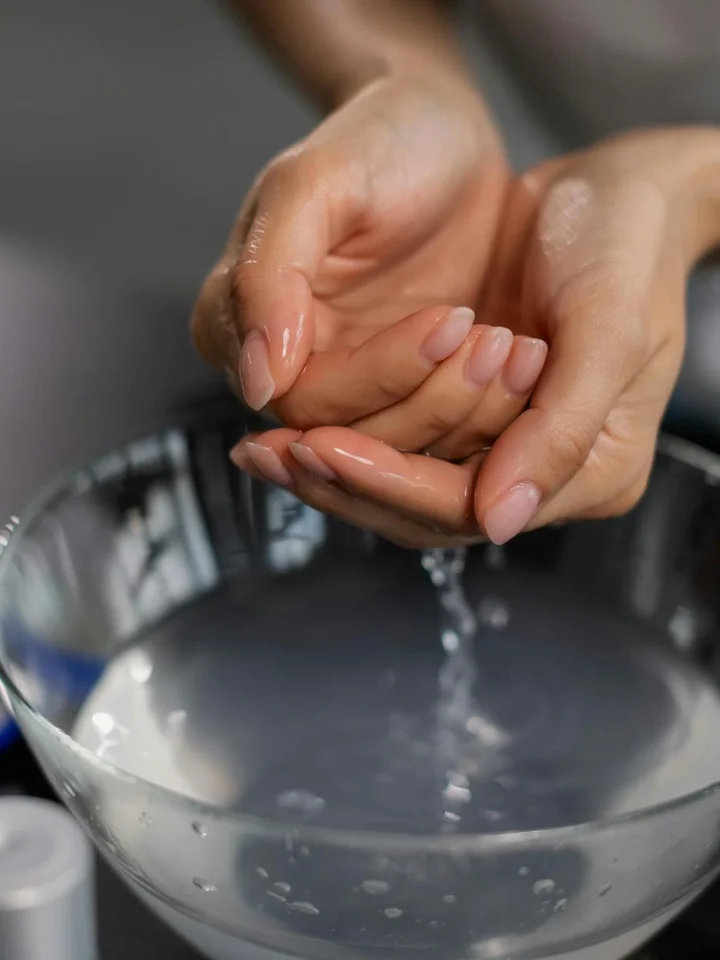
The first week after a treatment is when your skin is most vulnerable. Your goal is to support its natural healing, not overwhelm it. Think of your skin like a fresh, minor scrape. You wouldn’t scrub it or slather on heavy ointments meant for calloused feet. You’d gently clean it and keep it protected. That’s our approach here.
The Ideal Texture and Feel for Every Step
Texture is your best clue to a product’s compatibility with healing skin. Thick, occlusive creams can trap heat and potentially clog the micro-channels created during your procedure. We want hydration without suffocation.
In the first few days, reach for products with a water-like feel. A hydrating serum should have the consistency of slightly thickened aloe vera, delivering moisture without a sticky finish. For moisturizer, a lightweight lotion is your ally. It feels like a breathable cotton shirt, offering comfort without weight. A rich cream, in contrast, can act like a winter coat-necessary sometimes, but too much for this initial, delicate phase. You can layer a hydrating serum under your moisturizer for extra moisture. This simple layering keeps hydration balanced without heaviness.
The golden rule: a product should sink into your skin within a minute or two, not sit on top feeling slick or tacky. If it just sits there, it’s likely too heavy for your skin’s current needs.
What Order Should You Apply These Products?
Keep it simple. A short, predictable routine minimizes irritation and gives your skin one job: heal. Here is your blueprint for the first 5-7 days.
- Gentle Cleanser: Use lukewarm water and a non-foaming, cream or lotion cleanser. Pat your face dry with a clean towel-never rub.
- Hydrating Serum: Apply a serum with ingredients like hyaluronic acid or glycerin to damp skin. This pulls water into the skin’s surface.
- Soothing Moisturizer: Lock that hydration in with a fragrance-free lotion containing ceramides or panthenol (Vitamin B5).
- Mineral Sunscreen (AM only): This is your final, non-negotiable morning step. More on this critical product below.
During recovery, “less is more” isn’t just a philosophy, it’s a protective strategy. Stick to these four steps and skip all other actives like retinols, acids, and vitamin C.
How Often Should You Apply Them?
Consistency is comforting for compromised skin. Cleanse and moisturize twice daily-once in the morning and once at night.
If your skin feels tight or dry during the day, you can give it a boost. A fine mist of thermal water or a tiny extra dab of your hydrating serum can provide relief without disrupting your routine. Listen to those subtle signals.
Sunscreen reapplication is the most critical part of your schedule. If you have any sun exposure, you must reapply a mineral sunscreen every two hours. This protects your investment and prevents post-inflammatory hyperpigmentation.
Your Post-Procedure Safety and Sunscreen Guide
If you take away one thing from this guide, let it be the sunscreen section. After microneedling or lasers, your skin’s barrier is temporarily down, making it supremely susceptible to UV damage. Sun protection isn’t just about avoiding a burn; it’s about ensuring you heal correctly.
Choosing a Truly Non-Comedogenic Sunscreen
For post-procedure skin, I only recommend 100% mineral sunscreens. These use zinc oxide and/or titanium dioxide as their active filters. They sit on top of the skin, physically deflecting UV rays.
Chemical sunscreens, which absorb UV light, create a chemical reaction that can generate a small amount of heat. On skin that’s already inflamed or sensitized from a treatment, that heat can trigger more redness and irritation. Mineral filters are generally cooler and better tolerated. For a practical choice, a chemical versus mineral sunscreen comparison can show which option may be gentler on inflamed or sensitive skin. In the next steps, a side-by-side comparison will be provided to help guide sensitive-skin decisions.
Look for formulas labeled “sheer,” “lightweight,” or “for sensitive skin.” These are often engineered to avoid the heavy, white cast of older mineral sunscreens and are less likely to feel pore-clogging. My client Noah, with his reactive skin, finds these keywords lead him to his most successful finds.
Spotting a Trustworthy Non-Comedogenic Product
“Non-comedogenic” is a helpful label, but it’s not a regulated guarantee. You become the expert by learning to scan the ingredient list. This means understanding the comedogenic ratings of common skincare ingredients.
Be wary of common pore-cloggers, especially in thick creams or sunscreens. Ingredients like coconut oil, cocoa butter, and some silicones (like dimethicone in very high concentrations) can be problematic for acne-prone types like my client Maya. While not everyone reacts, it’s best to avoid them during this sensitive window.
Always patch test a new product, even one labeled for sensitive skin. Apply a small amount along your jawline for two nights before using it on your entire treated area. This simple step can prevent a full-face reaction.
A short, understandable ingredient list is usually a positive sign. It means there are fewer potential irritants for your healing skin to decipher and react to. Simplicity is your safety net.
Navigating the Healing Journey: Common Questions and Cautions

After any procedure, your main job is to let your skin rest and rebuild. Think of this routine as a calm, quiet room for your skin to recover in. You wouldn’t start renovating that room while it’s still under construction.
Integrating this into real life means simplifying everything. Skip makeup for at least the first few days if you can. If you must wear it, choose a non-comedogenic, mineral-based formula and remove it with the gentlest cleanser. Your social plans should avoid sweat, sun, and steam for that first critical week.
How Long Should You Use This Specialized Routine?
Healing happens in clear phases, and your product use should shift with them.
Stick to the strict, bare-bones routine of a gentle cleanser, a simple moisturizer, and a mineral sunscreen for the first 5 to 7 days without exception. This is when your skin is most vulnerable and building its initial new layer.
After the first week, you’ll likely see significant healing. The redness and tightness fade. This is when you can start a cautious reintroduction phase over the next 2 to 4 weeks.
- Week 2: You might reintroduce a hydrating serum with ingredients like hyaluronic acid or panthenol, if your skin feels resilient.
- Week 3-4: If your provider agrees, you can very slowly bring back one active ingredient at a time, like a vitamin C serum or a gentle retinoid, starting with once or twice a week.
Remember, choosing non-comedogenic products is a smart, long-term strategy for many skin types, especially if you’re acne-prone. But the ultra-gentle, recovery-phase routine is temporary. Once your skin is fully healed, you can return to a more robust regimen.
Can You Use Other Treatments or Medications?
This is non-negotiable: you must follow your provider’s post-care instructions absolutely. They know the depth of your treatment and your skin’s history.
Do not add any product, treatment, or medication they did not explicitly approve for the immediate healing period. What seems harmless can disrupt healing or cause irritation.
Common scenarios I see with my clients include:
- Prescription Topicals (like Tretinoin or high-strength Azelaic Acid): Your provider will usually instruct you to stop these 5-7 days before your procedure and hold them for 1-2 weeks after. Do not restart until they give you the green light.
- Oral Supplements: Avoid anything that can increase bleeding or bruising, like high-dose Vitamin E, fish oil, ginkgo biloba, or garlic supplements, for at least a week before and after. Always check with your doctor.
- Over-the-Counter Actives: This is not the time for DIY acid peels, physical scrubs, or devices like facial cleansing brushes. Let your skin be.
Contraindications & Safety Warnings
Your skin will tell you if something is wrong. You need to listen.
If your skin becomes broken, starts weeping clear fluid or pus, or shows signs of infection like yellow crusting or hot, spreading redness, stop all products immediately and call your provider. These are not normal parts of healing.
Special considerations are crucial for some individuals:
- If you have known allergies to common skincare ingredients (like lanolin or certain preservatives), scrutinize product labels even more carefully during this time.
- Pregnant or nursing individuals should always consult their obstetrician and dermatologist before any procedure and review all post-care product plans.
- If you have an active skin condition, like a rosacea flare or eczema, your skin barrier is already compromised. Post-procedure care must be tailored by your dermatologist.
This guide offers a trustworthy framework for general healing. It is not a substitute for the personalized protocol given to you by the licensed professional who performed your treatment. Their instructions always come first.
Your Post-Procedure Product Questions, Answered
How do non-comedogenic products specifically aid in the healing process?
They protect the vulnerable micro-channels by delivering hydration and reparative ingredients without clogging them, which prevents secondary breakouts and inflammation that can derail your results. This creates a clean, supportive environment exclusively focused on recovery.
How can I tell if a product is truly non-comedogenic for my sensitive, healing skin?
Beyond the label, trust a short, simple ingredient list free of the common irritants and occlusives we outlined. The most reliable sign is how your skin feels-a true non-comedogenic formula for healing skin should absorb quickly without any sting, tackiness, or pore-clogging sensation.
Can I use these products with other post-procedure treatments my provider prescribed?
Your provider’s instructions are always the rule. A gentle, non-comedogenic routine is designed to be a safe base, but you must get direct approval before layering on any additional prescribed topicals or treatments to avoid interactions and irritation.
Nurturing Your Skin Post-Procedure
Your skin’s healing journey after microneedling or laser treatments hinges on one simple principle: gentleness is non-negotiable. Choose non-comedogenic, fragrance-free products to deliver hydration and protection without clogging pores or causing new irritation. Consider non comedogenic branded moisturizers designed for post-treatment care. They help seal in moisture while staying gentle on sensitive skin.
- Cleanse morning and night with a mild, non-foaming formula to avoid stripping your skin.
- Apply a hydrating serum followed by a non-comedogenic moisturizer to support your barrier.
- Use a mineral-based, broad-spectrum sunscreen daily to shield healing skin from UV damage.
- Skip active ingredients like retinols or acids for at least one week post-treatment.
- If you feel unusual stinging or see persistent redness, contact your treatment provider.
I’m here to help you navigate this sensitive phase. If you have questions about a specific product or your skin’s reaction, share them with our community on the LuciDerma blog. We build our guidance on clinical experience and a commitment to ethical, sustainable care for your skin.
Further Reading & Sources
- Microneedling Aftercare | Park Ave. Derm | NYC
- Microneedling Aftercare: What You Should Know
- Microneedling vs. Laser | Skin Rejuvenation Comparison Guide – U.S. Dermatology Partners
- Medical Grade Skincare for Optimal Post-Microneedling Care | Aesthetic MdR
- Microneedling vs Laser: Why It’s Better to Do These Treatments Together – Refine Aesthetics
Lucy is an expert author and blogger when it comes to skin care and body care. She has first hand expertise acting as skin care consultant for over 5+ years helping her clients achieve smooth blemish free skin with natural and working remedies. She also has been an avid experimenter and tried out all the natural and artificial remedies and treatments so you can learn from her first hand experience. Additionally, she has traveled to many countries around the world and incorporated the skin care routines she has learnt into this blog. So, wait no more, reach out to Lucy if you have any specific needs and follow her blog, LuciDerma for expert skin care advice.