
pH in Skincare: Why the Right Balance Unlocks Healthy Skin & Better Results
If the science of pH feels overwhelming, you’re not alone. Think of it less as a chemistry test and more as the secret setting that determines how well your products work with your skin.
By the end of this guide, you’ll be able to:
- Explain what pH balance means for your face and body in plain, practical terms.
- Understand exactly why this balance is non-negotiable for a strong, calm skin barrier.
- Learn how a product’s pH directly controls whether your favorite active ingredients actually perform or just sit on your skin.
With this knowledge, you can move from guessing to confidently choosing products that support your skin’s natural health.
How Your Skin’s Natural pH Works Like a Security System
Think of pH as the personality of any water-based solution. It’s a scale from 0 to 14 that tells you how acidic or alkaline something is. Pure water sits right in the middle at 7, which we call neutral.
Your skin is not neutral. It’s home to a smart, slightly acidic film called the acid mantle. This is your skin’s built-in security team, maintaining balance unlike potentially irritating salicylic acid used in skincare products.
Your acid mantle is like a friendly but firm bouncer, keeping harmful bacteria and pollutants out while letting your skin’s natural processes work smoothly. When this mantle is balanced, your skin barrier is strong, hydrated, and calm.
The ideal range for this protective layer is between pH 4.5 and 5.5. It’s not one magic number for everyone. Your exact spot depends on your body area, skin type, and even age. Think of a balanced acid mantle like a well-tended garden. The right conditions let your healthy skin flora thrive. A disrupted pH is like weeds taking over – it throws the whole ecosystem off, leading to irritation, dryness, or breakouts.
Molecule Spec Sheet: Common Skin Care Actives
| Ingredient | Ideal Working pH Range | Typical Concentration | Solubility | Safety Note |
| Glycolic Acid | 3.5 – 4.5 | 5-10% (OTC) | Water-soluble | Can cause sun sensitivity. Start low, go slow. |
| Salicylic Acid | 3.0 – 4.0 | 0.5-2% (OTC) | Oil-soluble | Excellent for clogged pores. Can be drying. |
| L-Ascorbic Acid (Vitamin C) | Below 3.5 | 10-20% | Water-soluble | Unstable at high pH. May tingle on application. |
| Niacinamide | 5.0 – 7.0 | 2-10% | Water-soluble | Very stable and tolerant. Can flush skin at high doses. |
| Retinol | 5.0 – 6.0 | 0.1-1% (OTC) | Oil-soluble | Converts on skin. Sensitive to light and air. Always use at night. |
The Real Signs Your Skin’s pH Is Off Balance
Your skin tells you when its security system is down. The clues are often immediate and unmistakable.
Common symptoms include a sudden, squeaky-clean tightness right after washing, new sensitivity to products you’ve used for years, persistent low-level redness, a rough or dull texture, and breakouts that feel more inflamed or appear in new areas.
A disruption pushing your skin too alkaline (high pH) often feels like stripping-think tight, dry, and irritated. This is common after using traditional bar soaps or harsh cleansers. My client Noah, with his dry, reactive skin, gets instant flare-ups and a sandpapery texture if he uses a high-pH soap. His skin barrier feels compromised.
An overcorrection making your skin too acidic (low pH) is rarer, but can happen with overuse of strong exfoliating acids. It typically presents as stinging, burning, or raw sensitivity, even to gentle moisturizers.
When you read ‘ph skin care balance reviews’, people are often describing this confusion. They report, “My moisturizer suddenly burns,” or “My face feels stripped no matter what I use,” or “I’m breaking out more even though I’m treating my acne.” These are classic signs the foundational pH balance is off, making everything else in your routine less effective or even counterproductive.
The Everyday Products That Shift Your Skin’s pH (And How to Choose Better)
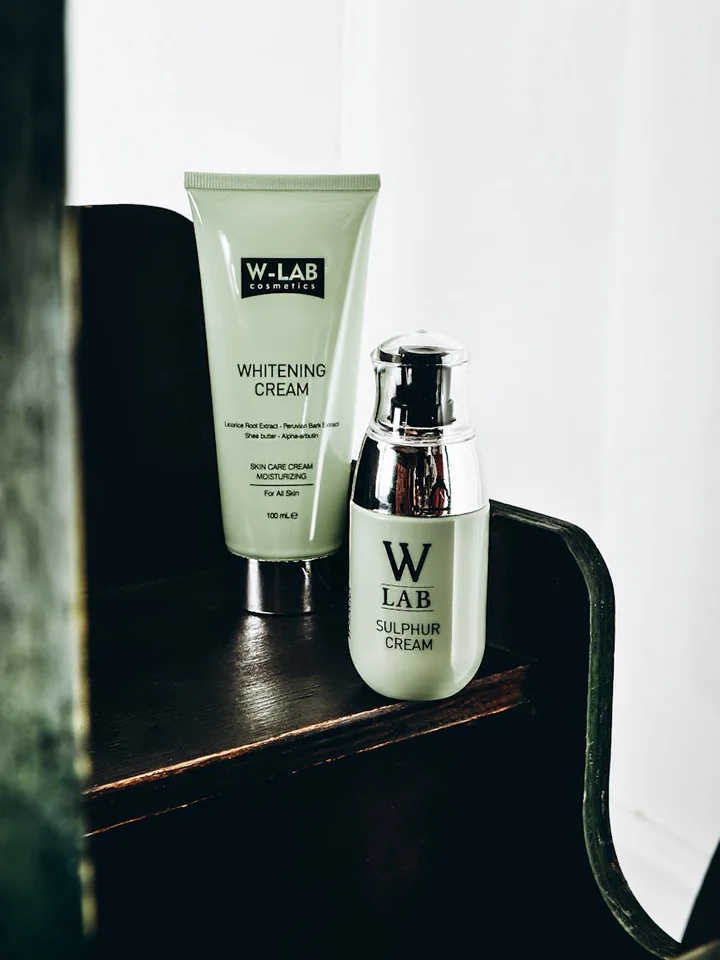
Think of your skin barrier like a smart lock. The right pH is the key that keeps it secure. Many everyday products hold a different key that can jam the lock, leaving your barrier vulnerable. Niacinamide is often highlighted for supporting skin barrier function, helping it stay resilient against irritants.
Your cleanser is the most frequent pH disruptor in your routine. Traditional bar soaps and foaming cleansers with sulfates often have a high, alkaline pH (around 9-10). This feels “squeaky clean” because it strips away your skin’s natural acidic oils. For my client Noah, this created a cycle of dryness, tightness, and reactivity. Switching to a gentle, low-pH cleanser (ideally between pH 4.5 and 5.5) cleans without breaking down your barrier’s defense system.
Even your tap water can be a silent saboteur. Hard water, high in minerals like calcium and magnesium, leaves a faint alkaline film on your skin after rinsing. This is why patting your face dry after cleansing isn’t just about removing water, it’s about removing that residue.
Your active treatments are a different story. Their effectiveness lives and dies by their pH. AHAs (like glycolic acid) and BHAs (like salicylic acid) need a low pH environment (acidic) to exfoliate effectively. A vitamin A derivative like retinol works at a more neutral pH. Using an AHA serum formulated at the wrong pH means you might get all the potential irritation with none of the benefits. Exfoliants—AHAs, BHAs, and PHAs—rely on the right pH to work. Using the correct exfoliant for your skin type helps maximize benefits and minimize irritation. Always follow the instructions and don’t layer multiple low-pH actives together, as Lina learned when she combined two “gentle” acids and wound up with a red, stinging complexion.
Not every product needs to be acidic. A good moisturizer often has a pH closer to neutral. Its job is to reinforce your barrier with hydrating ingredients and occlusives, creating a supportive environment for your skin’s natural pH to thrive. Look for ceramides, fatty acids, and niacinamide.
When shopping for ph balanced skincare products, you’re looking for transparency. For cleansers and toners, the label might say “pH-balanced” or list a specific pH level. A sulfate-free, low-foam gel or milky cleanser is often a good bet. A hydrating toner should feel soothing, never sting. However, more potent treatments, like acid treatments for skin conditions, require careful attention to product pH.
Formulation Pro-Tip
For the ingredient-curious: every acid has a pKa. This is the specific pH at which exactly half of the acid molecules are active and ready to work. It’s a formulator’s dial. By formulating a product at a pH at or below an ingredient’s pKa, we can maximize its potency. By moving the pH closer to your skin’s natural level, we can make that same ingredient much gentler for sensitive skin types. That’s the science behind customization, especially when considering the exfoliating properties of acids for different skin types.
Here’s your objective takeaway: for a leave-on AHA serum, a pH between 3 and 4 ensures efficacy without excessive irritation. If a product doesn’t list its pH, the concentration of the active can give you a clue, but the pH is the true director of the formula’s behavior.
Building Your pH-Conscious Skin Care Routine
A ph balance skincare routine is less about adding steps and more about intelligent sequencing. It’s like setting the table before a meal. Here’s a simple, effective framework.
Step 1: Cleanse with a low-pH, sulfate-free formula. This step is non-negotiable. It sets the stage for everything that follows. Use lukewarm water, cleanse for 60 seconds to let it work, and pat your skin dry.
Step 2: Apply actives at their correct, effective pH. This is where you target concerns. Apply your vitamin C, AHA, BHA, or retinoid as directed, usually on dry skin. Do not cocktail them together. Patience is key. I have Maya use her BHA toner only in the evening, three nights a week, to manage oil without disruption.
Step 3: Use a barrier-supporting moisturizer. This is your ph balance skincare daily moisturizer. It seals in hydration and helps maintain the optimal environment your cleanser and actives worked to create. Look for the barrier-repair ingredients mentioned earlier. For Noah, a richer cream with ceramides was the calming finish his routine needed.
Step 4: Always use sunscreen in the AM. Sun protection is the final, most crucial step. Most modern sunscreens are formulated to be skin-friendly and won’t disrupt your morning pH balance. This protects your healthy barrier and your actives’ hard work.
You might see products like a ph skin care balance serum. When are they useful? Primarily post-procedure (like after a clinical peel or microneedling) or if you have a highly reactive barrier that needs a dedicated calming step. For most daily routines, a well-chosen, low-pH cleanser and a supportive moisturizer make a separate balancing serum unnecessary. Your routine already covers it.
How to Test Your Products and Trust the Process

Curiosity got the better of me a few years back, and I bought a pack of pH test strips. My client Noah had been asking if his new cleanser was “throwing off his balance,” and I wanted a hands-on way to show him how it works. It’s a simple, insightful exercise if you’re methodical.
Using pH Strips at Home: A Quick Guide
You don’t need a lab coat. Grab some pH test strips (they’re inexpensive online), a clean dish, and distilled water. Here’s my method:
- Place a small dab of the product (a pea-sized amount is plenty) onto your clean dish.
- Add a drop or two of distilled water and mix gently with a cotton swab. This helps create a readable surface for the strip.
- Briefly dip the test strip into the mixture, then immediately compare the color change to the chart provided with your strips.
Think of it like a slightly more scientific version of the old baking-soda-and-vinegar volcano experiment-it gives you a general idea of where a product lands on the scale.
Managing Your Expectations
It’s vital to remember this is a guide, not a definitive analysis. Home strips can vary in accuracy, and a product’s pH can shift over time as it sits in the bottle. More importantly, a product’s formulation and stability matter just as much as its pH. A well-buffered product at a pH of 5.5 might be gentler than a poorly formulated one at 5.0.
When a Beloved Product Tests “Off”
So, you test your holy-grail serum and the strip reads a 6.8. Don’t panic and throw it out. First, consider how your skin feels when you use it. Does it cause redness or tightness? Or does your skin look calm and feel supple? Your skin’s feedback is the ultimate report card.
If you’re nervous, do a patch test on your jawline or inner arm for a few days, monitoring for any reaction. Let your skin’s comfort guide you more than the number on the strip. My client Lina once had a toner that tested a bit lower than ideal, but because it was so well-formulated with soothing ingredients, her combination skin loved it.
You Don’t Need to Test Everything
This isn’t a mandate to audit your entire shelf. Focus your detective work on two key categories: cleansers and direct acids (like AHAs, BHAs, and vitamin C serums). These are the products most likely to have a significant, immediate impact on your skin’s surface pH. For most moisturizers, sunscreens, and face oils, the pH is less critical to their primary function.
The Core Principle: Routine Over Range
Chasing a theoretically perfect pH for every step can lead to more stress than results. I see this often with clients who get lost in the numbers. What your skin barrier needs most is consistency and gentleness.
A simple, stable routine that avoids harsh stripping and supports your acid mantle will always outperform a complex routine built on fluctuating pH paranoia. Think of it like maintaining a comfortable room temperature-you want a stable, healthy environment, not constant, jarring adjustments.
Your Questions on Skin pH, Answered
Do all the products in my routine need to be pH-balanced?
Not necessarily. The priority is using a gentle, low-pH cleanser and ensuring active ingredients like acids are formulated at their effective pH. A good moisturizer often has a more neutral pH to support barrier repair without interfering with salicylic or glycolic acid products.
How can I tell if a product is truly pH-balanced if it’s not on the label?
Look for supporting clues like “sulfate-free” for cleansers or “gentle” and “barrier-supporting” for moisturizers. For actives like vitamin C or AHAs, reputable brands often disclose the pH to guarantee efficacy, so check their product details or reach out to their support team.
I want a simpler routine. What’s the one pH rule I should never break?
Never compromise on your cleanser. Using a high-pH, stripping cleanser is the fastest way to disrupt your acid mantle, making every product that follows less effective. Start with a gentle, low-pH cleanser to protect your barrier foundation. As you introduce acids and actives, you may see a temporary purging as your skin adjusts. Understanding purging helps you pace ingredient changes and protect your barrier.
Your Skin’s Happy Place
The most important takeaway is this: a balanced skin barrier is your best defense and your greatest asset. Think of a healthy pH not as an extra step, but as the foundation your entire routine is built upon. Just like you use ceramides to support skin barrier function, maintaining pH ensures it works effectively.
- Test a new product’s pH if your skin feels consistently irritated or an active isn’t working.
- Prioritize gentle, pH-balanced cleansers that clean without stripping your skin’s natural acids.
- Look for terms like “pH-balanced” or “pH 5.5” on labels for barrier-supporting toners and treatments.
- Pair potent actives with soothing, reparative ingredients like ceramides and niacinamide.
We’re always here to help you navigate your skin’s needs on the LuciDerma blog. If you have questions about a product’s pH or how to balance your specific routine, send us a message. Caring for your skin is a journey, and choosing sustainable, effective products that respect your skin’s natural balance is a beautiful part of it.
References & External Links
- Influence of Cosmetic Skincare Products with pH < 5 on the Skin Microbiome: A Randomized Clinical Evaluation – PubMed
- Why the pH of your skincare is important – Alpha-H Skincare US
- pH Balance & Skincare Products: What you need to know – Mukti Organics
- The Significance of Skin pH in Cosmetics Manufacturing – Sensorex Liquid Analysis Technology
- The Importance of pH in Skincare & Why You Should Use It
- Why pH is Important in Skincare | withSimplicity
Lucy is an expert author and blogger when it comes to skin care and body care. She has first hand expertise acting as skin care consultant for over 5+ years helping her clients achieve smooth blemish free skin with natural and working remedies. She also has been an avid experimenter and tried out all the natural and artificial remedies and treatments so you can learn from her first hand experience. Additionally, she has traveled to many countries around the world and incorporated the skin care routines she has learnt into this blog. So, wait no more, reach out to Lucy if you have any specific needs and follow her blog, LuciDerma for expert skin care advice.