
Non-Comedogenic Skincare: How the 1970s Paved the Way for Clear Pores Today
If you’ve ever felt confused by a “non-comedogenic” label while staring at a breakout, I get it. As an esthetician, I’ve walked clients like Lina through this exact puzzle, and knowing where the term came from is the first step to trusting your products.
This article will guide you through the decades so you can:
- Understand why the 1970s push for non-comedogenic testing was a win for acne-prone skin like Maya’s.
- See how ingredient science evolved to create gentler, barrier-friendly formulas that suit reactive types like Noah.
- Spot truly non-clogging products now, using lessons from the past to build a routine that works.
Let’s turn this history into your roadmap for healthier skin.
What Does “Non-Comedogenic” Really Mean for Your Skin?
In the simplest terms, a product labeled “non-comedogenic” claims it is formulated not to clog your pores. The word itself breaks down: “non” means not, and “comedogenic” means pore-clogging. It’s a promise from the brand that they’ve tried to avoid ingredients known to commonly cause blockages.
This is a claim, not a regulated guarantee, and it works differently from terms like “oil-free” or “acne-safe.” An oil-free product might still contain ingredients that clog pores, while an “acne-safe” product often includes ingredients that actively fight bacteria. A non-comedogenic product is specifically about avoiding pore blockages in the first place.
Think of it this way: a highly comedogenic ingredient can act like a thick, sticky wax, sealing in dead skin and oil. A truly non-comedogenic ingredient behaves more like a layer of light, breathable silk, allowing your skin to function without trapping debris.
Understanding where this term came from and how it was tested helps you see past the label and make smarter choices for your unique skin today.
The Simple Science of a Clogged Pore
Your pores are tiny openings that release sebum (your skin’s natural oil) to keep your skin protected and hydrated. Normally, this oil and dead skin cells shed away effortlessly.
A clog, or comedo, forms when that process gets stuck. Imagine a drain. Dead skin cells and sticky sebum can mix with certain thick or waxy cosmetic ingredients. This mixture creates a soft, solid plug that blocks the pore’s opening.
Once the pore is blocked, it becomes a closed environment where bacteria can thrive, leading to inflammation and the different types of acne bumps you see. The goal of non-comedogenic formulas is to provide ingredients that are less likely to contribute to that initial plug.
Why Your Friend’s “Pore-Clogger” Might Be Your Savior
Skin is deeply personal. An ingredient that causes a problem for one person can be a perfect solution for another. This is the biggest lesson modern skincare has learned from the past.
My client Maya, who has oily, acne-prone skin, breaks out almost immediately if she uses a product with coconut oil. It’s a common comedogenic trigger for her skin type. But for Noah, who has very dry, reactive skin, a pure, high-quality coconut oil can be a lifesaving moisturizer that doesn’t cause clogs at all. His skin soaks it up and thanks him for the relief.
Historical labeling treated all skin the same, but we now know your genetics, oil production, and even your environment determine what “clogs” you. A one-size-fits-all list of “bad” ingredients is an outdated concept. Your personal experience is your most valuable data point.
The 1970s: The Awkward Teen Years of Acne Care
The 1970s skincare aisle was a landscape of extremes. On one side, you had harsh, alcohol-based astringents promoted to “strip” oil away. On the other, heavy, greasy moisturizers and cold creams were the standard for hydration. In between, the first inklings of the “non-comedogenic” idea began to surface as brands realized some ingredients in those thick creams might be part of the acne problem.
The testing methods, however, were in their infancy. The most common technique was the rabbit ear assay. The lesson for us now is clear: just because a product from that era was marketed for clear skin doesn’t mean it was formulated with the gentle, skin-barrier respecting science we expect today.
The Rabbit Ear Test: A Flawed Beginning
This early test involved applying a concentrated ingredient directly onto the inner surface of a rabbit’s ear, which is very sensitive and prone to forming comedones. Scientists would observe over days or weeks to see if plugs formed.
The major limitation was that rabbit skin is not human skin. It’s much more reactive. An ingredient that clogged a rabbit’s ear might not clog a human pore at all, especially when used in a small percentage within a well-formulated product rinsed off daily. Conversely, it might have missed some human pore-cloggers. It was a starting point for awareness, but far from a perfect predictor for everyone.
This test helped create the first comedogenicity scales, but applying those rigid rankings directly to human skincare without considering individual skin types was a major shortfall of early non-comedogenic marketing.
The 1980s & 1990s: Getting Serious About Pore Science
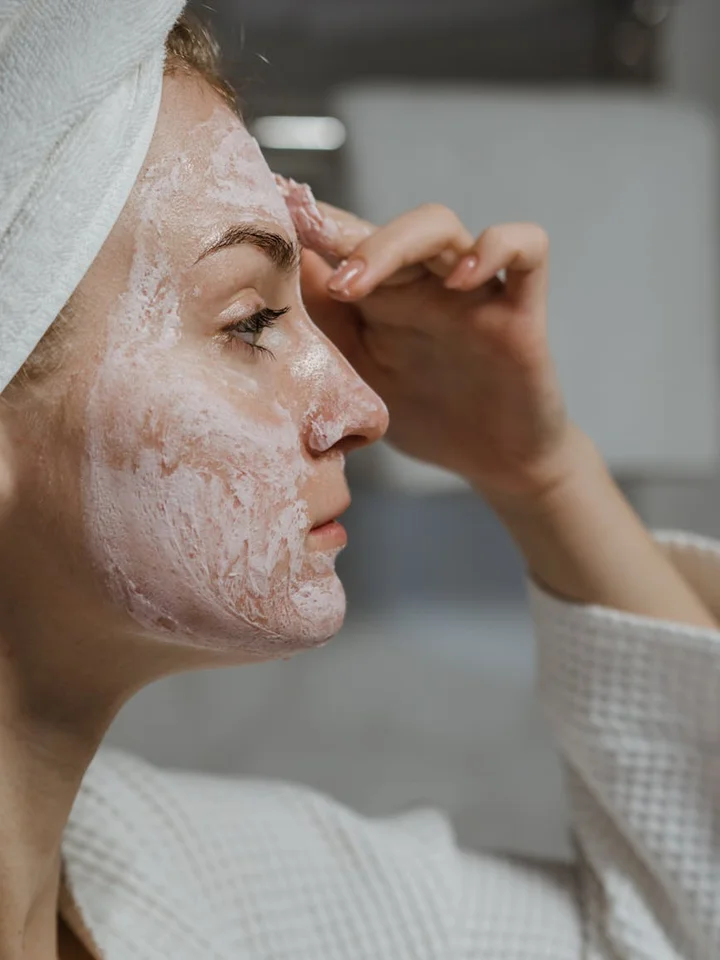
This era moved acne treatment from guesswork to a more scientific approach. Dermatologists identified two key players for fighting breakouts: benzoyl peroxide and salicylic acid.
Benzoyl peroxide works by delivering oxygen into the pore, which kills the acne-causing bacteria (C. acnes) that thrive in that low-oxygen environment. Salicylic acid, a beta-hydroxy acid (BHA), is oil-soluble. This means it can dive into pores to dissolve the mix of dead skin cells and sebum that creates clogs. Think of it as a plumber for your pores. Many acne regimens pair salicylic acid with benzoyl peroxide for a broader approach to treatment. This combo—salicylic acid benzoyl peroxide acne—illustrates how different mechanisms tackle both clogged pores and bacteria.
These ingredients became the reliable, over-the-counter gold standards because they directly target different parts of the acne process.
Around the same time, ingredient lists on products became more standardized and transparent. Savvy consumers and clinicians started cross-referencing studies, like the landmark 1979 work by Dr. Albert Kligman, to identify ingredients with a high comedogenic potential. People began avoiding heavy, pore-clogging oils and specific forms of ingredients like isopropyl myristate. For the first time, you could actually read the label and make an informed choice.
This demand led to the birth of dedicated “acne-prone” or “oil-free” lines at the drugstore. While these early formulas were sometimes harsh, they marked a shift: skincare was becoming specialized, not one-size-fits-all.
The Shift from “Strip It All” to “Balance It”
The initial philosophy for oily, acne-prone skin was often to dry it out completely. Harsh astringents, abrasive scrubs, and alcohol-heavy toners were common. I saw this backfire with clients time and again.
The skin’s response to being stripped of all its natural oils is to produce even more oil. It’s a defensive reaction. You end up with a tight, flaky surface that’s still oily underneath-and often more inflamed. It’s like scrubbing a greasy pan with only hot water; it feels squeaky clean for a second, but you haven’t actually solved the grease problem.
The smarter approach that emerged was balance. Even oily skin needs lightweight, non-comedogenic hydration. Ingredients like glycerin and later, hyaluronic acid, provide water to the skin without adding heavy oils. This helps keep the skin barrier healthy so it can protect itself and heal better.
My client Lina is a perfect example. Her combination skin needed different strategies for different zones. We used a gentle salicylic acid cleanser only on her oily T-zone, followed by a light, hydrating serum all over. Her drier cheeks got a drop of soothing squalane oil. This zonal approach-treating the problem areas without punishing the entire face-became a cornerstone of effective, non-comedogenic care.
The 2000s: The Era of Gentler Chemistry and Skin Diversity
As skincare knowledge grew, so did the understanding that effective doesn’t have to mean aggressive. The 2000s saw a push toward gentler formulations that supported overall skin health.
Sulfate-free cleansers gained popularity. Sulfates (like SLS) are powerful detergents that create a rich lather but can compromise the skin’s barrier, leading to dryness and irritation for many. Gentler surfactant systems proved you could cleanse pores effectively without that harsh stripping action.
Hyaluronic acid (HA) became a superstar ingredient for all skin types. Its ability to hold up to 1000 times its weight in water offered profound hydration that was inherently non-comedogenic. Oily skins loved it for plumping without grease, and dry skins reveled in the moisture boost. HA benefits are especially evident in serum formulations designed for targeted skin improvement.
Testing methods also evolved. Beyond the rabbit ear assay, more brands began using human models and better-controlled clinical studies to claim “non-comedogenic.” This provided more relevant data for how ingredients behave on human skin.
The most significant shift was the focus on barrier repair. We realized that a compromised skin barrier-often from over-exfoliation, harsh products, or stress-makes skin more vulnerable to irritation, sensitivity, and yes, even breakouts. Maintaining a strong, healthy barrier became the essential first step in any skin journey, acne-prone or not. Ingredients like ceramides, niacinamide, and centella asiatica moved to the forefront, often paired with traditional acne fighters to soothe and protect skin while treating it.
This is when I started seeing better results with clients like Noah, who had dry, reactive skin. Instead of just avoiding comedogenic ingredients, we could actively use barrier-supporting, non-clogging moisturizers to strengthen his skin’s resilience, reducing his reactivity over time.
Today’s Non-Comedogenic Promise: Smarter Labels, Smarter Choices
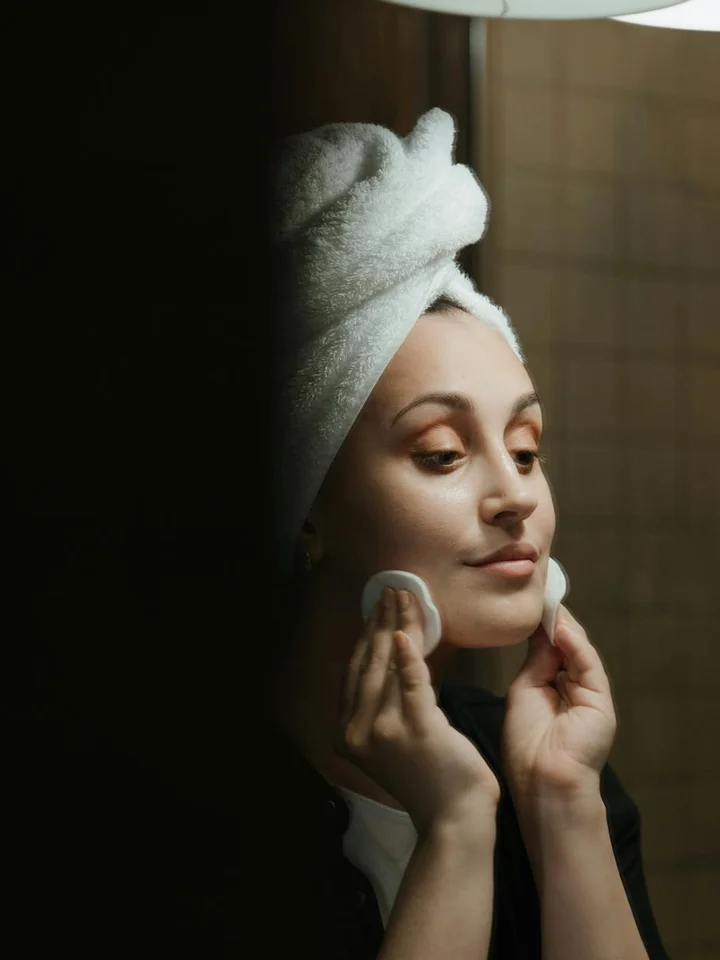
Modern “non-comedogenic” claims are more reliable than ever, but they’re not a universal guarantee. Many reputable brands now invest in human comedogenicity testing, where real people use the product for weeks while dermatologists monitor for new clogged pores. Others rely on vast, refined ingredient databases built from decades of clinical studies to flag known pore-cloggers before a formula is even made. However, not all brands are equally rigorous in their assessments.
The conversation has also expanded beyond traditional acne. The rise of fungal-acne safe lists highlights how certain oils and esters can feed malassezia yeast, leading to bumps that mimic comedones. This shift underscores a critical modern principle: the formulation is king. A single ingredient might have a high comedogenic rating in a thick paste, but behave entirely differently in a well-engineered, fast-absorbing emulsion.
The label is a starting point, but your skin’s reaction is the final judge. Your unique biology, your skin’s current condition, and even your environment play a role no lab test can perfectly predict.
How to Decode a Modern “Non-Comedogenic” Claim
Don’t just trust the marketing on the front. Turn the bottle around. Here’s how to be your own detective.
- Scan the Ingredient List: Look for common culprits like coconut oil, cocoa butter, or certain heavy silicones like dimethicone high on the list. But remember, concentration and formulation matter.
- Perform a Patch Test: Apply a small amount to a discreet area like the side of your jaw or behind your ear. Use it for at least three days, preferably a full week, to see if any new small bumps emerge.
- Introduce Slowly: If the patch test is clear, introduce the product to your full face every other day for two weeks. Monitor closely. Clogging often happens subtly over time.
- Judge by Feel and Result: A product can feel light as a thin layer of water but still contain clogging ingredients. Conversely, a rich cream that feels like a protective blanket might be perfectly safe if it’s formulated with non-clogging oils and is right for your dry skin type.
Derivatives & Alternatives: A Timeline of Gentler Options
Skincare chemistry has evolved from brute force to elegant precision. We’ve moved from stripping problems away to working in harmony with skin biology.
Think about exfoliation. The past offered harsh physical scrubs with jagged particles that could cause micro-tears. Today, we have polyhydroxy acids (PHAs). They gently exfoliate the very surface while attracting hydration, making them a brilliant alternative for sensitive or rosacea-prone skin. AHAs and BHAs are other common chemical exfoliants, forming a spectrum alongside PHAs to tailor results for different skin types.
This evolution toward skin-respecting chemistry is clear in ingredient swaps:
- Then: Drying Alcohols (SD Alcohol 40). Used for an instant “matte” finish, they often compromised the skin barrier, leading to rebound oiliness. Now: Humectants like Betaine or Glycerin. They provide a smooth, velvety feel by drawing water into the skin without the barrier damage.
- Then: Thick, Unrefined Mineral Oil. While not inherently comedogenic for everyone, its occlusive nature could trap debris for some. Now: Plant-Derived Squalane or Hemisqualane. These mimic your skin’s own lipids, providing excellent hydration with a lighter, faster-absorbing texture that’s less likely to feel suffocating.
Retinol Then and Now: From Irritation to Innovation
Retinol’s history in acne treatment is legendary, but its initial use was often a lesson in patience through peeling and redness. The early formulations were potent but could be harsh, especially for those with reactive skin like my client Noah. Over time, retinol’s properties—promoting cell turnover and collagen production—shed light on its effects on the skin. This understanding helped guide gentler, more tolerable formulations for sensitive skin.
Today, innovation has tamed the irritation. Encapsulated retinol slowly releases the active ingredient, minimizing the initial shock to the skin. For those who cannot tolerate traditional retinoids at all, bakuchiol—a plant-derived alternative—offers similar skin-renewing benefits with a much lower risk of sensitivity.
If you’re new to retinoids, start slow: apply a pea-sized amount twice a week over your moisturizer, and always use sunscreen the next morning. This “buffering” method lets your skin build tolerance without overwhelming its defenses. It’s especially important when choosing retinol for sensitive or beginner skin.
Formulation Pro-Tip: The Esthetician’s Check for a True Non-Comedogenic Product

Reading an ingredient list can feel like decoding a foreign language. The term “non-comedogenic” on the front isn’t a regulated guarantee, it’s a promise from the formulator. To see if a product will likely keep that promise, you need to know what to look for in the fine print. This includes checking the comedogenic ratings of common skincare ingredients.
Think of emulsifiers as the peacekeepers in a formula, they blend oil and water together. Some are better suited for acne-prone skin than others. I often recommend looking for modern, skin-compatible emulsifiers like cetearyl olivate or sorbitan olivate, which are derived from olive oil and are known for their gentle, non-pore-clogging properties. On the flip side, be cautious with products where certain coconut-derived compounds (like coconut alkanes or caprylic/capric triglycerides) appear very high in the list, especially in heavy creams or balms. For some people, like my client Maya, these can be perfectly fine, but for others, they might feel too occlusive.
Why pH and Formula Synergy Are Your Secret Weapons
Chasing a single “bad” ingredient is a recipe for frustration and an empty skincare shelf. A comedogenic ingredient low on the list is often suspended in a formula that minimizes its impact. More important is the product’s pH and how all the ingredients work together.
For example, if you’re using a salicylic acid treatment, its pH needs to be low enough (around 3-4) to effectively exfoliate inside the pore. A moisturizer with a pH closer to your skin’s natural 5.5 helps support your barrier. The overall formula synergy-how the textures, actives, and emollients combine-determines how a product behaves on your unique skin more than any isolated component. A rich cream packed with shea butter might be problematic for Maya’s oily skin, but for Noah’s dry, reactive skin, it could be the perfect barrier-repair solution.
Simplify Your Routine, Not Your Ingredient List
The biggest trend I advocate for is consistency over complexity. A simple, well-chosen routine you actually follow will always beat a complicated regimen of every “non-comedogenic” trend that stresses your skin and your schedule.
Start with a gentle cleanser, a proven active for your concern (like a BHA for clogged pores), a trustworthy moisturizer, and a daily sunscreen. Use this core routine for at least 6-8 weeks. Skin improvement comes from patient, consistent application of effective products, not from constantly switching to the next promised miracle. This is the lesson that helped my client Lina the most; she stopped adding new serums weekly and focused on a steady routine, which allowed her combination skin to finally balance out.
When you do look for a new product, patch test it on a small area of your cheek or jawline for a week. This real-world test on your skin will tell you more than any ingredient database ever could.
Your Questions on Skincare History, Answered
Is “non-comedogenic” a regulated term today?
No, it remains an unregulated claim, not a guarantee. However, modern brands use far more advanced human testing and ingredient research to support the label than they did in the 1970s.
How have testing methods improved since the rabbit ear test?
Contemporary methods now often use human clinical trials, which provide more relevant data for how formulas behave on diverse human skin. This shift helps create products that are effective without being unnecessarily harsh.
What’s the biggest lesson from this history for my routine?
The key takeaway is to value your skin’s unique response over rigid ingredient lists. Modern non-comedogenic principles prioritize barrier health and formulation synergy, meaning a product should respect your skin’s biology, not just avoid a “bad” list.
Final Thoughts on Non-Comedogenic Skincare
Looking back at decades of innovation, the clearest lesson is that non-comedogenic labeling is a tool, not a guarantee. Your skin is unique, and the best routine uses history as a guide to choose gentle, effective products that won’t clog your pores.
- Always patch test new products, even those labeled non-comedogenic, to see how your skin reacts.
- Read ingredient lists closely and look for familiar, proven components like niacinamide or squalane.
- Stick to a simple, consistent routine with formulas from transparent, cruelty-free brands.
- Remember that your skin’s needs can change with seasons, stress, or age, so stay observant and adjust accordingly.
If you’re curious about how these ideas apply to your skin, I invite you to share your questions or stories. We’re dedicated to offering reliable, evidence-minded advice to help you care for your skin with confidence.
Sources and Additional Information
- The Skinny on Non-Comedogenic Skincare – Eight Saints
- Noncomedogenic: What It Means, Ingredients, and Products
- We Tested Noncomedogenic Moisturizers for 6 Weeks-These Are the Best Options for All Skin Types and Budgets
- Non-Comedogenic Skin Care Products | Dermstore