
Retinol Expiry Guide: How to Tell If Yours Has Lost Potency and Extend Its Life
If you’re squinting at your retinol bottle, wondering if it’s past its prime, take a breath-I get this question weekly in my practice. Let’s demystify retinol shelf life together so you can use it confidently and effectively.
In this article, you’ll learn exactly how to manage your retinol for maximum results. By the end, you will know how to:
- Identify the key signs that your retinol has expired or lost its effectiveness, saving you from wasted products and skin irritation.
- Understand the science behind why retinol degrades, so you can make smarter storage choices that preserve your investment.
- Apply simple, practical habits to extend your retinol’s shelf life and ensure every drop delivers the smooth, clear skin you’re aiming for.
You’ve got this-managing your retinol’s potency is easier than you think.
What Exactly Are We Talking About When We Say “Retinol”?
Think of retinol as a set of instructions, a blueprint, that you hand to your skin. It’s a form of vitamin A that your skin cells convert into retinoic acid, the active molecule that tells your skin to speed up cell turnover. This is why it’s so good at tackling fine lines, acne, and uneven texture-it encourages your skin to follow a fresher, healthier plan. Over time, retinol can boost collagen production, helping reduce the appearance of wrinkles. This boost to collagen also supports a firmer, more resilient complexion.
You’ll often hear “retinoid” and “retinol” used. Here’s the simple breakdown: Retinoid is the family name for all vitamin A derivatives, while retinol is a specific, gentler member of that family available in over-the-counter products. We’re focusing on retinol today because its availability is its strength, but its sensitivity is its greatest weakness.
Yes, Retinol Does Expire: The Science of a Sensitive Molecule
The direct answer is yes, retinol absolutely expires by losing its power. It doesn’t spoil like old milk, but it degrades through a process called oxidation when exposed to air and light. Imagine a sliced apple turning brown-that’s oxidation. A retinol molecule going through this process becomes less and less effective at giving your skin those clear instructions. This is why it’s important to check the expiration dates for retinol and tretinoin products.
An unopened bottle stored in a cool, dark cupboard might retain most of its potency for up to two years, but the clock starts ticking the moment it’s manufactured. Once you open it and introduce air, you typically have about 6 to 12 months of optimal use. The potency fades gradually, so you might not see dramatic results if you’re using a bottle that’s been open for over a year. My client Noah, who uses retinol for dry skin, marks his start date on the bottle with a permanent marker so he knows when to replace it.
Some people ask about freezing retinol to extend its shelf life unopened. I don’t recommend it. Most retinol formulas are delicate emulsions of oil and water. Freezing can break that emulsion, causing the ingredients to separate and potentially ruining the texture and effectiveness. The best place for your retinol is in a dark, cool bathroom cabinet, not in the freezer.
Shelf Life & Oxidation Signs: Your At-Home Detective Work
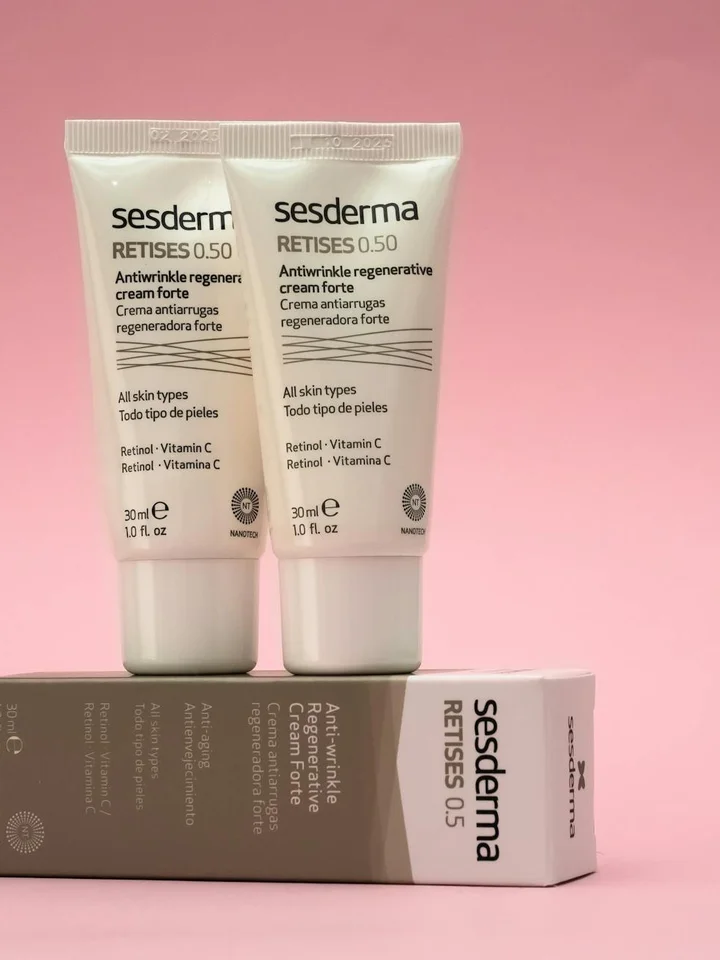
Think of fresh retinol like a crisp, pale apple. Over time, exposure to air and light causes it to brown and lose its crispness. Your job is to spot that “browning” before you apply it. Your senses are the best tools you have.
- Look at the color. Fresh retinol is typically a very pale yellow. As it oxidizes, it turns a deeper orange, amber, or brown. This is the most reliable visual clue.
- Feel the texture. Has it separated into layers? Does it feel grainy, thicker than usual, or suddenly much runnier? A stable formula should feel consistent from first use to last.
- Smell it. Retinol itself has a faint, characteristic scent. A degraded product may develop a rancid, “off,” or unusually strong chemical odor. Trust your nose.
To understand why retinol needs this care, it helps to know its basic profile. Its properties influence skin, affecting cell turnover and collagen synthesis. Here’s a quick spec sheet for the molecule itself.
| Ingredient | Retinol (Vitamin A) |
| Typical pH Range | Neutral to slightly acidic (~6-7) |
| Common OTC Concentration | 0.1% – 1.0% |
| Solubility | Oil-soluble |
| Key Stability Factor | Highly sensitive to light and air |
This sensitivity to light and air is exactly why opaque, airtight packaging and cool, dark storage are non-negotiable for keeping retinol effective.
How Do I Know If My Retinol Has Lost Its Power?
The color change is obvious, but sometimes a product can lose potency before it shows clear signs. You notice this in your skin’s behavior. Retinol works by speeding up skin cell turnover. When it’s active, you typically get a period of “retinization” which can include mild flaking, dryness, or a subtle tingle as your skin adjusts, followed by smoother, clearer skin.
If those familiar effects and benefits suddenly stop, your retinol might be retiring. I think of my client, Noah. He has dry, reactive skin and uses a low-dose retinol twice a week. He told me his formula no longer gave him that “gentle, warm whisper” of activity he was used to. His skin wasn’t reacting at all, good or bad. That was his signal the bottle was done.
When your skin stops responding to a product that once gave predictable results, it’s often a sign the active ingredients have clocked out.
What Happens If You Use Expired or Degraded Retinol?
Let’s be clear: the most common result is that nothing happens. You’re just applying an expensive, inactive oil or cream. The primary risk is not toxicity, but irritation. Oxidized retinol compounds can be unpredictable and irritating to the skin barrier.
You might experience new redness, itching, or sensitivity that you wouldn’t get from a fresh product. It’s frustrating because you’re irritating your skin for zero anti-aging or clarifying benefit. You’re asking your skin barrier to deal with a stressor without any of the rewarding renewal work.
Using degraded retinol is like rubbing old, sour orange juice on your skin-it’s unlikely to cause serious harm from one use, but it’s definitely not helping and could provoke a reaction, especially when compared to other forms of vitamin A.
If you accidentally use a discolored retinol once, don’t panic. Cleanse it off, soothe your skin with a simple moisturizer, and move on. But make a habit of checking your products. Your skin deserves formulas that work as hard as you do to care for it.
Retinol Storage Best Practices: How to Be a Protector, Not a Punisher
Think of your retinol as a brilliant but somewhat shy guest. Your job is to give it a calm, stable environment where it can work effectively. A chaotic, hostile home will make it break down and leave early without doing its job.
Follow these simple rules to become your retinol’s best protector.
- Keep it in its original container. The bottle is usually opaque or tinted for a reason-to block light. Transferring it to a cute, clear jar is a fast track to oxidizing your investment.
- Find a cool, dark, and dry spot. A bedside table drawer or a closet shelf is perfect. Your steamy, fluctuating bathroom cabinet is one of the worst places for it. Heat and humidity accelerate degradation.
- Become a cap-tightening ninja. The moment you’re done dispensing your pea-sized amount, screw that lid or cap back on tightly. You’re limiting its exposure to oxygen, which is its number one enemy.
Should You Put Retinol in the Fridge?
This is one of the most common questions I get. The short answer is maybe, but with big caveats.
A consistently cool, dark environment can slow down the oxidation process. If your home is very warm and you lack a cool drawer, a dedicated skincare fridge set to a stable, cool temperature (think 50-60°F) is a smarter choice than a sunny bathroom counter.
But your main kitchen fridge isn’t always ideal. Every time you open the door, you subject the product to temperature swings and potential moisture from food. For a molecule as sensitive as retinol, that constant change can be stressful.
Never, ever put your retinol in the freezer. Freezing can completely destabilize the emulsion, separating the oils and waters in the formula and rendering it useless.
Maximizing Your Retinol’s Potency from First Drop to Last
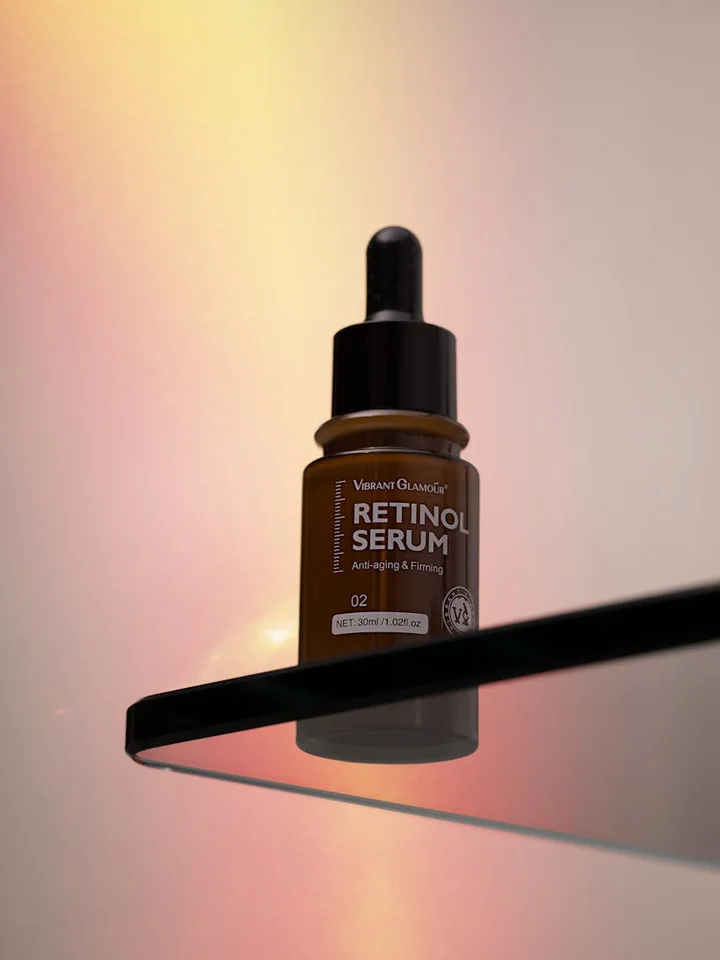
How you use your retinol every night is just as important as where you store it. Small habits add up to a longer, more effective product life. That includes how often you apply it at night. Finding the right nightly frequency keeps irritation at bay and your results on track.
Start with your application technique. If your product has a pump, press it firmly once. If it uses a dropper, hold the bottle vertically and squeeze the bulb only once to draw up the serum. Don’t pump or suck up air repeatedly, as you’re just forcing more oxygen into the bottle.
Apply your retinol to completely dry skin. Damp skin can increase irritation, but more importantly for shelf life, it makes the product less effective. When retinol works efficiently on dry skin, you can use the correct small amount and see results, rather than slathering on more to compensate. This fits into a balanced retinoids oily dry skin routine. It helps you tailor usage to oily or dry patches as needed.
My client Lina, who uses retinol just twice a week for her combination skin, buys the smallest size available. She finishes the bottle well within its prime period. If you’re new to retinol or use it infrequently, follow her lead. A fresh, small bottle is always more potent than a half-used, year-old large one sitting in your cabinet.
Consistency with a fresh product builds real change. Maya saw her post-acne marks fade steadily because she used a well-preserved retinol serum every other night. Sporadic use of an old, degraded product won’t give you the smoothing and renewing results you’re after. Your patience and care with storage are rewarded with visible skin benefits.
Your Retinol Shelf Life Questions, Answered
How long does an unopened retinol bottle last?
An unopened, properly stored retinol can remain potent for up to two years from its manufacture date. Always check for a Period-After-Opening (PAO) symbol-like 12M-once you break the seal, as that’s your new guideline for use. If you’re starting retinol at a younger age, consult a dermatologist about safety precautions. Begin with a lower concentration and perform a patch test to minimize irritation.
Is storing retinol in the fridge a good idea?
A consistent, cool environment like a dedicated skincare fridge can help slow oxidation, especially in a warm home. Avoid the main refrigerator where temperature and humidity fluctuate, and never use the freezer, as freezing can break down the formula.
My retinol hasn’t changed color-could it still be ineffective?
Yes, potency can fade before obvious signs appear. The clearest indicator is often your skin; if you no longer experience the mild, expected effects or see benefits after consistent use, the active ingredient has likely degraded.
Your Retinol, Ready for Action
Your most powerful bottle deserves a little care to keep it working its best. Treat your retinol like a fresh ingredient-store it with intention, observe it with care, and replace it when its time has passed. This simple habit protects your skin’s health and ensures every application is effective.
- Always note the Period After Opening (PAO) symbol on the packaging.
- Store your retinol in a cool, dark cupboard, never on a sunny windowsill or in a humid bathroom.
- If the formula changes color, develops a strange smell, or feels oddly gritty, it’s time to let it go.
- Buy from brands you trust that prioritize airtight, opaque packaging.
- Incorporate your retinol into a consistent routine instead of saving it for “perfect” skin days.
Have more questions about your specific retinol or how to fit it into your sustainable routine? We’re here to help. Follow along for more ingredient deep dives and gentle, effective skincare strategies you can trust. We’ll explore how different retinol percentages affect efficacy and tolerance. This will help you choose the right percentage for your skin.
Related Guides and Information
- Does Retinol Expire (& Can You Use Expired Retinol)? – Exclusive Beauty Club
- How Long Are Retinoids Good For? Shelf Life Tips Inside
- Does Retinol Expire? – Maryann Organics
- Continue Using Expired Retin-A?