
Oil-Based vs. Water-Based Foundation: Pick the One That Keeps Pores Clear
If you suspect your foundation is sneaking breakouts onto your skin, I hear you. Let’s settle the oil versus water debate with some straight talk from the treatment room.
By the end of this read, you’ll have:
- You’ll see exactly how each formula can lead to clogged pores or let skin breathe.
- You’ll match the right foundation type to your skin, whether you’re oily like Maya or reactive like Noah.
- You’ll use a foolproof patch-test method to try new makeup without the breakout fear.
You’re about to make foundation choices that truly care for your skin.
A Quick Comparison Before We Begin
Let’s lay out the basics. This table gives you a high-level view of how oil-based and water-based foundations typically behave. Think of it as your starting point for making a more informed choice.
| Oil-Based Foundation | Water-Based Foundation | |
|---|---|---|
| Main Base | Oils, waxes, or butter. | Water (listed first), often with silicones. |
| Typical Finish | Dewy, luminous, or satin. Can feel richer. | Natural, matte, or satin. Often feels lighter. |
| Best For Skin Types | Dry, mature, or very dehydrated skin seeking intense moisture. | Oily, combination, acne-prone, or normal skin seeking a lighter feel. |
| Pore-Clogging Risk (General) | Higher potential if formulated with comedogenic oils or heavy waxes. | Lower general risk, but depends entirely on the specific ingredients used. |
| Key Feature | Excellent emollience; blends seamlessly with oil-based skincare. | Breathable feel; layers well over water-based serums and moisturizers. |
This is a general guide, not a hard rule. Your unique skin and a product’s specific ingredient list will always have the final say. My client Noah, with his dry skin, sometimes thrives with a carefully chosen oil-based formula, while Maya, who is acne-prone, usually finds her best match in a water-based one, especially when considering the solubility of skincare actives in water or oil.
What “Oil-Based” and “Water-Based” Really Mean in a Bottle
These labels can be misleading. Let’s clear up what you’re actually buying.
A “water-based” foundation simply has water (often listed as “aqua”) as its first ingredient, not that the formula is completely oil-free. It often contains silicones and sometimes even small amounts of oil to help pigments blend. It’s like a lightweight gel moisturizer that happens to have color.
An “oil-based” foundation uses oils, waxes, or butters as its primary vehicle. These ingredients are what the pigment powders are suspended in. Think of it like a tinted balm or a pigmented face oil.
Most foundations are emulsions, meaning water and oil are forced to mix. There are two main types:
- Oil-in-Water (O/W): Tiny droplets of oil are dispersed in water. This is common in “water-based” or “natural finish” foundations. They feel cool and light when applied and are removed easily with water. They’re like a stable mayonnaise.
- Water-in-Oil (W/O): Tiny droplets of water are dispersed in oil. This is the base for many long-wear or hydrating “oil-based” formulas. They feel richer and are more water-resistant. They’re like a rich, non-separating vinaigrette.
The type of emulsion affects how the foundation feels, wears, and, importantly, how it interacts with your skincare and pores.
The Molecule Spec Sheet: Common Foundation Bases
Here’s a closer look at some frequent players you’ll see on ingredient lists. This isn’t about good or bad, but about understanding their behavior.
| Ingredient | Type | Solubility | Safety/Comedogenic Notes |
|---|---|---|---|
| Cyclopentasiloxane | Silicone (Common in “Water-Based”) | Oil-Soluble | Very lightweight, evaporates quickly. Generally non-comedogenic and gives a silky, blurring feel. |
| Mineral Oil | Oil (Common in “Oil-Based”) | Oil-Soluble | A highly purified occlusive. In its pure form, it’s non-comedogenic and inert, but it’s often blended with waxes that can be pore-clogging. |
| Dimethicone | Silicone (Found in Both) | Oil-Soluble | A heavier silicone that forms a breathable barrier. It has a low comedogenic risk for most, but those with severe fungal acne may need to avoid it. |
Solubility is key here: oil-soluble ingredients dissolve in oil, which is why an oil-based cleanser is often needed to fully remove makeup that contains them. A formula packed with oil-soluble ingredients might sit on top of a water-based moisturizer instead of mixing in, potentially leading to pilling or uneven application, especially if it’s an oil-free moisturizer for oily skin.
How to Spot a Pore-Clogging Foundation From the Label

The base of a foundation, whether oil or water, is less important than the specific ingredients floating in it. Think of it like a soup: the broth matters, but what you put in it defines the meal. Specific ingredients, not the base itself, are the real culprits for clogging pores.
These ingredients are called comedogenic. They can be oils, waxes, or fatty alcohols that are known to block pores for many people. Here are common ones I tell clients to watch for:
- Coconut Oil: Highly comedogenic for many. It’s a heavy oil that can sit on and in the skin.
- Wheat Germ Oil: Another rich oil that often scores high on comedogenic scales.
- Isopropyl Myristate, Isopropyl Palmitate: These are fatty esters used as emollients. They feel smooth but can be pore-clogging nightmares for oily or acne-prone skin types.
- Lanolin: While nourishing for very dry skin, it’s thick and can be problematic for others.
- Certain Algae Extracts: Some specific types, like red algae, can be comedogenic.
You might see the word “non-comedogenic” on the bottle. This is a marketing term, not a regulated guarantee. A company can put it on any formula. You are your own best advocate, and checking the ingredient list is the only reliable method, especially since some ingredients are known to be more comedogenic than others.
So, what ingredients in foundation cause pore clogging? Look for the heavy oils and waxy emollients listed above, especially in the first half of the ingredient list, which means they’re present in higher concentrations.
Formulation Pro-Tip: The Texture Test
Before you buy, test the texture on the back of your hand. A foundation that feels thick, waxy, or like it drags on the skin can indicate a high concentration of solidifying waxes or butters. These are more likely to sit on top of and within pores instead of blending seamlessly.
Contrast that with a foundation that feels serum-like, fluid, and absorbs almost like a skincare product. These typically leave less residue behind. My client Maya, with her oily skin, calls these “foundations that feel like nothing,” and that’s often a good sign for clarity.
Matching Your Skin Type: A Practical Guide
Now, let’s pair the science with your skin. The goal is to find a formula that gives you the finish you want without the clogging you don’t.
For Oily, Acne-Prone Skin (Like Maya’s): Your best bet is often a water-based or mineral powder foundation. Look for labels that list “silica” or “dimethicone” high up-these can help absorb oil. Avoid foundations with the heavy comedogenic oils listed above. A matte or natural finish liquid that feels lightweight is a safe starting point. Additionally, opt for non-comedogenic makeup formulated for oily skin. These products are designed to minimize pore clogging and reduce shine.
For Dry, Reactive Skin (Like Noah’s): You can use an oil-based foundation, but the type of oil is critical. Seek out formulas with known non-comedogenic oils like hemp seed oil, sunflower oil, or squalane. These provide nourishment without the weight. Stay away from fragrant oils and the heavy comedogens. A hydrating, serum-based foundation can also be a brilliant choice for adding glow without risk. Pair this with glow skincare non comedogenic acne products to keep radiance without clogging pores. This approach helps maintain a luminous look that suits acne-prone skin.
For Combination Skin (Like Lina’s): This requires a strategic approach. A water-based foundation applied all over often works well. You can then use a tiny, extra dab of concealer only where needed on the oilier T-zone. Avoid very rich, creamy formulas, as they might be too much for your forehead and nose. A buildable, natural finish formula gives you the control to layer where you’re drier without overloading where you’re oily.
Your Step-by-Step, Pore-Friendly Makeup Routine
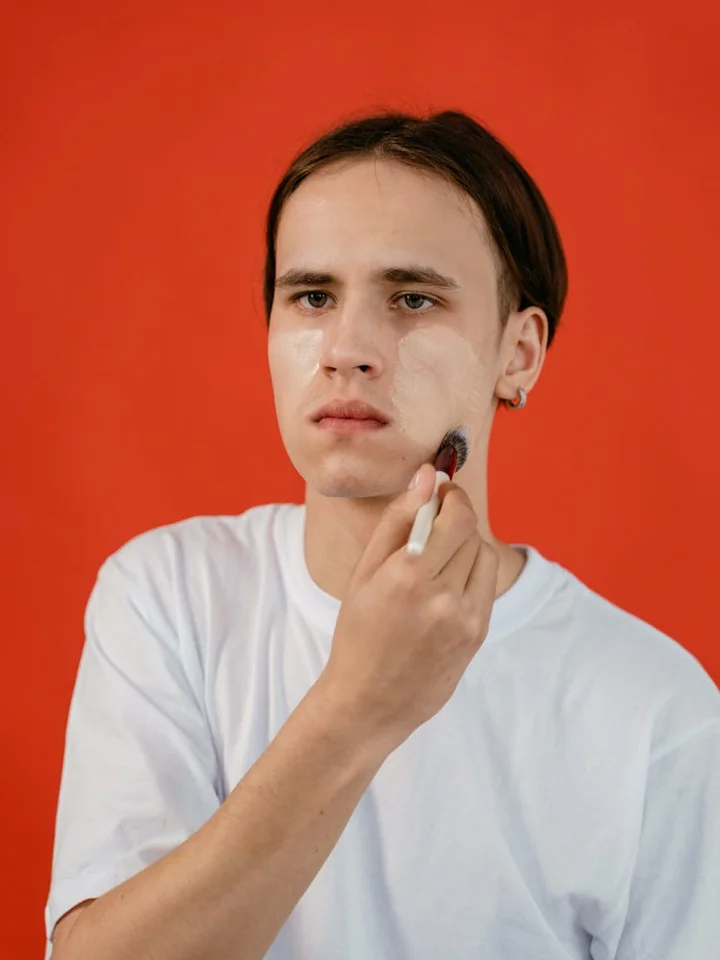
Choosing the right formula is half the battle. The other half is how you prepare your skin, apply the product, and, most importantly, take it off.
Prime Your Canvas
Think of your skin like a canvas. You wouldn’t paint on a dirty or parched surface and expect a smooth result. The goal here is hydration, not adding more layers.
- Gentle Cleanse: Use a simple, sulfate-free cleanser with lukewarm water. This removes morning oils without stripping your barrier. Noah, with his reactive skin, sticks to a creamy, fragrance-free wash to avoid any pre-makeup irritation.
- Lightweight Hydration: Apply a water-based moisturizer or serum. Look for ingredients like glycerin or hyaluronic acid. A well-hydrated surface helps foundation blend evenly and prevents it from grabbing onto dry patches and settling into pores. For Maya’s oily skin, a gel moisturizer is perfect it hydrates without adding shine.
Application Matters
How you put foundation on can make a big difference in how it sits on your skin.
- Clean Fingers (Warmth & Control): Your clean fingertips are a great tool. The warmth of your skin can help melt the product slightly for a more seamless blend. This method gives you a lot of control over where the product goes. Just be sure to wash your hands first.
- Damp Makeup Sponge (Sheer, Pressed Finish): A damp non-latex sponge is excellent for pressing foundation into the skin. It creates a more airbrushed, natural finish and can prevent you from applying too much product at once, which is a common culprit for a cakey look that emphasizes texture.
Blending well isn’t just about aesthetics it ensures the formula forms a thin, even film instead of clumping around the pore’s opening. Lina finds that stippling (bouncing) a damp sponge on her combination skin gives her the coverage she wants on her T-zone without disturbing the drier areas on her cheeks.
The Non-Negotiable: Gentle, Thorough Removal
This is the most critical step for preventing clogs. Leaving traces of foundation, especially oil-based formulas, is like inviting debris to a pore sleepover.
- First Cleanse: Use an Oil-Based or Balm Cleanser. Yes, even if you have oily skin. A gentle cleansing oil or balm breaks down makeup, sunscreen, and sebum without harsh rubbing. Massage it onto dry skin for about 60 seconds, then emulsify with water. It rinses cleanly away.
- Second Cleanse: Use Your Regular Water-Based Cleanser. This step cleanses the skin itself. Now that the makeup is dissolved, your face wash can do its job properly, removing any last traces and ensuring your pores are clear.
- Pat Dry, Don’t Rub. Always use a clean towel to gently pat your face dry. Rubbing can cause irritation, especially after a double cleanse.
Skipping a thorough removal is the fastest way to compromise your pores, regardless of which foundation you choose. I treat this step as sacred my skin always tells me the next morning if I got lazy.
What to Do If a Foundation Breaks You Out
You found a formula that seemed perfect, but now you have a few new, unwelcome guests. Don’t panic. Here is your calm, clear protocol.
Step 1: Press Pause
Stop using the new foundation immediately. I know it’s frustrating, but continuing to use it will only prolong the irritation and make it harder to identify the true culprit.
Step 2: Simplify Your Routine
Go back to your most basic, trusted skincare routine for at least a week. This is often called a “skin fast.”
- Gentle Cleanser
- Simple Moisturizer
- Sunscreen (non-comedogenic)
Avoid the urge to add new acne treatments or strong exfoliants right away, as your barrier might be sensitized. Slathering on salicylic acid or retinoids can make the situation more inflamed. Let your skin reset first.
Step 3: Play Detective
Once the breakout calms down, look back at the foundation’s ingredient list. Compare it to formulas that have worked for you in the past. Were there new silicones, oils, or emollients? I keep a note in my phone for clients like Maya, where we log ingredients that her skin loves and those it rejects. This turns a frustrating breakout into valuable data.
Step 4: Patch Test Your Next Candidate
Before fully committing to a new foundation, patch test it. Apply a small amount on a discreet area like along your jawline or behind your ear for five to seven days. Learning your skin’s unique triggers is a process, not a one-time test. What bothers Noah might be fine for Lina. Your skin’s language is specific to you.
If breakouts are severe, persistent, or causing distress, please consult a dermatologist or licensed esthetician. They can help you identify specific ingredient allergies or underlying conditions that makeup might be aggravating.
Final Thoughts: Your Skin, Your Rules

After years of helping clients navigate foundation choices, I can tell you the oil versus water debate often misses the point. The base of your foundation is less important than the specific ingredients floating in it and how your unique skin decides to react. Think of it like soup: a broth base or a cream base can both be delicious or problematic, depending on what’s inside the pot.
I worked with a client, Noah, who has dry, reactive skin. He was convinced water-based meant “safe,” but one formula with a certain alcohol derivative left his cheeks tight and irritated. Conversely, Maya, with her oily skin, found a silicone-rich, water-based foundation that felt great initially but led to tiny clogs along her jawline after a week. Your skin’s response is the ultimate test—even when you test for comedogenicity.
This is why a patch test is your most powerful tool. It takes the guesswork out and lets your skin cast the deciding vote.
- Start with clean, dry skin on your jawline, near your ear.
- Apply a small amount of the foundation there, about the size of a pea.
- Wear it for a few days, through your normal routines, and observe the spot morning and night.
Look for any signs of redness, itching, or new small bumps-these are your skin’s way of saying this formula isn’t a match. If the area stays calm, you’ve likely found a good candidate for your full face.
Wearing makeup and maintaining clear, healthy skin are not mutually exclusive goals. It comes down to informed choices and listening to your skin’s feedback. You have the power to choose products that celebrate your complexion without fear of clogged pores.
Your Foundation Questions, Answered
How can I quickly spot a water-based formula in the store?
Check the ingredient list for “Aqua” or “Water” as the very first item. This indicates a water-based emulsion, which is generally a safer starting point for clarity, but remember to still scan for specific comedogenic additives further down the list.
My skin type is ‘normal’-does the base type even matter for me?
Yes, because your goal is preventative care. A well-formulated water-based or lightweight silicone-based foundation often offers the perfect balance of coverage and breathability, helping to maintain your skin’s clear equilibrium without introducing heavy, unnecessary oils.
If “non-comedogenic” isn’t a guarantee, what should I trust instead?
Trust the ingredient list itself and your own skin’s history. Prioritize foundations free of known comedogens like coconut oil or isopropyl myristate, and always pair a new product with your proven, thorough double-cleansing routine to minimize any risk. For moisturizers, look for non comedogenic ingredients that hydrate without clogging pores—think glycerin, squalane, or dimethicone.
Finding Your Perfect Foundation Match
Choosing a foundation that won’t clog your pores comes down to listening to your skin and reading the ingredient list, not just the label on the front. The right formula for you celebrates your skin’s unique needs instead of fighting against them.
- Match your foundation base to your skin type: lean toward water-based for oily or acne-prone skin, and consider oil-based for dry or mature skin.
- Your ingredient list is your most important tool; look for non-comedogenic oils and avoid heavy waxes or silicones if you’re prone to congestion.
- Always, always remove your makeup thoroughly at night with a gentle cleanser suited to your skin type.
- Consider your daily sunscreen as part of your base layer; a lightweight, non-comedogenic formula can often double as a primer.
If you’re still unsure where to start, you’re always welcome here. If you’re looking to build a skincare routine, our build skincare routine step guide can help you map out a simple path. Share your questions or your own foundation journey with our community on the blog-I read them all. Taking care of your skin is a personal practice, and having clear, trustworthy information makes all the difference.
Industry References
- The Difference Between Oil, Water, and Silicone-Based Foundations
- Oil-Based vs. Water-Based Makeup: Differences Explained | PS Beauty
- How To Pick the Best Type of Foundation for Your Complexion | Makeup.com by L’Oréal
- Water-Based vs. Oil-Based Makeup: Making the Right Choice – Jil Goorman Beauty
- r/MakeupAddiction on Reddit: How to Tell If Your Foundation/Primer is Silicone, Water, or Oil-Based: A (Hopefully) Comprehensive Guide.
- The Ultimate Guide to Foundation Formulas
Lucy is an expert author and blogger when it comes to skin care and body care. She has first hand expertise acting as skin care consultant for over 5+ years helping her clients achieve smooth blemish free skin with natural and working remedies. She also has been an avid experimenter and tried out all the natural and artificial remedies and treatments so you can learn from her first hand experience. Additionally, she has traveled to many countries around the world and incorporated the skin care routines she has learnt into this blog. So, wait no more, reach out to Lucy if you have any specific needs and follow her blog, LuciDerma for expert skin care advice.