
Can Salicylic Acid Cause Acne? Decoding Purging vs. Breakouts for Clear Skin
You picked up a salicylic acid product to clear your skin, and now you’re seeing more pimples. Let me reassure you-this common worry often means your skin is working, not failing.
By the end of this guide, you will know:
- How to spot the real difference between a temporary purge and a bad reaction, so you can act with confidence.
- Why this exfoliant can accelerate your skin’s renewal process and when that benefits you.
- Simple adjustments to your routine that support your skin barrier while letting the ingredient do its job.
With a few key insights, you can turn this frustrating phase into a step toward the skin you want.
Meet Salicylic Acid: Your Pore’s Best Friend
If you’ve ever dealt with clogged pores, you’ve likely heard of salicylic acid. Think of it as your skin’s dedicated cleanup crew. It’s a type of beta-hydroxy acid (BHA), originally derived from willow bark, but now commonly synthesized for consistency in skincare.
What makes it special is its oil solubility. Imagine it as a tiny, oil-soluble janitor that can actually get inside your pores, unlike water-soluble ingredients that mostly work on the surface.
Its core jobs are straightforward: it gently exfoliates the top layer of dead skin cells and, more importantly, dissolves the sticky mix of sebum and dead cells that clogs pores.
Salicylic Acid Molecule Spec Sheet
| Type | Beta-Hydroxy Acid (BHA) |
| Derived From | Willow Bark (typically synthesized) |
| Key Trait | Oil-Soluble (can penetrate into pores) |
| Typical Concentration | 0.5% to 2% in over-the-counter products |
| Effective pH Range | Around 3 to 4 |
| General Safety | Well-tolerated by most, but start low and slow if you have sensitive skin. |
How Salicylic Acid Actually Works on Your Skin
Its action is a precise, two-step process. First, it breaks down the “glue” (desmosomes) that holds dead skin cells together on the surface. Second, it dives into pores to dissolve the oily gunk inside.
I explain it to clients like this: your pore is a small stream. Dead skin and oil can create a logjam. Salicylic acid gently clears that jam before it backs up and causes a flood, which on your skin is a full-blown pimple.
Patience is key here. You’re clearing existing clogs and preventing new ones. You typically need 4 to 6 weeks of consistent use to see genuinely clearer, more refined skin.
Purging vs. Breakout: The Great Skin Detective Game
When you start a new active ingredient and get new bumps, it’s not always a bad sign. Your job is to learn to read your skin’s signals, not panic at every one.
What is Skin Purging? (The Accelerated Timeline)
Purging is not your skin reacting badly. It’s the accelerated surfacing of clogs that were already forming deep in your pores, weeks before you even applied the product.
Think of it like speeding up a slow-moving traffic jam that was already there. The cars (clogs) were always going to reach the surface eventually; salicylic acid just speeds up the timeline.
Purging only happens with active ingredients that increase your skin’s cell turnover rate, like salicylic acid, retinoids, and other AHAs/BHAs. It usually appears in areas where you commonly get breakouts and consists of smaller whiteheads or blackheads that clear up faster than usual.
What is a True Breakout or Bad Reaction?
A true breakout or irritation is different. This is a brand-new problem caused by the product itself.
Using our traffic analogy, this is like causing a brand-new accident because the road surface itself is now irritating, inflamed, or blocked by something it can’t handle.
This happens when an ingredient irritates your skin barrier, triggering inflammation, or when a pore-clogging (comedogenic) ingredient in the formula blocks your pores. Common culprits include certain comedogenic oils, heavy waxes, or fragrances that don’t agree with your skin. You might see new bumps in unusual places, or experience persistent redness, itching, or stinging.
My client Noah, with his dry, reactive skin, taught me this. A product with a high concentration of salicylic acid and added fragrance caused him itchy, red bumps on his usually clear cheeks. That wasn’t a purge. That was his skin saying the formula itself was a problem.
Salicylic Acid Purging: What to Expect
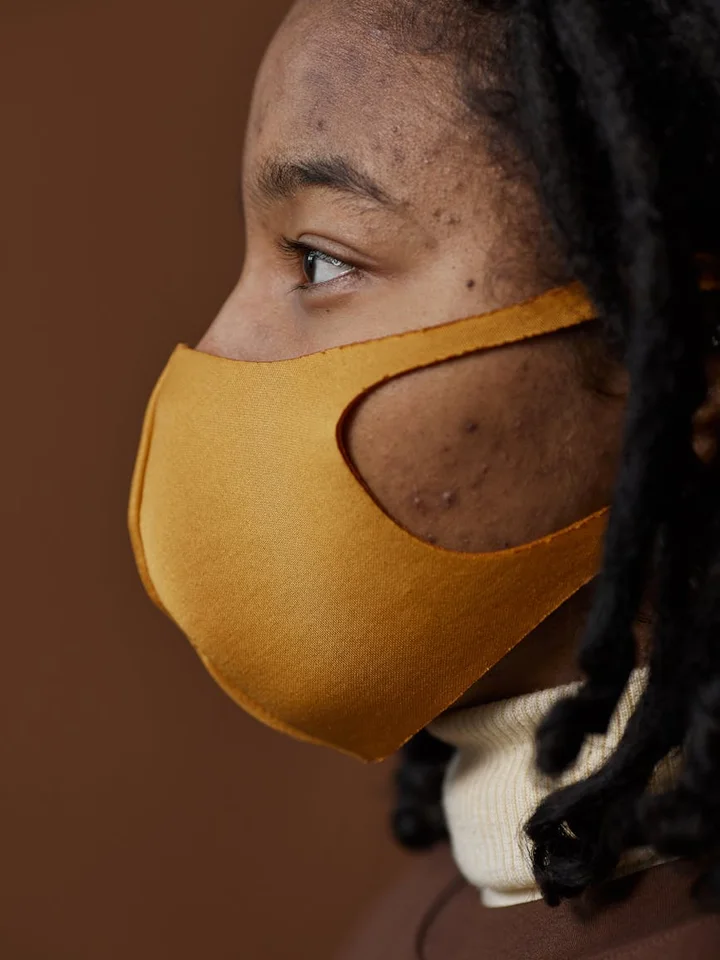
You’ve started using a salicylic acid product, and now there are more bumps. Your first thought is probably, “This is making me break out!” Let’s look at what’s really happening. Your core question is likely: what does purging look like, and how long will I have to deal with it?
Purging is not a sign the product is failing you; it’s a sign it’s starting to work deeply within your pores. It’s the process of accelerated skin cell turnover bringing pre-existing clogs to the surface much faster than they would have appeared on their own.
The Telltale Signs of a Salicylic Acid Purge
Think of the gunk in your pores like seeds planted under the soil. A purge is when those seeds all sprout into little weeds at once because you’ve suddenly watered the whole garden. The breakout was always coming; the active ingredient just sped up the timeline.
A true purge has a specific signature:
- The blemishes are minor: small whiteheads, blackheads, or tiny pustules that come to a head quickly.
- They appear only in areas where you typically get congestion, like your chin, forehead, or the sides of your nose.
- They heal relatively fast, often within a few days.
I saw this with my client, Maya. Her purge showed up as clusters of small, manageable bumps on her usual chin acne zone, but her normally clear cheeks remained perfectly smooth.
This is very different from a bad reaction or a breakout from a product that simply doesn’t agree with your skin. Signs of a reaction include:
- Large, painful, deep cysts or nodules in areas where you don’t normally break out.
- Rash-like redness, widespread irritation, or small red bumps that don’t form a head.
- Intense itching, burning, or stinging that persists after application.
If your experience matches the second list, stop using the product. Your skin barrier might be compromised, or you could be sensitive to another ingredient in the formula.
How Long Does the Purging Phase Last?
Your skin cell turnover cycle takes about 4 to 6 weeks. Since purging is linked to this cycle, the phase typically lasts between 2 to 6 weeks from when you first consistently use the product.
The purge should be a temporary, finite process, not an endless nightmare. If you are experiencing new breakouts in the same areas for more than two full months, it’s likely not a purge. The product formulation might be too rich for your skin type, or another ingredient could be the culprit.
While it’s frustrating, a purge resolves faster than if those clogs had been left to slowly surface on their own over many months. You’re clearing the pipeline. Stick with a simple, gentle routine, always use sunscreen, and give your skin this adjustment period. If the purge is severe or you’re unsure, consulting a dermatologist or licensed esthetician can provide peace of mind and a clear path forward.
So, Can Salicylic Acid Make Acne Worse?
Yes and no, and that’s the tricky part. The answer depends entirely on *why* your skin is reacting. It can temporarily look worse for a good reason, or it can genuinely become more aggravated. Telling the difference is your key to sticking with a product or stopping it.
The “Good” Worse: Your Skin is Purging
Think of salicylic acid as a deep-cleaning dispatcher. It dives into your pores to break up the sticky mix of oil and dead skin cells (what we call sebum and keratin) that clogs them. When it starts this work, it brings everything to the surface-clogs that were forming deep under the skin days or weeks ago suddenly decide to make their appearance all at once.
This sudden rise in bumps and small whiteheads is called purging, and it’s a sign the ingredient is doing its job of accelerating your skin’s natural renewal cycle.
My client Maya, who is acne-prone, experienced this. When she first used a salicylic acid cleanser, she got a cluster of small, flesh-colored bumps on her cheeks within a week. They came to a head quickly, cleared up fast, and underneath, her skin was smoother. That was a classic purge.
- Who it happens to: Most common when starting any exfoliating acid (like salicylic, glycolic, or retinoids).
- What it looks like: Many small, monochrome bumps or whiteheads in areas where you typically get congestion.
- Timeline: It should start within 2-4 weeks of consistent use and subside within 4-6 weeks as your skin adjusts.
The “Bad” Worse: Irritation Breakouts
This is when salicylic acid actually causes new problems. If the formula is too strong, you’re using it too often, or your skin barrier is already sensitive, the acid can cause irritation. Inflammation is acne’s best friend. An angry, compromised skin barrier is more vulnerable to bacteria and more prone to clogging.
When irritation is the cause, you’re not purging pre-existing clogs; you’re creating new inflammation and damage.
This is what happened to my client Noah, who has dry, reactive skin. He tried a high-strength salicylic acid pad daily. His cheeks became red, tight, and itchy, and then he developed painful, red cysts in areas he never usually broke out. That wasn’t a purge; it was a damaged barrier crying for help.
- Who it happens to: Those with sensitive, reactive, or already impaired skin barriers. Using products too aggressively.
- What it looks like: Redness, stinging, tightness, itchiness, or rash-like bumps. Breakouts may be red, painful, and appear in new areas.
- Timeline: Can happen immediately or within a few days of use and will continue or worsen if you don’t stop the irritant.
Purging vs. A Bad Reaction: Your At-Home Checklist
Use this simple comparison to listen to what your skin is telling you.
| Factor | Productive Purging | Irritation Breakout |
|---|---|---|
| Type of Blemish | Small whiteheads, blackheads, minor pimples. | Red, angry cysts, rash-like texture, unusual redness. |
| Location | Only in areas where you normally get breakouts. | Can appear anywhere, even in places you never break out. |
| Other Symptoms | Just the blemishes. No major redness, burning, or itching. | Skin feels sore, burns, itches, flakes, or feels tight. |
| Healing Time | Blemishes clear faster than your usual pimples. | Blemishes persist or get worse, and skin feels chronically upset. |
| Your Action | Proceed cautiously, support skin with hydration. | Stop use immediately, focus on barrier repair. |
If your experience matches the “Irritation” column, treat your skin gently. Pause the salicylic acid, and use a simple routine of a gentle cleanser, a soothing moisturizer with ceramides, and sunscreen. Give your skin a solid week or two to recover before trying anything new, and consider a lower concentration or a different formulation next time.
Your At-Home Checklist: Purging or Bad Reaction?

When your skin rebels after starting a new product like a salicylic acid serum, it’s hard to stay calm. Is this a necessary evil or a sign to stop immediately? Here’s a simple, scannable list of questions to ask yourself. Grab a mirror and let’s get to the bottom of it.
1. Location: Where are the bumps showing up?
Think of your face as a map of your pores. Some areas, like your forehead, nose, and chin (the T-zone), are naturally more congested.
This is likely purging if: Bumps and clogs are appearing in the exact spots where you normally get breakouts or have noticeable texture. Salicylic acid is speeding up your skin’s renewal cycle, so it’s bringing existing, brewing clogs to the surface faster. My client Maya noticed this when she started using a salicylic acid cleanser; she got a few more tiny bumps on her usual chin breakout zone, but her clear cheeks remained clear.
This is likely a bad reaction if: You’re breaking out in brand-new territory. If you never get pimples on your cheeks or temples, and suddenly they’re covered in bumps, your skin is probably protesting an ingredient. This is a sign of irritation or clogging from a formula that doesn’t agree with you.
2. Type of Bump: What do the bumps look and feel like?
Not all breakouts are created equal. The kind of blemish you’re dealing with tells a very clear story.
This is likely purging if: The bumps are small, uniform, and look like classic whiteheads, blackheads, or minor pustules. They are the “fast-tracked” version of the clogs already in your pore lining. They might come to a head quickly and heal faster than your usual breakouts.
This is likely a bad reaction if: The bumps are painful, deep, cystic, or resemble a rash. We’re talking about large, red, angry cysts that hurt to touch, or clusters of itchy, tiny bumps that look more like a rash than acne. This kind of inflammation is your skin barrier sounding an alarm.
3. Timeline: When did the breakout start?
Timing is one of the most reliable clues. Purging follows a very predictable schedule because it’s linked to your skin’s natural cycle.
This is likely purging if: The breakout began within the first 2 to 6 weeks of starting a new exfoliating active like salicylic acid, retinoids, or AHAs. Purging is temporary. It should peak and then start to clear up within that first month or so as your skin adjusts and the deeper layers get cleaner.
This is likely a bad reaction if: The breakout can be linked to any new product, even a moisturizer or sunscreen, and it can happen at any time. A bad reaction isn’t tied to your skin’s renewal cycle. It can happen the next day or a few weeks later because your skin is irritated or allergic to a specific ingredient.
4. Other Symptoms: What else is your skin telling you?
Look beyond the bumps. Your skin sends other signals when it’s unhappy.
This is likely purging if: Your main symptom is simply an increase in minor congestion or small breakouts. Your skin shouldn’t feel tight, burned, or excessively raw. It might feel a bit drier as the salicylic acid works, but not painfully so.
This is likely a bad reaction if: You experience stinging, burning, significant peeling, intense itching, or widespread redness. If your skin feels hot, itchy, or painfully sensitive when applying your gentle moisturizer, that’s a clear sign to stop using the new product immediately. My client Noah learned this the hard way with a heavily fragranced acid toner; the itching and redness on his usually dry cheeks were a dead giveaway for irritation, not purging.
How to Manage and Soothe a Salicylic Acid Purge
Think of this phase as a necessary reset. Your skin is clearing out what was already brewing underneath. A gentle, supportive routine is your best tool to navigate this smoothly and minimize discomfort.
Here is a simple, effective routine to follow during a purge.
- Cleanse with a gentle, non-foaming cleanser in the morning and evening. Look for words like “milky,” “hydrating,” or “cream” on the label.
- Treat with your salicylic acid product as directed, but consider applying it only to problem areas (like the T-zone) if your cheeks are feeling sensitive.
- Hydrate immediately after with a simple, fragrance-free moisturizer packed with barrier-supporting ingredients.
- Protect every single morning with a broad-spectrum SPF 30 or higher. This step is non-negotiable, as your newer skin is more vulnerable to sun damage.
Do Not Stop Your Treatment (Usually)
When new bumps appear, your first instinct might be to throw the product away. I get it. But stopping and restarting constantly resets your skin’s adjustment clock and can make the whole process take longer.
Instead of quitting, try scaling back the frequency. If you started using it every night, switch to every other night, or even just three times a week. This gives your skin more time to repair and calm between treatments.
My client Noah, who has dry and reactive skin, experienced a rough first week with a new salicylic acid serum. He found that using it just three nights a week eased the purge dramatically without stopping his progress. His skin had the time it needed to adapt.
Support Your Skin Barrier
Salicylic acid is doing its job deep in your pores, but you need to protect the surface of your skin. Your skin barrier is like a brick wall holding in moisture and keeping irritants out. You want to reinforce that wall, not tear it down, especially when applying salicylic acid.
Seek out moisturizers and serums with these soothing, repairing ingredients:
- Ceramides: These are the “mortar” that holds your skin cells together.
- Niacinamide: A superstar for calming redness and strengthening the barrier.
- Panthenol (Provitamin B5): Deeply hydrating and healing.
- Glycerin: A humble but powerful humectant that draws water into the skin.
A perfect purge-time routine is simple. Use a gentle cleanser, follow with a toner or essence containing one of the ingredients above (like glycerin or panthenol), and lock it all in with a ceramide-rich moisturizer.
Daily sunscreen is your most critical barrier-support step during a purge. Sun exposure can worsen post-inflammatory marks and irritation, making any redness or spots last much longer.
What to Absolutely Avoid During a Purge
Your skin is in a delicate state of turnover. Adding more stress is a sure way to turn a normal purge into a full-blown breakout or cause damage.
Do not introduce other active ingredients. This is not the time for alpha hydroxy acids (AHAs like glycolic acid), strong retinoids, or vitamin C serums. Let salicylic acid work alone.
Resist the urge to pick, squeeze, or scrub. I know it’s tempting, especially when you see a clog coming to the surface. Purging pimples are often shallower and heal faster when left alone. Picking can push bacteria deeper, increase inflammation, and lead to scars or dark spots that last for months. My client Maya learned this the hard way early in her acne journey.
Avoid any product that feels stripping or harsh. Steer clear of high-alcohol toners, grainy physical scrubs, or soap-based cleansers that leave your skin squeaky-clean and tight. They will further compromise your barrier and make everything feel worse.
Who is More Likely to Experience a Purge?
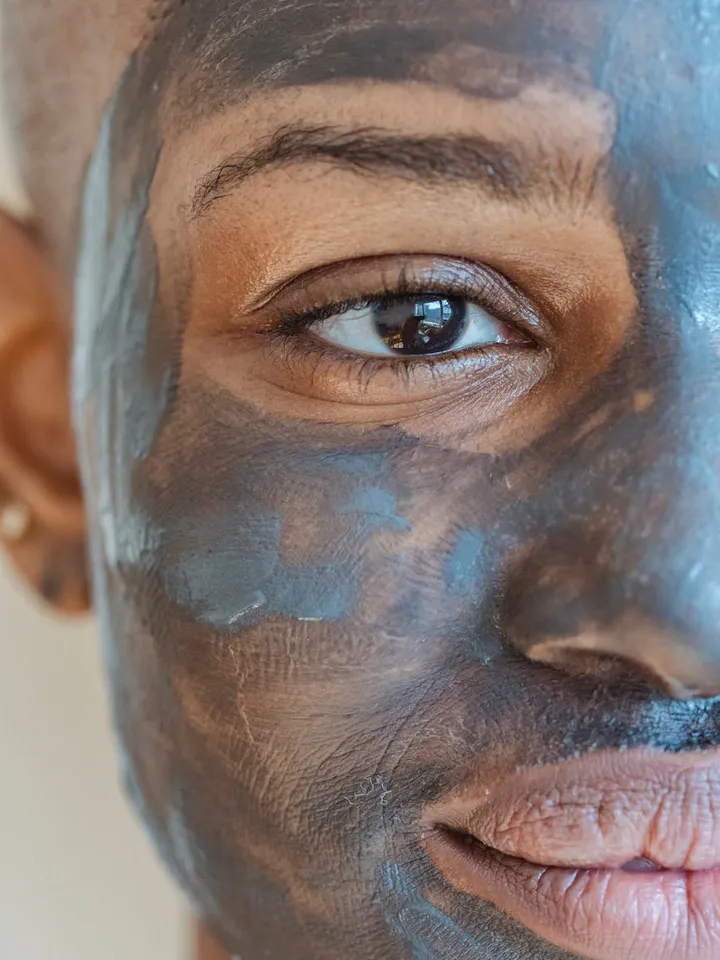
If you’re worried about new breakouts, you want to know your odds. Think of a purge as your skin’s way of speeding up a timeline. It brings to the surface what was already forming, deep in your pores, much faster. You are most likely to experience a purge if you have a backlog of microcomedones, the tiny, invisible plugs that can turn into blackheads or pimples.
This congestion often lives beneath certain skin types.
- Oily and Combination Skin: These types naturally produce more sebum (oil), which can mix with dead skin cells and clog pores.
- Acne-Prone Skin: If you’re already dealing with breakouts, it’s a clear sign your pores are prone to clogging. Starting a potent exfoliant like salicylic acid is like sending in a deep-cleaning crew.
- Those New to Chemical Exfoliation: If your skin is not used to acids, introducing one can trigger a more noticeable initial clearing-out phase.
- Anyone Increasing Their Concentration: Moving from a 0.5% salicylic acid wash to a 2% leave-on treatment is a significant jump. Your skin will respond by accelerating its cell turnover.
What about dry or sensitive skin? It’s less common, but still possible. If you have clogged pores, the acid will work on them. The critical rule for dry or sensitive types is to start extra slowly, perhaps using the product just once a week, and to buffer it with a moisturizer to minimize irritation.
I saw this perfectly with my client, Lina. Her combination skin purged briefly on her oily T-zone where she had congestion, but her drier, more sensitive cheeks remained calm as long as she applied extra moisturizer there. This targeted approach helped her stick with the product, and the purge cleared within a few weeks, revealing smoother skin.
When Not to Try Salicylic Acid: Contraindications & Safety
Before adding any active ingredient to your routine, it’s wise to check for any reasons you might need to skip it or proceed with extra caution. Think of this as your pre-flight safety check.
Using salicylic acid when your skin has certain vulnerabilities can do more harm than good, turning a helpful treatment into a source of irritation. Being aware of salicylic acid skin reactions and sensitivities can guide safer use, including whether to patch test or avoid it. Details on common reactions and who may be more susceptible can help you decide what to do next.
Pregnancy & Breastfeeding
If you are pregnant, planning to become pregnant, or breastfeeding, consult your OB/GYN or dermatologist before using salicylic acid. While topical use is often considered lower risk than oral intake, medical guidelines are cautious. Your doctor can advise on the safest, most effective options for your specific skin concerns during this time.
On Oral Isotretinoin (Accutane)
If you are currently taking prescription oral isotretinoin, your dermatologist has likely already advised you to keep your routine extremely gentle. Combining salicylic acid with isotretinoin can severely compromise your skin barrier, leading to excessive dryness, redness, and peeling. Stick to the gentle cleanser and moisturizer your doctor recommended until your course is complete and your skin has stabilized.
Severely Compromised Skin Barrier
Is your skin currently in a state of flare or extreme sensitivity? This is not the time for exfoliation. Hold off on salicylic acid if you are experiencing:
- An active eczema or dermatitis flare
- Severe rosacea with lots of redness and bumps
- Widespread peeling, burning, or stinging from another treatment
Think of your skin barrier like a brick wall that’s currently cracked and damaged. Adding an exfoliant is like scrubbing those damaged bricks-it prevents proper healing. Focus on gentle, reparative ingredients like ceramides and hyaluronic acid first. Later, you might explore adapalene exfoliate skin as a targeted option. It can help renew the surface while you continue supporting barrier repair.
Open Wounds or Broken Skin
Do not apply salicylic acid to cuts, scrapes, freshly picked spots, or areas with broken skin. It will cause significant stinging and can delay healing. Always let any broken skin fully heal before resuming use of any acid.
Known Allergy to Aspirin (Salicylates)
Salicylic acid is a beta-hydroxy acid (BHA) and is chemically similar to aspirin (acetylsalicylic acid). If you have a known allergy or sensitivity to aspirin, you should avoid topical salicylic acid, as it may trigger a similar reaction. This is a non-negotiable contraindication for your safety.
The Non-Negotiable Patch Test
Even if none of the above apply to you, a patch test is your best friend. It helps you see how your unique skin will react to a new formula before you commit your entire face.
Here’s how to do it properly:
- Apply a small amount of the product (a pea-sized dab of cleanser or a single drop of serum) behind your ear or along your jawline.
- Leave it on overnight (or for the directed treatment time if it’s a wash-off product).
- Repeat this process for 3 to 5 nights in the same spot.
- Watch for any signs of a negative reaction: intense redness, itching, swelling, hives, or a rash.
If your skin remains calm, you can likely proceed to using it on a larger area. If you see irritation, that formula may not be for you. This simple step saves you from potential full-face discomfort.
Starting Smart: Can You Prevent a Purge?
Here’s the honest truth from my treatment room: you can’t always stop a purge from happening. If salicylic acid is going to clear out those pre-existing clogs, it has to bring them to the surface. Your real goal isn’t prevention, but control-managing the process so it’s shorter, milder, and less disruptive to your life. Think of it like steering a raft through some small rapids instead of going over a waterfall.
The “Start Low and Go Slow” Protocol
Jumping straight into daily use of a 2% salicylic acid serum is asking for trouble. Your skin needs time to build tolerance. I guide most of my clients, especially cautious ones like Noah, with this method.
- Begin with a low concentration formula, around 0.5% to 1%.
- Apply it only 1 to 2 nights per week for the first two weeks.
- If your skin feels fine (no stinging, burning, or excessive redness), you can add one more night the following week.
- Gradually work up to your product’s recommended frequency, which might be every other night or even nightly for some. This can take a month or more.
Patience here pays off. A gradual introduction gives your skin a chance to acclimate without overwhelming your barrier.
The Power of Buffering
This is my favorite trick for sensitive and reactive skin types. “Buffering” simply means applying your treatment after your moisturizer. The moisturizer acts like a protective buffer, diluting the treatment slightly and slowing its absorption.
- Cleanse your face as usual.
- Apply your regular, gentle moisturizer to damp skin and let it sink in.
- Then, apply a pea-sized amount of your salicylic acid product.
I used this method with Lina when she started a BHA toner for her T-zone. She was able to use it consistently without the irritation she’d feared. After 2-3 weeks, once your skin is comfortable, you can try applying it directly to clean, dry skin before moisturizing for a more potent effect.
Simplify Your Supporting Routine
When you’re introducing a new active, everything else in your routine should be calm and supportive. This is non-negotiable. If you’re trying to figure out if new bumps are a purge or a breakout, you don’t want other products clouding the picture.
For this period, stick to basics:
- A gentle, fragrance-free cleanser.
- A simple, barrier-supporting moisturizer.
- Your daily sunscreen.
Avoid other exfoliating acids (like glycolic or lactic), physical scrubs, or retinoids until your skin has fully adjusted to the salicylic acid. It’s important to use only one type of exfoliating acid at a time as this gives your skin one job to do at a time. I remind clients like Maya, who is eager to tackle acne from all angles, that piling on actives is a fast track to a damaged, irritated barrier, which can look and feel a lot like a bad breakout.
Your Quick-Reference Questions on Purging
Will the purging phase make my acne worse in the long run?
A true purge is a temporary clearing event that leads to clearer skin. It brings existing clogs to the surface faster, which means you’re getting through the congestion sooner rather than later.
How do I know if I should push through or stop using it?
Use the location, type, and timeline checklist from the article: push through if it’s minor and in your usual breakout zones. Stop immediately if you see painful cysts in new areas, or experience stinging, itching, or persistent redness.
I have sensitive skin. What’s the safest way to start with salicylic acid?
Adopt a “start low and go slow” protocol with a lower concentration product. You can also buffer it by applying your moisturizer first to minimize potential irritation while still allowing the ingredient to work.
Moving Forward with Salicylic Acid
The most reliable way to know if salicylic acid is helping or hurting is to become a gentle detective of your own skin. Pay close attention to where new spots appear and how long they last—this simple observation is your most powerful tool. You should also evaluate how frequently you use salicylic acid to ensure you’re not overdoing it.
- Track new blemishes: Are they in your usual breakout zones and fading faster? That’s likely a purge.
- If irritation or new acne in unusual areas persists past 4-6 weeks, pause and reassess your formula or routine.
- Always pair acid use with a gentle, hydrating routine to support your skin barrier.
- Start slow, using a salicylic acid product just 2-3 times a week to begin.
I’m always here to help you navigate these nuances. If you have more questions after observing your skin, share them in the comments on the blog. Together, we can find the right, gentle path for your skin’s unique story.
Lucy Zimmerman
Lucy is an expert author and blogger when it comes to skin care and body care. She has first hand expertise acting as skin care consultant for over 5+ years helping her clients achieve smooth blemish free skin with natural and working remedies. She also has been an avid experimenter and tried out all the natural and artificial remedies and treatments so you can learn from her first hand experience. Additionally, she has traveled to many countries around the world and incorporated the skin care routines she has learnt into this blog. So, wait no more, reach out to Lucy if you have any specific needs and follow her blog, LuciDerma for expert skin care advice.