
Ceramides in Skincare: How They Hydrate, Repair, and Boost Your Routine
You’ve probably spotted ceramides on product labels, but figuring out how they truly help your skin can be confusing. Let me simplify it for you, just like I do for my clients in the treatment room.
By the end of this article, you’ll know exactly how to use ceramides to your advantage:
- How these lipids work as your skin’s natural moisture glue, preventing dryness.
- Why they are non-negotiable for repairing a weak or reactive skin barrier.
- How they act as a force multiplier, helping your serums and creams perform better.
Consider this your first step toward a more resilient and hydrated complexion.
Ceramides: Your Skin’s Natural Glue (And Why You Need to Top It Up)
Think of your skin’s top layer, the stratum corneum, as a protective wall. Your skin cells are the bricks. Ceramides are the essential mortar that holds those bricks tightly together.
Ceramides are a type of lipid, or fat, that your skin produces naturally. They make up over 50% of the lipids in your skin’s barrier. This “mortar” is what creates a strong, seamless seal to keep the good stuff (like water) in and the bad stuff (like pollutants and irritants) out.
We naturally lose ceramides as we age, which is one reason skin can become drier and more fragile over time. Harsh cleansers that strip the skin, extreme weather, and environmental stress can also deplete this crucial mortar.
Applying skincare with ceramides is like giving your skin’s barrier the raw materials it needs to repair itself, especially when combined with peptides for barrier repair.
The Ceramide Molecule Spec Sheet
| Property | Details | Why It Matters |
|---|---|---|
| pH Compatibility | Stable across a wide pH range (typically 3.0-9.0). | You can use ceramide products with most other actives (like vitamin C or AHAs) without worrying about them becoming unstable. |
| Typical Concentration | Often used between 0.05% to 5% in formulations. | A little goes a long way. Efficacy relies more on a formula that supports ceramide absorption than on an extremely high percentage. |
| Solubility | Oil-soluble. | You’ll find ceramides best delivered in creams, lotions, and serums that contain lipids or fatty acids, not in plain water-based toners. |
| Safety Profile | Excellent. Non-irritating and suitable for all skin types, including sensitive skin. | They are a foundational, gentle ingredient meant to support and repair, not to provoke a reaction. |
How Ceramides Lock in Moisture and Fix a Leaky Barrier
Here’s a key skin care distinction: hydration is about adding water, while moisture is about preventing that water from escaping. Hyaluronic acid is a famous hydrator that draws water into skin. Ceramides are the sealant that locks that water in place.
Imagine your skin barrier is a ceramic cup full of water, but it has tiny hairline cracks. No matter how much water you add, it slowly leaks out. Ceramides work by filling in those cracks, creating a smooth, impermeable surface so your hydration doesn’t evaporate.
The repair process is about supplementation. By applying ceramides topically, you supplement the skin’s own lipid matrix. This helps your skin function better on its own, improving its ability to retain moisture and defend itself.
Your skin barrier is this living, dynamic shield made of cells and lipids; ceramides help rebuild its structural integrity from the outside in. Cetaphil ceramides support skin barrier repair by replenishing essential lipids. This gentle, daily approach helps restore moisture and resilience.
For Skin That Feels Like a Sponge (Dry & Dehydrated)
If your skin feels tight, rough, or thirsty no matter how much product you apply, your barrier is likely compromised and leaking water. This is exactly where ceramides shine.
Ceramides are excellent for both dry skin (lacking oil) and dehydrated skin (lacking water). They address the root cause of the dryness: a weak barrier. The best way to use them is on damp skin after cleansing or applying a hydrating serum.
Think of a ceramide cream as wrapping your damp skin in a protective, breathable blanket. The blanket (ceramides) traps the hydration (water) against your skin, giving it time to absorb fully and stopping evaporation.
For Skin That’s Reactive or Compromised
Conditions like eczema and psoriasis involve a severely disrupted skin barrier. The “mortar” is cracked and missing, leaving nerves exposed to irritants and allowing massive water loss. This leads to inflammation, flaking, and intense itchiness.
Ceramides are profoundly helpful for eczema and psoriasis-prone skin because they directly target this barrier dysfunction. They help reconstruct a healthier lipid layer, which can reduce sensitivity, calm the itch-scratch cycle, and improve the skin’s overall resilience.
I think of my client Noah, who has dry, reactive skin. He was skeptical another cream could help. After two weeks of consistently using a simple, fragrance-free ceramide moisturizer, he noticed his baseline redness had calmed significantly and his skin felt less “crispy” and reactive to his environment.
While ceramides are a cornerstone of managing these conditions, always consult a dermatologist for a severe or persistent flare-up to develop a full treatment plan.
Are Ceramides Good for Oily or Acne-Prone Skin? (Spoiler: Yes)

If you have oily or acne-prone skin, you’ve likely been told to avoid anything “heavy” or oily. I get it. The thought of adding more lipids to skin that already shines can feel counterintuitive. But here’s the truth: not all oils and fats are created equal, and your skin desperately needs the right kind.
Stripping your skin with harsh cleansers and avoiding all moisturizers can backfire spectacularly. Your skin’s barrier lipids-like ceramides-are not the same as the thick, occlusive oils in some rich creams. Think of it like food: avocado is a healthy fat, while fried food is not. Your skin knows the difference.
Why a Broken Barrier Makes You Oiler
When your skin barrier is compromised from over-washing or harsh treatments, it loses water quickly. This state is called trans-epidermal water loss.
Dehydrated skin often signals your oil glands to pump out more sebum in a frantic attempt to lubricate and protect the surface. It’s a compensation mechanism. So, that oily sheen you’re trying to scrub away might actually be a cry for help from a damaged barrier.
Repairing the barrier with ceramides helps cement those cracks in your skin’s wall. A stronger barrier holds hydration better, which can actually signal to your oil glands that extra production isn’t necessary. This is how you move toward balanced skin.
The Definitive Answer on Ceramides and Oily Skin
Yes, ceramides are excellent for oily and acne-prone skin. The goal is not to add oil, but to repair structure.
Look for formulas labeled “non-comedogenic” (won’t clog pores) that are lightweight, like gels, serums, or fluid lotions. These deliver the barrier-repairing ceramides without a heavy, greasy finish.
Ceramides help calm the redness and irritation that often accompany acne treatments like retinoids or salicylic acid, making your entire routine more effective and comfortable.
My client Maya was skeptical too. She stuck to gel moisturizers and feared anything with “lipid” in the description. After introducing a light ceramide serum into her routine, she noticed her oily T-zone felt less irritated and more balanced within a few weeks. The constant tight-yet-shiny feeling was gone.
As always, patch test any new product. If you have active, severe acne, discussing any new routine with your dermatologist is the best first step.
How to Spot Ceramides on Any Ingredient Label
When my client Noah first started looking for barrier-repair products, he’d scan for the word “ceramide” and call it a day. We soon realized he was missing some of the best options. Ceramides hide behind specific, scientific names on the ingredient list (the INCI list).
Here are the most common ceramide names you’ll see:
- Ceramide NP (also called Ceramide 3)
- Ceramide AP (Ceramide 6 II)
- Ceramide EOP (Ceramide 9)
- Ceramide NS (Ceramide 2)
- Phytosphingosine and Sphingosine (these are ceramide precursors, which your skin uses to build its own ceramides)
Finding one of these names is a great start, but the real magic happens in the formulation. Think of your skin barrier like a brick wall. Ceramides are the bricks. But bricks alone don’t make a sturdy wall-you need mortar.
In your skin, that “mortar” is a precise mixture of cholesterol and free fatty acids. The best skincare formulas mimic this. For optimal repair, look for products that cluster ceramides with cholesterol and fatty acids (like linoleic acid). This trio works synergistically to rebuild your skin’s structure more effectively than a solo ceramide can.
So, don’t just look for the word “ceramide.” Scan the label for that powerful combination. A product listing Ceramide NP, cholesterol, and phytosphingosine high on its ingredient list is often a more strategic choice for repair.
The Different Types of Ceramides: Does It Matter?
Once you know how to find them, the next question is usually about their source. You’ll see ceramides described as synthetic (lab-created) or plant-derived (often from wheat, yeast, or rice).
Synthetic ceramides are engineered to be identical to the ones in human skin. They are highly pure, stable, and the most researched type used in clinical studies for conditions like eczema. Plant-derived ceramides are biocompatible building blocks that your skin can readily use. The choice between them is less about one being universally “better” and more about brand philosophy and formulation.
For most people, including my clients Maya and Lina, any well-formulated ceramide product-whether synthetic or plant-based-will deliver significant barrier-supporting benefits. The robust science supports the entire category.
So, do the different types work differently? The core function is the same: reinforcing your skin’s lipid layer. A high-quality formulation from a reputable brand, regardless of the ceramide’s origin, is what truly matters for hydration and repair. Focus less on the source and more on finding that effective formula with a supportive blend of lipids that works for your unique skin sensitivity.
Where to Use Them: Serums, Creams, and Even Cleansers
Ceramides aren’t just for one type of product. You can find them working hard at every step of your routine, from wash-off to leave-on.
Cleansers (The Gentle First Step)
Ceramide-infused cleansers are a brilliant first move. They clean without fully stripping your skin’s natural lipids. Think of it as a polite guest who tidies up but leaves the good china alone. A gentle, milky or cream formula with ceramides can leave a trace, beneficial film on your skin, starting the repair process the moment you finish washing.
This is a great choice for anyone with dry, reactive, or sensitized skin, like my client Noah, who needs every bit of barrier support he can get.
Toners & Essences (The Hydration Boost)
Modern toners are about replenishing, not stripping. A ceramide toner adds a layer of lipid-replenishing hydration right after cleansing. It preps your skin to better absorb the next steps. Look for lightweight, watery textures that feel soothing, not astringent.
Serums (The Targeted Treatment)
Serums are where ceramides really get to shine in a concentrated form. They are often paired with other hydrators like hyaluronic acid or niacinamide. A ceramide serum feels like a drink of water for your skin barrier.
For my client Maya with oily, acne-prone skin, a lightweight ceramide serum is perfect-it delivers intensive repair without feeling heavy or clogging.
Moisturizers & Creams (The Protective Seal)
This is the most common and effective place for ceramides. A moisturizer acts like the final, protective coat of mortar. It seals in all the goodness from your previous steps and creates a lasting shield against moisture loss. Textures range from light lotions to rich balms.
- For Dry Skin (Noah): A richer, emollient cream with ceramides, cholesterol, and fatty acids is ideal. It provides the substantial nourishment a compromised barrier craves.
- For Oily/Combination Skin (Maya & Lina): A gel-cream or lightweight lotion provides the necessary repair without adding a greasy finish.
Ointments & Balms (The Intensive Rescue)
For severely dry patches, cracks, or post-procedure healing, a ceramide ointment is your heavy-duty tool. These are often thicker, occlusive formulas that create a physical barrier to lock in moisture and give your skin a quiet, protected space to heal itself.
You don’t need all of these at once. The golden rule is to listen to your skin’s needs and choose the texture that feels comforting, not suffocating. A simple routine of a ceramide cleanser followed by a ceramide moisturizer can work wonders. For extra support, layer a serum under your cream. It’s about building your wall, one thoughtful brick at a time.
Building Your Ceramide-Powered Routine: A Step-by-Step Guide
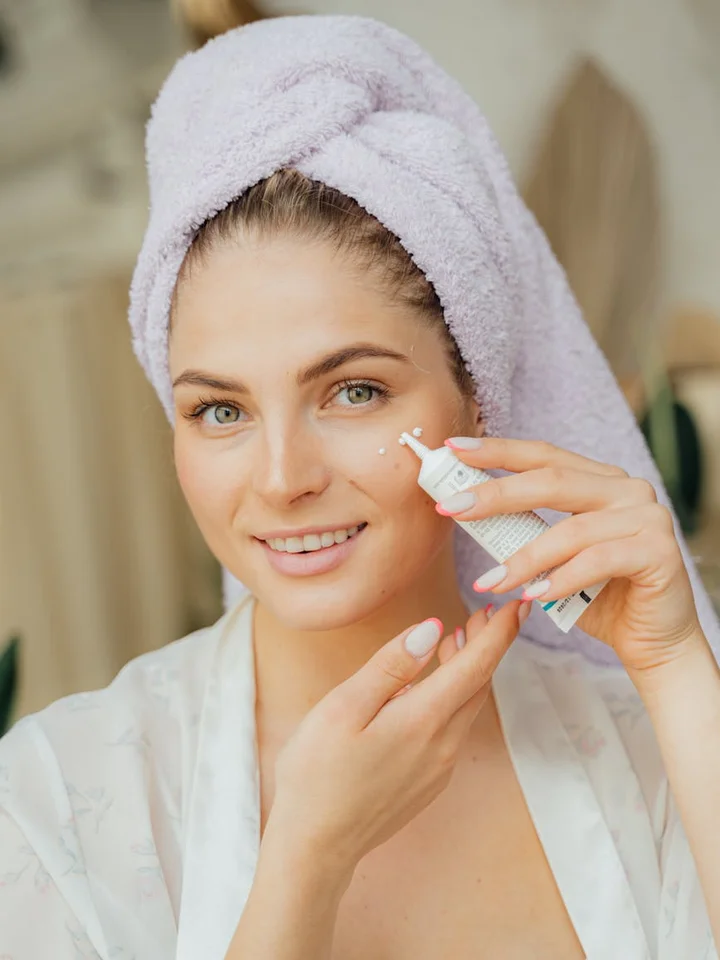
Think of your skin barrier like a brick wall. Hyaluronic acid and other humectants bring in the water, which is fantastic. But without the “mortar” (your lipids like ceramides) to hold that moisture in, it just evaporates. That’s why your routine needs both.
You get the most from ceramides when you apply them to skin that’s still slightly damp from your previous water-based steps. This seals in that hydration. Apply your ceramide product after serums and treatments, but before any heavy occlusive oils or balms.
Sample Routines for Different Skin Types
Here’s how I might build a day for different clients in my chair. Remember, these are frameworks. Your exact products will vary.
For Oily or Acne-Prone Skin (Like Maya)
Maya’s skin produces plenty of oil, but a compromised barrier can still lead to dehydration and irritation, worsening breakouts. Her routine focuses on lightweight, non-comedogenic ceramide formulas.
- AM: Gentle cleanser, hydrating toner, niacinamide serum, lightweight ceramide gel-cream, sunscreen.
- PM: Oil cleanser, gentle cleanser, hydrating toner, prescription retinoid (applied to dry skin), ceramide gel-cream.
The ceramide moisturizer here helps buffer potential retinoid irritation and ensures her skin stays hydrated without feeling greasy.
For Dry or Reactive Skin (Like Noah)
Noah’s skin needs substantial reinforcement. His routine uses richer ceramide formulations to rebuild and protect.
- AM: Rinse with water or use a milky cleanser, hydrating serum with hyaluronic acid, ceramide-rich cream, sunscreen.
- PM: Cream cleanser, hydrating serum, ceramide-rich cream. On extra dry areas, he might seal it all in with a pure plant oil.
For him, the ceramide cream isn’t just a last step; it’s the central repair tool that makes everything else work better and longer.
How Ceramides Make Your Other Products Work Better
Ceramides don’t just sit there. By repairing your skin’s natural barrier, they create a stable, healthy environment. This has a direct impact on your other actives—especially when combined with cholesterol for barrier repair.
For example, hyaluronic acid can draw moisture from the air into your skin. If your barrier is leaky, that moisture escapes. A strong barrier locks it in, making your HA serum far more effective. Similarly, a healthy barrier is more resilient, so it can tolerate ingredients like retinoids or vitamin C without becoming red and sensitive. You’re essentially building a stronger foundation so your “active ingredient house” doesn’t crumble.
When Ceramides Are a Perfect Partner: With Retinoids & Exfoliants
This is one of my favorite clinical pairings. Retinoids and exfoliating acids (like AHAs and BHAs) are brilliant, but they can temporarily weaken the skin barrier as they work. This often leads to dryness, flaking, and stinging.
Ceramides act as a buffer. They don’t block the actives from working; instead, they proactively support and repair the barrier that those actives are challenging. It’s like having a safety net while you learn a new trick.
Always patch test a new retinoid or exfoliant alone first to see how your skin reacts. Once you know it’s tolerable, follow this order:
- Cleanse and dry your face completely.
- Apply your retinoid or exfoliant treatment. Let it absorb for a few minutes.
- Follow with your ceramide moisturizer applied to slightly damp skin (you can mist your face with water or a toner).
For clients like Lina, who has combination and sensitive skin, this method allows her to use a salicylic acid treatment on her T-zone without leaving her cheeks feeling raw. The ceramide step soothes and protects the entire canvas.
Contraindications & Safety: Are Ceramides Bad For Any Skin?
Let’s clear this up right away. Are ceramides bad for skin? Are they bad for you? The short, firm answer is no. Ceramides are generally very safe and well-tolerated by almost every skin type. That said, it’s also worth considering ceramide skincare safety and any potential side effects. In the next steps, we’ll cover safety notes and what to watch for with different skin types.
Think of it this way: you’re simply giving your skin back the building blocks it already uses. Because they mirror what your skin naturally produces, ceramides are typically suitable for sensitive, reactive, and compromised skin. There are different ceramide types, each supporting skin barrier function in unique ways. They help rebuild the lipid matrix that locks in moisture. This is why I often recommend them to clients like Noah, who needs robust barrier repair without irritation.
They are also non-comedogenic, meaning they are not known to clog pores. Their job is to repair the barrier’s structure, not to sit on top of it and cause congestion.
When Might There Be an Issue?
Problems are rare, but they almost never stem from the ceramide itself. The two possible contraindications are:
- A true allergy to a specific synthetic ceramide molecule. This is extremely uncommon.
- A reaction to another ingredient within the product’s formula. This is the more likely scenario. A cream might contain ceramides, but also a fragrance or essential oil that your skin doesn’t like.
My universal rule is to patch test any new product, no matter how gentle its reputation. Apply a small amount on your inner forearm or behind your ear for a few days. If you see no reaction, it’s likely safe to use on your face.
A Note for Pregnancy
Topically applied ceramides are considered safe during pregnancy and breastfeeding. They are skin-identical ingredients, not active drugs that penetrate deeply. Always discuss your full skincare routine with your doctor, as they can advise on the complete formulation of any product you’re using.
Your Ceramide Checklist: What to Look For and What to Avoid
Let’s translate the science into a practical shopping list. Here are the key takeaways for choosing an effective ceramide product.
- Ceramides work best as a team with cholesterol and fatty acids.
- Fragrance-free formulas are safest for sensitive or compromised skin.
- Airtight, opaque packaging protects these delicate ingredients.
- Check the ingredients list: ceramides should be near the top.
- Avoid formulas heavy in drying alcohols or fragrance if your barrier is damaged.
Do Look For: The Support Team, Smart Formulas, and Protective Packaging
Think of your skin’s lipid barrier like a brick wall. Ceramides are the bricks, but they need mortar to hold them together. That mortar is cholesterol and free fatty acids. Look for products that list ceramides alongside cholesterol and fatty acids (like linoleic acid) for a complete, skin-identical repair complex. This trio is your golden ticket for effective barrier restoration. Peptides can be layered with ceramides to support additional skin-repair signaling. This ceramides-peptides layering approach, used alongside the trio above, helps enhance barrier resilience as you introduce other actives.
If your skin is reactive like Noah’s, or you’re actively healing a damaged barrier, fragrance is an unnecessary variable. Opting for a fragrance-free formula removes a common irritant, letting the repair ingredients do their job without potential interference. Your skin will thank you for the simplicity.
Ceramides and their lipid friends are sensitive to light and air, which can break them down and make them less effective. Products in airtight pumps, tubes, or opaque bottles are superior to jars, as they keep the active ingredients stable and potent from first use to last.
Be Cautious Of: Low Concentrations and Barrier-Stripping Additives
Ingredients are listed in order of concentration. If you see “ceramide” or “ceramide NP” languishing near the very bottom of a long list, it’s likely a marketing sprinkle, not a therapeutic dose. For a product to truly support barrier repair, ceramides should appear in the upper to middle section of the ingredient list.
When your barrier is already vulnerable, certain ingredients can do more harm than good. Be wary of products high in drying alcohols (like denatured alcohol or SD alcohol 40) or loaded with perfumes. These can be stripping or irritating on damaged skin, undermining the very repair work you’re trying to achieve with ceramides.
Remember, the best product is the one that works for your unique skin. Trust what your skin tells you. If a product stings or causes redness, even if it’s packed with good ingredients, it might not be the right fit for you right now. My client Noah always reminds me that gentle consistency with a simple, well-formulated product beats a complex routine that causes reaction any day.
Your Ceramide Questions, Answered
How do ceramides improve the effectiveness of my other skincare products?
By repairing your skin’s barrier, ceramides create a healthier, more resilient canvas. This means actives like retinoids or vitamin C can work better with less irritation, and hydrators like hyaluronic acid are locked in instead of evaporating.
Can I use ceramides if I have very sensitive or reactive skin?
Absolutely. Ceramides are skin-identical, making them a cornerstone for calming and strengthening sensitive skin. Some ceramides come from natural sources—plant- or yeast-derived options are common in skincare. They work with your skin’s own moisture barrier to support repair. Just ensure the overall formula is fragrance-free to avoid potential irritants that could undermine the repair process.
What’s the simplest way to add a ceramide product to my routine?
Apply a ceramide serum or moisturizer to damp skin after your treatment steps (like vitamin C or retinoids). This seals in hydration and provides a protective, soothing layer that supports your entire routine.
Your Skin Barrier, Supported
Think of ceramides not as a trendy ingredient, but as fundamental, daily nourishment for your skin’s health. Consistent use of a ceramide formula is the most reliable way to strengthen your skin’s defense system, leading to better hydration and smoother product absorption. Specifically, Cerave ceramide formulations work by replenishing essential ceramides and supporting the skin’s barrier. Many people notice improved hydration and resilience when using these products consistently. I recommend it as a non-negotiable step for virtually every skin type in my practice.
- Apply your ceramide cream or serum to slightly damp skin to maximize moisture sealing.
- Choose products that pair ceramides with cholesterol and fatty acids for the most effective barrier repair.
- Be patient and consistent; significant barrier improvement typically shows over 2 to 4 weeks of daily use.
- If your skin is sensitive like Noah’s, always opt for fragrance-free ceramide formulations.
I’m always here to help navigate your skin questions. Share your own experiences or send me your ceramide queries through the blog-exploring LuciDerma is a great place to find more compassionate, evidence-based guidance for your routine.
Lucy Zimmerman
Lucy is an expert author and blogger when it comes to skin care and body care. She has first hand expertise acting as skin care consultant for over 5+ years helping her clients achieve smooth blemish free skin with natural and working remedies. She also has been an avid experimenter and tried out all the natural and artificial remedies and treatments so you can learn from her first hand experience. Additionally, she has traveled to many countries around the world and incorporated the skin care routines she has learnt into this blog. So, wait no more, reach out to Lucy if you have any specific needs and follow her blog, LuciDerma for expert skin care advice.