
Aveeno Daily Moisturizing Lotion: Non-Comedogenic or Pore-Clogging? Our Esthetician’s Take
If you’re worried this popular lotion might clog your pores and cause breakouts, I get it. In my practice, clients with acne-prone skin, like Maya, ask me this exact question before trying any new moisturizer.
This review will give you the tools to make a confident choice. Here’s what you’ll know by the end:
- How the “non-comedogenic” label really works and why you can’t always trust it at face value.
- A clear breakdown of Aveeno’s ingredient list, highlighting components that could affect different skin types.
- A safe, step-by-step method to test this lotion on your own skin without risking a full-face reaction.
With a closer look at the facts, you can find a moisturizer that hydrates your skin without the fear.
What “Non-Comedogenic” Really Means for Your Skin
Think of your pores like tiny kitchen drains. They have a job: to allow your skin’s natural oils (sebum) and sweat to reach the surface. A “comedogenic” ingredient is one that is theoretically more likely to gunk up that drain, forming a clog that can lead to a blackhead or a whitehead. Staying mindful of comedogenic ingredients can help you avoid pore-clogging surprises. In the next steps, we’ll point you toward a quick guide on identifying those ingredients on product labels.
The key word is “theoretically.” The term “non-comedogenic” is not regulated by the FDA, which means a company can put it on a label without proving it in rigorous tests on human skin. The ratings you sometimes see for individual ingredients (like a 0-5 scale) usually come from old, small-scale rabbit ear tests from decades ago. Human skin is different, and even those tests can be unreliable when applied to common skincare ingredients.
More importantly, an ingredient’s behavior changes inside a formula. Isolated coconut oil might have a high comedogenic rating, but when blended with other specific ingredients at a low concentration, it may not clog pores at all. Its potential depends on the company’s recipe.
It’s like cooking. A single chili pepper might be incredibly spicy on its own, but when finely diced and stirred into a big pot of stew, it just adds a gentle warmth. You judge the final dish, not one component. We must judge a moisturizer by its complete formula and, most crucially, by how your unique skin responds to it.
The Aveeno Daily Moisturizing Lotion Ingredient Breakdown
Aveeno Daily Moisturizing Lotion is a classic drugstore staple marketed as a “skin protectant.” It’s designed to relieve very dry skin and is often recommended for use on the body. Its formula is built around creating a lasting, soothing barrier.
The star of the show is colloidal oatmeal. This isn’t the oatmeal from your breakfast; it’s oats finely ground and suspended in the lotion. It’s a powerhouse for calming irritation, reducing redness, and helping the skin retain moisture. It’s what gives this lotion its signature skin-soothing claim.
To deliver that oatmeal, the product needs a “vehicle”-the base formula of emollients, occlusives, and emulsifiers that gives it its texture and spreadability. This vehicle is what we need to examine closely for pore-clogging potential, especially if you’re considering using it on your face.
Molecule Spec Sheet: Key Ingredient Profile
| Ingredient | Primary Function | Typical Comedogenic Rating | Note for Acne-Prone Skin |
|---|---|---|---|
| Petrolatum | Occlusive Barrier | 0 | Traps moisture, not inherently pore-clogging but can feel heavy. |
| Dimethicone | Emollient, Texture Enhancer | 0-1 | Forms a breathable barrier; rarely problematic. |
| Cetyl Alcohol | Emulsifier, Texture | 1-2 | A fatty alcohol that helps blend ingredients; not the drying kind. |
| Glycerin | Humectant | 0 | Draws water into skin; safe for all types. |
Looking at this profile, the base ingredients have low comedogenic ratings. The potential issue for some isn’t necessarily clogging, but the rich, occlusive texture that might feel too suffocating for oily or acne-prone facial skin, especially in humid climates. My client Maya, for instance, finds petrolatum-based products too heavy for her T-zone, though Noah with his dry skin loves the protective feel. For oily skin, non comedogenic makeup options can offer lighter coverage that won’t clog pores. These choices help balance protection with a breathable finish.
Potential Pore-Clogging Culprits and Context
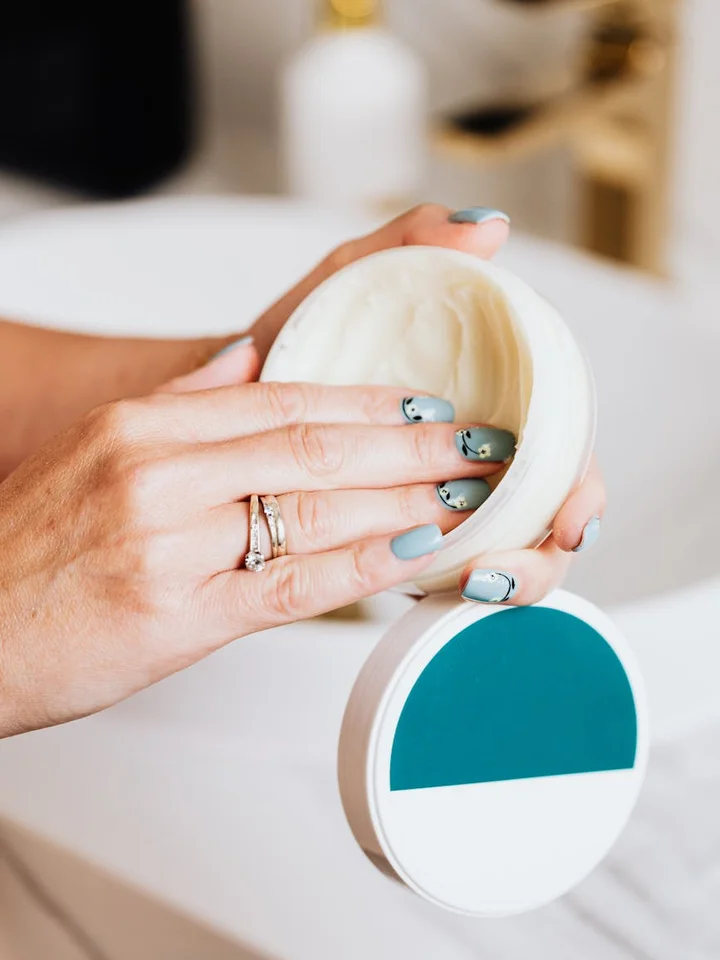
Looking at the Aveeno Daily Moisturizing Lotion ingredient list, two components often catch a discerning eye: hazelnut oil and plum fruit oil. On certain comedogenic grading scales, these plant-derived oils can receive a moderate rating, meaning they have a potential to clog pores for some individuals.
Here’s the critical context that changes the story: these oils are positioned at the very bottom of the ingredient list. In the world of cosmetics labeling, ingredients are listed in order of concentration, from highest to lowest. Their placement indicates they are included in very small amounts, likely to add a subtle sensory feel or as part of the fragrance blend, not as the primary moisturizing agents. For most people, this minute quantity significantly reduces any realistic risk of them causing widespread clogging.
How This Formula Compares to Others
To understand different formulation philosophies, let’s contrast this with a product like the Aestura Atobarrier 365 Cream. That cream intentionally avoids plant oils and butters altogether, focusing instead on a potent blend of ceramides, cholesterol, and fatty acids to mimic and repair the skin’s own barrier. It’s a brilliant, minimalist approach for extremely reactive or clog-prone skin like my client Noah’s, who finds that even small amounts of certain oils can cause congestion.
The Aveeno lotion takes a more traditional, all-in-one body care approach. Its hero ingredient is colloidal oatmeal, which is fantastic for soothing and protecting the skin barrier. The plant oils are a secondary character in this formula, not the star.
The Non-Comedogenic Brand Landscape
It’s worth noting that some brands make non-comedogenic claims a cornerstone of their entire identity. Brands like Byoma and Cosrx often formulate their entire lines with ingredient selections and lightweight textures designed to minimize pore-clogging risks. Their products are excellent, targeted options if you are building a routine for acne-prone or congestion-prone facial skin. For those prioritizing pore health, non comedogenic branded moisturizers offer reliable, lightweight hydration. When choosing, look for labels that emphasize non-comedogenic or pore-friendly formulas.
Aveeno’s Daily Moisturizing Lotion was designed as a gentle, all-over body moisturizer, which explains its broader, more traditional ingredient palette compared to a dedicated facial serum or cream. For your body skin, which typically has fewer and larger pores than your face, the risk posed by the trace oils is even lower. As always, listening to your own skin is the final test. If you know your skin reacts to nut oils, performing a patch test on a small area of your chest or jawline for a week is a wise move.
How This Formula Feels on Different Skin Types
When you smooth this lotion on, the first thing you’ll notice is its richness. It has a substantial, emollient feel that sinks in gradually, leaving a noticeable protective layer behind. Think of it like a cozy, breathable sweater for your skin, not a sheer silk shirt. This lingering, occlusive finish is the hallmark of a formula designed for intense, long lasting hydration.
The Texture Contrast: Aveeno vs. A Gel-Cream
To understand this texture, it helps to compare it to something opposite. A popular gel-cream moisturizer, like the Laneige Water Bank Blue Hyaluronic Cream Moisturizer, has a completely different sensory profile. That formula feels like a splash of cool water transforming into a velvety veil. It absorbs almost instantly with a fresh, dewy finish. The Aveeno lotion, in contrast, feels more substantial and takes a moment to fully embrace the skin, leaving a more tangible sense of care.
For Oily or Combination Skin (Like Lina)
If your skin is like Lina’s-combination with an oily T-zone-this is where you need to be strategic. Applying this rich formula all over your face, especially on the forehead, nose, and chin, will likely feel too heavy. That protective layer might feel more like a pore clogging risk in your oily zones, potentially leading to congestion or a shiny finish you don’t want. Lina’s rule is to use it only where she needs it: on her drier cheeks and jawline. For her T-zone, she opts for a featherlight, non-comedogenic gel moisturizer instead.
For Dry, Reactive Skin (Like Noah)
This is where a formula like Aveeno’s Daily Moisturizing Lotion can truly shine. For someone like Noah, who has dry, reactive skin that feels tight and flares up easily, that rich, lingering finish is a benefit, not a drawback. The occlusive layer acts like a shield. It helps trap hydration already in the skin and protects the fragile barrier from environmental irritants, which is exactly what reactive skin needs to calm down and repair. Noah finds that this level of occlusion soothes his dryness without causing the stinging or redness that fragranced or lighter lotions sometimes do.
Contraindications & Safety Warnings
While this lotion is a champion for dry body skin, its formula isn’t a universal fit. Your facial skin, with its higher density of oil glands, can be more reactive. If your face is prone to congestion or specific conditions, a patch test is your best first move before applying this anywhere near your jawline or cheeks.
Who Should Proceed with Caution (or Avoid)
Think of your skin’s needs like a personalized checklist. This lotion may check boxes for dryness, but it could trigger issues for others.
- For Fungal Acne (Malassezia) Concerns: The blend of oat oil and certain esters can potentially feed malassezia yeast. If you get itchy, uniform little bumps that don’t respond to typical acne treatments, this lotion might worsen them.
- For Very Oily or Acne-Prone Skin: My client Maya, with her oily skin, finds formulas rich in fatty alcohols and oils can sometimes feel too occlusive on her face, leading to clogged pores. If your skin is similar, this lotion’s richness might be better suited for your elbows than your T-zone.
- For Known Sensitivities: If your skin, like Noah’s, reacts to ingredients like cetyl alcohol or dimethicone with redness or small clogged pores, this formula contains them. A patch test behind your ear for a week can reveal a lot.
Not for Active, Inflamed Breakouts
This is a moisturizer for maintaining skin health, not treating active lesions. Applying this lotion over broken skin or severe, inflamed cystic acne can trap bacteria and irritants, potentially slowing healing and increasing discomfort. For those painful, deep spots, a targeted treatment or a simple, healing ointment on the affected area is a safer choice.
Remember: “Daily Moisturizing” is for Your Body
The name says it all. This product is engineered for the skin on your arms, legs, and torso, which is structurally different from your facial skin. Body skin is typically less sensitive and has fewer oil glands. What perfectly moisturizes your body can sometimes overwhelm the more delicate ecosystem of your facial pores. For your face, consider a moisturizer specifically formulated for the unique challenges of facial skin, like lighter gel-creams or oil-free lotions.
Real User Experiences: What People Actually Say About Breakouts
Online reviews and my own client conversations paint a very clear, two sided picture. For people with dry, normal, or sensitive skin, this lotion is often a hero. They call it a “savior” for rough elbows and parched legs, praising how it soothes without stinging.
The story shifts for those with oily or acne prone skin. A common theme emerges: clogged pores. You will find reviews from people who developed “little bumps,” called closed comedones, or experienced full blown breakouts after using it on their face. This feedback is a vital clue that while the formula is gentle for many, its richness can be too much for congestion prone facial skin, especially compared to non-comedogenic primers designed for such skin types.
A Lesson from the Treatment Room: Maya’s Story
I remember my client, Maya, who has oily, acne prone skin. She ran out of her usual facial moisturizer and used the Aveeno Daily Moisturizing Lotion on her face for a few days. By the third day, she noticed new, small bumps along her jawline and cheeks.
Frustrated, she almost threw the bottle away. Instead, she started using it only on her body, particularly on her drier back and shoulders. On her back, which is less oily than her face, the lotion worked perfectly, providing the hydration her skin needed without causing any new breakouts. Her experience highlights a critical rule in skincare: your body and your face are different environments.
Why “Body Lotion” and “Face Lotion” Are Not Interchangeable
This distinction is the key to queries like is aveeno body lotion non comedogenic. Skin on our body is typically thicker, has fewer oil glands per square inch, and is less exposed to daily makeup, sweat, and constant touching than our facial skin.
A formula that provides perfect, non clogging hydration for your arms might overwhelm the more delicate and active pore landscape of your face. Labeling a product as a “body lotion” is often a signal from the brand that its texture and ingredient blend are optimized for the body’s needs, not necessarily the face’s more complex demands.
If you have oily or acne prone facial skin, consider this lotion strictly for your body. For your face, seek out moisturizers specifically formulated and tested for the facial area, often labeled as “oil free” or “non comedogenic.” Your pores will thank you.
How to Test It Safely on Acne-Prone Skin
If you’re curious about this lotion but your skin is prone to clogging, a proper test is your best defense. Rushing into a new product can lead to weeks of frustration. I take my clients, like Noah who has reactive skin, through a careful two-week protocol. It’s the most reliable way to listen to what your skin is telling you.
The Two-Week Patch Test Protocol
This isn’t a one-day check. You need to watch for delayed reactions. Follow these steps:
- Choose Your Test Spot: Start on an area of your body that is also prone to breakouts, like your upper back or chest. These areas are often less sensitive than your face but will still show signs of clogging.
- Apply a Dime-Sized Amount: Use just enough to cover a 2-inch square of skin. Smooth it on clean, dry skin.
- Repeat Twice Daily: Apply the lotion morning and night for two full weeks. Mark your calendar.
- Observe Closely: Look for new small bumps (comedones), redness, itching, or inflamed pimples in the exact spot you applied it. If you see any of these signs, stop using the product there-your skin is giving you a clear “no.”
Why Start on Your Body, Not Your Face
Your facial skin is more delicate and reactive than the skin on your chest or back. Testing on your body first acts like a safety buffer. Think of my client Maya: she tested a rich cream on her jawline first and got a cluster of painful cysts. Had she tested it on her back, she would have seen smaller, less dramatic clogs and saved her face the trouble. Body skin can give you the same pore-clogging answer with less potential for a major flare-up.
Moving to Your Face (If All Goes Well)
If your two-week body test is clear, you can consider a face trial. Use only a pea-sized amount for your entire face. This is crucial. It’s easy to overapply a body lotion, which can overwhelm facial pores and skew your results. Dot the small amount on your forehead, cheeks, nose, and chin, then blend thoroughly. Continue monitoring for another week.
Keep Your Routine Simple During the Test
While testing, you want the Aveeno lotion to be the only new variable. Pair it with a basic, non-active cleanser. Avoid any other new products, retinoids, strong acids, or physical scrubs. This isolation helps you be certain that any reaction is from the lotion itself and not from a confusing cocktail of ingredients. A gentle cleanser and this moisturizer are all you need for an accurate test period.
Dermatologist Insights and Practical Alternatives
When I talk to colleagues about a product like this, the consensus is pretty clear. Dermatologists view Aveeno Daily Moisturizing Lotion as a safe, effective workhorse for the body, but they rarely recommend it as a first-line moisturizer for oily or acne-prone facial skin. Its strength is in repairing very dry, flaky skin on areas like elbows and knees, not in navigating the delicate landscape of your face where pores are more prone to clogging.
Lighter Alternatives for Facial Skin
If your goal is facial hydration without the worry, you need a different strategy. Think of it like clothing: a thick sweater (the Aveeno lotion) is great for a cold day, but you’d choose a lightweight, breathable shirt (a facial moisturizer) for daily wear. For someone like my client Maya, who has oily, acne-prone skin, I always suggest looking for fluid-based lotions or gels that are explicitly labeled non-comedogenic and oil-free.
Here’s a direct comparison to illustrate the difference:
| Product Type | Texture & Feel | Key Features | Best For |
|---|---|---|---|
| Aveeno Daily Moisturizing Lotion | Rich, creamy, occlusive | Heavy on emollients (oats, petrolatum, oils) for barrier repair. | Dry body skin, not a first choice for the face. |
| Lightweight Facial Moisturizer/Gel | Fluid, fast-absorbing, non-greasy | Often uses humectants like hyaluronic acid and glycerin, labeled non-comedogenic. | Oily, combination, or acne-prone facial skin. |
Products in that second category are formulated with pore congestion as a primary concern. They deliver hydration through humectants that pull water into the skin, rather than relying on a heavy seal of oils that might sit on top of pores.
The Strategic Ceramide Alternative
Sometimes, the concern isn’t just oiliness-it’s a damaged skin barrier that needs serious repair without heavy, potentially pore-clogging ingredients. This is a scenario I often see with clients like Noah, who have dry, reactive skin that still breaks out.
For this, the modern alternative isn’t a traditional lotion. Ceramide-based creams and barrier repair formulas represent a strategic middle ground, offering intensive repair with a lower risk of comedogenicity. Brands like Aestura focus on mimicking the skin’s natural lipid barrier with ceramides, cholesterol, and fatty acids. These ingredients help your skin heal itself without smothering it in heavy plant oils or petrolatum. They feel protective but are often formulated to be non-greasy and suitable for sensitive, congestion-prone skin that needs help holding onto moisture. Each ceramide type contributes differently to the barrier’s structure and water-holding ability. Understanding ceramide types and barrier function helps explain why formulations with a mix of ceramides often work best for restoring barrier function.
The takeaway is that you have options. If your facial skin is prone to clogging, choosing a product designed for that specific challenge will always be a more confident starting point than adapting a body lotion.
The Final Take: Should This Be Your Moisturizer?
Let’s get straight to the point. Whether this lotion is right for you depends entirely on what your skin is asking for.
For Dry, Eczema-Prone, or Body Skin: A Confident Yes
If your skin feels tight, flaky, or is prone to eczema, this formula is designed for you. The star ingredient, colloidal oatmeal, is a champion for calming irritation and repairing a weak skin barrier. The texture is rich and provides that lasting, protective layer dry skin craves. For body skin, which generally has fewer and larger pores than the face, this lotion is an excellent, cost-effective choice for daily relief. My client Noah, who has dry, reactive skin, finds formulas with colloidal oatmeal to be his safest bet for preventing the tight, itchy feeling he gets with most other lotions.
For Oily, Combination, or Acne-Prone Facial Skin: Proceed with Caution
If your primary concerns are shine, enlarged pores, or breakouts, I would steer you toward a different option for your face. The ingredient combination, particularly the heavier emollients, has a higher likelihood of feeling too rich or contributing to congestion over time. For facial use on oily or acne-prone skin, a lighter, water-based moisturizer that is explicitly labeled non-comedogenic is a much safer starting point. These products are designed to hydrate without clogging pores, making them ideal for daily wear on oily or acne-prone skin. When shopping, look for non-comedogenic skin creams labeled oil-free or for acne-prone skin to guide your choice. Think of it like clothing: your face might need a light, breathable t-shirt (a gel cream), while your body needs a cozy sweater (this richer lotion). My client Maya, who is acne-prone, learned that her skin does best with featherlight serums and gels; a lotion like this one would make her feel greasy by midday.
The “Non-Comedogenic” Label is a Deliberate Omission
Remember, Aveeno does not claim this product is non-comedogenic. That’s not an oversight; it’s valuable information. Brands are very aware that this is a sought-after claim for face products. Its absence here is a strong clue that this formulation was not primarily designed with the delicate, pore-dense landscape of the face in mind, especially for those prone to clogging. Always trust the ingredient list and your skin’s reaction over any marketing term.
Your Skin’s Voice is the Most Reliable Label
The ultimate authority is your own skin. A product can have a perfect “clean” or “natural” label and still cause breakouts for you. Conversely, an ingredient that is problematic for one person might be perfectly fine for another. Becoming a detective of your own skin’s responses knowing what it needs when it feels dry versus when it feels congested is a more powerful tool than any single claim on a bottle. Start by patch testing any new product on a small area of your jawline for a week. Your skin will tell you everything you need to know.
Your Questions on Aveeno & Pores, Answered
Why doesn’t Aveeno label this lotion “non-comedogenic”?
This is a deliberate choice, not an oversight. The formula is designed as a rich body moisturizer, and brands reserve “non-comedogenic” for products specifically engineered and tested for the more delicate, pore-dense facial skin.
Can I use this on my face if I have oily or combination skin?
We typically advise against it for oily facial zones. Its rich, occlusive texture is brilliant for dry skin but can feel too heavy on the T-zone, creating an environment where pores may become congested over time.
What’s the safest way to test this for my acne-prone skin?
Always perform a two-week patch test on an area like your chest or back before considering facial use. This allows you to observe your skin’s unique reaction to the formula’s richness without risking a full-face breakout.
Your Skin, Your Rules: Final Insights on Aveeno Lotion
When evaluating any moisturizer, the most reliable approach is to listen to your skin’s unique signals above all else. For Aveeno Daily Moisturizing Lotion, this means observing how your skin responds to its rich, occlusive ingredients over a few weeks of careful use.
- Always conduct a patch test behind your ear or on your jawline for several days before applying it to your entire face.
- If you have oily or acne-prone skin like Maya, monitor for any new bumps or congestion, as heavier emollients can sometimes be problematic.
- For body care on dry skin like Noah’s, this lotion can be an excellent, fragrance-free option for areas like elbows and knees.
- Remember that “non-comedogenic” is a guide, not a guarantee-your personal experience is the definitive test.
- When exploring alternatives, prioritize formulas from brands committed to cruelty-free and sustainable practices.
Skin care is a personal journey, and I’m here to help you navigate it with clarity. If you have more questions about ingredients or finding the right moisturizer for your routine, I welcome you to share them. My goal is to provide you with the trustworthy, practical guidance you need to feel confident in your choices.
Further Reading & Sources
- Amazon.com : Aveeno Daily Moisturizing Cream with Prebiotic Oat & Shea Butter for Body, Face & Hands Moisturizer Cream, Hydrates Normal to Dry, Sensitive Skin, Fragrance Free, Non-Comedogenic, 20 oz : Beauty & Personal Care
- Daily Moisturizing Body Lotion With Soothing Oat | Aveeno®
- Daily Moisturizing Cream for Normal to Dry, Sensitive Skin | Aveeno®
- Amazon.com : Aveeno Active Naturals Daily Moisturizing Lotion, 18-Ounce Pump (Pack of 2) : Beauty & Personal Care
- Daily Moisturizing for Dry Skin | Aveeno®
- Amazon.com : Aveeno Daily Moisturizing Body Lotion, Body Lotion for Dry Skin with Prebiotic Oat, Paraben Free, Fragrance Free, Non-Greasy, Non-Comedogenic Moisturizer, 18 FL OZ : Body Lotions : Beauty & Personal Care
- Daily Moisturizing Products To Revive Dry Skin | Aveeno®
- Amazon.com: Aveeno Positively Radiant Daily Face Moisturizer with SPF 15 Sunscreen, Hydrating Facial Moisturizer with Soy Extract to Improve Skin Tone and Texture, Hypoallergenic Formula, Oil-Free, 4 FL OZ : Beauty & Personal Care
- Positively Radiant® Daily Face Moisturizer SPF 30 – Aveeno
- Positively Radiant® Daily Face Moisturizer SPF 15 – Aveeno
Lucy Zimmerman
Lucy is an expert author and blogger when it comes to skin care and body care. She has first hand expertise acting as skin care consultant for over 5+ years helping her clients achieve smooth blemish free skin with natural and working remedies. She also has been an avid experimenter and tried out all the natural and artificial remedies and treatments so you can learn from her first hand experience. Additionally, she has traveled to many countries around the world and incorporated the skin care routines she has learnt into this blog. So, wait no more, reach out to Lucy if you have any specific needs and follow her blog, LuciDerma for expert skin care advice.