
e.l.f. Cosmetics and Acne-Prone Skin: Your Guide to Non-Comedogenic Makeup
If you’re managing breakouts, picking makeup can feel stressful. I review products like e.l.f. with my clients’ acne-prone skin in mind every day.
By the end of this article, you will be empowered to:
- You’ll understand what “non-comedogenic” really means and how that claim applies to e.l.f.’s affordable formulas.
- You’ll know how to spot the ingredients and product types that are typically safe for sensitive, breakout-prone skin.
- You’ll have a clear strategy for testing new products to build a makeup routine that supports your skin health.
Let’s find you some makeup that lets your confidence shine through.
What “Non-Comedogenic” Really Means for Your Pores
Think of your pores like tiny chimneys. Their job is to let oil (sebum) travel up and out to the surface of your skin to keep it supple. A non-comedogenic product is formulated to be less likely to clog, or “plug,” those chimneys. In simple terms, it’s designed to be pore-friendly instead of pore-clogging. This idea also applies to non comedogenic face primers, which help keep pores clear while providing a smooth base for makeup.
It’s crucial to know that “non-comedogenic” is a marketing claim, not a guarantee regulated by agencies like the FDA. There’s no standard test every company must use. One brand’s definition of “pore-friendly” might differ from another’s. It’s a helpful guide, but not an ironclad promise that a product won’t ever cause a breakout for you personally.
Imagine your skin needs to breathe. A truly non-comedogenic formula is like wearing a lightweight, breathable linen shirt – it sits on your skin without trapping heat and oil underneath. A heavier, comedogenic ingredient might feel more like a thick plastic raincoat, creating a blocked environment where acne bacteria can thrive.
So, are e.l.f. Cosmetics products non-comedogenic? The brand states that many of their products are formulated to be non-comedogenic. They often highlight this feature in product descriptions, especially for foundations, primers, and moisturizers. This is a positive signal that e.l.f. is thinking about pore health, but you still need to be a detective with the ingredient list and how your unique skin reacts. Not all products labeled non-comedogenic work for everyone, so it’s essential to know how to identify truly non-comedogenic makeup and skincare.
The e.l.f. Approach: Affordability Meets Conscious Beauty
e.l.f. has built its reputation on being accessible, which in skincare and makeup means thoughtful formulas at approachable prices. Their core ethos is “cruelty-free, vegan, and clean,” meaning they avoid animal testing, animal-derived ingredients, and many ingredients they deem questionable.
This philosophy does influence their ingredient choices. You’ll generally find fewer heavy, occlusive oils (like coconut oil) that are common pore-cloggers for many. Instead, they often use lighter silicones and plant-based humectants. For a client like Maya, who has oily, acne-prone skin, this conscious approach can make navigating their range less daunting from the start.
However, “clean” and “vegan” do not automatically equal “non-comedogenic” or “safe for acne-prone skin.” A natural plant butter can be vegan and still clog pores. Fragrance oils, even from natural sources, can irritate sensitive, breakout-prone skin. Not all e.l.f. products are created equal for your specific concerns.
You must look past the general brand promises. A matte foundation from e.l.f. will have a very different formulation intent than a hydrating luminous primer. For someone like Noah, who has dry but reactive skin, a product labeled “non-comedogenic” might still contain fragrance or an essential oil that triggers redness. The brand’s stance gives you a good starting field, but your own skin’s experience is the final referee — especially when it comes to non-comedogenic moisturizers.
How to Decode an e.l.f. Ingredients List
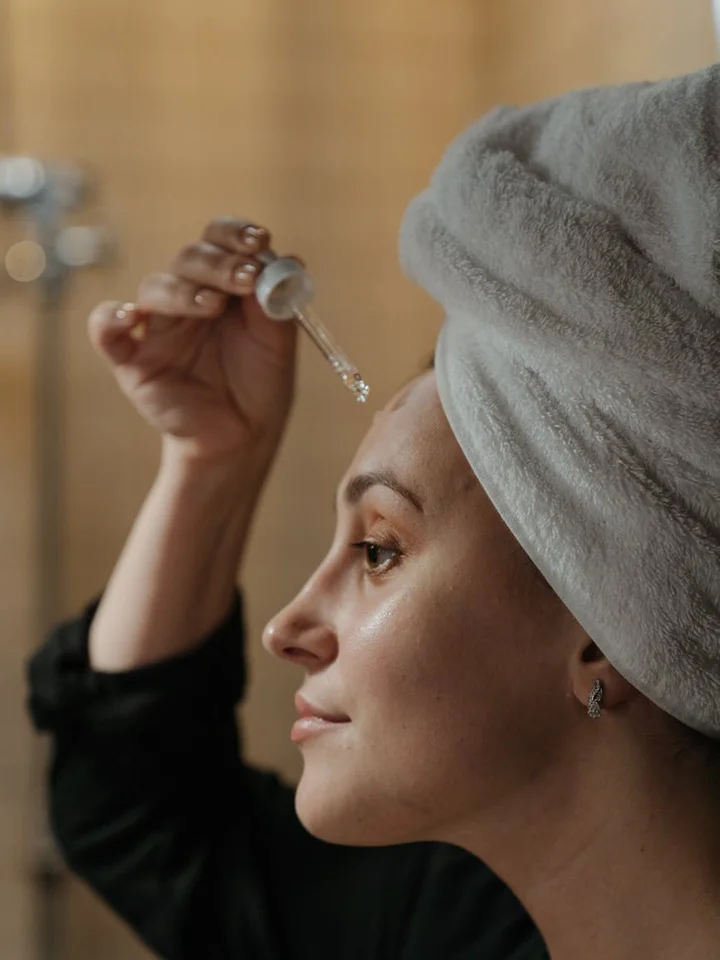
Whether you’re scanning the back of a bottle or scrolling online, an ingredients list can look like a foreign language. You don’t need a chemistry degree to make sense of it. Think of it like a recipe: the first ingredients make up the bulk of the formula.
Learning to spot a few key names empowers you to choose products that work with your skin, not against it.
Non-Comedogenic Hero Ingredients to Look For
These are the components I consistently recommend for clients like Maya, who needs clarity without clogging. They hydrate, soothe, or treat without burdening pores.
- Niacinamide (Vitamin B3): A true multitasker. It helps regulate oil production, calms redness, and strengthens the skin’s barrier. It’s a star in many e.l.f. serums and moisturizers.
- Hyaluronic Acid: A moisture magnet. It draws water into the skin, providing plump hydration without a greasy finish. Perfect for dehydrated yet acne-prone skin.
- Squalane: A lightweight oil that mimics your skin’s own sebum. It’s excellent for providing a silky moisture hit that won’t feel like it’s sitting on top of your pores. My client Noah, with his dry, reactive skin, finds it incredibly soothing.
- Zinc: Often found in sunscreen formulas. It has natural anti-inflammatory properties, which can help calm active breakouts.
- Salicylic Acid: A beta-hydroxy acid (BHA) that exfoliates inside the pore lining. It’s a direct treatment for blackheads and congestion. Look for it in cleansers or targeted treatments.
Common Pore-Clogging Suspects
Comedogenicity isn’t a perfect science-what clogs one person may not clog another. However, some ingredients are frequent offenders for those prone to acne. This doesn’t mean a product containing them is “bad,” but it’s a flag to proceed with caution, especially if it contains commonly comedogenic ingredients.
- Certain Oils: Coconut oil, cocoa butter, and wheat germ oil are highly comedogenic for many. Lighter oils like hemp seed or sunflower are generally safer bets.
- Heavy Waxes & Butters: Ingredients like beeswax, carnauba wax, and shea butter can create an occlusive seal. This is great for very dry skin but can trap debris and oil for acne-prone types.
- Comedogenic Esters: These are often used as emulsifiers or thickeners. Keep an eye out for names like isopropyl myristate, ethylhexyl palmitate, and myristyl myristate. They have a known history of clogging pores.
- Lanolin: A wool-derived fat that is wonderfully moisturizing for some but problematic for others with acne-prone or sensitive skin.
If you see a suspect ingredient high on the list, consider patch testing that product carefully on a small area of your cheek or jawline for a week.
Your 3-Step Label Scan
You don’t need to memorize every ingredient. Use this quick method before buying any product, from e.l.f. or any brand.
- Start at the Top: Ingredients are listed in descending order of concentration. Focus most of your attention on the first 5 to 10 ingredients. This tells you what the product is mostly made of.
- Spot Your Heroes & Suspects: Quickly scan for the non-comedogenic heroes you want and the pore-clogging suspects you wish to avoid. Is a heavy butter in the top five? Is niacinamide listed?
- Use a Trusted Resource: When in doubt, cross-reference. I keep a simple comedogenic ingredient checklist on my phone, or you can use a reputable online database. Don’t guess.
Are e.l.f. Cosmetics Products Safe for Acne-Prone Skin?
The safety of any product for acne-prone skin isn’t about the brand name on the front-it’s about the ingredients list on the back. e.l.f. offers many formulas packed with the non-comedogenic heroes we discussed, making them excellent, accessible options. For those managing acne, non-comedogenic makeup treatment can be a lightweight part of care. When paired with a regular skincare routine, these formulas help cover imperfections without clogging pores.
However, they also offer rich cream blushes, thick moisturizing creams, and glossy lip products that may contain oils or waxes unsuitable for someone in the middle of a breakout cycle. Safety is ingredient-dependent and deeply personal. A hydrating serum with hyaluronic acid and squalane might be perfect for you, while a coconut oil-based makeup remover could lead to trouble.
My approach with clients is always the same: identify your skin’s needs, learn to recognize the key ingredients that meet those needs, and then select specific products that align. Patch test anything new. e.l.f.’s transparency and affordability make this trial process much less daunting, which is a huge advantage.
e.l.f. Product Deep Dive: A Pore-Safe Guide
Think of this as your field guide. We’re looking past the marketing to see what each product type is really made of and how it behaves on skin that’s prone to clogging. Here’s a quick-reference chart to set the stage.
| Product Type | Key Acne-Friendly Feature | Texture/Finish | Watch-Out For |
|---|---|---|---|
| Liquid Bronzer/Highlighter (e.g., Halo Glow) | Often water-based, can be sheered out. | Liquid, dewy, luminous. | High shimmer content; applying too much can settle into pores. |
| Powder Blush | Oil-absorbing; sits on top of skin. | Lightweight, matte to satin. | Some powders contain bismuth oxychloride, which can irritate sensitive skin. |
| Cream/ Putty Blush | High pigment payoff means you use less. | Dense, emollient, natural finish. | The thick, waxy texture requires thorough cleansing to remove fully. |
| Acne-Fighting Foundation | Formulated with salicylic acid. | Typically matte or natural. | Acid-treated makeup can be drying; must pair with good hydration. |
| “Poreless” Primer | Contains silicones to create a smooth, water-resistant barrier. | Silky, blurring. | Silicones can trap oil and debris underneath if skin isn’t perfectly clean. |
Are e.l.f. Bronzing Drops (Like Halo Glow) Non-Comedogenic?
Liquid glow products, like the popular Halo Glow Liquid Filter, are tempting. They promise a lit-from-within radiance. The formula is usually a mix of water, light oils, and mica (those tiny shimmer particles). For acne-prone skin, the issue is rarely the base liquid but the shimmer itself. Those reflective particles can easily lodge themselves into the openings of pores or cling to textured skin, making bumps more noticeable.
This doesn’t mean you have to avoid them entirely. My client Maya, who manages her oily, breakout-prone skin beautifully, uses a drop mixed into her moisturizer. This dilutes the product and spreads the shimmer particles so thinly that they offer a gentle glow without concentrating in one spot. Applying a liquid highlighter or bronzer only to the high points of your face (cheekbones, brow bone) and avoiding active breakout areas is a smart strategy. Always apply these products after your foundation or tinted moisturizer, not directly on bare skin, to minimize direct pore contact.
Is e.l.f. Blush (Camo, Putty, etc.) Safe for Breakouts?
The choice between powder and cream blush is a classic one for a reason. For skin that clogs easily, a powder blush is often the safest first choice. It sits on the surface of your skin and can even help absorb a bit of midday oil. Look for simple, talc-free mineral formulas.
Now, let’s talk about the putty and camo blushes. Their texture is unique-dense, putty-like, and highly pigmented. The benefit is that you need the tiniest amount, which limits the load on your pores. The potential downside is their emollient, waxy base. If you have very oily skin or don’t double cleanse at night, this texture can leave a residue behind. My advice? If you love the cream blush look, prep your skin with a light, non-comedogenic moisturizer, use a stippling brush to apply a minuscule amount, and be religious about your evening oil-based cleanser to break it down completely.
Foundation and Primer Picks for Oily, Acne-Prone Skin
e.l.f. offers specific products that cater to breakout-prone skin. The Acne Fighting Foundation is a standout because it contains salicylic acid, a beta-hydroxy acid that exfoliates inside the pore. It’s like getting a mild treatment while you wear your makeup. Remember, this can be drying, so pairing it with a light hydrating serum is key.
For primers, the Poreless Putty Primer is famous. Its magic ingredient is silicones like dimethicone. Silicones create a smooth, water-resistant layer over the skin that can prevent makeup and sebum from sinking into pores. This is great for creating a smooth canvas. But here’s the catch: if you apply it over dirty or sweaty skin, or if you don’t wash it off thoroughly, it can act like a lid, trapping oil and dead cells underneath. This is a prime example of a product that works brilliantly with meticulous skincare. Use it on clean, toned skin, and always follow with a thorough cleanse using an oil-based first step to dissolve the silicone barrier.
Products and Ingredients to Tread Lightly With
Think of your pores like tiny doorways. Some ingredients can sit heavily in front of them, which is fine for dry skin that needs that barrier, but can be a problem for skin that clogs easily. With e.l.f., the majority of their lineup is thoughtfully formulated, but a few categories tend to use richer textures.
This doesn’t make these products “bad”-it just means they might not be the best fit for very oily or acne-prone skin types. My client Noah, with his dry skin, might love these exact formulas, while my client Maya, who is acne-prone, would use them more selectively.
Lip Lacquers and Oily Glosses
Rich, shiny lip products are a common culprit for breakouts around the mouth and chin (what we call perioral acne). The gloss itself can migrate, and ingredients like certain oils and butters can be occlusive.
If you love a glossy look but are prone to breakouts in this area, apply your lip color first, then use a clean finger to wipe away any product that has drifted onto the surrounding skin. You can also look for e.l.f.’s lip stains or blotted lipstick finishes, which tend to have a lighter, less migratory texture.
Creamy, Full-Coverage Complexion Products
Some cream blushes, putty bronzers, and full-coverage concealer formulas are designed for long wear and high pigment. To achieve that, they often use waxes and silicones that create a smooth, barrier-like film.
For acne-prone skin like Maya’s, this can sometimes trap sweat and oil underneath throughout the day. The key is to use a tiny amount and blend it thoroughly over well-moisturized skin. Consider these for evening looks or drier areas of your face, and lean on e.l.f.’s lighter liquid or serum foundations for daily, all-over wear.
Rich, Nourishing Skin Care
While e.l.f. has many gel-based and lightweight options, their “Holy Hydration!” line and certain night creams are deeply nourishing. They often contain shea butter and richer oils that are fantastic for repairing a compromised skin barrier.
If your skin is both acne-prone and dehydrated, you can still use these-just apply them as a final step only to areas that feel tight or flaky, like the cheeks. Avoid layering them heavily on your T-zone if that’s where you get clogged pores. Think of it like putting a cozy sweater only where you feel cold, not over your entire body on a warm day.
Always check the ingredient list for your personal triggers. If coconut oil or cocoa butter break you out, you’ll know to skip formulas that feature them. When trying any new product from these categories, do a patch test on a small area of your jawline for a few days to see how your skin responds.
Safety First: How to Trial Any New e.l.f. Product

Think of trying a new makeup or skincare product like meeting a new friend. You don’t invite them to move in on the first day. You start with a coffee date. For your skin, that first date is a patch test. This is non-negotiable for acne-prone, sensitive, or reactive skin types.
My client Maya, who has oily, acne-prone skin, taught me the hard way. She once applied a new primer all over before a big event. By that evening, her jawline was dotted with painful, new bumps. We traced it back to a specific silicone in the formula her skin rejected. Now, she never skips this step.
The Two-Stage Patch Test Protocol
This method checks for both immediate allergic reactions and slower, pore-clogging responses.
- Stage 1: The Sensitivity Check
Apply a pea-sized amount of the product to a small area behind your ear or on the inner crook of your elbow. These are sensitive spots. Leave it on for 24-48 hours. You’re looking for any sign of an allergic reaction: itching, burning, redness, or swelling. If you see none, proceed. - Stage 2: The Comedogenicity Test
Apply the same amount along a small section of your jawline or side of your forehead. Use it as you normally would for 5-7 nights in a row. This area is more prone to congestion. Watch for new blackheads, small white bumps, or painful, deep-seated pimples-the telltale signs of a pore-clogging ingredient for you.
If your skin stays clear and calm through both stages, the product is likely a safe bet for your full face.
Introduce One New Product at a Time
Imagine your skin is a science experiment. If you change three variables at once and break out, you’ll never know which one caused it. Always space new product introductions by at least one to two weeks.
This patience saves you time, money, and frustration. If a problem arises, you can immediately identify and stop using the culprit without having to dismantle your entire routine and start over.
The Critical Role of Double Cleansing
When you’re using complexion products like foundation, primer, or tinted sunscreen, cleansing becomes your most important skincare step. A single cleanse often leaves behind a film of makeup, silicone, and sunscreen agents that can settle into pores.
Double cleansing is a two-step washing method:
- Step 1: An Oil-Based Cleanse. Use a gentle cleansing balm or oil. Massage it onto dry skin with dry hands for about 60 seconds. This breaks down and dissolves makeup, sunscreen, and excess sebum (oil) without stripping your skin. Rinse with lukewarm water.
- Step 2: A Water-Based Cleanse. Follow with your regular facial cleanser. This removes any last traces of residue and sweat. It leaves your skin truly clean and ready for treatment serums or moisturizers.
For acne-prone skin, a thorough double cleanse at night is the best way to ensure your pores stay clear of the very products you’re trying. It’s the clean slate your skin needs to breathe and renew itself overnight.
Contraindications & Safety Warnings
Even the gentlest, most well-formulated products require smart application. My client Maya taught me this when she tried a new foundation during a major breakout. Her skin became angrier, not clearer. Here’s how to apply that lesson.
When Your Skin Is Actively Fighting
If you have a deep, painful, inflamed cyst like the one described-where the skin is swollen and sensitive to touch-your priority is healing, not coverage. Applying any new complexion product over active, inflamed acne can trap bacteria and worsen the inflammation. The skin is already compromised and working hard to repair itself. Think of it like putting a bandage over a wound without cleaning it first; you’re sealing in the problem.
For these painful, under-the-surface bumps, focus on a simple, calming routine: a gentle cleanser, a non-comedogenic moisturizer, and spot treatment as advised by your clinician. Let the area calm down before introducing any makeup or new base products.
The Rule of Broken Skin
This is a non-negotiable clinic rule. Do not apply new foundations, primers, or concealers onto broken skin (like a popped pimple you’ve been patching) or areas where your skin barrier is visibly damaged (red, flaky, stinging). Your skin’s protective barrier is its first line of defense; when it’s damaged, ingredients can penetrate more deeply and cause irritation. Even typically soothing ingredients can sting.
Wait until the skin has fully healed, meaning no open wounds, scabbing, or significant redness. For barrier repair, I often guide Noah toward simple formulas with ceramides and squalane until his skin feels resilient again, such as those found in Cetaphil products.
Vegan Doesn’t Mean Allergy-Proof
e.l.f. is proudly vegan and cruelty-free, which aligns with ethical values. But “clean” or “natural” labels don’t automatically equal “safe for me.” You must become a detective for your own personal allergens. Common irritants in cosmetics include fragrances (even natural essential oils) and specific botanical extracts.
If you know rosehip oil breaks you out, check for it. If your skin reacts to citrus oils, scan the list. Lina, with her combination sensitive skin, always does a patch test for this reason. Apply a small amount of the product behind your ear or on your inner forearm for a few days to check for a reaction before using it on your face. This simple step can prevent a full-face flare-up.
Your Smart Questions, Answered
Is e.l.f.’s affordability a green light for trial and error with my acne-prone skin?
While the accessible price point reduces financial risk, your skin’s health isn’t a testing ground. Always follow a structured patch-test protocol with any new product, regardless of cost, to identify personal triggers without causing flare-ups.
Since e.l.f. is “clean,” does that mean all their products are pore-safe?
No. “Clean” refers to ingredient sourcing, not comedogenicity. A naturally derived butter or oil can still be highly pore-clogging for acne-prone individuals, so evaluating the specific formula for your skin’s needs remains essential.
Can e.l.f.’s lip products cause breakouts around my mouth?
Yes, oily glosses and lacquers can migrate and clog pores along the lip line. For a safer application, choose matte or stain formulas and cleanly remove any product that drifts onto the surrounding skin.
Making Smart Choices for Your Acne-Prone Skin
The most reliable step you can take is to patch test any new e.l.f. product and prioritize those labeled non-comedogenic. Your skin’s individual response, much like Noah’s with his reactive skin, is the final and most trustworthy indicator of what works for you.
- Patch test every new product on your jawline or inner arm for a full week before applying it to your entire face.
- Scan ingredient lists for common acne triggers like heavy oils or silicones if your skin is particularly sensitive.
- Build your routine slowly, adding only one new e.l.f. item at a time to clearly see its effect.
- Cleanse your skin gently every night to remove all makeup and sunscreen, preventing pore congestion.
- If you experience new breakouts or redness, pause use immediately and return to your trusted basics.
I’m always writing about practical, evidence-based skin care right here on the LuciDerma blog. If you have more questions about e.l.f. products or your unique skin needs, I’m here to help-your experiences guide everything I share.
Lucy Zimmerman
Lucy is an expert author and blogger when it comes to skin care and body care. She has first hand expertise acting as skin care consultant for over 5+ years helping her clients achieve smooth blemish free skin with natural and working remedies. She also has been an avid experimenter and tried out all the natural and artificial remedies and treatments so you can learn from her first hand experience. Additionally, she has traveled to many countries around the world and incorporated the skin care routines she has learnt into this blog. So, wait no more, reach out to Lucy if you have any specific needs and follow her blog, LuciDerma for expert skin care advice.