
Non-Comedogenic Foundations: How to Choose Makeup That Lets Your Skin Breathe
If you’re hesitant to wear foundation because you fear it will clog your pores and cause breakouts, I understand completely. In my clinic, clients like Lina often ask me this same question, looking for a solution that doesn’t compromise their skin’s health.
- Break down ingredient chemistry: You’ll learn which specific components often clog pores and why, empowering you to read any label with confidence.
- Evaluate real product options: We’ll look at formulations that prioritize skin health, focusing on cruelty-free and sustainable choices you can feel good about.
- Apply makeup for a healthy finish: I’ll share simple techniques to ensure your foundation enhances your look without trapping oil or bacteria.
You can have beautiful coverage and clear, happy skin.
The Comedogenicity Confusion: What That Label Really Means
Let’s clear this up. A comedone is just a fancy word for a clogged pore. Think of your pore like a tiny street. Dead skin cells and oil are the normal traffic. When too much traffic piles up, you get a jam. That jam is a comedone, which can be a blackhead or a whitehead.
You’ll see “non-comedogenic” on dozens of foundations and even face primers. That label is a marketing term, not a government-regulated guarantee of safety for your pores. It often refers to an old test where ingredients were rubbed inside rabbit ears to see if they caused bumps. Human skin is different, and formulas are complex.
The real truth is simpler. Whether a foundation clogs your pores depends entirely on the specific ingredients inside the bottle and how your unique skin reacts to them.
The Foundation Decoder: Ingredient Chemistry Made Simple
Forget the label on the front. Turn the bottle around. The ingredient list, or INCI, is your roadmap. Here’s a basic guide to common players.
Watch Out For These (They Can Be Heavy Traffic)
- Certain Oils: Coconut oil, cocoa butter, and wheat germ oil are rich and occlusive. They’re like large trucks that can easily block the pore street, especially for my client Maya with oily, acne-prone skin.
- Some Waxes: Lanolin and certain red algae extracts can be problematic for some. They’re thick and sticky, potentially trapping debris.
- Heavy Emollients: Ingredients like isopropyl myristate or myristyl myristate have a high comedogenic potential in studies. They’re known for potentially clogging pores.
Usually Friendly (Lighter Traffic)
- Lightweight Oils: Squalane (often derived from sugarcane), hemp seed oil, and sunflower oil. These are like compact cars, flowing easily without congestion. My client Noah with dry skin tolerates squalane beautifully.
- Silicones (like Dimethicone): These form a breathable barrier on top of the skin. Imagine a smooth, plastic wrap over the pore street. It sits on top, smoothing skin without driving deep into the pore and causing a jam.
- Water-Based Gels: Foundations with water or aloe vera as the first ingredient tend to have fewer pore-clogging risks. They provide a thin layer of coverage.
Molecule Spec Sheet: Dimethicone
| pH: | Neutral (around 7) |
| Concentration in Foundation: | Typically 1-10% |
| Solubility: | Oil-soluble, water-insoluble |
| Safety/Comedogenic Rating: | Generally 0-1; acts as a barrier, sits on skin without penetrating pores. |
How to Know If a Foundation Is Non-Comedogenic For You
Let’s get practical. You searched “Is Born This Way foundation non-comedogenic?” Here’s how to find your answer for any product. This approach also helps you identify non-comedogenic makeup and skincare across brands. That way, you can spot pore-friendly options at a glance.
- Find the Full List. Go to the brand’s website or retailer page and look for the “Ingredients” section.
- Scan for Heavy Oils and Waxes. Look at the first 10 ingredients. If you see coconut oil, cocoa butter, or lanolin high on the list, it may be riskier for clog-prone skin.
- Note the Base. Is water or a silicone like cyclopentasiloxane the first ingredient? That’s a good sign for a lighter texture.
- Patch Test. Apply a dime-sized amount to a small area of your cheek or jawline for 4-5 days. Watch for new small bumps or clogged pores.
A product can be perfectly non-comedogenic for one person and a pore-clogger for another. The Born This Way foundation contains coconut-derived emollients. For my client Lina with combination skin, it works fine on her drier cheeks but can cause congestion on her oilier T-zone. For Maya with very acne-prone skin, it might be a total avoid.
Your skin’s reaction is the final, and most important, test.
Choosing Your Formula: A Match for Your Skin Type

Think of foundation like a piece of clothing for your skin. The right fit feels comfortable and looks great. The wrong one is constantly noticeable. Your skin type is the most important factor in finding that perfect fit.
Let’s match you to a texture.
Foundation Textures Decoded
Liquid foundations are the most versatile, ranging from watery to creamy. A thin, water-based liquid feels like a satin veil and is great for light coverage. A thicker, more emollient liquid has a whipped mousse texture, offering more coverage and moisture.
Cream and stick foundations are richer, like a dense buttercream. They typically provide higher coverage and more emollients. They can be great for dry areas but may feel too heavy on oily zones.
Powder foundations, whether loose or pressed, feel like finely milled silk. They absorb oil and offer a matte finish. They can emphasize dryness if your skin isn’t well-prepped with moisturizer.
Your Quick Guide
If you’re like Maya (oily, acne-prone, 28): Your goal is to avoid adding oil. Start with a matte, liquid foundation that lists water first. Powder foundations are also a smart choice for you. Avoid thick creams and sticks, which can feel suffocating.
If you’re like Noah (dry, reactive, 45): Your skin craves moisture. Look for liquid or cream formulas with nourishing ingredients. A hydrating stick can be convenient. Powders are often your last resort unless used minimally over a very rich moisturizer.
If you’re like Lina (combination, sensitive, 33): You need balance. A natural-finish liquid foundation is your safest bet. You can apply it lightly on your oily T-zone and layer it a bit more on drier cheeks. Avoid overly matte or overly dewy extremes.
Top Formulas by Concentration
“Non-comedogenic” is a helpful guide, but the ingredient list tells the real story. Look at the order of ingredients: items listed first are present in the highest concentration. Understanding comedogenic ratings for common skincare ingredients can further guide your choices. It’s a quick way to spot potential pore-cloggers before you buy. Here’s how to shop by formulation.
Low-Oil/Matte Finish
Ideal for oily and acne-prone skin. These formulas use water as their main base and rely on silica or clay to absorb shine. The finish feels lightweight and can help control oil throughout the day. You’ll often see “water” or “aqua” as the first ingredient, especially in water-based skincare products.
- Look for: Water-based gels, thin liquids.
- Key ingredients: Silica, dimethicone (a non-pore-clogging silicone), kaolin clay.
- Avoid if: Your skin feels tight or flaky after cleansing.
Balanced/Natural Finish
Ideal for normal and combination skin. This is the middle ground, using light emollients that hydrate without greasiness. The finish isn’t overly shiny or flat-matte; it just looks like your best skin. These are often the most forgiving formulas.
- Look for: Lightweight liquids, serum foundations.
- Key ingredients: Caprylic/capric triglyceride (derived from coconut, but lightweight), cyclopentasiloxane (a volatile silicone that evaporates).
- Avoid if: You need extreme oil control or intense hydration.
Higher-Oil/Nourishing Finish
Ideal for dry, mature, or very dehydrated skin. These formulas treat foundation as skincare, adding moisture and creating a luminous, plump look. Beneficial oils and butters appear here, but they are non-comedogenic choices like jojoba or shea butter, and they are wisely formulated.
- Look for: Hydrating creams, cushion compacts, rich liquids.
- Key ingredients: Jojoba oil, shea butter, squalane, glycerin (high on the list).
- Avoid if: You are prone to congestion or prefer a matte look.
Always patch test a new foundation along your jawline for a few days to see how your skin reacts. A formula can be non-comedogenic in general but not right for your unique skin. It’s especially important to test the comedogenicity of skincare products before fully incorporating them into your routine.
The Pre-Foundation Ritual: Setting Your Skin Up for Success
Think of your skin like a canvas before you paint. A smooth, primed canvas holds color evenly and lasts. A dirty, flaky, or oily canvas makes even the best paint clump and crack. Your foundation will only perform as well as the skin you apply it to, which is why your pre-makeup routine is non-negotiable for preventing clogs.
Your Skin-Specific Pre-Makeup Blueprint
This isn’t about a 10-step routine. It’s about three or four targeted steps to balance your skin and create the ideal base. Here is your quick guide.
For Oily or Acne-Prone Skin (Hello, Maya)
The goal is to manage shine without stripping the skin, which can trigger more oil. Maya finds that a gentle, water-based routine keeps her balanced all day.
- Cleanse: Use a gentle foaming or gel cleanser. This removes overnight oil and preps the skin without leaving residue.
- Tone (Optional but helpful): A toner with a low percentage of salicylic acid (like 0.5% or 1%) can help dissolve oil in pores. Skip this step if your skin feels tight or reactive.
- Moisturize: Yes, you still need moisture. Choose an oil-free, gel-cream formula. It hydrates without adding the slick feeling that can break down makeup.
- SPF: Non-negotiable. Use a matte, fluid sunscreen. Many modern formulas are designed to wear beautifully under makeup without pilling.
For Dry or Reactive Skin (This is for you, Noah)
The mission is hydration and barrier support. Noah’s dry skin needs a cushion of moisture so foundation doesn’t cling to dry patches or irritate.
- Cleanse: Use a milky or cream cleanser. It cleans without disrupting your fragile moisture barrier.
- Tone: Skip astringents. If you use a toner, make it a hydrating one with ingredients like glycerin or hyaluronic acid.
- Moisturize: Apply a richer, fragrance-free cream. Let it sink in for a full 2-3 minutes before moving on. This creates a smooth, supple base.
- SPF: A moisturizing sunscreen with a creamy or lotion texture is perfect. It adds another layer of protection and comfort.
For Combination or Sensitive Skin (Lina’s Strategy)
This is about strategic layering. You’re treating two different zones on one face.
- Cleanse: Use a gentle, balancing cleanser that doesn’t over-dry or over-moisturize.
- Moisturize with Intelligence: Apply your standard light moisturizer all over. Then, take a tiny dab of your richer, dry-skin cream and pat it only onto your drier cheek areas.
- SPF: A lightweight, universal formula works well. If your T-zone gets very oily, you can lightly blot it before foundation.
The Primer Lowdown: Helper or Hype?
Primers are not magic, but they can be fantastic tools when used for a specific job. A primer’s main role is to create a uniform surface, smoothing over texture or helping makeup adhere better in oily zones.
You might benefit from a primer if you have noticeable pores or fine lines you want to blur, or if your foundation tends to slide off your nose or chin by midday. For many people with well-prepped skin, a good moisturizer and sunscreen are primer enough.
If you choose a primer, pore-friendliness is key. Look for silicone-based primers (ingredients like dimethicone or cyclopentasiloxane high on the list). While it sounds counterintuitive, these silicones are non-comedogenic and form a breathable film that fills in pores without clogging them. Avoid primers loaded with heavy oils or waxes if you’re clog-prone. Always apply primer sparingly, only where you need it, and let it set for 60 seconds before applying foundation.
Your Application & Removal Playbook
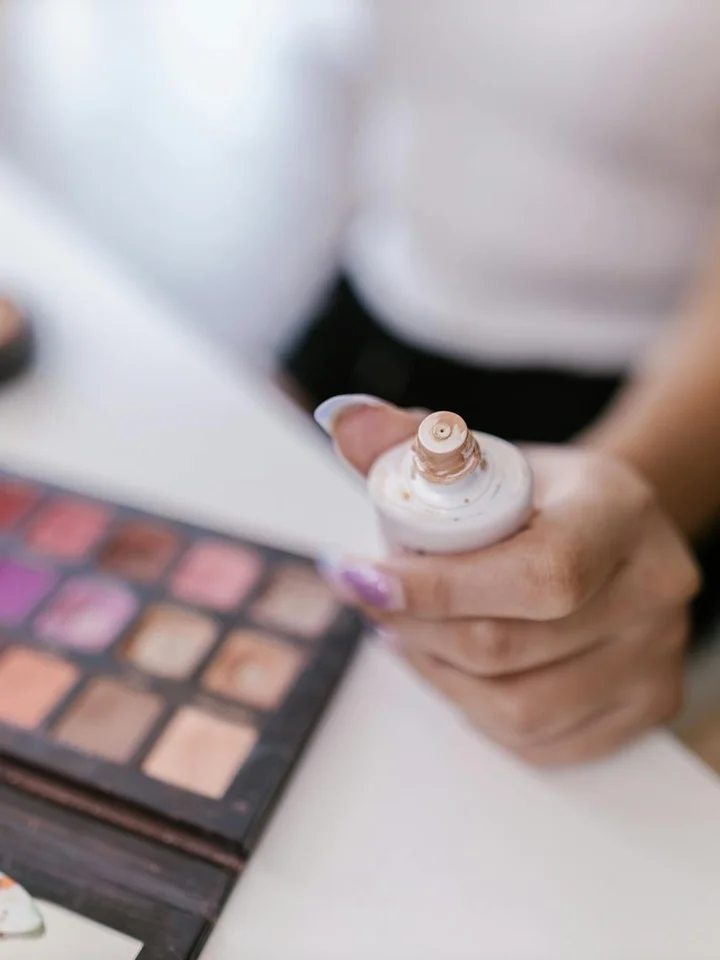
Choosing a non-comedogenic formula is half the battle. How you put it on and, more importantly, take it off, determines whether your pores stay clear. Even when you generate non-comedogenic face powder, improper removal can cause breakouts.
Applying Foundation Without the Clog
Think of your pores like little cups. The goal is to lightly layer foundation over them, not pack it in. Your tool changes the game.
- Clean Fingertips: Your body heat warms the product, helping it melt and blend. Use a light, patting and smoothing motion. This is great for creamier formulas and dry skin types like Noah’s, as it gives more control over pressure.
- A Damp Makeup Sponge: This is my top pick for most people. The slight bounce prevents you from dragging and pressing product into pores. Dampen it with water first-this helps the foundation sit on the skin’s surface. Lina, with her combination skin, finds this technique perfect for her oily T-zone.
- A Dense, Flat-Top Brush: Use a stippling or buffing motion (small, circular taps). Never scrub or drag. A brush can work well with powder or liquid formulas, but requires a lighter touch to avoid emphasizing texture.
No matter your tool, start with a small amount of product. You can always add more, but piling it on from the start is a sure way to create a heavy, pore-clogging mask.
The Rule You Cannot Skip
Here is the single most important piece of advice in this entire article. It applies to every foundation, every single day.
Complete, thorough removal is non-negotiable. Sleeping in foundation, even a “breathable” or “skin-care” one, is like asking for clogged pores, breakouts, and dull skin. Your skin repairs itself overnight. It can’t do that through a layer of makeup, pigments, and setting powder.
Gentle Double-Cleansing: The Gold Standard
One cleanse is rarely enough to dissolve long-wear foundation and sunscreen. Double cleansing is a gentle, two-step method that gets everything off without stripping your skin. It’s suitable for every skin type, even oily and acne-prone.
Step 1: The Oil-Based Cleanse
This might sound counterintuitive if you’re worried about clogged pores, but chemistry is on our side. Like dissolves like. An oil-based cleanser (a balm, milk, or pure oil) binds to the oils, waxes, and silicones in your makeup and sunscreen, dissolving them so they can be rinsed away.
- Apply the cleanser to dry skin with dry hands. Gently massage it over your entire face for about 60 seconds. This is the step that melts everything off.
- Add a little lukewarm water to emulsify the product-it will turn milky-then rinse thoroughly.
Step 2: The Water-Based Cleanse
Now, use your regular facial cleanser (a gel, cream, or foam). This step removes any remaining residue, sweat, and dirt, leaving your skin perfectly clean and ready for the rest of your routine.
For my client Maya, who is acne-prone, this method was a revelation. “I was so scared of oils,” she told me, “but using a light cleansing oil first actually made my skin feel cleaner and less irritated than when I used a harsh scrub.”
Troubleshooting: When Your Foundation Still Causes Issues
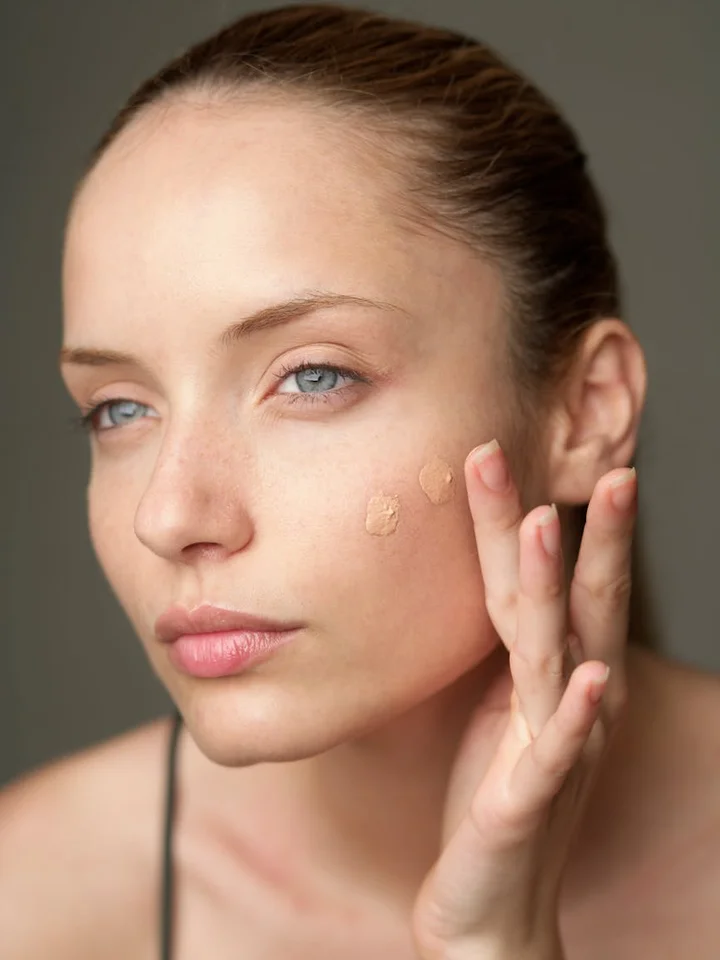
You found a foundation labeled non-comedogenic, you checked the ingredients, and you were hopeful. But a few days in, your skin is protesting. Before you declare the product a failure, let’s play detective. The culprit isn’t always the foundation itself. A quick patch test can reveal hidden comedogenic reactions and help you pinpoint the real irritant.
Clogged Pore or Angry Barrier? Spot the Difference
Your skin can react in two main ways, and knowing which is which changes your solution. Here’s how to tell them apart.
Signs it’s likely clogged pores (comedones):
- You feel small, rough bumps under the skin, especially along your jawline, cheeks, or forehead.
- You see tiny whiteheads or blackheads in areas where you applied the product.
- The issue develops slowly over days or weeks of consistent use.
Signs it’s likely barrier irritation or contact dermatitis:
- Your skin feels tight, itchy, or stings slightly upon application.
- You notice diffuse redness, dryness, or flakiness where the foundation sits.
- The reaction happens quickly, often within a few hours or after 1-2 uses.
Think of it like this: clogging is a traffic jam deep in the pore, while irritation is like the skin’s surface getting a rash. My client Noah, with his dry, reactive skin, often mistakes barrier irritation for “breaking out.” For him, a fragrance-free, soothing primer made all the difference.
Your Other Products Are Part of the Equation
Foundation doesn’t act alone. It sits on top of your entire skincare routine. A common misstep is pairing a heavy, occlusive moisturizer with a long-wear, silicone-based foundation.
This creates a sealed, thick layer that can trap everything underneath. It’s like wearing a raincoat over a winter coat-your skin can’t breathe. If your skin feels congested, try using a lighter, water-based serum or moisturizer underneath your foundation.
My client Maya, who is acne-prone, solved her foundation clogging by switching her rich nighttime moisturizer for a simple hyaluronic acid gel in her morning routine. The foundation applied smoothly and her pores stayed clear.
The Foolproof Test: Isolating the Variable
When in doubt, patch test. This simple protocol tells you if a product is the true problem.
- Choose your test site. The jawline, just below the cheekbone, is ideal. It’s sensitive and reacts similarly to your facial skin.
- Prep the area. Cleanse and apply your usual skincare products (moisturizer, sunscreen) as you normally would.
- Apply the foundation. Smooth a dime-sized amount only on the test patch. Do not apply it to the rest of your face.
- Wait and observe. Wear it for a full day. Check for any itching, redness, or new bumps over the next 24-48 hours.
- Repeat. Test the same product on the same patch for 3-5 days in a row. Some clogs or irritation take time to appear.
This method saved Lina from blaming a new foundation. The patch was clear, which led us to discover her new facial oil was the real pore-clogger when mixed with her makeup.
Building Your Shortlist: What to Look For On Your Next Shopping Trip
Let’s turn all that chemistry into a practical plan. Think of this as your field guide for the foundation aisle.
I give my clients, like Lina, a simple three-step filter to use before a product even touches their skin. It takes the guesswork out and puts you back in control.
- Scan the full ingredients list for the common pore-cloggers first, especially isopropyl myristate, isopropyl palmitate, and cocoa butter. If you see them in the top half of the list, put it back.
- Check the first five ingredients-they make up the bulk of the formula. Look for water, dimethicone, or glycerin here, not heavy oils or waxes.
- Prefer “fragrance-free” over “unscented.” This is Noah’s golden rule to avoid unnecessary irritation that can mimic clogging.
- Look for “non-comedogenic” or “oil-free” on the packaging as a helpful first signal, but never as a final guarantee. Your ingredient detective work is the true test.
- Choose liquid or serum foundations over heavy creams or sticks for daily wear. The lighter texture is often easier for pores to tolerate.
This checklist is your first defense. Your skin’s reaction is the final verdict. Trust is built with your skin over time, not with a label on a bottle. A foundation can pass every lab test and still not be right for your unique pore size, oil production, or lifestyle.
I remind Maya of this every time she tries a new product. She gets excited by a promising ingredient list, but we always pair that hope with a methodical test. Patch test on a small area of your jawline or cheek for a few days. Wear it for a full day. How does your skin feel when you wash it off? That direct feedback is more valuable than any marketing claim.
You are now equipped to be your own best judge. You understand the ingredients that often cause trouble and the textures that usually play nice. You have a clear, shortlist strategy. Finding a foundation that makes your skin look good and feel good isn’t about magic-it’s about mindful choices. Go find your match.
Your Non-Comedogenic Foundation Questions, Answered
Is “non-comedogenic” just a marketing term?
Yes, it’s primarily a marketing term, not a regulated guarantee. The true test is your skin’s reaction to the specific blend of ingredients in the formula.
What’s the safest way to test a new foundation?
Conduct a dedicated patch test on your jawline for 4-5 consecutive days. This reveals how your unique pores react before you commit to a full-face application.
Do my pores actually need to “breathe”?
Pores don’t breathe like lungs; they are openings for oil and sweat. A non-clogging foundation creates a breathable barrier that doesn’t block this essential function, preventing congestion.
Final Thoughts on Finding Your Perfect Foundation
Choosing a foundation that treats your skin kindly comes down to understanding ingredient chemistry, not just trusting a “non-comedogenic” label. Your best defense against clogged pores is a formula free of common pore-cloggers like certain silicones, heavy oils, and waxes, paired with a consistent double-cleansing routine at night.
- Always patch-test a new foundation on your jawline for several days before applying it to your entire face.
- Read the ingredient list, not just the marketing, and steer clear of known comedogenic ingredients like coconut oil, cocoa butter, and myristyl myristate.
- Commit to a thorough evening cleanse to remove every trace of makeup, allowing your skin to breathe and regenerate overnight.
- Listen to your skin; if you experience new congestion, reassess the product, no matter what its claims are.
I’m always here to help you navigate your skin care journey. If you have questions about a specific ingredient or product, I welcome you to follow along with our blog for more guidance. We’ll continue to break down the science behind clean, effective makeup and skin care that supports your skin’s long-term health.
Lucy Zimmerman
Lucy is an expert author and blogger when it comes to skin care and body care. She has first hand expertise acting as skin care consultant for over 5+ years helping her clients achieve smooth blemish free skin with natural and working remedies. She also has been an avid experimenter and tried out all the natural and artificial remedies and treatments so you can learn from her first hand experience. Additionally, she has traveled to many countries around the world and incorporated the skin care routines she has learnt into this blog. So, wait no more, reach out to Lucy if you have any specific needs and follow her blog, LuciDerma for expert skin care advice.