
How Tretinoin Cream Works for Clearer, Renewed Skin
You’ve probably heard tretinoin called a skin care powerhouse, but if you’re wondering how a single cream can tackle everything from wrinkles to breakouts, you’re not alone-let’s break down the science into practical steps you can understand.
By the end of this guide, you’ll know:
- The precise mechanism that makes tretinoin so effective for skin cell renewal.
- Its main clinical uses for acne and signs of aging, and why it works for both.
- What to realistically expect in your first weeks and months, including how to manage initial effects.
- How to build a supportive routine around tretinoin for the best possible results.
Think of me as your guide, sharing the same clear, step-by-step advice I give my clients in the treatment room.
What Exactly Is Tretinoin Cream?
Think of tretinoin as the serious, prescription-only sibling to the retinols you see on store shelves. It is a concentrated form of vitamin A (a retinoid) called all-trans retinoic acid. Because it’s so potent, you need a doctor or dermatologist to prescribe it for you.
Its main job is to normalize your skin cell turnover. When this cycle gets sluggish, you see the effects: clogged pores, dull texture, and fine lines. Tretinoin steps in to reset the pace.
It is critical to know that tretinoin is not a steroid. I mention this because clients like Noah, with his reactive skin, often worry about “topical steroid withdrawal,” a real concern with long-term steroid use. Tretinoin works on an entirely different principle-it communicates with your skin cells to encourage healthy renewal, it doesn’t suppress your immune system. Understanding tretinoin strengths, dosages, and potency helps tailor treatment to individual skin needs. In the next steps, we’ll consider how to select the right strength and formulation for continued use.
You might have heard of it under the old brand name Retin-A, but today we focus on the ingredient itself and what it does. Here’s a quick spec sheet on this powerful molecule.
| Chemical Name | All-trans retinoic acid |
| Typical pH | Varies by formulation (often balanced for stability) |
| Common Prescription Strengths | 0.025%, 0.05%, 0.1% |
| Solubility | Lipid-soluble (it mixes well with oils and creams) |
| Key Safety Note | Prescription-only and teratogenic (can cause birth defects). It is not safe to use during pregnancy or breastfeeding. |
How Tretinoin Works: Your Skin’s Renewal Cycle Explained
If your skin’s cell turnover was a traffic jam of old, sticky cells, tretinoin would be the traffic cop getting everything moving smoothly again. I like to call it a “cellular coach.” It doesn’t scrub or strip your skin. Instead, it goes deep to give your cells a gentle, firm nudge.
Here’s the simple version of the science: tretinoin binds to specific receptors inside your skin cells. This binding sends a signal that basically says, “Hey, let’s make newer, healthier cells and do it a bit faster.”
This instruction kickstarts several beautiful chain reactions right where it counts, in the lower layers of your skin.
- It tells your skin to make more collagen. Collagen is the protein scaffolding that keeps skin plump and firm. More collagen means fewer fine lines and improved elasticity.
- It unclogs pores from the inside out. By preventing dead skin cells from sticking together and clogging the pore’s opening, it helps keep the path clear for oil to flow out normally. This is why it’s so effective for acne.
- It helps even out pigmentation. It encourages a more orderly distribution of melanin (your skin’s pigment), which can fade the look of sun spots and post-acne marks over time.
This process is fundamentally different from using a physical scrub or a harsh acid. Those work on the very surface, sloughing off what’s already there. Tretinoin works beneath the surface to change the quality of the skin that’s coming up. It’s renewal, not just removal.
For someone like Maya with oily, acne-prone skin, this means fewer clogs and less inflammation. For someone like Lina dealing with combo skin and sensitivity, starting very slowly allows her to build tolerance and target texture without overwhelming her cheeks.
What Can Tretinoin Treat? Uses and Realistic Benefits
Think of tretinoin as a skilled communicator for your skin cells. It delivers a clear message that prompts them to behave differently. This one action leads to three major, evidence-backed improvements for your skin. Beyond signaling cells, tretinoin also interacts with the skin barrier by guiding how the outer skin renews and how lipids are organized. Over time, this can contribute to a more resilient barrier that helps protect against daily irritants and environmental stress.
1. Clearing Inflammatory Acne
If you, like my client Maya, deal with persistent red, painful bumps, tretinoin is a first-line defense. It tackles acne at the source. The cream works deep within the pore to prevent dead skin cells from clumping together and forming a plug. By keeping pores clear, it stops new pimples from forming and helps existing ones heal. It also calms the redness and swelling of inflammatory acne by modulating your skin’s response. You’re not just treating the pimple you see; you’re preventing the one brewing underneath.
2. Smoothing Fine Lines and Wrinkles (Photoaging)
This is where tretinoin earned its “gold standard” reputation. Sun exposure breaks down collagen and thickens the top layer of skin, leading to a leathery texture and fine lines. Tretinoin reverses this process. It tells your fibroblasts (your skin’s collagen factories) to get back to work. With consistent use, tretinoin thickens the deeper layers of your skin where collagen lives, which plumps up fine lines from within. It also refines the surface by speeding up the shedding of old, sun-damaged cells. The result is smoother, firmer skin with improved texture.
3. Fading Post-Inflammatory Hyperpigmentation
After a pimple heals, it can leave a flat, dark mark-a frustrating reminder long after the inflammation is gone. Tretinoin helps fade these marks, and it’s a common reason my clients with darker skin tones use it. The mechanism is straightforward: by accelerating your skin’s natural renewal cycle, it helps shed pigmented surface cells more quickly. It doesn’t bleach your skin; it encourages a more even, faster turnover to reveal clearer skin underneath. For deeper pigment, it’s often paired with other brightening agents, but it’s a powerful starter.
Setting Realistic Expectations
Tretinoin is a treatment, not a cure. For acne, you may need to use it long-term to manage the condition. For anti-aging benefits, the improvements are maintained only for as long as you use the product. If you stop, your skin will gradually return to its baseline. Think of it like exercise for your skin-the benefits require consistency.
Does Tretinoin Work for Everyone?
While highly effective for many, success depends on several factors. Your skin type matters. Those with naturally oily, resilient skin (like Maya) often adjust more easily. People with dry or sensitive skin (like Noah) must proceed with extreme caution, using a “slow and low” approach to avoid severe irritation.
The single biggest factor is your consistency and technique. Using too much too fast, skipping moisturizer, or neglecting sunscreen will lead to a bad experience. Underlying skin conditions like rosacea or severely compromised skin barriers may make tretinoin a poor fit. It’s a marathon, not a sprint, and your skin’s starting point determines your pacing. A conversation with a dermatologist can help you decide if it’s the right path for your specific skin story.
The “Tretinoin Uglies”: Common Side Effects and Smart Management
Let’s be real: starting tretinoin can feel like your skin is throwing a tantrum. My client Noah described his first two weeks as feeling like he had a mild sunburn on a windy day. This phase has a nickname for a reason-we call it the “retinization” period, and it’s almost a rite of passage. Your skin is quite literally learning how to behave differently.
You might notice dryness, some flaky patches, a bit of redness, or a tight sensation. For those prone to breakouts, an initial “purge” can happen where existing, lurking clogs come to the surface faster. Seeing these side effects is usually a sign the tretinoin is working to accelerate your skin’s renewal cycle, not a sign you’re allergic to it. These initial breakouts are just part of the process. Think of it like your skin is a busy construction zone; there’s going to be some dust and debris before you see the beautiful new structure.
Your Proactive Plan to Manage the Transition
You don’t have to just suffer through it. With a smart strategy, you can guide your skin through this renewal process much more comfortably. Here’s exactly how I coach my clients through it.
- Start slow, not strong. Begin by applying a pea-sized amount only 2 to 3 nights per week. Giving your skin days off in between is non-negotiable for building tolerance without overwhelming your barrier.
- Master the “Sandwich Method.” This is my favorite trick for sensitive skins like Noah’s. Apply a layer of a simple, soothing moisturizer on damp skin first. Wait 10-15 minutes for it to fully absorb. Then, apply your pea-sized amount of tretinoin. Finish with another light layer of that same moisturizer. The moisturizer acts as a buffer, diluting the intensity just enough.
- Disarm other irritants. While your skin is adjusting, put other potent actives (like AHAs, BHAs, or vitamin C) on hold. Avoid physical scrubs entirely-they will aggravate peeling skin. Your cleansing routine should be supremely gentle.
- Become a sunscreen fanatic. Tretinoin makes new, fragile skin cells rise to the surface. Sun exposure without protection will cause irritation and hyperpigmentation much more easily. This is the most important step in your entire routine.
Soothing Ingredients for Barrier Repair
Your goal during retinization is to support your skin barrier, the protective layer that keeps moisture in and irritants out. When choosing moisturizers and serums, look for these repair-focused ingredients.
Ceramides are the glue that holds your skin cells together, and tretinoin can temporarily deplete them. A moisturizer with ceramides helps replenish this crucial component of your skin’s natural defense system. Panthenol (provitamin B5) is a superstar hydrator that calms redness and itching-it’s like a cool drink of water for aggravated skin. I often recommend simple formulas with these to clients like Lina, who needs to calm sensitivity while treating other areas.
Remember, if peeling or redness is severe, painful, or lasts beyond the first 6-8 weeks, pause and check in with your prescribing clinician. Your journey should be manageable, not miserable. A small adjustment in frequency or formulation can make all the difference.
How to Apply Tretinoin Cream for Results Without the Rage
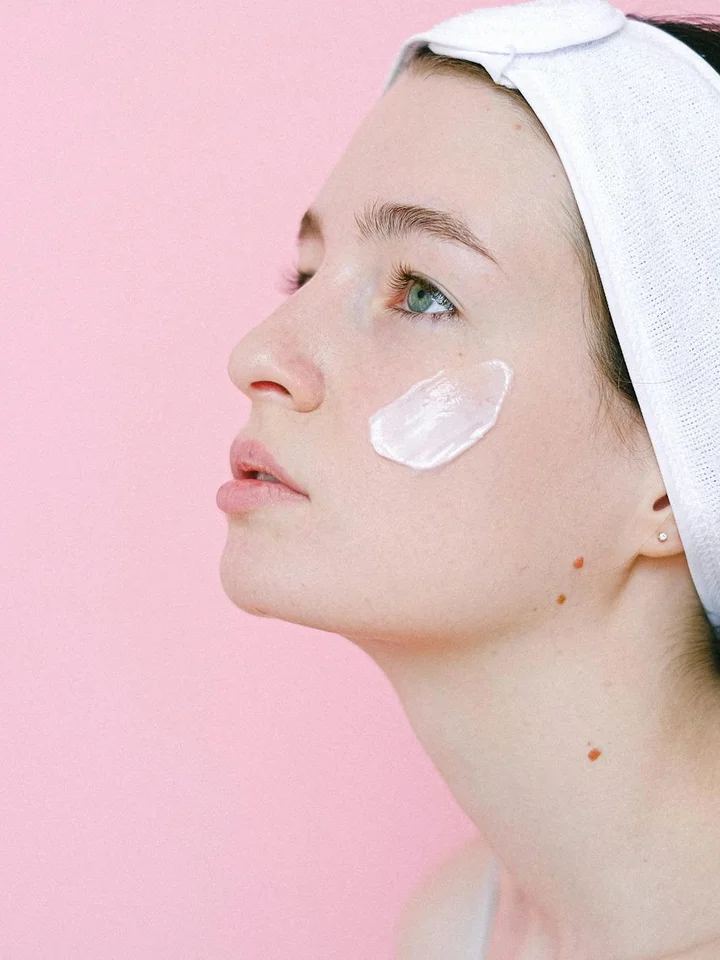
Think of tretinoin like a skilled but demanding trainer for your skin cells. The right technique gets you incredible results, but rushing in leads to painful setbacks. This is your playbook for applying it correctly.
My client Noah, with his dry, reactive skin, taught me the importance of this gentle approach. He once applied it right after cleansing, and the resulting redness and peeling set his progress back by weeks. We slowed down, followed these steps, and his skin adapted beautifully.
The Golden Rule Evening Routine
This routine is non-negotiable. Consistency and patience are your best friends here.
- Cleanse Gently: Use a mild, non-drying cleanser. Pat your face dry with a clean towel.
- The Critical Wait: Set a timer for 20-30 minutes. Your skin must be COMPLETELY dry-no hint of dampness. Applying tretinoin to damp skin drives it deeper, causing much more irritation.
- Apply a Pea-Sized Amount: Literally, one pea for your entire face. Dot it on your forehead, cheeks, nose, and chin, then gently smooth it over your skin. Avoid your eyelids, the skin directly under your eyes, your lips, and the corners of your nose and mouth.
- Follow with Moisturizer: Wait another few minutes, then apply your favorite moisturizer. This helps buffer any potential irritation and supports your skin barrier.
Using more cream will not speed up results; it will only increase your risk of redness, peeling, and discomfort.
Your Daylight Defense: Sun Protection
Tretinoin makes your new skin cells more vulnerable to sun damage. Sun protection isn’t just a good idea; it’s mandatory.
Apply a broad-spectrum SPF 30 or higher every single morning, even if it’s cloudy. I think of it as locking in tretinoin’s renewal work and protecting your fresh skin. Reapply every two hours if you’re outdoors.
Common Pitfalls to Avoid
Steering clear of these mistakes can mean the difference between glowing and glaring.
- Never Apply to Damp Skin: This is the most common error. Water increases penetration and irritation dramatically.
- Respect the Delicate Zones: The skin around your eyes and lips is thinner and more sensitive. Tretinoin can cause severe dryness and irritation here. Let your eye cream and lip balm handle those areas.
- Skip Harsh Companions: On your tretinoin nights, avoid other potent actives like physical scrubs, glycolic acid, or benzoyl peroxide in the same routine. Let tretinoin do its solo work.
Your Beginner’s Schedule: Start Low, Go Slow
Your skin needs time to build a tolerance. Rushing this process is where “tretinoin rage” – severe peeling and redness – comes from.
Start by applying tretinoin just two nights per week, like Monday and Thursday, for the first two to three weeks. Always sandwich it between your moisturizer steps if you’re very sensitive.
If your skin feels fine (just a little dry or flaky is normal), you can gradually add a third night. It often takes 6-8 weeks to comfortably use it every other night, and months before nightly use is tolerable. Listening to your skin’s feedback is more important than sticking to a rigid calendar. If irritation flares up, take a night or two off and focus on gentle moisturizing.
My client Maya, who is acne-prone, saw the best results when she treated tretinoin as a long-term partner, not a quick fix. She started slowly, and now her skin is clearer and smoother than ever.
How Long Until You See Results? Setting Realistic Timelines
When you start tretinoin, patience isn’t just a virtue, it’s part of the prescription. This is a marathon, not a sprint. Your skin is undergoing a fundamental renewal process, and that takes consistent, dedicated time.
Think of it like training for a race. You wouldn’t expect to run a marathon after one week of jogging. Your skin cells need weeks and months to learn a new, healthier turnover rhythm. Setting realistic expectations from the start is the best way to stay committed and see it through.
The Tretinoin Timeline: What to Expect and When
While everyone’s skin journey is unique, most people follow a general progression. Use this chart as a guide, not a guarantee.
| Phase & Timeline | What’s Happening | What You Might See & Feel |
| Weeks 1-8: The Adjustment | Retinization. Tretinoin is accelerating cellular turnover, bringing underlying clogs and imperfections to the surface. | Initial dryness, flaking, redness. For acne-prone skin, a “purge” of increased breakouts is common. This is a sign it’s working, not a rejection. |
| Months 3-6: The Turnaround | Your skin adapts. New, healthier skin cells are forming more regularly. Collagen production begins to ramp up. | Acne breakouts significantly decrease. Skin texture feels smoother, pores may appear refined. Post-acne marks (hyperpigmentation) start to fade. |
| Months 6 and Beyond: The Renewal | Collagen remodeling is underway. The skin’s foundation is becoming stronger and more resilient. | Noticeable improvement in fine lines and wrinkles. Skin tone is more even, with a healthy glow. Results continue to improve with consistent use. |
Consistency is the single most important factor for success with tretinoin. If you stop using it because of initial dryness or purging, your skin will revert, and you’ll have to restart the entire adjustment clock when you try again. Slow and steady application wins this race.
What Do “Results” Actually Look Like?
We often hope for dramatic, overnight transformations, but tretinoin’s magic is in the subtle, cumulative changes. It’s less about a before-and-after photo and more about how your skin feels day-to-day.
My client Noah, who started tretinoin for sun damage and fine lines, put it perfectly after five months: “I didn’t notice a specific wrinkle disappearing. I just realized one morning that my cheeks felt like polished stone, not sandpaper.”
Real results look like:
- Running your fingers over your skin and feeling a consistent smoothness, without rough patches or tiny bumps.
- Going weeks without a new painful, deep cyst, even during your cycle.
- Watching a dark post-acne spot gradually lighten over months until it blends in with your surrounding skin.
- Your foundation applying more evenly because your skin’s surface is flatter and more uniform.
These aren’t flashy changes, but they are profound indicators of healthier skin function.
Tretinoin is a long-term commitment to skin renewal, not a short-term fix. The initial phase can be challenging, but pushing through with a gentle, consistent routine is how you build the resilient, clear skin you’re working toward. Your future skin will thank you for the patience you show today.
Tretinoin Safety: Contraindications and Who Should Avoid It
As powerful as tretinoin is, it is not for everyone. Safety comes first. My job is to give you the full picture, so you can make an informed decision with your doctor.
Absolute Contraindications: When to Steer Clear
These are non-negotiable situations where you should not use tretinoin.
- Pregnancy and Breastfeeding: Tretinoin is a retinoid derived from vitamin A. High doses of oral vitamin A are known to cause birth defects. While the risk from topical application is considered low, it is not zero and is not worth taking. This also applies if you are actively trying to conceive.
- Breastfeeding: We don’t have enough data to confirm it’s safe for nursing infants, so it’s best avoided during this time as well.
If you are pregnant, breastfeeding, or planning to be, discuss alternative acne or anti-aging treatments with your dermatologist.
Critical Precautions: Non-Negotiable Rules for Use
If you and your doctor decide tretinoin is right for you, these rules are your foundation for safe, effective use.
- Do Not Apply to Broken Skin: Think of tretinoin as a signaler, telling your skin cells to renew. Applying it to cuts, scrapes, sunburns, or severe eczema patches is like shouting those signals into a megaphone at damaged skin. It will cause significant irritation and slow healing.
- Beware of Combination Treatments: Tretinoin makes your skin more sensitive. Using it alongside professional chemical peels, laser treatments, or other strong at-home exfoliants (like glycolic or salicylic acid washes) can lead to a raw, angry barrier. Space these treatments out and always tell your esthetician or derm you’re on tretinoin.
- Sunscreen is Mandatory, Not Optional: Tretinoin increases sun sensitivity. Using it without a daily broad-spectrum SPF 30 (or higher) is counterproductive. You’ll be working hard to renew your skin at night, only to have UV rays cause damage during the day. This also raises your risk of sunburn.
Daily sunscreen use is the most important partner to your tretinoin routine-it protects your investment and your skin’s health.
Proceed with Caution: Repair Before You Renew
Some skin conditions require a “pause and prep” approach. Tretinoin can be an irritant, and starting with an already compromised barrier is a recipe for discomfort. A lightweight moisturizer before and after tretinoin can help mend the barrier. Continuing hydration after use supports comfort and tolerance.
I advise extra caution if you have:
- Severe Eczema or Rosacea: The inflammation and fragility that come with these conditions mean your skin’s defenses are already down. Tretinoin can trigger major flares. For clients like Noah, who has reactive skin, we always spend 4-6 weeks focusing solely on barrier repair with ceramides and cholesterol before even discussing a retinoid.
- A Currently Compromised Skin Barrier: Does your skin sting when you apply moisturizer? Does it feel tight, look flaky, or appear red and rough? This is a sign your barrier is impaired. Adding tretinoin now will make it worse.
If your skin barrier is damaged, focus on healing it first with gentle, reparative products. You can’t build a strong house on a cracked foundation.
The Essential First Step: Professional Guidance
This is the most important point I can make. Tretinoin is a prescription medication for a reason.
A dermatologist or your prescribing doctor needs to evaluate your skin type, health history, and goals. They determine the right strength (0.025%, 0.05%, 0.1%) and can create a personalized plan to minimize the initial “retinization” period of peeling and redness. They will also screen for the contraindications we discussed.
Starting tretinoin without a professional consultation risks using the wrong strength, aggravating an undiagnosed condition, or missing a critical safety concern for your health. A doctor’s oversight is what transforms a potent molecule into a tailored, effective treatment.
Your Tretinoin Questions, Answered
How does tretinoin actually renew my skin on a cellular level?
Tretinoin works as a cellular communicator, binding to receptors within your skin cells to encourage healthier, faster turnover. This process increases collagen production, prevents pore clogging, and promotes a more even pigment distribution from the deeper layers up.
How long until I see real results, and what’s a realistic timeline?
Visible renewal is a marathon, not a sprint. Expect an initial adjustment phase of 6-8 weeks, with significant improvements in texture and clarity often appearing around the 3-6 month mark, and continued anti-aging benefits developing over 6 months of consistent use.
What is the most critical safety rule for using tretinoin?
The absolute rule is to consult a prescribing professional who can assess your skin and health history. They will provide crucial guidance on strength, contraindications like pregnancy, and a personalized plan to build tolerance safely and effectively.
Final Thoughts on Your Tretinoin Journey
Tretinoin is a powerful ally for skin renewal, but its success hinges on a simple, patient approach. Think of starting tretinoin not as a race, but as a thoughtful partnership with your skin, where consistency and gentle care lead to lasting results.
- Start slowly, using it just 2-3 nights a week to build tolerance.
- Sunscreen is non-negotiable every single morning to protect your renewing skin.
- Always follow tretinoin with a calming, fragrance-free moisturizer to support your barrier.
- If your skin feels raw or stings, take a night off to let it recover.
- Trust the process-visible renewal often takes a full 3-6 months of steady use.
For more guidance tailored to your skin’s unique story, follow the blog here at {website_name}. I’m here to help you navigate your routine with evidence-based, compassionate advice. Send your questions anytime; whether you’re navigating purging like Maya, seeking barrier support like Noah, or balancing combination skin like Lina, you’ve got a trusted resource in your corner.
Lucy Zimmerman
Lucy is an expert author and blogger when it comes to skin care and body care. She has first hand expertise acting as skin care consultant for over 5+ years helping her clients achieve smooth blemish free skin with natural and working remedies. She also has been an avid experimenter and tried out all the natural and artificial remedies and treatments so you can learn from her first hand experience. Additionally, she has traveled to many countries around the world and incorporated the skin care routines she has learnt into this blog. So, wait no more, reach out to Lucy if you have any specific needs and follow her blog, LuciDerma for expert skin care advice.