
Brightening Without Irritation: How to Combine Alpha Arbutin, Hydroquinone, and Peptides for Hyperpigmentation
You’re eyeing those potent brighteners and wondering if mixing them will finally fade those dark spots without a side of redness. I get this question all the time from clients like Lina, who want results without the reaction.
- You will see exactly how alpha arbutin, hydroquinone, and peptides each tackle hyperpigmentation, so you understand why you might layer them.
- You will learn a step-by-step, safe method for combining these ingredients, designed to protect your skin barrier.
- You will know how to adjust your routine based on your skin’s sensitivity, helping you avoid common pitfalls.
Let’s build a routine that targets discoloration as thoughtfully as it cares for your skin.
Understanding Your Hyperpigmentation and the Ingredients
Think of a dark spot as your skin’s memory. After a pimple heals, a sunburn fades, or irritation calms down, your skin cells can sometimes “remember” that trauma and produce extra melanin, the pigment that gives skin its color. This leftover pigment gets stuck near the surface, creating those stubborn marks we call hyperpigmentation.
To gently erase that memory, you can work with a focused team of ingredients. Picture Alpha Arbutin as the patient, gentle brightener, Hydroquinone as the targeted powerhouse for tough spots, and Peptides as the essential support crew that helps keep your skin strong and resilient during the process.
Alpha Arbutin: The Gentle Regulator
Derived from bearberry plants, alpha arbutin is a gentle giant. It works by slowly releasing a molecule that gently tells your melanin-producing cells to quiet down. It’s like turning the volume knob on pigment production down a little bit, every day. Because it works gradually and is generally well-tolerated, alpha arbutin is a fantastic option for long-term, maintenance-focused fading of sun spots or post-acne marks—especially for those seeking skin-brightening benefits without harsh ingredients. My client Maya, who deals with dark marks after breakouts, found it was gentle enough to use daily without upsetting her acne-prone skin.
Hydroquinone: The Targeted Powerhouse
Hydroquinone is the most direct ingredient for inhibiting pigment. It works by temporarily blocking an enzyme called tyrosinase, which is essential for making melanin. Think of it as putting melanin production on a very effective “pause.” This potent action makes it a gold-standard prescription treatment, but it’s meant for short-term, targeted use under guidance, typically for 3-4 months at a time, to avoid potential side effects. It’s a tool I might discuss with a client like Noah for a specific, stubborn patch of melasma, with a clear plan for what comes after.
Peptides: The Skin’s Support System
Peptides are short chains of amino acids, the building blocks of proteins like collagen. They act as messengers, signaling your skin to repair itself, maintain firmness, and support its natural barrier. While peptides don’t directly lighten dark spots, they are crucial for maintaining healthy, resilient skin that can better handle other targeted treatments and heal more evenly. For searches like “can I use alpha arbutin with copper peptides,” the answer is a supportive yes. Copper peptides are excellent for wound healing and antioxidant support, making them a safe, complimentary partner to your brightening actives, not a conflicting one. A copper peptide and vitamin C combination is commonly explored for enhanced antioxidant protection and support for collagen and brightness. This pair often appears in discussions about synergistic brightening and skin resilience.
The Combination Matrix: What Works, What Doesn’t, and Why
So, can you actually use alpha arbutin and hydroquinone together? The nuanced answer is yes, but with a strategic plan. They are often used in sequence rather than slathered on together at the exact same moment. A common approach is to use hydroquinone for a focused period on a specific dark area, then transition to alpha arbutin for gentler, long-term maintenance to help keep results.
Safe Synergies: The Supportive Pairings
Think of peptides as the supportive base layer. A peptide serum or moisturizer can be used alongside either alpha arbutin or hydroquinone. Applying a peptide serum first can help fortify your skin barrier, creating a more resilient canvas for your targeted brightening treatment that follows. This is a strategy I recommend to someone like Lina, whose combination skin needs both targeted treatment and overall calming support.
Red Flags: What to Keep Separate
When using potent actives like these, your main goal is to avoid a riot of irritation. Do not layer this brightening trio with other potent actives like prescription retinoids or high-percentage AHAs/BHAs in the same routine, as this can severely compromise your skin barrier. Use them on alternate nights. Furthermore, never mix pure hydroquinone with unstable forms of Vitamin C (like L-ascorbic acid) in the same bottle or application, as they can deactivate each other and cause unwanted skin staining. Always patch test new combinations and consult a dermatologist for a personalized plan.
Building Your Safe and Effective Routine

Think of your skin as a canvas. You want to apply your products in an order that lets each one do its job without interfering with the next. The golden rule is simple: thinnest to thickest. Water-based serums go on first, followed by creams and oils.
Apply your peptide serum first, as it is typically a lightweight, water-based formula designed to sink in quickly and signal your skin to repair itself. After it dries, you can follow with your treatment serum (alpha arbutin or hydroquinone). If both serums are very similar in texture, a quick 60-second wait between layers helps prevent pilling and ensures absorption.
The Morning Protocol: Protect and Support
Your morning focus is on defense and hydration. Peptides are fantastic here for ongoing skin support, and if your skin tolerates it well, alpha arbutin can work during the day. Sunscreen is non-negotiable.
- Gentle Cleanser: Use a lukewarm water rinse or a mild, sulfate-free cleanser.
- Peptide Serum: Apply to slightly damp skin. Pat it gently over your face and neck.
- Alpha Arbutin Serum (Optional AM): If your formula is stable and not photosensitizing, apply it now. Wait a minute for it to set.
- Moisturizer: A simple, hydrating lotion or cream to lock everything in.
- Mineral Sunscreen (SPF 30+): This is your most critical step. A zinc oxide sunscreen physically blocks rays that can worsen dark spots.
The Evening Protocol: Treat and Repair
Nighttime is for treatment and recovery. This is when I typically recommend using hydroquinone, if prescribed, as your skin can focus on repair without daytime stressors.
- Double Cleanse: Start with an oil or balm to dissolve sunscreen and makeup, then follow with your gentle water-based cleanser.
- Peptide Serum: Your first layer after cleansing, applied to clean, patted-dry skin.
- Treatment Step: This is where you apply your active treatment. Do not use hydroquinone and alpha arbutin on the same night.
- Barrier-Supporting Moisturizer: Finish with a comforting cream that contains ceramides or fatty acids to support your skin’s protective layer overnight.
A sample rotation for using both actives could look like this: Monday (Hydroquinone), Tuesday (Alpha Arbutin), Wednesday (Hydroquinone), Thursday (Alpha Arbutin). This gives your skin a break from the more potent ingredient while still consistently addressing pigmentation. Listen to your skin; if it feels sensitive, add a “rest night” with just peptides and moisturizer.
Contraindications & Safety: When Not to Try This Combo
Combining active ingredients is a powerful strategy, but it’s not for everyone or every situation. Your skin’s health is the priority.
Do not attempt this combination if you are pregnant, breastfeeding, or have actively inflamed, broken, or sunburned skin. Also pause if your moisture barrier is compromised-you’ll know if your skin feels tight, stings with most products, or looks overly shiny and parched.
For my clients with reactive skin, like Noah, I advise extreme caution. His skin thrives on simplicity. If you have a sensitive or reactive skin type, introduce one ingredient at a time, waiting a full two weeks before adding another. Start with the gentlest option, like a peptide serum, and assess tolerance.
Hydroquinone demands particular respect. It is not meant for indefinite, daily use. The standard guidance is to use hydroquinone in cycles, such as three months on followed by three months off, to minimize risks and give your skin a reset. Always follow the specific instructions from your prescribing clinician or dermatologist.
Alternative Paths to a More Even Tone
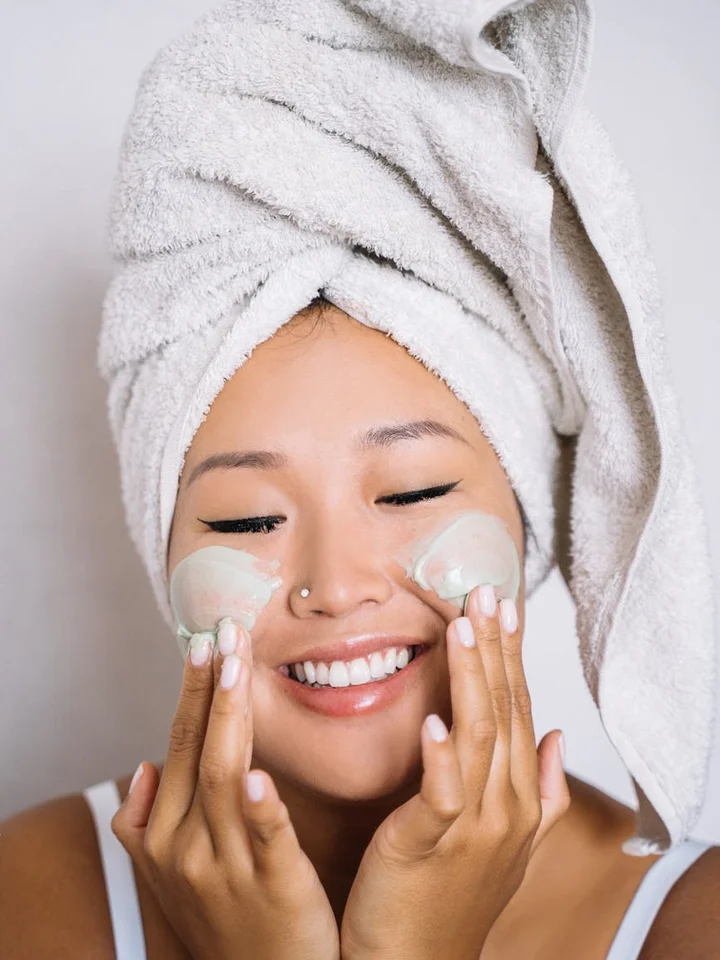
Combining alpha arbutin, hydroquinone, and peptides is a powerful strategy, but it’s not a universal fit. My client Noah, with his dry, reactive skin, reminds me that potent formulas can sometimes trigger irritation, setting back your goals. If your skin is sensitive, prone to redness, or you simply prefer a gentler journey, excellent options like alpha arbutin products exist.
Soothing Solo Actives for Sensitive Skin
Targeting hyperpigmentation doesn’t require a multi-ingredient assault. Single ingredients can be remarkably effective when used consistently.
Azelaic Acid is a dual-action hero that calms inflammation while gradually fading discoloration. It’s particularly kind to skin that flares with acne or rosacea, making it a smart choice for post-inflammatory marks and redness associated with rosacea.
Tranexamic Acid works by blocking the pathways that signal pigment production, much like turning down a dimmer switch on discoloration. It’s a standout for addressing hormonal melasma and sun spots without typical lightening agent irritation, especially when used as part of a targeted approach to treat hyperpigmentation and melasma.
Licorice Root Extract offers a gentle, plant-derived approach with its active compound, glabridin, quietly inhibiting pigment formation. It’s a superb supporting player or a standalone for maintaining an even tone with minimal risk of upset.
Begin with a Simpler Partnership: Alpha Arbutin and Peptides
For many, the perfect starting point is pairing alpha arbutin with peptides. This duo allows you to target pigment directly while reinforcing your skin’s barrier and repair processes, a foundation-first approach I often recommend.
Consider this simple evening routine, perfect for someone like Lina who wants to address tone without overwhelming her combination skin:
- Cleanse with a gentle, sulfate-free formula to remove impurities without stripping.
- Apply a serum containing 2% alpha arbutin to slightly damp skin, focusing on areas of concern.
- Follow with a peptide-rich moisturizer to hydrate and support your skin’s natural recovery overnight.
Give this routine at least two months of consistent use before evaluating its impact on your skin. Always perform a patch test behind your ear or on your inner arm for a few days before full-face application.
The Non-Negotiable Step in Every Plan
Any conversation about fading dark spots is incomplete without mentioning sun protection. Daily use of a broad-spectrum SPF 30 or higher sunscreen is the most critical action you can take to prevent new pigmentation and shield your fading progress. Think of it as the essential roof over your repair work; without it, rain will always find a way in.
Your Quick-Reference Questions on Combining Brighteners
What’s the main benefit of combining these three?
The core benefit is a balanced approach: hydroquinone and alpha arbutin target pigment production directly, while peptides strengthen your skin’s barrier to better tolerate the treatment and heal more evenly. This thoughtful combination aims for effective brightening while actively supporting skin health.
What’s the biggest risk to avoid?
The primary risk is overloading your skin, leading to barrier damage and irritation. To avoid this, never layer this combination with other potent actives like high-strength retinoids or acids in the same routine, and always cycle hydroquinone as directed.
What’s the simplest way to apply them together?
Apply a peptide serum first on clean skin to fortify your barrier. After it absorbs, follow with your treatment serum-either alpha arbutin or hydroquinone, but not both simultaneously on the same night.
Moving Forward with Your Pigmentation Journey
The most reliable path to clearer skin is a focused one. I always advise my clients to introduce one new active ingredient at a time and to seek professional guidance before combining potent formulas like hydroquinone with other treatments.
- Always consult a dermatologist or esthetician before using hydroquinone, especially with other actives.
- Start with a simple, effective duo like alpha arbutin and peptides to support your skin barrier while fading marks.
- Patch-test every new product for several days on a small area of your jawline or inner arm.
- Consistency with a gentle, protective routine is more powerful than using a complex cocktail of ingredients.
For more straightforward guidance on ingredients and routines, follow along right here on the blog. If you have a specific question about your hyperpigmentation, I welcome you to reach out. Your skin’s story is unique, and finding the right chapter for brightening takes patience and care. Specifically for post-inflammatory hyperpigmentation, a gentle brightening routine can help fade spots while supporting healing. I’ll outline practical steps for tailoring this routine in the next steps.
Further Reading & Sources
- What is Alpha-Arbutin? | Paula’s Choice
- 3 Alpha Arbutin Benefits & Functions For Skin | Naturium
- α-Arbutin – Wikipedia
- Alpha Arbutin 2% + HA Brightening Serum for Uneven Skin
- Arbutin as a Skin Depigmenting Agent with Antimelanogenic and Antioxidant Properties – PMC
- Alpha Arbutin for Skin: What It Is, How It Works From Expert
- Decoding Skin Brightening Ingredients: Alpha Arbutin vs. Hydroquinone – Mitchell Brands
Lucy Zimmerman
Lucy is an expert author and blogger when it comes to skin care and body care. She has first hand expertise acting as skin care consultant for over 5+ years helping her clients achieve smooth blemish free skin with natural and working remedies. She also has been an avid experimenter and tried out all the natural and artificial remedies and treatments so you can learn from her first hand experience. Additionally, she has traveled to many countries around the world and incorporated the skin care routines she has learnt into this blog. So, wait no more, reach out to Lucy if you have any specific needs and follow her blog, LuciDerma for expert skin care advice.