
Azelaic Acid for Rosacea: How It Calms Redness and Smooths Bumps
If rosacea has your skin feeling hot, looking flushed, and sprouting bumps, you’re right to seek a gentle solution. As an esthetician, I’ve seen clients like Noah find real relief with azelaic acid, and I’ll break down how it works for you.
By the end of this guide, you’ll be empowered to:
- Understand how azelaic acid quiets inflammation and evens out skin texture at the source.
- See why it’s a trusted, gentle choice for sensitive, reactive skin like yours.
- Confidently add it to your routine with simple, step-by-step advice.
You have the power to soothe your skin and feel more confident every day.
Understanding Your Skin: The Science of Rosacea Flare-Ups
Think of rosacea-prone skin as having a very sensitive, highly tuned alarm system. It’s a chronic condition where your facial skin is more reactive, leading to persistent redness, small visible blood vessels, and a bumpy texture that can feel rough or look like acne. The redness isn’t a temporary blush, it’s inflammation that has decided to stick around. Understanding this is crucial when formulating skincare for rosacea-prone skin.
For skin like my client Noah’s, this alarm system goes off easily. Common triggers don’t create a new problem, they simply tip the scale for skin that’s already on high alert. Imagine your skin’s calm state as a balanced scale.
- Heat (from sun, hot drinks, or weather) adds weight to one side.
- Spicy foods or alcohol adds another weight.
- Emotional stress or a harsh skincare product adds more.
Eventually, the scale tips, and that’s a flare-up: more redness, more bumps, more discomfort. Noah once described a flare after a windy walk and a bowl of chili as feeling like his skin was “vibrating.”
The core goals for managing this are straightforward. We aim to calm the existing inflammation, smooth the bumpy texture by clearing debris from pores, and most importantly, fortify the skin’s barrier. A stronger barrier is like giving that sensitive alarm system better insulation, so everyday life doesn’t set it off as easily.
For someone like Noah with dry, reactive skin, the challenge is finding treatments that calm without stripping, and soothe without irritating. Many common acne fighters are too harsh, and rich creams meant for dryness can sometimes feel suffocating on inflamed skin. This delicate balance is exactly where a specific ingredient shines.
Meet Azelaic Acid: Your Calm, Multi-Tasking Molecule
Let’s clear something up right away: azelaic acid is not a scary chemical peel. It’s a naturally occurring acid found in grains like barley, rye, and wheat. Your body even makes small amounts of it on its own. In skincare, we use a gentle, synthesized version that’s remarkably smart in how it works.
Here’s a quick spec sheet to understand what you’re working with:
| Property | The Details |
| Common Concentration | 10% (over-the-counter) to 15-20% (prescription). |
| Typical pH | Around 4.5 – 5.0, which is skin-friendly and helps maintain your barrier. |
| Solubility | It’s not very water-soluble, which is why many formulas are creams or gels that help it stay on your skin to work. |
| Safety Profile | Excellent for sensitive, rosacea-prone skin. It’s pregnancy-safe and often well-tolerated where other acids are not. |
I need to address a common myth I hear in my practice. Azelaic acid is not a steroid, and it does not contain steroids. It works through entirely different mechanisms, which is great news because it means you can use it safely long-term without the concerns associated with topical steroids.
This positions it as a gentler, yet powerful, alternative for skin that can’t handle retinoids or high-strength acids like salicylic or glycolic. Think of it as a precise traffic controller for your skin. While retinoids are like a major city renovation project (highly effective but potentially disruptive), azelaic acid is more like a skilled officer directing traffic flow. It reduces redness by calming inflammatory messengers, it smooths bumps by gently exfoliating inside the pore and fighting acne-causing bacteria, and it helps even skin tone-all without typically causing the irritation, peeling, or dryness that other actives might.
For Noah, incorporating a 10% azelaic acid serum was a turning point. It addressed the tiny, rough bumps on his cheeks without making his dryness worse, and slowly, the background redness began to recede. It became a reliable peacekeeper in his routine.
How Azelaic Acid Tames the Redness: A Calming Action Plan
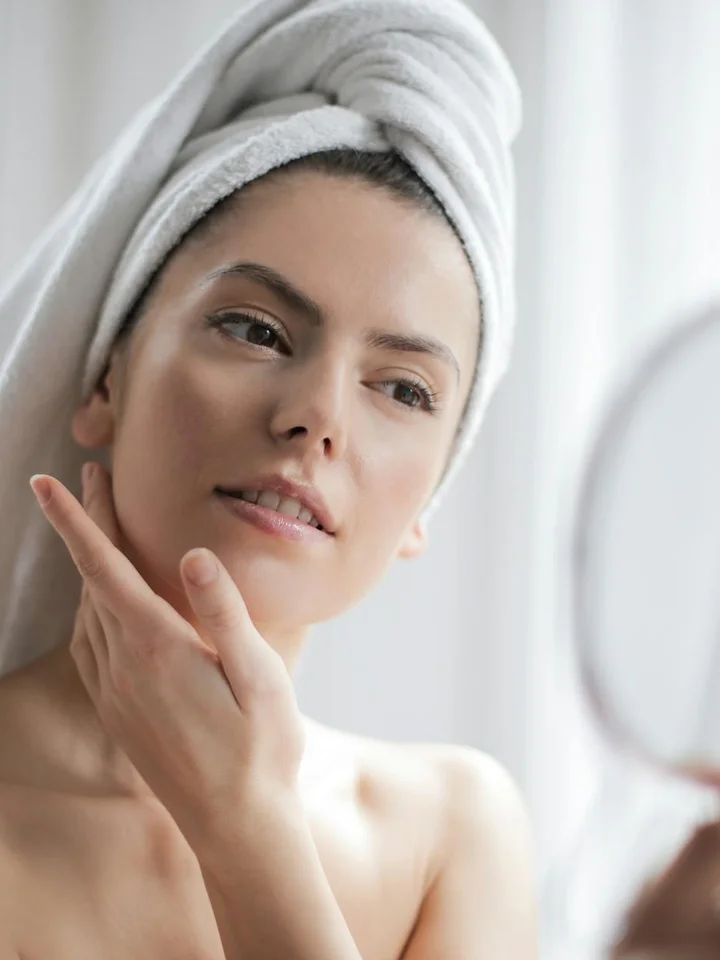
Think of rosacea-prone skin as having a hypersensitive alarm system. Triggers like heat, spice, or stress can set it off, causing blood vessels to dilate and inflammatory cells to rush to the scene. That’s the redness and swelling you see. Some botanicals, such as mugwort, can aggravate rosacea sensitivity in some people, while centella is often explored for calming effects on irritated skin. Knowing how these ingredients interact with rosacea-prone skin can help you choose products more safely.
Azelaic acid works by quietly walking over and turning down the volume on that alarm. It doesn’t shut it off completely-that’s not how sensitive skin works-but it helps your skin stop overreacting to every little trigger. For my client Noah, who has dry, reactive skin, this calming effect meant he could finally use an active ingredient without his cheeks flushing in protest.
Quieting the Inflammatory Messengers
When your skin is inflamed, it sends out distress signals called cytokines. These are like urgent text messages that tell more immune cells to rush to the area, which leads to more redness and those annoying, tender bumps.
Azelaic acid intercepts these messages. It reduces the production of key inflammatory cytokines, effectively telling your skin, “We’ve got enough help here, you can stand down.” This is a core reason it’s so effective for the papules and pustules of rosacea. It addresses the root cause, not just the visible symptom.
By dialing down these inflammatory signals, azelaic acid helps prevent the cycle of redness and swelling before it can gain momentum.
Neutralizing Free Radicals
Inflammation generates unstable molecules called free radicals. You can think of them like tiny sparks that cause more cellular damage and further irritate your skin barrier. This damage amplifies redness and can lead to post-inflammatory discoloration.
Azelaic acid is a capable antioxidant, meaning it helps neutralize these free radical “sparks.” This protective action supports your skin’s natural repair processes and prevents the inflammation from causing additional harm. It’s like having a built-in fire extinguisher while you’re putting out the main blaze.
The Sunscreen Question: A Crucial Clarification
Let’s clear up a common point of confusion. Unlike some acne or anti-aging ingredients (like retinoids or certain acids), azelaic acid is not typically a significant photosensitizer. It doesn’t make your skin inherently more vulnerable to sun damage on its own.
However, sunscreen is absolutely non-negotiable for rosacea-prone skin. UV radiation is a major trigger for flare-ups and can worsen redness and broken capillaries. Sunscreen protects your calming progress. Think of it this way: azelaic acid is calming the fire inside, and sunscreen is putting up a shield against new sparks from the outside.
Always apply a broad-spectrum SPF 30 or higher every morning as the final, non-negotiable step in your routine. For skin like Noah’s, I recommend mineral (zinc oxide) formulas, which are often less irritating.
Putting It Into Practice
To see these benefits, consistency is key. Here’s a simple way to start:
- After cleansing and toning, apply a pea-sized amount of azelaic acid product to your entire face or just affected areas.
- Let it absorb fully for a minute or two.
- Follow with your moisturizer to lock in hydration and support your skin barrier.
- Finish with your sunscreen every morning.
You might feel a mild, transient tingling during the first few uses-this is common. A true burning or itchy sensation means you should rinse it off and try less frequent application, like every other night. Performing a patch test behind your ear for a few nights before full-face use is the smartest way to introduce any new active.
How Azelaic Acid Smooths the Bumps: Clearing the Path
If you picture a rosacea bump as a tiny traffic jam under your skin, azelaic acid is the expert traffic controller. It works on two main fronts to clear the congestion: by gently speeding up skin cell turnover and by calming the microbial activity that can worsen inflammation.
1. The Gentle Exfoliator: Ungluing Dead Skin Cells
Azelaic acid is a keratolytic. This simply means it helps break apart the bonds (think of them as a weak glue) that hold dead skin cells together on the surface and inside your pores. When these cells shed too slowly, they can pile up and mix with oil, creating the perfect plug for a bump or papule. By encouraging a more regular, gentle shedding process, azelaic acid helps keep the pathway of your pore clear, preventing the initial clog that leads to those rough, bumpy patches. This action is subtle-not a tingly, peeling exfoliation-which is why it’s often well-tolerated by sensitive, rosacea-prone skin like Noah’s.
2. The Soothing Antimicrobial: Calming Bacterial Triggers
While rosacea is an inflammatory condition (not an infection), research shows that certain microbes on the skin, like Demodex mites and their associated bacteria, can trigger or worsen the immune response. Azelaic acid has a documented antimicrobial and anti-inflammatory effect against these triggers. It doesn’t strip your skin’s ecosystem, but it helps reduce the population of irritants that can fuel the redness and bumpy texture you see. This one-two punch of exfoliation and antimicrobial action makes it uniquely suited for treating rosacea’s papulopustular symptoms. Additionally, for those concerned with acne and post-inflammatory hyperpigmentation, salicylic acid is another well-known option that aids exfoliation and clearer pores. Pairing azelaic acid and salicylic acid can help address pigment changes and inflammation while staying mindful of rosacea-prone skin.
What This Means for Acne and Scarring
This same mechanism is exactly why azelaic acid is a brilliant choice for many dealing with acne. It addresses the core issues: clogged pores and bacteria (C. acnes). So, does azelaic acid help with acne? Absolutely. It’s a proven, gentle fighter for mild to moderate breakouts, especially for those with sensitive skin who find stronger ingredients like benzoyl peroxide too harsh.
And for acne scars, specifically textured or pitted scars? The answer is more nuanced. Azelaic acid will not “fill in” deep scars. Where it excels is in smoothing the skin’s surface texture by preventing new clogged pores and by subtly refining skin cell turnover over time. This can make existing shallow scars and post-inflammatory hyperpigmentation appear less noticeable, giving the skin a more even, polished canvas. For someone like Maya, managing both active acne and the marks it leaves, this dual benefit is a huge win.
A Note on Perioral Dermatitis
While you should always see a clinician for a proper diagnosis, azelaic acid is sometimes recommended as a supportive treatment for perioral dermatitis. This condition presents with small, red bumps and irritation around the mouth, nose, and eyes. Given its anti-inflammatory and antimicrobial properties-and because it’s generally non-irritating when formulated well-azelaic acid can help calm the bumps without aggravating the sensitive area, much like it does for rosacea. As with any new treatment for a reactive condition, patch testing behind the ear for a week is a non-negotiable first step.
Your Gentle Integration Guide: Routines for Rosacea-Prone Skin
Think of introducing azelaic acid like meeting a new friend. You start with a short, polite conversation to see how you get along before planning a long weekend together. Your skin needs the same courtesy.
Here is a simple, stabilizing routine that incorporates azelaic acid. This plan is perfect for someone like my client Noah, who has reactive skin and needs a predictable, soothing schedule.
A Sample Soothing Schedule
Morning Routine (Focus on Protection)
- Cleanse with a gentle, non-foaming cream or milky wash. Pat your face dry with a clean towel.
- Apply a calming, alcohol-free toner or a hydrating serum with ingredients like glycerin or centella.
- Wait 60 seconds for your skin to dry completely. This is critical. Applying azelaic acid to damp skin can increase tingling.
- Take a pea-sized amount of azelaic acid cream or gel. Dot it on your cheeks, forehead, and chin, then gently smooth it over your entire face.
- Follow with a fragrance-free moisturizer to lock in hydration and support your skin barrier.
- Finish with a mineral sunscreen (SPF 30 or higher). This is non-negotiable for protecting rosacea-prone skin.
Evening Routine (Focus on Treatment)
- Double cleanse if you wore sunscreen or makeup. Start with an oil or balm, then use your gentle morning cleanser.
- Pat skin dry and wait for it to be fully dry. You can apply your azelaic acid treatment now.
- If your skin feels sensitive, you can use the “buffering” method. Apply your moisturizer first, wait 10 minutes, then apply azelaic acid.
- Seal everything in with a richer, barrier-repair moisturizer.
Azelaic acid is a multitasker, but it’s not an instant fix. Most people see a noticeable reduction in bumps and background redness within 4 to 8 weeks of consistent use. The initial flushing might calm down faster, while clearing stubborn bumps takes more time. Patience is your most important product here.
Choosing Your Concentration: OTC vs. Prescription
You can find azelaic acid in two main forms. The right one for you depends on your skin’s needs and access to a dermatologist.
- Over-the-Counter (10%): This is a fantastic starting point. It’s effective for managing mild to moderate redness, occasional bumps, and general skin brightening. It’s widely available and perfect for building tolerance.
- Prescription (15% or 20%): A dermatologist may prescribe this for more persistent inflammatory bumps (papules and pustules) or stubborn redness. The higher concentration packs a stronger anti-inflammatory punch. You should never start with a prescription strength without medical guidance.
How to Start Without the Sting
Your skin might feel a warm, itchy, or tingling sensation during the first few uses. This is common and usually fades within 20 minutes. To minimize this, follow a ramp-up plan.
- Weeks 1 & 2: Apply azelaic acid 2 to 3 times per week, in the evening only.
- Weeks 3 & 4: If your skin feels fine, increase to every other evening.
- Week 5+: If tolerated well, you can progress to using it every evening. Some people with resilient skin can eventually use it both morning and night.
Listen to your skin. If redness or irritation flares, take a step back. Skip a night and focus on moisturizing. It’s not a race.
Where It Fits in the Lineup
Application order matters for comfort and effectiveness. Always apply your azelaic acid treatment to completely dry skin, after your toner or hydrating serum, but before your moisturizer and sunscreen. This allows it to work directly on the skin without a heavy cream blocking it. Think of your hydrating serum as a sip of water for your skin and the azelaic acid as the active treatment. The moisturizer that follows is like a protective blanket, sealing everything in.
Molecule Spec Sheet: Azelaic Acid at a Glance
| Property | Detail |
|---|---|
| Typical pH | ~4.5 – 5.5 (skin-friendly) |
| Common Concentrations | 10% (OTC), 15% & 20% (Rx) |
| Solubility | Poor in water, formulated in creams or gels |
| Safety Profile | Generally well-tolerated, Pregnancy Category B |
A skin-friendly pH means it’s less likely to disrupt your barrier. Its poor water solubility is why you find it in creamy or gel formulas, not as a liquid. The Pregnancy Category B rating means it’s considered a lower-risk option during pregnancy, but you should always consult your doctor before using any new treatment. Before adding any new active to your full face, do a patch test behind your ear or on your inner arm for 3-5 days.
Contraindications & Safety: When to Pause or Proceed with Caution
Azelaic acid is remarkably gentle for most, but it’s not a universal starter. Think of it like a targeted repair crew. You wouldn’t send them into a house that’s actively on fire or with major structural damage.
You should avoid azelaic acid or consult your doctor first if you have broken skin (like cuts or scrapes), active weeping eczema, or a known allergy to it. Applying it to compromised skin is asking for a world of stinging. A dermatologist can help you heal the acute issue first and then safely introduce the acid later.
The “Purge” Versus True Irritation
Here’s a common hiccup. In the first few weeks, you might see more small bumps. This is often a “purge,” not a bad reaction. Azelaic acid speeds up skin cell turnover deep in the pore, pushing existing clogs to the surface faster.
Imagine your pores are like slightly clogged kitchen drawers. Azelaic acid is the organizer who comes in, pulls everything out, and sorts it. It looks messier before it gets clean. This purge usually involves small, familiar bumps in areas where you typically get congestion. True irritation is different. It shows up as widespread redness, intense burning, or itchy rash in new areas. If you experience that, stop use and reassess.
Managing Common Side Effects
Mild itching or a transient prickly sensation is the most frequent side effect, especially when you’re new to it. This usually fades within 15 minutes as your skin acclimates.
If you feel that signature tingle, you have a simple, effective tool. Apply your azelaic acid over a thin layer of moisturizer, not directly on bare skin. This “buffering” method slightly slows absorption, reducing sensation without sabotaging benefits. You can always apply it directly later once your skin builds tolerance.
The Non-Negotiable First Step: A Repaired Skin Barrier
This is the most important rule for starting any active, especially for reactive skin. Azelaic acid works *with* your skin’s health, not against it. If your barrier is cracked and leaky (think: tight, flaky, easily stung skin), you’re inviting irritation.
My client Noah is a perfect example. With his dry, reactive skin, he was eager to tackle redness but learned the hard way. He jumped into a new acid without first fortifying his barrier. The result was more redness and sensitivity, not less. We pressed pause. For two weeks, his routine was only a gentle cleanser, a ceramide-rich moisturizer, and mineral sunscreen. Once his skin felt calm and resilient, he introduced azelaic acid twice a week, over moisturizer. Now, he uses it daily with zero issues and far less background redness. Your skin needs a strong foundation before you add any renovation.
Azelaic Acid vs. Other Rosacea Treatments: Finding Your Fit
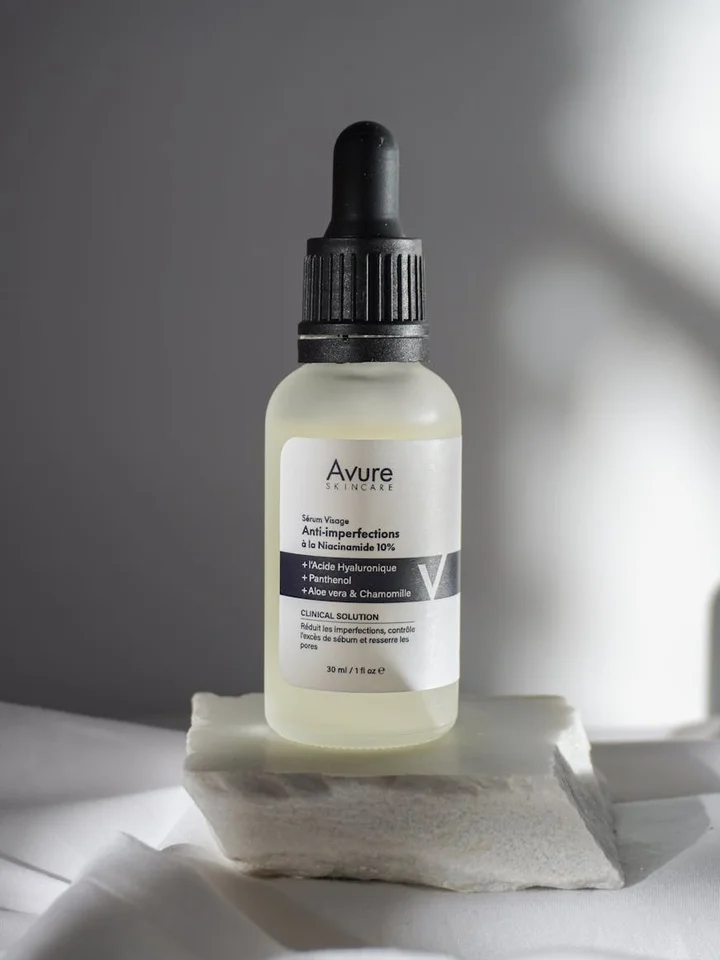
When you’re looking for rosacea management, azelaic acid isn’t your only option. I often explain to clients like Noah that choosing a treatment is about matching the mechanism to your primary symptoms. Here’s how this ingredient stacks up against other common prescriptions.
Azelaic Acid vs. Metronidazole
Metronidazole is a topical antibiotic. Its main job is to reduce inflammation by calming an overactive immune response in the skin. Think of it as a specialist that quiets a specific type of flare-up.
Azelaic acid, while also powerfully anti-inflammatory, takes a broader approach. It not only soothes redness but also directly targets the bumps and papules by normalizing the skin-cell turnover process inside the follicle. This dual action makes it a standout for the bumpy, textured redness I see in many clients. Unlike an antibiotic, azelaic acid also functions as an antioxidant, protecting skin from daily environmental stressors.
Azelaic Acid vs. Ivermectin
Ivermectin is a fascinating treatment that primarily targets Demodex mites. An overpopulation of these tiny mites on the skin is believed to be a trigger for certain types of rosacea inflammation. If your flare-ups are strongly linked to this factor, ivermectin can be incredibly effective.
Azelaic acid works on a different path. It doesn’t target mites. Instead, it focuses on the resulting inflammation and the faulty skin-cell behavior that leads to bumps and persistent redness. For someone whose main concerns are diffuse redness and rough texture, rather than mite-driven pustules, azelaic acid is often the more direct fit.
The Multi-Tasking Advantage
This is where azelaic acid truly shines for rosacea-prone skin. It’s not a one-note ingredient. In my practice, I view it as a core multi-tasker because it manages several key issues at once:
- Reduces visible redness and heat.
- Flattens existing bumps and prevents new ones from forming.
- Calms underlying inflammation without antibiotic resistance concerns.
- Gently exfoliates to smooth texture and can help with post-inflammatory marks.
Because of this wide net of benefits, dermatologists frequently prescribe azelaic acid alongside other treatments. You might use it in the morning and a medication like ivermectin at night for a comprehensive approach.
The Long-Term Use Benefit
For managing a chronic condition like rosacea, consistency and safety over years matter. This is a key point for my cautious clients. Azelaic acid is a non-antibiotic option, which means you can use it indefinitely without contributing to antibiotic resistance or disrupting your skin’s microbiome long-term. It offers a sustainable path for daily management, focusing on calming and normalizing your skin’s behavior for the long haul.
Building Your Support Team: Safe Ingredient Combinations
Azelaic acid works beautifully, but it’s not a solo artist. For rosacea-prone skin, building the right supporting routine is how you get great results without irritation. Think of your skincare as a team where each player has a specific, supportive role.
Azelaic Acid’s Best Friends
These ingredients complement azelaic acid’s work and help keep your skin barrier happy and resilient.
- Niacinamide (Vitamin B3): This is azelaic acid’s powerhouse partner. While azelaic acid calms redness and clears bumps, niacinamide actively repairs your skin’s protective barrier. A stronger barrier means less water loss and less reactivity to triggers. I often recommend a niacinamide serum before a moisturizer for clients like Noah, who need that extra layer of defense.
- Hyaluronic Acid: Hydration is non-negotiable for reactive skin. Azelaic acid can be slightly drying for some. Applying a hyaluronic acid serum to damp skin provides a surge of hydration that plumps skin and soothes that tight, uncomfortable feeling, making the azelaic acid treatment phase much more comfortable.
- Zinc: Look for zinc in soothing moisturizers or mineral sunscreens. Zinc provides a gentle, calming effect that can take the edge off immediate redness and heat. It’s like a cool compress in ingredient form, perfect for days when your skin feels particularly reactive.
Pairing azelaic acid with these supportive ingredients creates a routine that treats redness while actively strengthening your skin’s natural defenses.
Cautious Partnerships: Proceed with Care
Some ingredients can work with azelaic acid, but they require careful timing and formulation to avoid overwhelming your skin. Pairing azelaic acid with niacinamide, AHAs, or BHAs can be effective when used thoughtfully.
- Vitamin C: You can use both, but be strategic. Using a potent, low-pH Vitamin C serum in the same routine as azelaic acid might sting. A better approach is to use Vitamin C in the morning and azelaic acid at night, or to find a well-formulated product that uses a gentler, stabilized form of Vitamin C (like Magnesium Ascorbyl Phosphate). Start with low concentrations.
- Gentle Peptides: Peptides that support collagen and barrier function are generally safe to use. They’re not exfoliants, so they don’t compete with or irritate like other actives might. A peptide moisturizer can be an excellent final step in a nighttime routine that includes azelaic acid.
My client Lina, who has combination, sensitive skin, found success using a gentle peptide cream at night after her azelaic acid treatment, which helped her cheeks stay calm while her T-zone cleared up.
What to Avoid Pairing (Especially at First)
When starting azelaic acid, your goal is to introduce one active ingredient at a time. Avoid pairing it with other potent actives that can increase sensitivity and compromise your barrier.
- Other Strong Acids (Glycolic, Salicylic): Using azelaic acid alongside these exfoliants is a common recipe for redness, stinging, and a damaged barrier. If you wish to use both, use them on alternating nights or different times of the day, and only after your skin has fully acclimated to azelaic acid.
- Prescription Retinoids (Tretinoin, Tazarotene) or Strong Retinol: This combination is typically too aggressive for rosacea-prone skin and should only be considered under direct medical supervision. Using them together from the start almost guarantees irritation.
During the first 4-6 weeks of using azelaic acid, keep your routine simple: cleanse, treat with azelaic acid, moisturize, and protect with sunscreen.
Your Non-Negotiable Daily Essential: Sunscreen
This isn’t a suggestion; it’s a critical part of treatment. Rosacea is notoriously triggered by UV exposure. Sunscreen prevents flare-ups and protects your newly sensitized skin. Azelaic acid makes your skin more photosensitive, and sun damage will undo all your calming progress.
Choose a fragrance-free, broad-spectrum mineral sunscreen (with zinc oxide and/or titanium dioxide) with SPF 30 or higher. Mineral filters are less likely to cause heat-related flushing and are inherently soothing. Apply it every single morning, as the last step in your routine, even if you’re indoors. Reapply every two hours if you’re outside.
Without daily sunscreen, you are essentially fighting the redness and bumps caused by rosacea with one hand tied behind your back.
Your Azelaic Acid for Rosacea FAQs
How quickly can I expect azelaic acid to work on my rosacea?
With consistent use, you’ll likely notice a reduction in background redness within a few weeks, while bumps and texture improve more steadily over 4 to 8 weeks. Patience is key-it works by calming your skin’s reactivity long-term, not offering an overnight fix.
What strength of azelaic acid is best to start with?
Begin with an over-the-counter 10% formula to build tolerance gently; prescription strengths (15-20%) are for more persistent cases and require a dermatologist’s guidance. Apply it 2-3 times weekly at first, increasing frequency as your skin adjusts without irritation.
Can I use azelaic acid if I have sensitive, reactive skin?
Yes, its gentle, anti-inflammatory properties make it a top choice for sensitive skin, but always patch-test first. If you experience temporary tingling, apply it over moisturizer to buffer the effect and support your barrier.
Embracing Calm with Azelaic Acid
Azelaic acid offers a gentle yet powerful way to soothe rosacea-related redness and bumps when you use it consistently in a simple routine. My client Noah, with his dry, reactive skin, found that sticking with it over time made his complexion more resilient and even.
- Start with a low concentration, like 10%, and apply it to clean, dry skin every other evening to see how your skin responds.
- Always follow azelaic acid with a bland, fragrance-free moisturizer to support your skin barrier and prevent dryness.
- Apply a mineral-based sunscreen every single morning because azelaic acid can increase sun sensitivity.
- Be patient with your skin; it often takes four to six weeks of regular use to see a noticeable reduction in redness and bumps.
Managing rosacea is about steady, kind care, and I share more guidance like this on the LuciDerma blog. For a practical, step-by-step approach, check out my build skincare routine step guide that outlines simple actions you can start today. It can help you tailor routines to rosacea-friendly options. If you have questions about your skin, I’m here to help with practical advice from my years of experience.
Lucy Zimmerman
Lucy is an expert author and blogger when it comes to skin care and body care. She has first hand expertise acting as skin care consultant for over 5+ years helping her clients achieve smooth blemish free skin with natural and working remedies. She also has been an avid experimenter and tried out all the natural and artificial remedies and treatments so you can learn from her first hand experience. Additionally, she has traveled to many countries around the world and incorporated the skin care routines she has learnt into this blog. So, wait no more, reach out to Lucy if you have any specific needs and follow her blog, LuciDerma for expert skin care advice.