
Ceramides vs Peptides: Your Practical Guide to Healing a Damaged Skin Barrier
When your skin feels raw, reactive, or just won’t calm down, choosing between a ceramide moisturizer and a peptide serum can be overwhelming. I see this with clients like Noah all the time, and I’m here to guide you through the science without the jargon.
This article will give you actionable clarity, so you can stop guessing and start healing. You’ll walk away knowing:
- How ceramides physically patch up cracks in your skin’s defense, like spackle for a wall.
- Why peptides send signals to your skin cells to produce more supportive collagen and elastin.
- The specific symptoms that mean you should prioritize one ingredient over the other right now.
- How to layer both ingredients safely in a simple, effective routine that won’t irritate.
Let’s get your skin feeling resilient and comfortable again.
How to Spot a Skin Barrier That Needs Your Help
If your skin feels uncomfortably tight after washing, even with a gentle cleanser, that’s your first clue. It might have a rough, sandpapery texture when you touch it. Products you’ve used for years, like your favorite moisturizer or serum, might suddenly cause a stinging or burning sensation.
Your skin is communicating its distress, and that stinging feeling is a clear signal that your protective barrier is compromised.
Look closely in the mirror. You might see persistent redness, especially on your cheeks. Flakiness around your nose or between your eyebrows is common. Some areas may look rough or feel bumpy, and your overall complexion can appear dull, lackluster, or even slightly ashy.
To understand why this happens, picture your skin’s outermost layer as a well-built brick wall. The skin cells (keratinocytes) are the bricks. The mortar holding them tightly together is a mix of oils, called lipids. Ceramides are a crucial type of lipid in that mortar.
When this wall is damaged, moisture escapes and irritants sneak in. Common things that chip away at your barrier include:
- Over-cleansing or using harsh, stripping soaps.
- Applying too many potent active ingredients (like retinoids or acids) too quickly.
- Environmental stress from wind, cold, or pollution.
- Genetic skin conditions like eczema or rosacea.
Ceramides: Your Skin’s Essential Moisture Glue
Ceramides are natural fats already found in your skin. Think of them as the essential glue that seals skin cells together, keeping hydration in and threats out. In our brick wall analogy, they are a key component of the mortar.
When your barrier is damaged, you’re literally low on these critical sealing lipids, and applying them topically gives your skin the exact materials it needs to repair itself.
Let’s look at a quick spec sheet for this superstar molecule:
- pH Preference: Happy in your skin’s natural, slightly acidic range.
- Typical Concentration: Effective in creams and serums containing between 0.5% to 5%.
- Solubility: Oil-soluble, so they’re often delivered in creamy, nourishing formulas.
- Safety Profile: Exceptionally well-tolerated, even by my most reactive clients like Noah.
Using a product with ceramides is like delivering a shipment of fresh bricks and mortar directly to a construction site. It speeds up the repair process by providing the building blocks your skin is desperately trying to produce on its own.
Where You’ll Find Ceramides in a Routine
You’ll most often find ceramides in the soothing, reparative steps of your routine. Look for them in moisturizers, dedicated barrier repair creams, and some hydrating serums. We’ll explore ceramide skincare types and concentrations next to help you choose formulas that fit your skin’s needs.
For the best results, I advocate for formulas that pair ceramides with their natural partners: cholesterol and fatty acids. This trio, often called the “three amigos” of barrier repair, works synergistically to rebuild your skin’s architecture more effectively than any one ingredient alone. Understanding how ceramides interact with cholesterol is central to barrier repair. In the next steps, you’ll see how this ceramides cholesterol barrier repair focus translates into practical skincare choices.
I saw this firsthand with my client Noah, who has dry, reactive skin. He came to me with persistent redness and tightness. We simplified his routine and introduced a ceramide-rich cream that also contained cholesterol. Within a few weeks, the constant tightness faded, and his skin felt resilient again. For him, that cream was the turning point that allowed his skin to heal.
Peptides: The Skincare Messengers That Signal for Repair
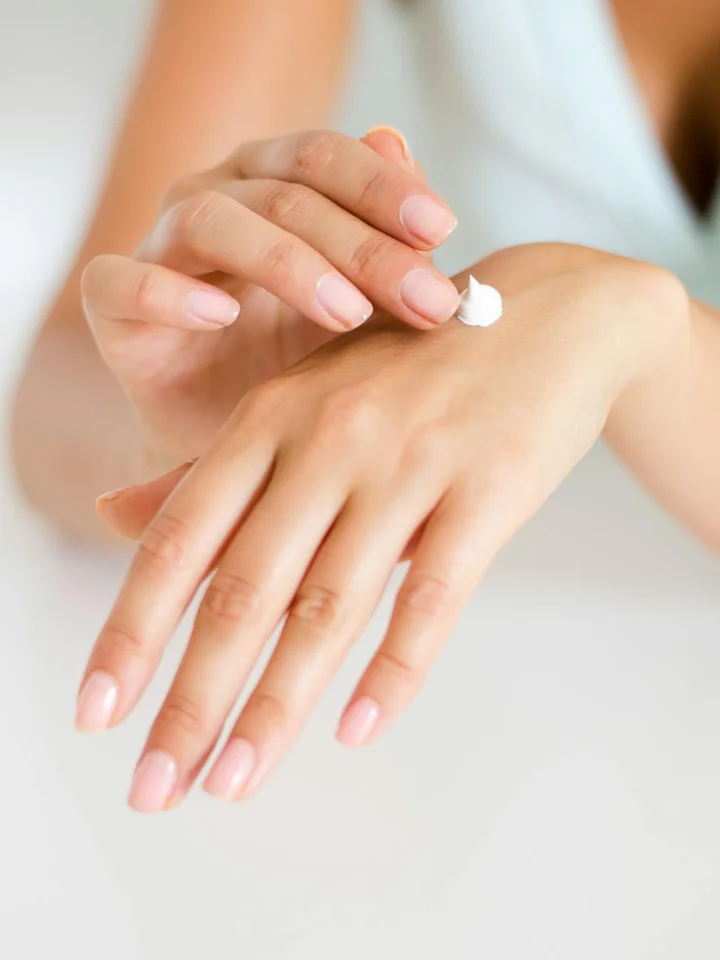
While ceramides are the literal mortar, peptides are the architects sending out the blueprints. They are short chains of amino acids, which are the tiny building blocks that make up proteins. In your skin, the most important proteins are collagen and elastin-they’re the supportive scaffolding that keeps skin firm and springy.
Think of a peptide as a cellular text message. When you apply it, it delivers a specific signal to your skin cells. That message might be “make more collagen” or “chill out on the inflammation.” They don’t physically patch holes. Instead, they encourage your skin’s own repair crew to work harder and smarter.
The Peptide Spec Sheet
Here’s a quick breakdown of what you need to know about these messenger molecules.
- pH & Stability: Peptides are often formulated within a specific pH range for stability. You don’t need to worry about this-good brands handle it for you.
- Concentration: A little goes a long way. Effective formulas often use low percentages, sometimes under 5%.
- Solubility: Most peptides are water-soluble, which is why they’re commonly found in lightweight serums and gels.
- Safety & Sensation: Peptides are generally very well-tolerated. Some, like copper peptides, can cause a mild, temporary tingling. This is usually normal, but always patch test.
Their power is in communication, not physical repair, making them a long-term strategy for stronger skin.
Where You’ll Find Peptides in a Routine
You won’t typically find peptides in a cleanser-their messaging work is best done in products that stay on your skin.
- Targeted Serums: This is the most potent and common delivery method.
- Eye Creams: Perfect for the delicate, collagen-thin area around the eyes.
- Moisturizers: Look for creams marketed for firming, plumping, or anti-aging.
One of their best traits is that they’re fantastic team players. They usually get along well with other ingredients like vitamin C, hyaluronic acid, and even your beloved ceramides. My client Lina, with her combination skin, found her perfect match in a peptide serum. It gives her cheeks the supportive messaging they need for firmness without feeling heavy or clogging her oily T-zone.
The Direct Comparison: Are Ceramides and Peptides the Same Thing?
Absolutely not. They are fundamentally different molecules with completely different jobs in skin barrier health. Confusing them is like confusing a bricklayer with a building inspector.
Here is the simplest way to understand their relationship:
- Ceramides are the immediate patch. If your skin barrier is a wall with cracks letting moisture out and irritants in, ceramides are the spackle you use to fill those gaps right now. It’s urgent repair.
- Peptides are the long-term renovation plan. They’re like hiring a contractor to assess the wall’s structure and order more, stronger bricks (collagen) to rebuild it better than before. It’s strategic reinforcement.
So, Which One is Better for Repair?
The answer depends entirely on what you mean by “repair” and your timeline.
Choose Ceramides if your goal is urgent relief from dryness, flaking, redness, and sensitivity. When my client Noah’s skin gets reactive from a new product or weather, we immediately simplify his routine with a ceramide-rich moisturizer to patch and protect. It’s the fastest way to calm the crisis. Ceramides are generally well tolerated and considered safe for most skin types, though a small number of people may experience mild irritation. We’ll cover safety considerations and potential side effects in the next steps.
Choose Peptides if your goal is long-term resilience, firmness, and repairing the signs of damage like fine lines. They help your skin rebuild its underlying support structure, making the barrier inherently stronger over time.
Answering Your Frequently Asked Questions
Let’s apply this logic to common skin concerns.
For wrinkles and loss of firmness: Peptides are your first call. They directly signal for more collagen production, which plumps and supports skin. Ceramides will keep that skin hydrated and smooth, making wrinkles less noticeable, but they don’t stimulate new collagen like peptides do.
For acne and post-breakout skin: This is a great example of how they can work together. Harsh acne treatments can wreck your barrier. Ceramides are essential here to repair that damage, reduce transepidermal water loss, and calm inflammation. Once the barrier is stable, peptides can help support the skin’s healing process and may improve the appearance of post-acne scarring by encouraging healthy collagen remodeling.
The real magic happens when you stop seeing it as a choice. For a truly comprehensive repair strategy, use both. Apply your peptide serum to send those rebuilding signals, then seal it all in with a ceramide moisturizer. You’re not just patching the wall-you’re building a fortress.
How to Use Them Together (Because You Usually Should)
Think of this not as a choice, but as building your skin’s dream team. Ceramides and peptides work in different, complementary ways. Layering ceramides with peptides and other actives can fine-tune repair and support barrier signaling. Using them together creates a holistic repair strategy that addresses both the structure and the function of your barrier.
Here’s a simple, effective way to layer them in your evening routine:
- Cleanse gently with a lukewarm water and a mild, non-stripping formula.
- Apply your peptide serum to damp skin. Damp skin helps with absorption. Pat the serum onto your face and neck. I often recommend this step to clients like Noah, who needs those cellular signals to work on his dry, reactive skin without irritation.
- Follow with your ceramide moisturizer. This is the sealing step. The ceramide-rich cream locks in the peptide serum and any moisture, forming that protective barrier. It’s like building a wall (ceramides) after you’ve hired the best construction crew (peptides).
A strong, sealed barrier makes every other ingredient in your routine more effective, including peptides. If your skin is leaky and inflamed, it’s too busy putting out fires to listen properly to the peptide signals. Ceramides create the calm, stable environment needed for repair.
Ceramides, Peptides, and Hyaluronic Acid: The Dream Team
You might wonder where hyaluronic acid (HA) fits in. Think of them as a perfect trio: HA is the hydration magnet that pulls water into the skin, peptides are the messengers directing repair, and ceramides are the sealant that keeps all that goodness from escaping. When applying, start with a hyaluronic acid serum to hydrate, then layer peptides and finish with ceramides to lock in moisture. They’re best used in layers, not as rivals.
What About Other Powerhouse Ingredients?
Ceramides and peptides are stars, but they have excellent supporting actors. Here’s how a few other common barrier helpers compare:
- Squalane: This is a lightweight, non-greasy emollient. It mimics your skin’s own oils to soften and smooth. It’s a fantastic teammate in a ceramide moisturizer or used alone for lightweight hydration.
- Niacinamide: This versatile ingredient is a champion at reducing inflammation and redness. It helps strengthen the barrier too, but through a different pathway. It’s great for someone like Maya, who deals with acne-related redness alongside barrier concerns.
- Collagen: Topical collagen molecules are too large to penetrate deeply. This is where peptides shine-they signal your skin to produce its own collagen. Don’t rely on creams with collagen; rely on peptides to help your skin make it.
When it comes to potent actives like retinol, use ceramides as your buffer. Apply your ceramide moisturizer first, wait a few minutes, then apply your retinol. This can help reduce irritation. Peptides can be safely used in your morning routine or on nights when you’re taking a break from retinol.
My general rule? Advocate for simple, layered routines over complex cocktails. Start with a cleanser, a treatment serum (like peptides), and a sealing moisturizer (with ceramides). You can always add one more item later if needed, but this core trio does incredible work.
Contraindications & Safety Warnings: When to Pause and Patch Test
Even the gentlest actives require respect for your skin’s current state. If your skin barrier is severely compromised-think open wounds, cracked skin, or an active, weeping eczema flare-up-your only goal should be medical care and pure, simple moisturization.
Pause introducing new treatment serums, including peptides, until the acute inflammation has completely calmed down. Stick with a bland, reparative cream and consult your dermatologist.
For any new product, a patch test is your best friend. Apply a small amount behind your ear or on the inner part of your forearm for 3-5 days. This helps catch a reaction before it involves your entire face. I make all my clients, especially sensitive ones like Lina, promise to do this.
While both ceramides and peptides are generally considered safe for use during pregnancy and breastfeeding, you should always consult your doctor or midwife before starting any new skincare ingredient during this time.
Finally, only use peptides from reputable, regulated brands. The world of DIY or unregulated cosmetic ingredients is risky. Peptides are complex molecules that need to be formulated correctly to be stable and effective. Trust in brands that prioritize transparency and science.
Your Quick Guide to Ceramides, Peptides, and Common Combinations
Can I use peptides with retinol, or should I choose one?
You can use them together, but timing is key for sensitive skin. Apply your peptide serum in the morning and use retinol at night, or use peptides on your “rest nights” from retinol to support collagen without overloading your skin.
Do I need hyaluronic acid if I’m already using ceramides and peptides?
Not need, but they’re a powerful trio. Hyaluronic acid is a hydration magnet that pulls in water, peptides send repair signals, and ceramides seal it all in-layering them addresses every step of the barrier repair process.
I have acne-prone skin. Should I focus on ceramides or peptides first?
Start by focusing on ceramides to repair the barrier damage often caused by acne treatments. Once your skin is less reactive, you can introduce peptides to help support healing and improve the appearance of post-acne texture. For example, Cetaphil ceramides are designed to support skin barrier repair. They help replenish lipids and reinforce the barrier during recovery.
Final Thoughts on Nourishing Your Skin Barrier
You don’t have to choose one hero ingredient over the other. Think of ceramides as the immediate repair crew that patches up cracks, and peptides as the long-term architects that help rebuild a stronger foundation. For most people dealing with damage, using both provides a complete, supportive strategy for recovery.
- Start with a ceramide-rich moisturizer to calm and repair; it’s often the fastest way to relieve discomfort.
- Introduce a peptide serum or cream to support your skin’s own collagen and elastin production over time.
- Listen to your skin: if it’s very reactive, prioritize fragrance-free ceramide formulas first, like I do with Noah.
- Always apply these treatment products to slightly damp skin to boost absorption and lock in hydration.
- Look for clean, cruelty-free brands that pair these actives with other soothing ingredients like niacinamide or oat extract.
We’re here to help you navigate these choices. For more guides like this, follow along right here on the blog. If you’re unsure which product is right for your unique skin story, send us your questions-we read every one. Your journey to resilient, happy skin is worth every thoughtful step.
Research and Related Sources
- How Do Peptides and Ceramides Compare To Each Other? – Medik8
- Ceramide vs. Peptides: Which One is Better for Skin?
- Peptide Ceramide Moisturizer – Barrier Plus – For Dry, Combination, Sensitive skin – THE FORMULARX
- Peptides vs. Ceramides: Skin Benefits & Results – haruharu wonder
- Ceramides vs Peptides: Unlock the Best Results in Skincare | Hubmed
- Award-Winning Duo – Peptides & Ceramides for Glowing Skin
- What’s the Difference Between Ceramides & Peptides? | Refine Pharma
- Amazon.com: The Formularx Peptide Ceramide Moisturizer – Barrier Plus Nourishing Barrier Repair Moisturizer For Normal, Dry, Compromised, Sensitive skin 50 g : Beauty & Personal Care
Written by Lucy Zimmerman. Lucy is an expert author and blogger when it comes to skin care and body care. She has first hand expertise acting as skin care consultant for over 5+ years helping her clients achieve smooth blemish free skin with natural and working remedies. She also has been an avid experimenter and tried out all the natural and artificial remedies and treatments so you can learn from her first hand experience. Additionally, she has traveled to many countries around the world and incorporated the skin care routines she has learnt into this blog. So, wait no more, reach out to Lucy if you have any specific needs and follow her blog, LuciDerma for expert skin care advice.