
Can Adapalene and Retinoids Minimize Large Pores? Your Practical Guide
If large pores have you feeling self-conscious, take a deep breath. I’m here to break down exactly how retinoids like adapalene can help.
- See how retinoids clear out pore-clogging debris to refine skin texture.
- Compare adapalene to other retinoids to find your best match.
- Learn a gentle routine to incorporate retinoids without causing irritation.
With a little patience and the right steps, you can make those pores less noticeable.
The Truth About Pores and the “Shrinking” Myth
Let’s clear something up right away. Your pores are not tiny little doors that open and close. They don’t have muscles. So, no product or treatment in the world can make them physically disappear or shrink in the literal sense.
The real, achievable goal is to minimize how large they look. We do this by focusing on the three main reasons pores appear prominent: they’re clogged, they’re stretched out, or they’re overflowing with oil.
Think about it this way. A clean, empty pore with firm skin around it is like a small, neat hole. A pore packed with a plug of dead skin and oil (a comedo) is stretched wider, like a filled donut hole. Skin that has lost some firmness can also make pores look more obvious because the tissue around them isn’t as tight.
Your first step is to identify your main pore concern, because that guides your approach. Are you more like Maya, dealing with oily skin and visible plugs? Are you like Noah, noticing pores look more pronounced as skin texture changes? Or like Lina, managing a combination of both? Honesty here sets you up for realistic expectations.
How Retinoids Work Their Magic on Pore Appearance
Retinoids, including adapalene, don’t just do one thing. They orchestrate a precise, three-pronged attack on all the factors that magnify pore appearance. It’s a gradual process, but a thorough one.
Phase 1: The Deep Clean (Unclogging)
This is where retinoids truly shine. Your skin naturally sheds dead cells, but sometimes they get sticky and clump together inside the pore, mixing with oil to form a plug. This physically stretches the pore opening.
Retinoids act like a gentle, constant supervisor for your skin cells. They encourage a more orderly and efficient turnover process. Old cells let go more easily so they don’t have a chance to stick around and form those pore-stretching plugs. Over weeks, this deep-cleaning effect means pores are consistently less packed.
So, does adapalene help with clogged pores? Absolutely. Its primary superpower is normalizing skin cell turnover to prevent and clear those blockages. For someone like Maya, this phase is the game-changer, visibly reducing those stubborn blackheads and tiny bumps.
Phase 2: The Structural Support (Collagen Boost)
Imagine your skin is a mattress. The collagen and elastin fibers are the supportive springs inside. Over time, or with sun damage, those springs can weaken. The surface of the mattress (your skin) starts to sag and look less taut, which can make pores appear more open or stretched.
Retinoids communicate with your skin at a deep level, encouraging it to produce fresh, healthy collagen. They help plump up those supportive springs. As the skin’s structure becomes firmer and thicker, it tightens around the pore openings. This doesn’t move the pore, but it makes the well around it shallower and less noticeable.
This structural support is key for concerns like Noah’s, where pore appearance is tied to skin laxity and texture. It’s a longer-term benefit, often taking several months, but it fundamentally improves skin health.
Phase 3: The Oil Regulation (Sebum Control)
While not their primary function for all types, some retinoids can modestly help calm overactive oil (sebum) production over time. Think of a pore as a flexible tube. Less oil flowing through it means less liquid pressure constantly pushing against its walls, so it appears less distended.
This effect varies. Adapalene, in particular, has research showing it can help regulate sebum, which is why it’s often a star player for combination or oily skin types. For Lina, who deals with an oily T-zone, this third phase complements the unclogging work beautifully. Remember, this is about regulation, not complete shutdown your skin’s necessary oils are still important.
Using any retinoid requires patience and a gentle approach. Start slowly, always use sunscreen during the day as retinoids make skin more sun-sensitive—contrary to some misconceptions about retinol and sunscreen—and pair them with a good moisturizer to support your skin barrier.
Meet the Retinoid Family: From Gentle Cousins to Power Players

Think of retinoids as a close-knit family, each member with a different personality and job description. They all share the same goal-encouraging your skin cells to behave better-but their approach and intensity vary. For managing the appearance of large pores, you’re looking for the members that excel at clearing congestion and smoothing texture.
Your choice depends on your skin’s sensitivity, your goals, and what you can access. Here’s a practical look at the most common players in pore care.
Retinol & Retinyl Esters (The OTC Starters)
These are the gentle, over-the-counter cousins. Retinol and its esters (like retinyl palmitate) are not active when you apply them. Your skin has to convert them into retinoic acid, the form your skin cells can actually use. This conversion makes them milder and slower-acting, which is fantastic for easing into retinoid life.
Can retinol shrink pores? It helps them *look* smaller. By gently increasing cell turnover, retinol helps prevent dead skin cells and oil from clogging and stretching the pore opening. For someone like my client Noah, with dry and reactive skin, a low-dose retinol serum used twice a week can refine texture without distress. Realistic expectations are key: retinol improves pore appearance over months, it doesn’t permanently alter their size.
Adapalene (The Accessible Workhorse)
This is your targeted pore specialist. Adapalene (formerly prescription, now available OTC as Differin and others) is a stable, synthetic retinoid engineered for acne-prone, oily skin. It’s less irritating than some prescription options for many people, making it a brilliant first-line treatment.
How does adapalene work? It’s like a precise key. It binds primarily to receptors in the skin that regulate how pores behave, focusing on keeping them clear. Its oil-loving (lipophilic) nature means it gets right into the pore lining to dissolve the mix of oil and dead cells that make pores look large and clogged. For my client Maya, who deals with oily skin and persistent blackheads, adapalene became her go-to for maintaining a clear, smooth canvas. Adapalene’s targeted action and stability make it a uniquely effective and accessible choice for congested, enlarged pores.
Molecule Spec Sheet: Adapalene
| Property | Detail |
|---|---|
| Typical pH | Formulated around 5.5-7 (skin-compatible) |
| Common Concentration | 0.1% (OTC), 0.3% (Rx) |
| Solubility | Lipophilic (oil-loving, penetrates pore lining well) |
| Key Safety Note | Photosensitive; sunscreen is non-negotiable. |
Tretinoin & Tazarotene (The Prescription-Strength Options)
These are the most potent members, reserved for more stubborn skin texture and significant photoaging. Tretinoin (Retin-A) is the gold-standard topical retinoid, and tazarotene is another powerful option. They work on a broader set of receptors, accelerating cell turnover and boosting collagen production more aggressively than their OTC relatives.
This intense action is why they require a doctor’s prescription and supervision. They can cause significant dryness, peeling, and irritation (the “retinization” period), and a dermatologist can help you navigate that. Their strength makes them highly effective for remodeling skin texture and improving deep signs of aging, but their potential for side effects warrants professional guidance. For someone with severe textural issues from years of sun damage or cystic acne, this might be the recommended path after other options are explored.
Contraindications: When to Press Pause on Retinoids
Think of starting a retinoid like starting a new workout plan. If you have a sprained ankle, you don’t run a marathon. You let it heal first. My first rule with any active ingredient, especially one as powerful as a retinoid, is to listen to your skin’s immediate needs. Sometimes the most proactive step is to pause.
Absolute “No-Go” Scenarios
These are non-negotiable stop signs. Introducing a retinoid in these situations can cause real harm.
If you are pregnant, breastfeeding, or actively trying to conceive, please skip retinoids entirely and consult your OB/GYN for safer alternatives. While topical absorption is low, the potential risk is not worth it when there are many other effective, pregnancy-safe ingredients for pore care.
If you are currently taking oral isotretinoin (like Accutane), your skin is already undergoing a massive, systemic transformation. Adding a topical retinoid is overkill and a fast track to severe irritation and a damaged barrier. Your dermatologist has you on a specific plan, stick to it.
Never apply a retinoid to severe, weeping eczema, open wounds, or areas of broken skin. It’s like pouring lemon juice on a cut. The ingredient will penetrate too deeply, causing intense stinging, burning, and slowing the healing process. Let the skin fully mend first.
Proceed with Extreme Caution (or Avoid)
These are yellow lights. You might be able to proceed later, but you need to slow down and assess first.
An actively damaged skin barrier is your cue to stop everything. If your skin stings when you apply your gentle moisturizer or splash with water, your defensive wall is down. A retinoid will only batter it further. Think of my client Noah-when his barrier was compromised, we focused for weeks on ceramides, cholesterol, and fatty acids until his skin was calm and resilient. Only then did we discuss a future retinoid.
For those with rosacea, introducing a retinoid during a significant flare is asking for trouble. Retinoids increase blood flow to the skin and can dramatically worsen redness and burning sensations. Management of the flare with your dermatologist’s guidance is the absolute priority before considering any form of retinoid, and even then, it requires a tailored, gentle approach.
Always, always check the full ingredient list. An allergy to any component, whether it’s the retinoid itself or a preservative or emollient in the formula, will override any potential benefit. This is why patch testing on a small area of your inner arm for a few days before putting anything on your face is a non-negotiable habit for smart skincare.
Building Your Pore-Refining Routine: The Gentle Retinoid Integration
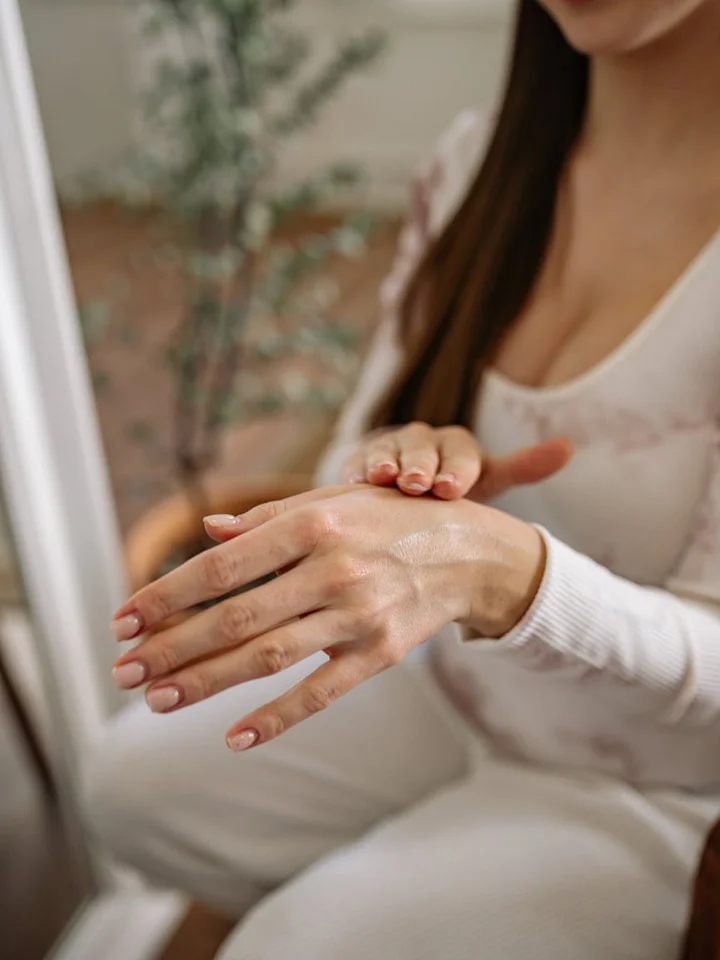
Think of starting a retinoid like training for a marathon. You wouldn’t sprint on day one. A slow, consistent, and well-supported approach is what leads to real change without injury. This night-time only plan is designed to help your skin adapt, minimizing that initial irritation we call “retinization.”
Step 1: The Prep (Clean Canvas)
Start with a clean, calm face. Use a gentle, non-stripping cleanser. I prefer milky or gel formulas that clean without that tight, squeaky feeling. This is not the night for physical scrubs, cleansing brushes, or acidic toners. They can create micro-tears and increase sensitivity, setting you up for a harsh reaction when the retinoid goes on.
Your goal here is to remove the day without assaulting your skin barrier, creating the perfect clean slate for treatment. My client Lina, with her combination skin, finds a simple gel cleanser works best for this step, effectively removing her T-zone oil without over-drying her cheeks.
Step 2: The Application (Less is More)
Pat your face completely dry with a clean towel, then wait. Give it a full 20 minutes. Applying retinoid to damp skin can drive it deeper and faster, which dramatically increases irritation.
Take a pea-sized amount for your entire face. Dot it on your forehead, cheeks, nose, and chin, then gently blend it outward. Avoid the sensitive skin around your eyes and the corners of your mouth and nose.
Start by using it only 1 to 2 nights a week, say every Monday and Thursday, to give your skin ample time to recover between uses. If you have reactive or dry skin like Noah, use the “buffer” method: apply your moisturizer first, wait 10 minutes for it to absorb, then apply the retinoid on top. This buffers the intensity without blocking the benefits.
Step 3: The Support (Barrier is Everything)
After the retinoid has had 10-15 minutes to absorb, it’s time to lock in support. This step is non-negotiable. Retinoids work by speeding up skin renewal, which can temporarily weaken your protective barrier. A good moisturizer seals in hydration and actively repairs that barrier.
Look for formulas with ingredients like ceramides and niacinamide. Ceramides are the building blocks of your skin’s natural mortar. Ceramides do not clog pores; they repair the skin’s lipid layer, which actually helps pores function better. Niacinamide is a brilliant multi-tasker that helps calm retinoid-induced redness and regulates oil production.
Another fantastic hydrator is hyaluronic acid. Hyaluronic acid cannot clog pores; it’s a moisture magnet that holds up to 1000 times its weight in water, plumping the skin and making pores less visible from the surface. Think of your moisturizer as a protective, comforting blanket you tuck your skin into for the night.
Step 4: The Non-Negotiable Follow-Up (Morning After)
If you do nothing else, do this. Every single morning, rain or shine, you must apply a broad-spectrum sunscreen of SPF 30 or higher. Retinoids make your new, fresh skin cells more vulnerable to sun damage. Without sunscreen, you’re actively undoing all the good work and increasing the risk of dark spots and long-term damage.
Sun protection is the most critical part of any retinoid routine, period. It’s not an anti-aging step; it’s a fundamental requirement for safe, effective treatment. Make it as habitual as brushing your teeth. A lightweight, non-comedogenic formula works for all skin types, from Maya’s oily skin to Noah’s dry sensitivity.
What to Expect: The Real Timeline for Results
Let’s be honest about timelines. Starting a retinoid is a commitment, and knowing what’s coming helps you stick with it. I tell all my clients, from Maya to Noah, that patience is the most important ingredient in their routine. The changes are gradual, but they are real. Understanding the retinol work timeline helps you know when changes may appear and how to handle early irritation. In the next steps, we’ll map out that retinol work timeline so you can plan each week with confidence.
Weeks 2-6: The “Retinization” Adjustment Period
Your skin needs to get used to the new normal. This initial phase, called retinization, is when you’re most likely to see side effects. It’s a sign the retinoid is working to accelerate skin cell turnover.
- Potential purging: Existing microcomedones (tiny clogs you can’t see yet) may surface as pimples. This is different from a new breakout and usually calms within a few weeks.
- Dryness, peeling, and redness are common. For clients like Noah with reactive skin, this can feel intense.
This adjustment period is temporary, and how you care for your skin now sets the stage for success. A gentle, hydrating routine is non-negotiable.
Months 2-3: First Visible Changes in Clarity
After the initial adjustment, you’ll start to see the first payoff. The constant, accelerated cell renewal begins to clear out debris more efficiently.
You might notice your skin looks smoother and more even. Those small, rough bumps and blackheads start to diminish. For Maya, who deals with clogged pores, this is often when she reports her foundation sits better because her skin texture is refining.
The initial “glow” you get is from this freshly revealed layer of skin and reduced surface congestion. Pores may appear slightly less noticeable simply because they are cleaner and not stretched with debris.
Months 4-6: Improved Texture and Tighter Pores
This is where the structural magic happens. Retinoids like adapalene communicate with your skin cells to support healthy collagen production. Think of collagen as the supportive spring mattress under your skin. As it thickens and becomes more organized, it plumps the skin around your pores.
The pore itself doesn’t shrink, but the skin around it firms up, making the opening appear smaller and tighter. The texture continues to refine, moving beyond just clarity to actual firmness.
This collagen benefit is the key to the long-term, tightened pore appearance, and it requires consistent use over several months.
So, How Long Does It Take to See Results from Adapalene for Pores?
You may see improved clarity and less clogging within 2 to 3 months. For a visibly tighter pore appearance due to collagen remodeling, plan on a consistent routine for 4 to 6 months. I remind Lina, who is always curious about the process, that skincare is a marathon, not a sprint. The results compound beautifully with time.
Your Retinoid Allies: Choosing Supporting Products Wisely
Starting a retinoid is a bit like moving into a new apartment. You need to choose your roommates carefully to keep the peace. The goal is to build a routine that supports your retinoid’s work-boosting hydration, calming irritation, and targeting other concerns-without triggering a full-scale skin riot.
Safe Friends (Usually)
These ingredients are like the supportive, low-drama friends your retinoid needs. They focus on repair and balance, making them excellent partners for most people even when used with retinoids or azelaic acid.
- Hyaluronic Acid: Think of this as your internal water delivery service. Retinoids can sometimes leave skin feeling thirsty. Applying a hyaluronic acid serum to damp skin before your retinoid helps lock in moisture, plumping the skin and minimizing that tight, dry feeling. My client Noah, with his dry skin, found this step was a game-changer for his comfort.
- Ceramides: These are the bricks and mortar of your skin’s barrier. Using a moisturizer packed with ceramides after your retinoid helps reinforce your skin’s natural defenses. This repair work is critical for preventing the redness and sensitivity that can derail your routine.
- Niacinamide: This multi-tasker is a retinoid’s best friend. It helps regulate oil production, soothe redness, and improve the skin’s barrier function. You can often find it in the same moisturizer as your ceramides, or in a separate serum used before your retinoid.
- Azelaic Acid: This gentle acid is brilliant for tackling redness and post-breakout marks. It works through different pathways than retinoids, so they complement each other well. You can use azelaic acid in the morning or layer it with your retinoid at night if your skin tolerates it.
Handle with Care (Space These Out)
These are the potent, energetic friends. They’re fantastic, but you don’t want them all talking over each other at the same party. Strategic timing prevents overwhelm.
- Direct Acids (AHA/BHA): Acids like glycolic or salicylic provide excellent surface exfoliation. Using them on the same night as your retinoid, however, is a common recipe for stinging and peeling. Apply these in the morning, or dedicate 2-3 nights a week to acids only, taking a break from your retinoid on those nights. My client Maya uses a BHA toner on her off-retinoid nights to keep her pores clear.
- Vitamin C: A classic antioxidant for daytime defense. It’s generally fine to use vitamin C in the AM and your retinoid in the PM. Just ensure your morning skin is fully rinsed and not experiencing active irritation from the retinoid before applying.
- Benzoyl Peroxide: This acne-fighting ingredient can deactivate some forms of retinoid if applied simultaneously. If you need both, use benzoyl peroxide in the morning and your retinoid at night. For prescription adapalene/benzoyl peroxide combos, follow your dermatologist’s exact instructions.
Red Flag Combinations
Some combinations are simply too intense for at-home management and require professional oversight.
Mixing multiple prescription-strength actives is the skincare equivalent of performing your own surgery. Never layer prescription retinoids like tretinoin with other prescription exfoliants or acne treatments unless your dermatologist has designed and approved the plan. This includes combinations like tretinoin with high-strength prescription azelaic acid or oral medications. The risk of severe irritation, barrier damage, and prolonged suffering far outweighs any potential speed benefit. Your clinician’s guidance here is non-negotiable for your skin’s safety.
Your Retinoid Questions, Answered
Can over-the-counter retinoids be as effective as prescription ones for pores?
For minimizing the appearance of pores by clearing clogs and smoothing texture, OTC options like adapalene and stabilized retinol are highly effective for most people. Prescription strengths like tretinoin offer more intense collagen remodeling but with greater irritation risk, making them ideal for more stubborn textural concerns beyond just pores.
What’s the gentlest way to start a retinoid if my skin is easily irritated?
Begin by applying a pea-sized amount just 1-2 nights a week, always over top of your moisturizer to buffer the effect. This “sandwich” method helps your skin adapt gradually, minimizing dryness and redness while still delivering the benefits.
How can I tell if my retinoid is actually improving my pore appearance?
Look for consistent changes over 2-3 months: fewer visible blackheads, a smoother skin surface, and pores appearing tighter as your skin firms. Effective pore minimization is a gradual refinement in texture and clarity, not an overnight transformation.
Navigating Retinoids for Refined Skin
Retinoids like adapalene can effectively minimize the look of large pores by steadily clearing debris and smoothing skin texture. Consistency and patience are your best allies here-results build over months, not days, so stick with a gentle, gradual approach.
- Begin with a pea-sized amount every other night to let your skin adjust without redness or peeling.
- Apply a broad-spectrum sunscreen every morning without fail, as retinoids increase sun sensitivity.
- Expect visible changes in pore appearance after about two to three months of regular use.
- Support your skin barrier with a fragrance-free moisturizer to prevent dryness and irritation.
- Choose retinoid products from brands committed to cruelty-free and sustainable practices.
At LuciDerma, we focus on giving you reliable, dermatologist-informed guidance for your skin care journey. If you have questions about using retinoids or other treatments, our blog is here with evidence-based advice. We always appreciate hearing your stories and experiences-your trust is what guides our work.
Lucy Zimmerman
Lucy is an expert author and blogger when it comes to skin care and body care. She has first hand expertise acting as skin care consultant for over 5+ years helping her clients achieve smooth blemish free skin with natural and working remedies. She also has been an avid experimenter and tried out all the natural and artificial remedies and treatments so you can learn from her first hand experience. Additionally, she has traveled to many countries around the world and incorporated the skin care routines she has learnt into this blog. So, wait no more, reach out to Lucy if you have any specific needs and follow her blog, LuciDerma for expert skin care advice.