
Adapalene Purging Timeline: Your Week-by-Week Guide to Clear Skin
If your skin is breaking out more after starting adapalene, take a deep breath. I work with clients like Maya every week who face this, and I’m here to map out exactly what to expect.
- Tell the difference between a normal purge and irritation so you can use your treatment safely.
- Follow a detailed week-by-week timeline to see where your skin is headed.
- Get my simple, soothing routine tips to care for your skin during this phase.
You have the tools to move through this temporary stage toward the clear skin you want.
What Exactly Is Skin Purging? (And Does Adapalene Always Cause It?)
Think of skin purging as a deep clean for your pores. It is a temporary acceleration of your skin’s natural cell turnover. This is not a bad reaction or a sign that the product is wrong for you.
Here is a simple way to picture it. Using adapalene is like hitting the fast-forward button on your skin’s renewal process. It speeds everything up, pushing clogs that were already forming deep within your pores to the surface much quicker than they would have on their own.
Yes, adapalene can cause purging, and when it happens, it’s a strong signal the ingredient is working correctly. It is not a flaw in the formula or your skin. This process happens because adapalene is a retinoid. It works by binding to specific receptors in your skin cells, telling them to renew themselves faster. This rapid exfoliation from within uncovers everything that was waiting in the wings, often leading to inflammation during cell turnover.
It is crucial to know that not everyone will experience a purge. Your skin type and history are major factors. My client Noah, with his dry, reactive skin, had very minimal purging because his pores weren’t prone to clogging. My client Maya, who is acne-prone, had a more noticeable phase because her pores had more congestion to clear out.
The Adapalene Purging Timeline: What to Expect Week by Week
Having a roadmap makes the journey less stressful. This timeline is based on common clinical patterns, but your skin may move faster or slower. Consistency with your routine is the key that unlocks this progression.
When Does Purging Start with Adapalene?
For most people, the initial signs of purging begin 2 to 4 weeks after you start using adapalene. Your skin needs this time to adapt and begin accelerating its cell turnover rate. You might notice a few more blackheads or small, under-the-surface bumps appearing in areas where you typically break out.
When Does Adapalene Purging Peak?
The most intense period usually hits around weeks 4 to 6. This is often when purging feels most discouraging. You may see several blemishes appear at once, and they might seem to come to a head more quickly than usual. Remember, this peak means the process is actively clearing out deep-seated debris. This was the case for Lina, who found her T-zone was most active during this peak phase.
How Long Does the Purging Phase Last?
The active purging phase, from start to finish, commonly lasts between 4 to 8 weeks for most people. After the peak around week 6, you should start to see fewer new blemishes emerging. The frequency and severity of breakouts begin to taper off as your skin works through its backlog of congestion.
When Will My Skin Clear After Purging?
This is the light at the end of the tunnel. With consistent, nightly use, many people see a significant turn toward clearer, smoother skin between weeks 8 and 12. The initial breakout phase has passed, and now the constant cell renewal helps prevent new clogs from forming deeply. Post-inflammatory marks from the purge will still need time to fade, but the active, inflamed breakouts should be largely under control.
This entire timeline can vary. If you are using adapalene less frequently (like every other night), the process may be more gradual. Using supportive, gentle, and non-clogging moisturizers can help your skin weather this period without additional irritation.
What Does Adapalene Purging Look Like? (And How to Spot a Problem)

Adapalene purging doesn’t look like a brand new, terrible skin problem. It looks like a temporary escalation of your old one. Think of it as your skin doing a deep, accelerated spring cleaning.
You’ll typically see small, familiar blemishes like whiteheads and blackheads appearing in the areas where you usually break out-your chin, forehead, or along the jawline. They often come and go faster than a normal pimple would. My client Lina, who has combination skin, noticed her oilier T-zone purged first with small clusters of blackheads before her cheeks ever reacted. This localization is a key clue. That pattern points to how treatments aimed at clogged pores can help—adapalene, in particular, targets excess skin cell turnover to keep pores clear. With regular use, it can reduce blackheads and support clearer skin over time.
How Can I Tell if It’s Purging or a Breakout?
It can feel confusing when your new treatment seems to cause bumps. This simple comparison helps you spot the difference.
| Adapalene Purging | A Bad Reaction or Irritation |
|---|---|
| Happens in your usual breakout zones. | Appears in new, unusual places (like cheeks if you only ever break out on your chin). |
| Features blemishes you recognize (whiteheads, small papules). | Presents with redness, rash, tiny bumps, or intense itchiness. |
| Peaks within 2-6 weeks and then starts to improve. | Persists or worsens the longer you use the product. |
| Your skin may feel dry or flaky, but not painfully raw. | Skin feels sore, burns, stings, or is swollen. |
A purge is a temporary process of clearing pre-existing clogs, while a bad reaction is your skin telling you it can’t tolerate an ingredient.
If your formula also contains benzoyl peroxide, the purging phase might come with more pronounced dryness or flaking. That combination is powerful at clearing pores, but it can be extra drying as it works.
Pay close attention to your skin’s signals. Severe pain, deep cystic acne that you don’t normally get, or widespread swelling are not typical signs of purging. These are signs to pause and check in with your dermatologist.
How to Soothe Your Skin Through the Adapalene Purging Phase
Your goal during purging isn’t to attack your skin more. It’s to support, hydrate, and protect it. Think gentle caretaker, not warrior. This simple, consistent routine is your best strategy.
- Cleanse Gently: Use a mild, non-foaming cream or hydrating cleanser morning and night. Your skin barrier is working hard.
- Hydrate Deeply: While your face is still damp, apply a serum with humectants like hyaluronic acid. This pulls water into the skin without clogging pores.
- Repair the Barrier: Lock that moisture in with a moisturizer rich in ceramides and soothing ingredients like panthenol or oat extract. This reinforces your skin’s natural protection.
- Protect Without Fail: Every single morning, apply a non-comedogenic, mineral-based sunscreen (SPF 30 or higher). This is non-negotiable, as adapalene makes your skin more sun-sensitive and sunscreen prevents dark spots from purging blemishes.
- Apply Treatment Smartly: At night, after your moisturizer has soaked in, apply a pea-sized amount of adapalene to your entire face, not just spots.
Many clients ask me if they can prevent the purge altogether. You can’t stop the process, but you can often temper it. Starting slowly is the smartest approach. Try applying adapalene every two or three nights for the first two weeks, always over top of your moisturizer. This “buffer” method helps your skin acclimate with less irritation. Make sure you apply them in the correct order.
Your skincare lineup during this time should be a quiet, calming team. Put other active ingredients like glycolic acid, salicylic acid, physical scrubs, and even strong vitamin C serums on hold for 6-8 weeks. Let adapalene do its solo work without interference. My client Noah, with his reactive skin, found that sticking to this minimalist, fragrance-free routine made his purging phase much more manageable and less inflamed.
What to Skip and When to Pause: Your Safety Checklist
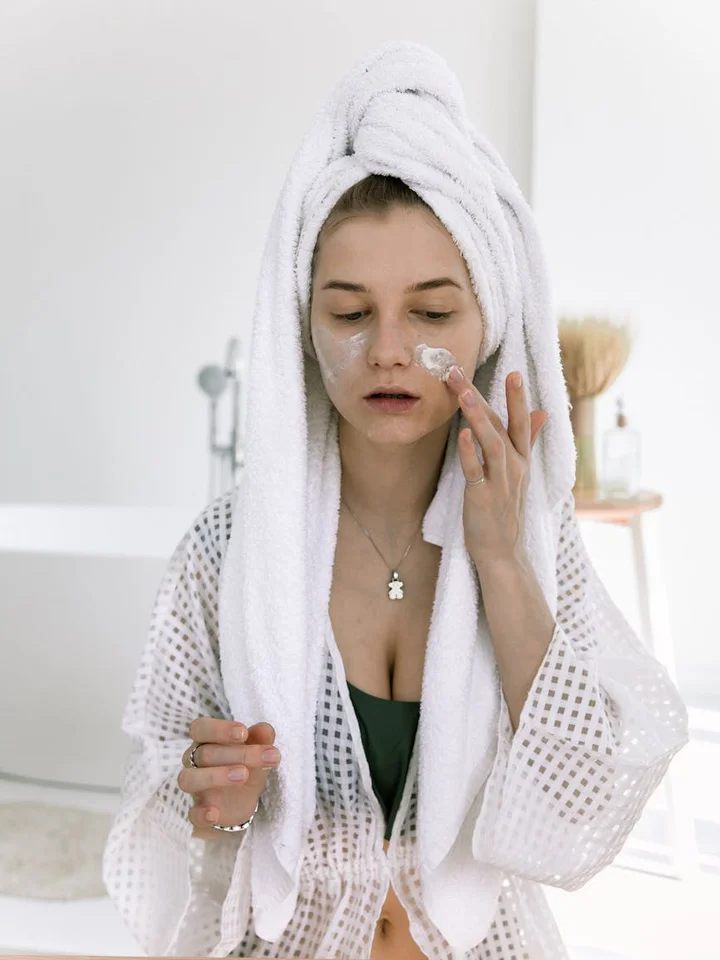
Think of your skin during the purge as a construction zone. You need to keep the area clear so the work can happen safely. Adding other traffic or harsh tools just causes accidents.
First, let’s talk about your product lineup. During this phase, simplify. Pause any other exfoliating acids like AHA or BHA toners and serums. Adapalene is already accelerating your skin’s cell turnover, and adding more exfoliation is like scrubbing a scraped knee. It delays healing and causes major irritation. This lesson my client Maya learned quickly when her usual salicylic acid toner turned her mild purge into a red, angry flare.
- Avoid fragrant essential oils and products with heavy perfumes. These are common irritants that can inflame sensitized skin.
- Put harsh cleansing brushes or rough washcloths aside. Your cleansing should be a gentle, hands-only affair to avoid physical abrasion.
- Skip drying clay masks more than once a week. They can over-strip your skin when it’s already working hard.
- Do not pick at the purging spots. I know it’s tempting, but picking increases inflammation, deepens damage, and makes post-acne marks last much longer. Treat them like temporary visitors, not enemies to attack.
There are also specific times when you should hit the pause button entirely. Do not use adapalene if you are pregnant, trying to conceive, or breastfeeding unless your doctor has approved it. Also stop application on any skin that is broken, sunburned, or actively experiencing a condition like eczema or dermatitis. Let those areas heal fully first.
Using more adapalene gel will not speed up the purging process. In fact, slathering on extra only guarantees a compromised skin barrier, leading to peeling, stinging, and worse sensitivity. Stick to a pea-sized amount for your whole face, applied every other night or as directed.
If you have sensitive skin like my client Noah, extra caution is your best friend. Always do a patch test by applying a tiny amount behind your ear or on your jawline for a few nights to check for severe reaction. Consider starting with the “short-contact” method: apply adapalene, wait 10 minutes, then rinse it off and follow with your moisturizer. This helps your skin build tolerance gently.
When Purging Isn’t Normal: Signs You Need a Dermatologist
Purging is a phase, but it shouldn’t feel like a punishment. Your comfort and safety are the real priorities. Knowing the difference between standard irritation and a red flag is key.
Stop use and contact your dermatologist if you experience any of the following:
- Intense burning, itching, or stinging that persists long after you’ve applied the product.
- Blistering, oozing, or crusting on your skin.
- The development of severe, painful cystic acne where you didn’t typically break out before.
- Redness or symptoms that spread to areas like your neck, eyelids, or other spots where you don’t apply the product.
So, when exactly should you book that appointment? If the discomfort makes it hard to stick to your routine, if your purging shows no signs of calming after 8 full weeks, or if you suspect a true allergic reaction (think widespread hives or swelling), it’s time for professional insight. Don’t struggle in silence.
Some skin conditions require a doctor’s green light before starting any retinoid. If you have rosacea, severe cystic acne, or a history of very reactive eczema, using adapalene on your own could trigger a significant flare. A dermatologist can create a tailored plan, sometimes combining adapalene with other treatments to manage these conditions safely.
Remember, seeking help is a proactive and smart step for your skin’s long-term health. It’s not a failure; it’s part of the process. For what it’s worth, adapalene is often a gentler first step compared to some other prescription retinoids. My client Lina, with her combination sensitive skin, found she tolerated adapalene much better than she did other options when introduced slowly under guidance. But your skin’s story is unique, and a professional is the best co-author.
Your Quick Guide to Adapalene Purging
How can I tell if it’s purging or a breakout?
True purging happens only in areas where you typically break out and features familiar blemishes like whiteheads. A concerning reaction often involves new areas, a rash, or persistent stinging.
What’s the best way to manage skin during the purge?
Support your skin barrier with a gentle, hydrating routine and non-negotiable sunscreen. Avoid other actives, physical scrubs, and picking to prevent further irritation.
When should I see a doctor about purging?
Consult a dermatologist if you experience severe pain, blistering, or symptoms spreading to untreated areas. Also seek advice if intense discomfort persists or if you have a pre-existing condition like rosacea.
Your Skin’s Journey with Adapalene
Navigating the purging phase requires patience and a gentle hand. Sticking to a simple, consistent routine is your most powerful tool for getting to the other side of clearer skin. Your skin is adapting, and this temporary reaction is often a sign the treatment is working.
- Be patient and consistent for at least three months before assessing results.
- Support your barrier with a gentle cleanser and a fragrance-free moisturizer.
- Apply sunscreen every single morning, without fail, to protect your skin.
- Avoid picking or over-exfoliating, which can lead to more irritation and marks.
- Listen to your skin and scale back use if irritation becomes too intense.
I’m always here to help you decode your skin’s signals. If you have more questions as your journey continues, I welcome you to follow along for more guidance. Remember, what my client Noah learned is true for everyone: gentle consistency, not aggression, builds healthy, resilient skin.
Lucy Zimmerman
Lucy is an expert author and blogger when it comes to skin care and body care. She has first hand expertise acting as skin care consultant for over 5+ years helping her clients achieve smooth blemish free skin with natural and working remedies. She also has been an avid experimenter and tried out all the natural and artificial remedies and treatments so you can learn from her first hand experience. Additionally, she has traveled to many countries around the world and incorporated the skin care routines she has learnt into this blog. So, wait no more, reach out to Lucy if you have any specific needs and follow her blog, LuciDerma for expert skin care advice.