
Mixing Tretinoin and Adapalene: A Clear Guide to Safety and Results
You’re eyeing both bottles in your medicine cabinet, wondering if combining these powerhouse retinoids is a shortcut to better skin or a fast track to irritation.
By the end of this guide, you will know:
- Why using both ingredients together is rarely effective, based on how they work in your skin.
- How to choose the right retinoid for your specific skin goals and concerns.
- A simple, safer strategy to build a routine that gets you the results you want without the redness and peeling.
Let’s get you a clear, confident plan for your retinoid routine.
The Esthetician’s Short Answer: Let’s Break It Down
No, you should not combine tretinoin and adapalene in the same skincare routine.
In my clinic, I see what happens when patients decide to experiment with powerful actives like these. The goal is effective, comfortable skin, not ingredient overload. Using both is like taking two different brands of the same pain medication at the same time. You’re not getting a better result, you’re just dramatically increasing your risk of side effects.
Stacking two potent retinoids is a direct recipe for a compromised skin barrier, leading to severe dryness, redness, peeling, and a stinging sensation that makes even applying a simple moisturizer painful. My job is to guide you toward results without that level of discomfort.
Your Retinoid Cheat Sheet: Tretinoin vs. Adapalene
First, a simple definition. Both tretinoin and adapalene are retinoids, which are vitamin A derivatives. They work by speeding up skin cell turnover. Think of them as encouraging your skin to refresh itself at a faster, healthier pace. In particular, adapalene differs from retinol and other retinoids in how it is classified and how it behaves. This difference can help guide which option may be best for your skin.
While they’re in the same family, they are different compounds with different strengths. This table breaks down the key differences:
| Tretinoin | Adapalene | |
|---|---|---|
| Source | Prescription-only in most countries. | Available over-the-counter (lower strength) and by prescription (higher strength). |
| Main FDA-Approved Use | Acne treatment and, notably, anti-aging (fine lines, texture). | Acne treatment. |
| Typical Skin Feel | Often considered more potentially irritating, especially when starting. Requires a careful, gradual introduction. | Generally better tolerated, with a reputation for being less irritating. Its molecule is more stable. |
Tretinoin is the multi-tasker. It’s clinically proven to not only clear acne but also improve the look of fine lines, uneven texture, and hyperpigmentation over time. Adapalene is the specialist. It’s excellent at targeting acne inflammation and keeping pores clear, but its anti-aging data isn’t as robust.
Choosing between them often comes down to your primary skin goal and your skin’s tolerance level. I think of my client Lina, who has combination, sensitive skin. She started with adapalene for her hormonal breakouts along her jawline, and it worked well. But she wanted to also address the fine lines starting on her forehead and the overall texture of her cheeks. After a consultation, she transitioned to a low-dose tretinoin formula. It took more patience and barrier-supporting care, but it ultimately aligned better with her broader skin health goals.
What Happens If You Mix Tretinoin and Adapalene?

What happens if you mix them? In simple terms, you are giving your skin a massive, confusing overdose. Think of your skin’s retinoid receptors like a single hose. Using both tretinoin and adapalene is like trying to force the water from two fire trucks through that one hose at the same time. It’s too much for the system to handle.
This overload guarantees irritation. It’s not a maybe, it’s a when. The chain reaction is almost always the same.
- Severe dryness and dehydration, as both accelerate skin cell turnover faster than your barrier can keep up.
- A compromised skin barrier that can’t protect you from irritants or hold onto moisture.
- Stinging, redness, peeling (the infamous “retinoid uglies”), and worsened sensitivity to everything else in your routine.
Combining them doesn’t give you double the benefits it gives you double the trouble, and it can set your skin’s health and comfort back by weeks. I see this often with clients like Maya, who is acne-prone and just wants faster results. I get the impulse, but overwhelming your skin only leads to a painful setback that requires a full reset.
The One Safe Way to “Alternate” (And When to Just Pick One)
Let’s clear up the FAQs. Can you alternate adapalene and tretinoin night by night? No. Can you use adapalene in the morning and tretinoin at night? Absolutely not. Retinoids break down in sunlight, and this schedule still overwhelms your skin.
The only safe form of “alternating” is a complete, permanent switch from one retinoid to the other. This is a common process when your skin’s needs change. The key is a deliberate transition with a buffer period to let your skin reset.
Choosing between them comes down to your primary goal. Think of it this way:
- Choose Adapalene if your main target is stubborn, inflammatory acne. It’s exceptionally good at calming that type of breakout and is often more tolerable.
- Choose Tretinoin if your focus is on anti-aging, deep wrinkles, texture, and sun damage, with acne as a secondary concern. It works on a broader range of skin receptors.
How to Switch from Adapalene to Tretinoin
Moving to tretinoin requires patience, as it’s typically more potent. Here’s how to do it without shocking your skin. We’ll cover practical tretinoin usage steps you can follow, from patch tests to gradual application. This prep sets you up for a safe, effective routine.
- Stop using adapalene completely. Give your skin a total break from all retinoids.
- For 1 to 2 weeks, focus only on barrier repair. Use a gentle cleanser, a calming moisturizer with ceramides, and a mineral sunscreen. This is your “skin vacation.”
- Introduce tretinoin very slowly. Start with a pea-sized amount, once a week, over moisturizer. Gradually increase frequency every two weeks as your skin tolerates it.
This buffer period is non-negotiable it allows your irritated retinoid receptors to calm down before starting a new, stronger ingredient.
How to Switch from Tretinoin to Adapalene
You might switch to adapalene if you find tretinoin too irritating or your acne becomes your sole focus. The process is similar.
- Pause your tretinoin use. Take a full 1 to 2 weeks for barrier-focused care, just like above.
- Begin adapalene on clean, dry skin, starting with application every third night. While often more tolerable, your skin still needs to adjust.
- Monitor closely. Many, like my client Noah with his reactive skin, find adapalene less drying. You may be able to increase frequency a bit faster than with tretinoin.
Whichever way you switch, listen to your skin. If you experience significant redness or peeling, slow down. Consulting a dermatologist or esthetician can help you navigate this change with a plan tailored just for you.
The Interaction Matrix: What to Mix With Your Retinoid (And What to Avoid)
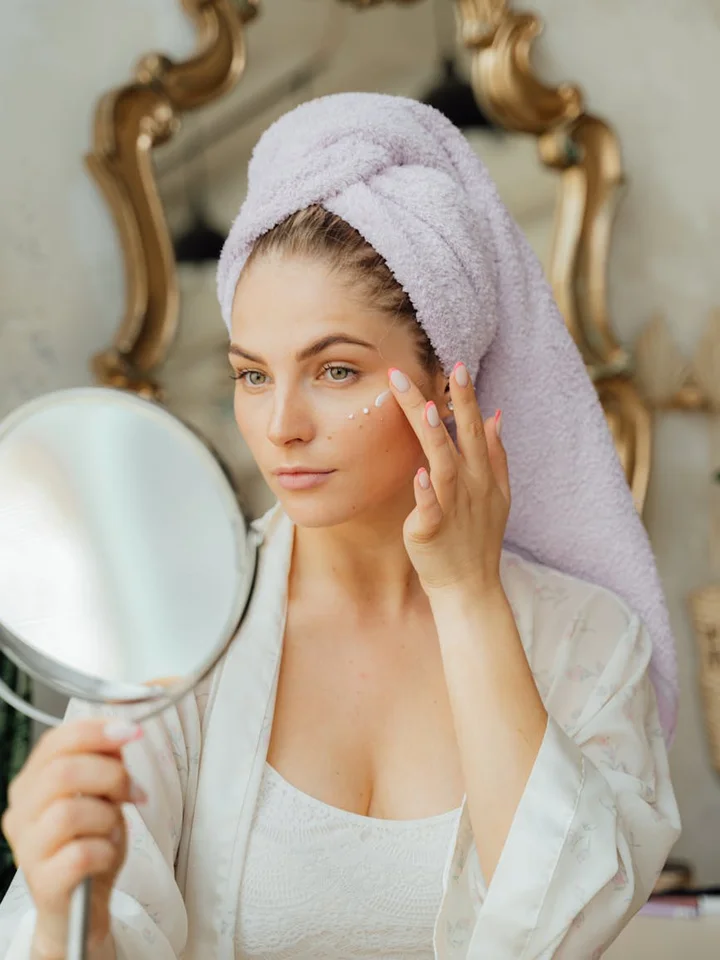
Think of your retinoid, whether it’s tretinoin or adapalene, as the main act in your skincare routine. The other products you use are the supporting cast. Some are fantastic co-stars that make the lead look even better, while others can cause a scene and ruin the whole show. Here’s a simple guide to casting your retinoid routine.
| Safe & Synergistic Partners | Potentially Problematic (Needs Caution & Spacing) | Do Not Mix |
|
These are your retinoid’s best friends. They help it work better and keep your skin comfortable.
|
These ingredients aren’t enemies, but they require careful scheduling to avoid overwhelming your skin.
|
Mixing these with your retinoid, especially on the same night, is an almost guaranteed ticket to irritation city.
|
Noah’s experience is a perfect cautionary tale here: eager to tackle texture, he used a gentle lactic acid serum one evening, forgetting he had just started adapalene three nights a week. The result wasn’t glowing skin, but a week of stinging, tight, flaky patches that required a full routine reset. His skin needed gentle care, not more actives.
Critical Contraindications: When You Should Not Use Either

Safety first, always. Even if combining tretinoin and adapalene was a good idea (it’s not), there are times when you should not use any retinoid at all. Your skin’s health is the top priority.
You should absolutely avoid starting tretinoin or adapalene if:
- You are pregnant, breastfeeding, or trying to conceive. You must consult your obstetrician or dermatologist.
- Your skin is currently sunburned, has open wounds, or visible broken capillaries.
- You are experiencing an active, flaring episode of eczema, psoriasis, or rosacea.
You should pause use and do a “skin reset” first if:
- Your skin barrier is extremely compromised. Tell-tale signs include persistent burning with most products, severe tightness, shiny but rough texture, and peeling without using actives.
- You’ve recently had an aggressive professional peel, laser treatment, or microdermabrasion. Wait until your clinician gives you the all-clear.
A proper skin reset is not exciting, but it is foundational. It means stripping your routine back to the basics for 2-4 weeks: a gentle, non-foaming cleanser, a fragrance-free moisturizer rich in ceramides and colloidal oatmeal, and a mineral sunscreen. Only when your skin feels calm, hydrated, and no longer reactive should you consider slowly introducing a retinoid.
Finally, let’s be crystal clear about sunscreen. Using a retinoid without daily, broad-spectrum SPF 30+ is counterproductive and damaging. The retinoid increases your skin’s renewal and sun sensitivity; the sunscreen protects that new, vulnerable skin. It is a mandatory partnership, not an option—unlike some myths about retinol-based sunscreens.
Gentle Alternatives and Smart Pairings for Your Goals
If the idea of combining two prescription-strength retinoids makes your skin barrier flinch just thinking about it, you’re right to listen to that instinct. For many people, even one can be plenty. The goal is effective, comfortable progress, not a red, peeling finish line.
Choosing a Gentler Retinoid Path
You don’t have to use the strongest option to see fantastic results. Over-the-counter retinoids like retinol or retinaldehyde are excellent alternatives. They convert to retinoic acid in your skin, but they do it more gradually. This slower conversion process is often gentler, leading to less irritation while still promoting cell turnover and collagen production over time.
Think of it like choosing between a strong espresso and a smooth latte; both deliver caffeine, but one is far less likely to make you jittery. For someone like my client Noah, who has dry and reactive skin, switching from a prescription retinoid that was causing persistent flakes to a stabilized retinaldehyde serum was a game-changer. He could finally use it consistently enough to see the smoothing benefits without the constant setback of irritation.
Building a Smart, Targeted Routine
Instead of doubling up on retinoids, a more strategic approach is to pair your single retinoid (tretinoin OR adapalene) with another active that targets a different concern without conflict. The key is timing and choosing ingredients that play well together.
Here are two powerful and safe pairings:
- For Acne, Redness, and Hyperpigmentation: Azelaic acid is a superstar partner. It’s anti-inflammatory, fights acne bacteria, and helps fade post-acne marks. It’s typically very well-tolerated and doesn’t increase photosensitivity. Using your retinoid at night and azelaic acid in the morning is a classic, effective combo.
- For Aging and Barrier Support: Peptide serums are brilliant companions. They support skin firmness and hydration without exfoliating or sensitizing. Applying a peptide serum in the morning or on your “nights off” from your retinoid feeds your skin building blocks for repair.
A Real-Routine Example: Maya’s Balanced Approach
Let’s look at how this works in practice. Maya, who is 28 with oily, acne-prone skin, found her sweet spot. She uses a pea-sized amount of adapalene gel three nights a week. On the mornings after, and on her off nights, she applies a 10% azelaic acid formulation. This tackles her active breakouts and redness from two angles without overwhelming her skin.
The most critical part of her routine, which she swears by, is the lightweight, non-comedogenic hydrator she uses every single night, even over her adapalene. This buffer step helps maintain her moisture barrier, preventing the tightness and over-drying that can sometimes trigger more oil production. Her routine is simple, targeted, and sustainable.
Your skin thrives on consistency, not complexity. Finding one retinoid you can use regularly, and supporting it with compatible ingredients, will always deliver better long-term results than an irritating cocktail you can’t stick with. Listen to your skin. It will tell you if you’re building it up or breaking it down.
Your Retinoid Combination Questions, Answered
Why don’t tretinoin and adapalene work better together?
They target similar receptors in your skin, so using both doesn’t enhance results-it simply overloads those pathways. This guarantees irritation by overwhelming your skin’s natural renewal process, leading to a compromised barrier.
How do I safely switch from one retinoid to the other?
Take a full 1-2 week break from all retinoids to let your skin barrier recover with gentle, hydrating care. Then, slowly introduce the new retinoid just once a week, gradually increasing frequency as your tolerance allows.
What’s a smarter strategy than combining two retinoids?
Choose the single retinoid that best matches your primary goal, then pair it with a non-conflicting active like azelaic acid or peptides. Using them at separate times targets multiple concerns effectively without the risk of extreme irritation, especially when combining retinoids with peptides safely.
Making Wise Choices with Retinoids
When it comes to Tretinoin and Adapalene, using them together in one routine is more likely to cause problems than provide benefits. Additionally, blending retinoids—such as retinol with tretinoin—can raise irritation, redness, and skin sensitivity. For clear, healthy skin, the most reliable path is to select a single retinoid and use it consistently with patience and care.
- Choose either Tretinoin or Adapalene, not both, to effectively treat your concerns without overloading your skin.
- Always apply your retinoid at night on clean, dry skin and follow with a nourishing moisturizer to support your barrier.
- Protect your skin every morning with a broad-spectrum sunscreen, as retinoids make you more sensitive to sun damage.
- Introduce your chosen product slowly, starting with two nights a week, and watch how your skin responds before increasing frequency.
- If you experience persistent redness or peeling, pause use for a few nights and focus on gentle hydration.
Navigating retinoids is a personal journey, and I’m here to help guide you based on real skin stories, like when Lina found her balance with a gentler formula. If you’re curious about the best retinol percentage for beginners with sensitive skin, we’ll explore that topic in upcoming posts. Your questions and experiences are invaluable, so I invite you to keep exploring the blog at LuciDerma for more trustworthy, sustainable skin care advice. Let’s continue the conversation there.
Related Guides and Information
- When to Pick Adapalene Over Tretinoin for Your Skincare Routine
- Chemical stability of adapalene and tretinoin when combined with benzoyl peroxide in presence and in absence of visible light and ultraviolet radiation – PubMed
- Retinoids: Adapalene vs Tretinoin for Acne – Curist
- Can I Use Adapalene and Tretinoin Together? A Clear Guide for Your Skin Regimen | NiHowdy
- What’s the Difference Between Tretinoin and Adapalene?
- Tretinoin, Adapalene, Tazarotene
- A comparison of adapalene gel 0.1% vs. tretinoin gel 0.025% in the treatment of acne vulgaris in China – PubMed
- Adapalene (Differin) Vs Tretinoin: Which Is Best For Acne?
Lucy Zimmerman
Lucy is an expert author and blogger when it comes to skin care and body care. She has first hand expertise acting as skin care consultant for over 5+ years helping her clients achieve smooth blemish free skin with natural and working remedies. She also has been an avid experimenter and tried out all the natural and artificial remedies and treatments so you can learn from her first hand experience. Additionally, she has traveled to many countries around the world and incorporated the skin care routines she has learnt into this blog. So, wait no more, reach out to Lucy if you have any specific needs and follow her blog, LuciDerma for expert skin care advice.