
Your Personal Glycolic Acid Guide: Finding the Right Pace for Your Skin
If you’re staring at that glycolic acid serum, wondering if it’s an everyday friend or a special-occasion guest, I get it. Nailing how often you use glycolic acid is the difference between glowing results and a red, unhappy face.
Think of this as your treatment plan. Here’s what you’ll know how to do by the end:
- Create a personalized glycolic acid schedule that fits your daily skincare rhythm.
- Decide if and when your skin could benefit from a professional-grade peel.
- Recognize your skin’s signals to use glycolic acid just enough, but not too much.
Let’s find your skin’s perfect rhythm together.
Meet Glycolic Acid: Your Small but Mighty Exfoliator
Glycolic acid is an alpha hydroxy acid (AHA) derived from sugar cane. Think of it as a friendly, microscopic demolition crew. Its primary job is to dissolve the substance that acts like “glue” between dead skin cells on the surface of your skin, making it an effective chemical exfoliant.
This process is called desquamation, and when it works smoothly, it reveals fresher, brighter skin underneath. It’s like using a gentle eraser on dull, congested skin. For my client Maya, who has oily and acne-prone skin, a well-formulated glycolic acid product helps keep her pores clear without stripping her skin.
Here’s a quick spec sheet on this powerful molecule.
| Property | Details |
| Source | Naturally derived from sugar cane. |
| Primary Action | Exfoliates by breaking down bonds between dead skin cells. |
| Typical pH Range (for effectiveness) | 3.5 to 4.5. A lower pH makes it more active. |
| Common At-Home Concentration Range | 5% to 10%. Professional peels use higher strengths. |
| Solubility | Highly soluble in water, which allows it to penetrate skin effectively. |
| Key Safety Note | Increases sun sensitivity. Daily sunscreen is non-negotiable. |
Your Home Schedule: Can You Use Glycolic Acid Every Day?
This is the most common question I get. The short answer is: it depends entirely on the product’s concentration and formula. Using a low concentration glycolic acid toner every other day is often a safe starting point for many, but daily use is not a universal goal.
For example, a question like “can you use the ordinary glycolic acid everyday” refers to their popular 7% toning solution. That’s a potent formula. I would never recommend a beginner start with that daily. My client Noah, with his dry, reactive skin, would likely experience irritation. Frequency is dictated by your skin’s tolerance and the product type, especially when dealing with glycolic acid for sensitive skin.
How Product Type Changes Your Routine
- Washes & Cleansers: These are rinsed off, offering the gentlest exposure. They can often be used daily or every other day.
- Toning Solutions & Pads: These leave-on formulas (like the one mentioned above) require more caution. Start with 1-2 times per week and assess.
- Serums & Treatments: These are potent. They are typically used 2-3 times a week at most, never daily, especially when starting.
Your Step-by-Step Guide to Starting Glycolic Acid at Home
Think of this as a “low and slow” recipe for success. Rushing leads to redness, peeling, and frustration.
- Patch Test First. Apply a small amount behind your ear or on your inner arm for 3-5 nights. If you see no reaction, you can proceed to your face.
- Start with a Clean, Dry Face. Apply your glycolic acid product in the evening, after cleansing. Your skin should be completely dry to minimize potential stinging.
- Begin with Once-a-Week Applications. Use it every Wednesday night, for instance. This gives your skin a full week to recover and show you how it responds.
- Follow with a Soothing Moisturizer. Hydration is key after exfoliation. Use a simple, fragrance-free moisturizer to support your skin barrier.
- Observe for Two Weeks. Is your skin brighter and smoother with no irritation? You might increase to twice a week. If you see dryness or redness, stick with once a week or take a break.
- Never Skip Sunscreen the Next Morning. This is the most critical step. Your new skin is more vulnerable to sun damage.
This gradual approach fits perfectly into a modern skin cycling routine, where you dedicate certain nights to exfoliation and others to recovery and repair. For my client Lina, with her combination skin, using a glycolic acid toner on her T-zone twice a week helps manage oiliness, while she focuses on calming her cheeks on other nights.
The Professional Peel Timeline: How Many Treatments to See Results?
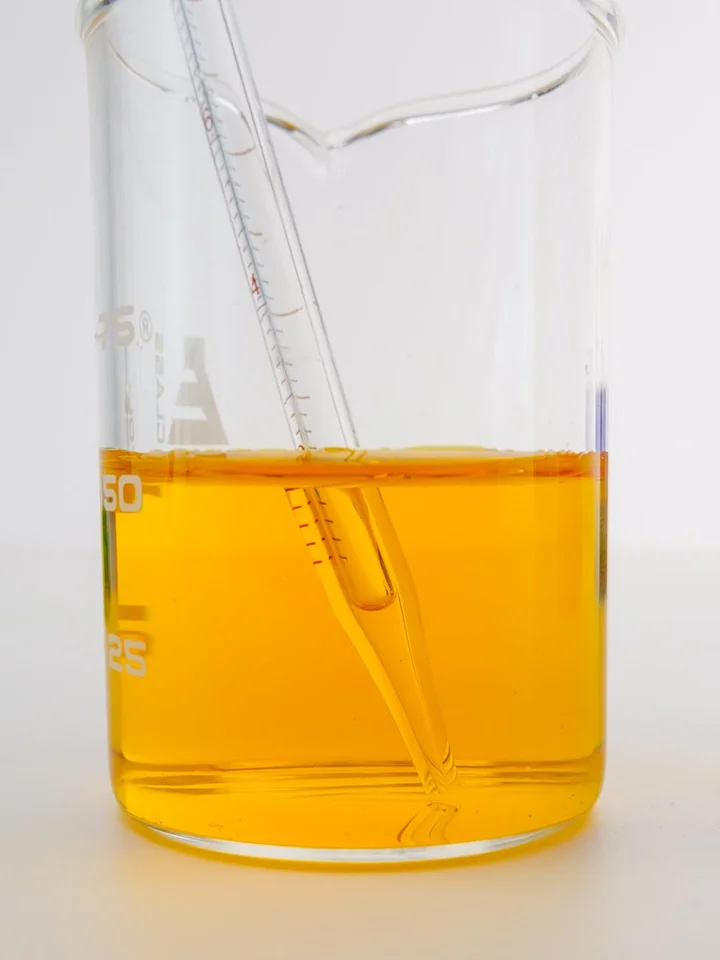
Think of a professional glycolic peel as a concentrated reset button for your skin. While a single treatment can give you a fresh glow, lasting change for specific concerns requires a plan.
How Many Peels to Target Your Concern
I map out treatment series based on what we’re trying to achieve. The goal is consistent, gentle nudges toward improvement, not one traumatic shock to your skin.
- For improved texture and dullness: Many clients, like Lina, see a smoother, more radiant complexion after just 1-2 peels. A series of 3-6 treatments, however, builds on that result for lasting clarity.
- For fading dark spots and sun damage: This requires more patience. Melanin sits deep. A consistent series of 4-6 peels, spaced appropriately, allows us to gradually lift that pigment to the surface where it can flake away.
- For mild, stubborn acne: Glycolic acid helps keep pores clear and reduces breakouts. A series of 3-5 peels can make a significant difference in frequency and severity. For inflamed, cystic acne, we choose a different path entirely.
A professional series creates cumulative benefits that a single treatment or at-home product cannot match.
The Standard Treatment Schedule
Your skin needs time to complete its renewal cycle between sessions. Rushing this process leads to irritation, not better results. The typical schedule is a peel every 2 to 4 weeks. I often start clients on a 3-week cycle. This gives the skin enough recovery time while maintaining momentum. After your initial series, maintenance peels every 4-8 weeks can help preserve your results.
What to Expect During and After
Knowing what’s normal prevents unnecessary worry. During the peel, you’ll feel a mild tingling or warming sensation that lasts a few minutes. We neutralize it when the time is right.
The days after are where the magic happens subtly. Do not expect your face to peel off in sheets like a movie. Instead, expect:
- Day 1-2: Some redness (like a mild sunburn) and tightness.
- Day 2-4: Light flaking or “frosting” of dry skin, often around the mouth and nose. It’s more like having dry skin than shedding a layer.
- Day 5-7: The reveal. Your skin feels incredibly soft, looks brighter, and makeup applies smoothly.
Realistic expectations are key: a peel reveals healthier skin underneath; it does not create perfect skin overnight.
Why the Neck and Chest Need a Gentler Touch
I treat the neck and décolletage with kid gloves. The skin here has fewer oil glands and a thinner outer layer. It’s more prone to redness, irritation, and post-inflammatory hyperpigmentation (those dark spots that linger after inflammation).
We often use a lower acid concentration, a shorter application time, or even a different, milder acid altogether for this area. The goal here is gentle support, not intense renewal.
Contraindications & Safety Warnings: When to Press Pause
Glycolic acid is a powerful tool, and even the best tools aren’t right for every job. Knowing when to stop is as important as knowing how to start.
When to Avoid Glycolic Acid Entirely
If any of these apply, press pause and consult your dermatologist or esthetician.
- Active, open breakouts or wounds: Applying acid over raw skin is like pouring lemon juice on a cut. It stings dramatically and can worsen inflammation and scarring.
- A visibly compromised skin barrier: If your skin is already red, burning, flaky, or sensitive to products it usually tolerates (like my client Noah during a reactive flare), adding an exfoliant will dig the hole deeper. Focus on repair first.
- Immediately after certain procedures: Wait at least one week after waxing, threading, or dermaplaning, and at least 4 weeks after laser treatments or deep chemical peels. Your skin needs to fully heal.
- During pregnancy or breastfeeding: While the systemic risk from topical application is considered very low, many clinicians, including myself, adopt a “better safe than sorry” policy and recommend avoiding high-concentration peels during this time.
Recognizing and Fixing Over-Exfoliation
Your skin will tell you when it’s had enough. Listen to it. Signs you’ve overdone it include:
- Persistent redness that looks more like a rash than a flush.
- Stinging or burning when applying even gentle, hydrating products.
- A feeling of tightness, dryness, or texture that resembles sandpaper.
- Increased shine but with dryness underneath-a sign your barrier is leaking water.
If this happens, stop all actives immediately. This is not the time to “push through.”
Switch to a repair routine for at least one week: a gentle cleanser, a fragrance-free barrier repair moisturizer with ceramides, and a mineral sunscreen. Think hydration and protection, not correction.
The Non-Negotiable: Sunscreen
Using glycolic acid without sunscreen is like getting a superb paint job on your car and then leaving it outside in a hailstorm. Fresh, new skin is more vulnerable to UV damage. Sun exposure after a peel can lead to dark spots instead of fading them. After a peel, consider a layering approach using both physical and chemical sunscreens to bolster protection as your skin heals. This hybrid protection can help guard fresh skin against UV damage more effectively.
You must apply a broad-spectrum SPF 30 or higher every single morning, without fail, rain or shine. This is the most critical step in your entire glycolic acid routine.
Tailoring Frequency for Your Skin’s Needs
How often you use glycolic acid isn’t a set rule. It’s a personal rhythm you find based on what your skin is asking for. I adjust routines for clients all the time, and the frequency shifts dramatically depending on their goal and where on the body they’re applying it—such as on the face or other areas.
For Specific Skin Goals
Think of your skin goal as the destination and frequency as your pace. You wouldn’t sprint a marathon from the start.
Managing Body Acne (Like “Bacne”): The skin on your back and chest is thicker and often less sensitive than facial skin. This means it can usually handle more frequent exfoliation. For persistent body breakouts, a glycolic acid body wash or lotion used 3 to 4 times a week is a strong starting point. You can often build to daily use if there’s no irritation. The key is letting the product sit on the skin for 60-90 seconds in the shower before rinsing to allow the acid to work.
Fading Post-Inflammatory Marks: Those dark spots left after a pimple heals need consistent, gentle encouragement. Here, frequency is about patience. Using a leave-on glycolic acid serum (around 7-10% concentration) 2 to 3 times per week steadily accelerates cell turnover to fade those marks. For post-inflammatory hyperpigmentation, a targeted brightening routine can support these gains and help even skin tone. My client Maya found this schedule perfect for lightening her post-acne marks without causing new redness. Fading hyperpigmentation requires a slow and steady approach, where glycolic acid applied a few times a week works gradually to reveal clearer skin underneath.
Addressing General Dullness: If your main concern is a lack of radiance or rough texture, you likely need less frequent application. A glycolic acid toner or a gentle overnight cream used just 1 to 2 times per week can be enough to sweep away dead cells and bring back a glow. For someone like Noah, who prefers minimal routines, this infrequent use makes a noticeable difference in skin softness.
Glycolic Acid Versus Other Common Acids
It helps to see where glycolic acid fits among other popular exfoliants. This comparison clarifies why frequency differs. The chemistry behind AHAs and BHAs—how glycolic and salicylic acids work on the skin—helps explain their different usage patterns.
- Salicylic Acid (BHA): This oil-soluble acid is like a deep pore cleaner. It’s excellent for daily use in cleansers for oily, acne-prone skin types to manage blackheads and active bumps. Glycolic acid (an AHA) works on the skin’s surface for overall renewal. For acne, you might use salicylic daily and glycolic 2-3 times a week for marks and texture.
- Lactic Acid (AHA): A gentler cousin to glycolic acid, lactic acid has a larger molecule size and offers some hydration. For sensitive or dry skin like Noah’s, a lactic acid product can often be used more frequently-even every other day-compared to glycolic. Glycolic acid is the strongest common AHA, so its starting frequency is typically lower than lactic acid to prioritize skin comfort and barrier health.
The Visible Benefits of Correct Frequency
When you match the frequency to your skin’s tolerance and goal, the improvements are clear and cumulative. Consistent, appropriate use leads to a cascade of positive changes.
Within a few weeks, you can expect smoother skin that feels uniform to the touch. Over time, pores can appear less clogged and post-acne marks gradually soften. My client Lina, with her combination skin, uses a glycolic acid serum twice a week. This schedule keeps her T-zone refined without stripping moisture from her cheeks, giving her an overall balanced brightness. Finding your ideal glycolic acid frequency builds a foundation for resilient, luminous skin that responds well to other products in your routine, especially when combined with the right acid treatments for your skin condition.
Your skin’s feedback is the most reliable guide. If you feel persistent tightness, see redness, or experience stinging beyond a mild, brief tingle, it’s a sign to reduce how often you apply it. Start slow, observe closely, and adjust. Your skin will tell you when the rhythm is right.
Your Glycolic Acid Frequency Questions, Answered
How do I know when it’s safe to increase my at-home glycolic acid frequency?
Increase frequency only when your skin shows no signs of irritation (like redness or stinging) and feels consistently comfortable after application. A good rule is to wait at least two weeks at your current pace before adding another night per week.
Can I use my at-home glycolic acid when I’m getting professional peels?
No, you should pause all at-home glycolic acid products for at least one week before and after a professional peel. This allows your skin barrier to be fully prepared for the treatment and to focus on healing afterward without risk of overload.
What long-term benefits come from finding my perfect glycolic acid frequency?
Consistent, correct frequency builds skin resilience, leading to lasting clarity and a more even tone with fewer fluctuations. You’ll maintain results with less effort, as your skin’s renewal cycle becomes optimally regulated.
Finding Your Skin’s Glycolic Acid Rhythm
The most reliable rule with glycolic acid is to treat frequency as a personal experiment, not a fixed schedule. Your skin’s comfort and response will always be the best guide for daily use, while professional peels belong in the hands of your trusted esthetician or dermatologist.
- Start with one night a week for daily products, and only increase if your skin feels calm and resilient.
- If you experience stinging, redness, or flaking, pause use and focus on barrier repair with a gentle moisturizer.
- Applying a broad-spectrum sunscreen every morning is non-negotiable, as glycolic acid makes your skin more sun-sensitive.
- For a professional peel, your first step is always a consultation to assess your skin’s needs and history.
- Remember that gentle, consistent use delivers better long-term results than aggressive, occasional treatments.
I love hearing how your routines evolve. If you have more questions after reading this, you can always find me and other skin-savvy readers talking in the comments on the LuciDerma blog. Your unique experience helps everyone learn.
Citations and Authoritative Sources
- r/SkincareAddiction on Reddit: [Product question] How often do you use The Ordinary Glycolic Acid toner?
- How Often to Use Glycolic Acid: Ingredient and Application Guide – Perfect Image
- Glycolic Acid Treatment: How Often Should It Be Used? – Typology
- Everything you need to know about glycolic acid (including how often you should be using it) – Dermatology Studios Ltd
- How to Use Glycolic Acid in Your Skincare Routine
- When to Use Glycolic Acid: Everything You Should Know | IT Cosmetics
- Is It OK to Use Glycolic Acid Every Day?
- The Percentage of Glycolic Acid Doesn’t Matter. Here’s Why. – Dermatologist’s Choice Skincare
- Using glycolic acid in summer with Pauline, Training Manager | Laboratoire ENEOMEY
- Can I use glycolic acid everyday? Dermatologist explains. – Dermatologist’s Choice Skincare
Lucy Zimmerman
Lucy is an expert author and blogger when it comes to skin care and body care. She has first hand expertise acting as skin care consultant for over 5+ years helping her clients achieve smooth blemish free skin with natural and working remedies. She also has been an avid experimenter and tried out all the natural and artificial remedies and treatments so you can learn from her first hand experience. Additionally, she has traveled to many countries around the world and incorporated the skin care routines she has learnt into this blog. So, wait no more, reach out to Lucy if you have any specific needs and follow her blog, LuciDerma for expert skin care advice.