
Retinol and Benzoyl Peroxide: Your Step-by-Step Guide to Combining Them Safely
If you’re staring at these two powerhouse bottles, wondering if mixing them will help or hurt your skin, I get it. In my clinic, this is one of the most common questions I hear from people like Noah, who wants to tackle acne without wrecking his dry, sensitive barrier.
This guide will walk you through the practical steps so you can make an informed choice for your routine:
- Learn how retinol and benzoyl peroxide interact on a chemical level, so you understand exactly why they can be tricky partners.
- Follow a clear layering schedule for morning and night that minimizes the risk of redness and peeling.
- Recognize the signs of irritation and how to calm your skin quickly with gentle, effective methods I use daily.
You have the power to use both ingredients successfully, and I’ll show you the straightforward path to get there.
Retinol vs. Benzoyl Peroxide: What Are You Really Working With?
Think of your skin cells as tiny bricks in a wall. Over time, old, dull bricks pile up on the surface, and the structure underneath can get a bit wobbly. This is where our two main players come in, and they have very different jobs.
Retinol is your skin’s renovation crew. It works deep within your skin to speed up the natural process of cell turnover. It encourages your skin to shed those old, dull “bricks” more quickly and helps build newer, healthier, and more evenly textured skin in their place. This is why it’s famous for tackling fine lines, sun damage, and smoothing overall texture. Retinol’s properties include boosting collagen and speeding up cell turnover. These effects help explain why it improves texture and elasticity.
Benzoyl peroxide is a targeted disinfectant. Its job isn’t renovation; it’s sanitation. Acne-causing bacteria (c. acnes) thrive in clogged, oily pores. Benzoyl peroxide releases oxygen into the pore, creating an environment where those bacteria simply cannot survive. It’s a powerful, localized treatment for active breakouts. In many acne regimens, salicylic acid and benzoyl peroxide work together to tackle different aspects of acne.
You’ll find them in different types of products:
- Retinol is typically in leave-on treatments like serums, creams, and prescription formulas.
- Benzoyl Peroxide is versatile. It comes in cleansers you rinse off, leave-on creams, gels, and targeted spot treatments.
My client Maya, who deals with oily, acne-prone skin, once described benzoyl peroxide as her “firefighter” for sudden flares, while she saw her retinol serum as the “city planner” working long-term to prevent future congestion. It’s a helpful way to frame their roles.
The Big Chemistry Question: Do They Cancel Each Other Out?
This is the heart of the issue. When clients like Noah ask, “can I mix benzoyl peroxide and retinol?” they’re asking a great chemistry question. The short, simple answer is yes, they can interfere with each other.
Benzoyl peroxide is what’s called an oxidizing agent. Retinol, a form of vitamin A, is sensitive to oxidation. If you apply them together at the exact same time, the benzoyl peroxide can degrade the retinol molecule, making your retinol less effective before it even gets a chance to work (regardless of the percentage). This is the core of the “cancel out” concern.
But here is the crucial, reassuring part I tell everyone in my consultation room: This chemical quirk doesn’t ban both ingredients from your skincare cabinet; it just requires a smart schedule. You manage the timing so they aren’t on your skin simultaneously, allowing each one to do its job effectively.
It’s like knowing you shouldn’t use a strong acid cleaner right after applying a fresh coat of wood polish. You wouldn’t give up on either product; you’d just use them at different times to protect the work of each. Your skin routine requires the same thoughtful planning.
Your Practical Blueprint: How to Safely Use Both
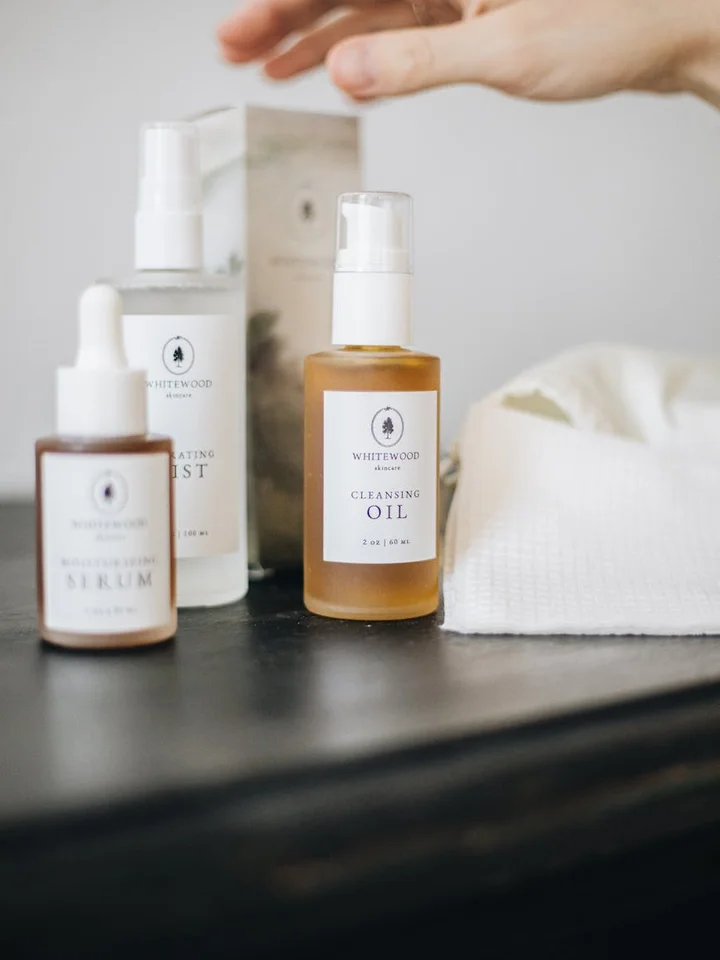
So, can you use benzoyl peroxide and retinol? The answer is a careful yes, but you need a strategy. Applying them at the same time is a recipe for irritation. The goal is to get the benefits of both without the fallout. Think of it like coordinating two powerful team members on separate shifts so they can both do their best work without conflict.
The Gold Standard: Alternating Nights Method
This is my top recommendation for most clients, like Maya who is managing breakouts while trying to smooth texture. It gives your skin a full night to process one active before introducing the other.
- Night 1 (Retinol): Cleanse gently, apply a pea-sized amount of retinol to dry skin, and follow with a moisturizer.
- Night 2 (Benzoyl Peroxide): Cleanse, apply your BP treatment (cream or gel) to affected areas or all over, and follow with moisturizer.
- Night 3: Give your skin a rest. Focus on hydration and barrier repair with ingredients like ceramides and soothing oils.
- Repeat the cycle. You can adjust the rest night frequency based on how your skin feels.
This method provides a clear, predictable rhythm that minimizes the risk of overwhelming your skin’s defenses.
The AM/PM Split Method
This approach works well for people like Noah, who prefer to keep their evening routine simple and calming. It relies on separation.
- Morning (Benzoyl Peroxide): Use a benzoyl peroxide wash, leaving it on for 60-90 seconds before rinsing. This short contact time is effective for killing bacteria with less irritation risk than a leave-on treatment. Follow with moisturizer and sunscreen.
- Evening (Retinol): Use a gentle, non-BP cleanser. On dry skin, apply your retinol as usual.
Using a benzoyl peroxide face wash in the AM creates significant distance between the two actives. You can safely use retinol at night after a benzoyl peroxide wash in the morning because the BP is fully rinsed off, leaving no active residue to interfere.
A critical rule: never apply retinol and a leave-on benzoyl peroxide treatment directly on top of each other in the same routine. They will likely cancel each other out and significantly increase irritation.
Where Does Salicylic Acid Fit In?
If your routine also includes salicylic acid for blackheads or oil control, treat it like another active player. Use a salicylic acid cleanser on your “rest” nights or in the morning when you’re not using a BP wash. Try not to schedule salicylic acid treatments on the same night you use retinol, as this can be drying.
The Interaction Matrix: What to Mix & What to Avoid
Think of your skincare routine as building a compatible team. Here’s a quick guide to who works well with our two main players and who to schedule separately.
| Ingredient | Pairs Well With Benzoyl Peroxide | Pairs Well With Retinol | Use Caution / Avoid Combining |
|---|---|---|---|
| Niacinamide | Excellent. It helps soothe BP-induced redness and strengthens the barrier. | Excellent. It calms retinol sensitivity and improves barrier function. | Generally safe with both. |
| Hyaluronic Acid | Yes. Adds crucial hydration to counter BP’s dryness. | Yes. Apply on damp skin before retinol to buffer and hydrate. | Safe friend to all. |
| Ceramides & Peptides | Great for barrier support in your moisturizer. | Ideal partners. They support skin repair and cushion retinol’s effects. | Essential support team. |
| Vitamin C (L-ascorbic acid) | Can be irritating together in high concentrations. Best used separately. | Applying them together can be irritating and unstable. Schedule apart. | Split the shift: Use Vitamin C in the AM, and your retinol or BP at night. |
| Other Exfoliating Acids (AHA/BHA) | Combining leave-on acids with BP can be very harsh on the barrier. | Using them the same night as retinol is a common cause of over-exfoliation. | Use on alternate nights or different times of day. Cleanse forms are gentler. |
Contraindications & Safety: When Not to Try This Combo
Your skin’s current condition matters more than any routine. Pushing forward when your skin is waving a white flag will only set you back.
Pause or avoid combining retinol and benzoyl peroxide if:
- You have active, visible irritation: stinging, significant redness, or burning with gentle products.
- Your skin barrier is compromised. Telltale signs include persistent tightness, flakiness, rough texture, or sensitivity to water.
- You are pregnant, breastfeeding, or trying to conceive. Consult your doctor about retinol use.
- You’ve recently had an in-office treatment like a chemical peel, microdermabrasion, or laser. Wait until your clinician gives you the all-clear.
- You are introducing both ingredients for the very first time. Start one at a time, introducing it slowly (1-2 times a week) for a few weeks before even considering adding the second. This helps you identify the cause if irritation occurs.
Listen to your skin like my client Lina does. If you feel unusual tightness or see increased redness, take a step back. Simplify your routine to a gentle cleanser, a bland moisturizer, and sunscreen for a few days until your skin feels resilient again.
Soothing the Way: How to Prevent and Manage Irritation
Even with perfect layering, using two potent ingredients can sometimes lead to a tight, flaky, or red reaction. Think of your skin barrier like a brick wall. Retinol and benzoyl peroxide can loosen some mortar between the bricks (your skin cells) to rebuild it stronger. But if you do too much too fast, the wall gets fragile. A rescue plan helps repair that mortar quickly.
If your skin feels raw or looks scaly, pause both actives for a few nights. Your skin is telling you it needs a break to rebuild. During this reset, your routine has one job: comfort and repair.
Follow this simple rescue plan for 3 to 5 days, or until calm is restored:
- Cleanse with a gentle, non-foaming, fragrance-free wash.
- Apply a hydrating toner or serum packed with calming ingredients.
- Slather on a rich, barrier-repair moisturizer.
- In the morning, always finish with a broad-spectrum SPF 30 or higher.
Seek out formulas with these gentle, supportive ingredients that act like first aid for your skin. Hyaluronic acid draws water into parched skin. Centella asiatica (or cica) is a superstar for reducing redness and cooling heat. Panthenol (vitamin B5) soothes and helps skin heal itself. Centella asiatica has long been valued in skincare for its calming, healing properties. This makes it a natural highlight when exploring centella asiatica benefits skincare.
Never underestimate the power of a good moisturizer and sunscreen. A robust moisturizer traps water and fortifies your skin’s protective layer, making it more resilient to treatment. Sunscreen is non-negotiable because retinoids and irritated skin are more vulnerable to sun damage, which can worsen post-acne marks.
I remember my client Noah, who has dry, reactive skin. He started using a low-dose retinol and a benzoyl peroxide wash and experienced some flaking on his cheeks. Instead of quitting, he took a two-night break and added an extra layer of a simple, ceramide-rich barrier cream over his usual moisturizer. This “sandwich” of hydration worked. His skin adjusted without further drama, and he could continue his treatment plan smoothly.
What About Prescription-Strength Options?
The world of retinoids can be confusing. Over-the-counter retinol is a precursor that your skin converts into retinoic acid, the active form. It’s effective but works gradually. Prescription retinoids, like tretinoin and adapalene (the ingredient in Differin gel), are already in the active form. They are more potent and work faster, but this also means a higher likelihood of irritation, especially during the initial “retinization” period.
This brings us to a common question: can you use benzoyl peroxide with tretinoin? The old advice was to never mix them, as BP was thought to degrade tretinoin. Modern formulations have solved this. In fact, prescription combinations like Epiduo (which contains adapalene and benzoyl peroxide) are specifically designed to be stable and effective together for treating acne.
While these combined prescriptions exist, self-mixing a separate tube of tretinoin with a separate BP product at home is a different story and carries a much higher risk of severe irritation. You lose the controlled, stable formulation that makes products like Epiduo viable. If you are on a prescription retinoid, your dermatologist’s guidance on what else to use is essential.
For stubborn acne or concerns about post-inflammatory scars, a dermatologist is your best resource. They can assess your skin, prescribe the right strength and combination for you, and create a personalized plan that manages irritation from the start. What you read about online, especially regarding scarring, often relates to someone else’s unique skin journey. Your plan should be yours.
If This Feels Like Too Much: Effective Alternates
Combining retinol and benzoyl peroxide is a high-performance strategy, but it’s absolutely not a requirement for clear, healthy skin. If the idea of managing that routine makes you pause, listen to that instinct. There are sensible alternatives for acne-prone skin, including benzoyl peroxide, salicylic acid, and selective use of retinoids.
Your skin’s long-term comfort and health are always more important than using every potent ingredient at once. Many of my clients, like Noah with his dry, reactive skin, thrive on a far simpler approach.
Strategy 1: Focus on One Powerhouse
Instead of forcing two strong actives to coexist, choose one as your primary treatment and support it with a gentler, compatible partner.
- If You Choose Retinol (for aging, texture, cell turnover): Pair it with azelaic acid. Azelaic acid is brilliant at calming redness and tackling mild acne without significantly compromising your skin barrier. It’s a favorite for clients like Lina, who need to manage occasional breakouts without upsetting her sensitive cheeks.
- If You Choose Benzoyl Peroxide (for active, inflamed acne): Pair it with a Polyhydroxy Acid (PHA). PHAs like gluconolactone offer gentle exfoliation and hydration. They help smooth skin and clear pores without the sensitivity risk of stronger acids, making them a perfect, soothing teammate for BP’s aggressive approach.
Strategy 2: The Power of Consistency Over Complexity
A simple, non-irritating routine you can follow every single day will always deliver better results than a complicated regimen that leaves your skin red and raw twice a week.
Think of it like building strength: lifting a moderate weight consistently leads to steady progress, while sporadically trying to lift too much leads to injury and setbacks. Consistency with a gentle, effective routine beats a reactive, complicated one every time.
Your path is your own. Whether you meticulously layer actives in the evening or prefer a straightforward cleanse-treat-moisturize routine, the best choice is the one that feels sustainable and keeps your skin calm and resilient. Trust what your skin tells you.
Your Retinol and Benzoyl Peroxide FAQs
Can retinol and benzoyl peroxide help with acne scarring?
Retinol gradually improves skin texture and fades post-inflammatory marks, while benzoyl peroxide prevents new breakouts that cause scars. For visible results, use them on alternate nights to allow each to work effectively without compromise.
How do I add salicylic acid to a routine with retinol and BP?
Incorporate salicylic acid as a cleanser on mornings or nights when you’re not using retinol or benzoyl peroxide. This avoids over-exfoliation and keeps your skin barrier balanced and resilient.
Can I use vitamin C with retinol and benzoyl peroxide?
Yes-apply vitamin C in the morning to harness its antioxidant benefits alongside sunscreen. Use retinol or benzoyl peroxide in the evening to prevent irritation and ensure each ingredient stays stable and potent.
Final Thoughts on Balancing Retinol and Benzoyl Peroxide
The single most important piece of advice I can give you is this: patience and timing are everything when combining retinol and benzoyl peroxide. By using them at separate times of day and listening closely to your skin’s signals, you can harness their benefits without inviting unnecessary redness or peeling. It’s a balancing act that rewards a gentle, consistent approach over rushing for quick results. For beginners with sensitive skin, the best retinol percentage is typically the lowest effective one. Starting low and monitoring your skin’s response lets you progress safely as you gain tolerance.
- Apply your benzoyl peroxide treatment in the morning and your retinol product at night to prevent them from destabilizing each other.
- Begin with just one or two nights a week of retinol use, and always follow with a calming, barrier-supporting moisturizer.
- If any stinging, significant dryness, or redness appears, pause both actives and soothe your skin with a simple routine of gentle cleanser and hydrating cream for a few days.
- Remember that sunscreen is non-negotiable every single morning, as both ingredients can make your skin more sensitive to the sun.
Navigating active ingredients like these can feel tricky, but you’re not alone in figuring it out. I’m always writing on LuciDerma to help demystify skin care with clear, actionable guidance. If you have more questions about your specific routine, I invite you to send them my way-your journey to confident, healthy skin is what this blog is all about.
Deep Dive: Further Reading
- Can You Combine Benzoyl Peroxide and Retinol Safely? – SLMD Skincare by Sandra Lee, M.D. – Dr. Pimple Popper
- Can I Use Benzoyl Peroxide With Retinol In The Same Routine?
- The Right Way to Use Benzoyl Peroxide and Retinol Together According to Skin-Care Experts
Lucy Zimmerman
Lucy is an expert author and blogger when it comes to skin care and body care. She has first hand expertise acting as skin care consultant for over 5+ years helping her clients achieve smooth blemish free skin with natural and working remedies. She also has been an avid experimenter and tried out all the natural and artificial remedies and treatments so you can learn from her first hand experience. Additionally, she has traveled to many countries around the world and incorporated the skin care routines she has learnt into this blog. So, wait no more, reach out to Lucy if you have any specific needs and follow her blog, LuciDerma for expert skin care advice.