
Adapalene Gel: Your Face Map for Effective Acne Treatment
You have the adapalene gel ready, but figuring out where to put it on your face feels like a puzzle. Let me simplify it with the straightforward advice I give in my clinic.
By the end of this guide, you will know exactly how to place your adapalene for clearer skin without the common pitfalls.
- Identify the key acne-prone zones that need your gel the most.
- Understand which delicate areas to avoid to prevent irritation.
- Build a simple, effective nightly routine around your treatment.
Getting this right turns a good product into a great result for your skin.
What Exactly Is Adapalene and How Does It Help Your Skin?
Think of retinoids like a team of helpers for your skin. Retinol is a gentle, over-the-counter player that works slowly. Prescription tretinoin is the powerful veteran. Adapalene is the smart, targeted specialist that became available to everyone without a prescription.
It’s what we call a third-generation retinoid. This means it’s designed to be very effective at targeting acne with potentially less irritation than some older formulas.
Its primary job is to clear out clogged pores by normalizing how your skin cells behave, which makes it excellent for preventing those deep, painful pimples. It also calms inflammation (the redness and swelling) and speeds up skin cell turnover, helping to fade dark marks left behind by old breakouts.
Because you can now find it on the shelf next to your cleanser, using it correctly is everything. The right ingredient in the wrong place can lead to frustration instead of clear skin.
The Adapalene Application Map: Your Zone-by-Zone Guide
Before we talk about where, let’s get the how right. This is non-negotiable for success.
Always apply adapalene to clean, completely dry skin. I tell my clients to wait a full 5-10 minutes after washing and patting their face dry. Applying to damp skin can drive the product deeper and increase irritation dramatically.
Use a pea-sized amount for your entire face. Not a chickpea, not a lima bean. Think of a single, small green pea from the freezer bag. This is plenty.
The best technique is the “dot and spread” method:
- Dot tiny amounts of gel onto the main areas of your face: forehead, each cheek, nose, and chin.
- Using clean fingertips, gently spread and blend the dots into a thin, even layer.
- You’re aiming for a sheer film, not a thick mask.
Priority Zones: Where Acne Loves to Live
Your T-zone (forehead, nose, chin) is usually ground zero for excess oil and clogged pores. Apply here consistently, as this is where adapalene can do its best work of keeping pores clear and preventing blackheads.
Cheeks and temples can be more sensitive for people like my client Lina. She uses a lighter hand when blending over these areas and always follows with a good moisturizer.
Don’t forget your jawline and under the chin. These are critical spots for hormonal acne. My client Maya found her deep, cystic breakouts along her jaw improved significantly once she made sure to include this area in her application.
And yes, you can absolutely put adapalene on your nose. For blackheads and oiliness, it’s one of the most effective over-the-counter tools you have.
Proceed-with-Caution Zones
The skin on your neck and décolletage is thinner and has fewer oil glands. It is much more prone to dryness, redness, and peeling when using retinoids.
If you want to use adapalene on your neck, you must patch-test first and use an even smaller amount, diluted with your moisturizer. Apply it only 1-2 times a week initially to see how your skin tolerates it. My client Noah, who has reactive skin, opts for a gentle bakuchiol serum on his neck instead for similar benefits without the risk.
Off-Limits Zones: Where Adapalene Should Never Go
Keep adapalene far away from your immediate eye area. This means your eyelids, the skin right under your lower lash line, and the corners of your eyes.
The answer to “can adapalene be used under eyes?” is a firm no. The skin there is extremely thin and delicate. Adapalene will migrate, and it can cause severe dryness, irritation, and even lead to chronic redness or dry eye symptoms.
Also avoid the lip border (where you might get peri-oral dermatitis) and any area with broken skin, active rashes, or a sunburn. Let your skin barrier heal completely before reintroducing any active treatment.
Should You Apply Adapalene All Over Your Face?
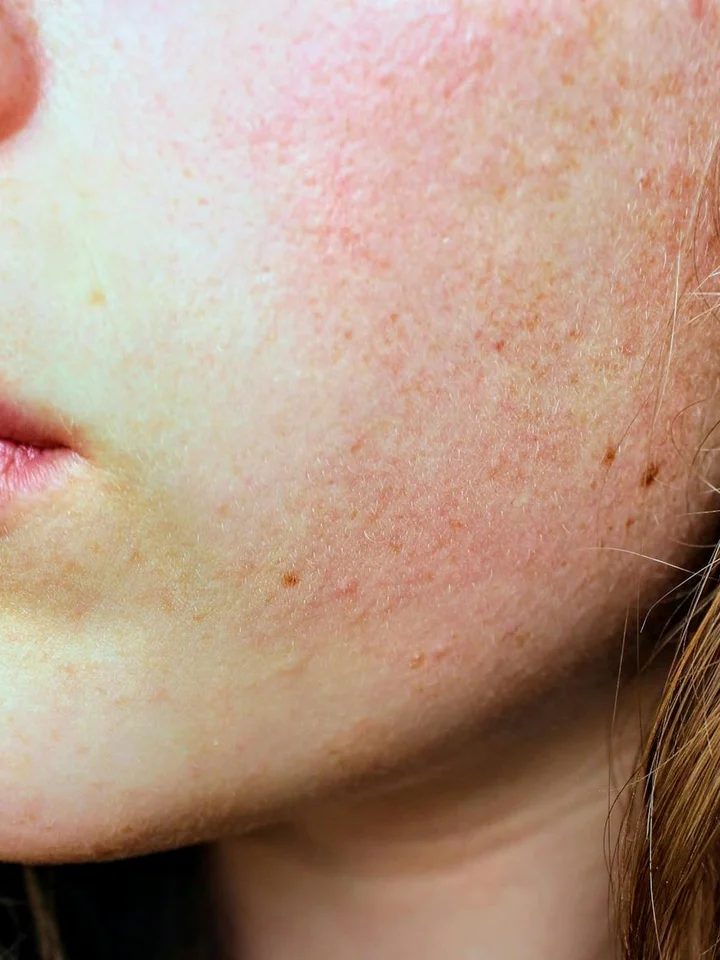
Yes, you can apply adapalene all over your face. You can apply adapalene on your whole face. This is the standard, most effective method for treating and preventing widespread acne.
Think of it like this: adapalene works beneath the surface to normalize skin cell turnover and calm inflammation. If you only dab it on the pimple you can see today, you’re ignoring the microscopic clogs forming elsewhere that will become next week’s breakout. Full-face application treats the acne you have and helps prevent the acne you don’t see yet.
Full-Face vs. Spot Treatment: Which is Right for You?
Use adapalene on your entire face if you have more than just a few occasional pimples. This includes persistent blackheads and clogged pores, or clusters of bumps across your forehead, cheeks, or jawline. My client Maya, with oily, acne-prone skin, uses it this way to manage her consistent breakouts.
Using adapalene as a spot treatment is generally less effective and not typically recommended. It’s a bit like watering only one wilting leaf on a plant instead of hydrating the roots. For a single, rare pimple, a dedicated spot treatment with ingredients like sulfur might be a better choice.
Navigating the “Retinization” Period
When you first start using adapalene, your skin goes through an adjustment phase called “retinization.” You might notice more dryness, flaking, or even a temporary increase in breakouts. This is normal and a sign the medication is working. Understanding when you apply adapalene can influence both its efficacy and the irritation you may experience. In the next steps, we’ll explore the best application timing and how to manage any irritation while maximizing results.
Applying it to your whole face means this adjustment period happens all at once, but it also means your skin builds tolerance uniformly. Spot treating would drag this process out inconsistently. The goal is to support your skin through this 2-6 week phase, not avoid it.
Your Game Plan for Getting Started
To minimize irritation, start gradually. Here is a simple schedule to follow:
- Weeks 1 & 2: Apply a pea-sized amount to your entire face every other night.
- Week 3 Onward: If your skin is tolerating it well (minimal redness or stinging), you can move to nightly application.
- Always apply to completely dry skin, 20-30 minutes after cleansing.
My client Noah, with dry and reactive skin, started with just two nights a week over his moisturizer (a technique called “buffering”) and slowly worked up. Listen to your skin-it’s your best guide.
How to Fit Adapalene Into Your Evening Routine Safely
Order is everything with active ingredients. A simple, supportive routine helps adapalene work effectively while keeping your skin barrier happy.
The Step-by-Step Evening Routine
- Cleanse: Use a gentle, non-drying cleanser to remove sunscreen and impurities.
- Wait: Pat your face dry and wait 20-30 minutes. Applying adapalene to damp skin can increase irritation.
- Adapalene: Dispense a pea-sized amount. Dot it on your forehead, cheeks, nose, and chin, then smooth it into a thin layer over your entire face. Avoid the immediate eye area and lips.
- Moisturize: Wait another minute or two, then apply your moisturizer. This step is non-negotiable for comfort and barrier health.
Ingredients to Use With Adapalene (Your Support Team)
These ingredients help counteract dryness and soothe your skin:
- Hyaluronic Acid: A hydration magnet. Apply it to damp skin right after cleansing, before your waiting period.
- Ceramides & Peptides: Found in many moisturizers, they actively repair and strengthen your skin’s protective barrier.
- Soothing Botanicals: Look for moisturizers with centella asiatica, oatmeal, or panthenol (vitamin B5).
Lina, with combination skin, uses a hyaluronic acid serum on her damp cheeks and a light ceramide cream all over to stay balanced.
Ingredients to Avoid on the Same Night
To prevent a red, angry reaction, do not combine adapalene with these other actives in your evening routine:
- Other Exfoliants (AHAs like glycolic acid, BHAs like salicylic acid): This is a classic recipe for over-exfoliation. Use them on different nights or in your morning routine instead.
- Vitamin C (especially L-ascorbic acid): It’s best used in the morning. Using it at night with adapalene can be overly stimulating for many skin types.
- Benzoyl Peroxide: Unless it’s in a specific combination product prescribed by a doctor, using them together can cause significant dryness and irritation. They can cancel each other out.
Think of your skin like a receptive audience-you want to give it one main speaker (adapalene) at night, not a crowded panel of loud voices.
The Non-Negotiable Next Step: Morning Sunscreen
Adapalene makes your skin more sensitive to sunlight. Sun damage is also a primary cause of post-acne dark spots. Applying a broad-spectrum SPF 30 or higher every single morning is the most critical step to protect your skin and your progress. It’s not an option; it’s part of the treatment.
Contraindications & Important Safety Warnings

Before you begin, a few important safety checks. If you are pregnant, planning to become pregnant, or breastfeeding, do not use adapalene without explicit approval from your doctor. While topical retinoids like adapalene have low systemic absorption, the precaution is standard and non-negotiable for your safety.
If you have a diagnosed skin condition like eczema or rosacea, or if your skin barrier is currently severely damaged (think stinging with any product, cracked skin, or major flaking), you need to proceed with extreme caution. Adapalene can be very irritating on already compromised skin. I often advise clients like Noah, who has reactive skin, to focus entirely on barrier repair with a fragrance free cream and a ceramide serum for a few weeks before even considering a retinoid.
Is It a “Purge” or a Bad Reaction?
Your skin might get worse before it gets better, a process we call “purging.” This happens because adapalene accelerates skin cell turnover, bringing existing, lurking clogs to the surface faster. A purge typically looks like small whiteheads or blackheads in areas where you normally break out. It usually starts within 2-6 weeks and subsides.
A bad reaction or irritation is different. It involves symptoms in areas you don’t normally break out, like extreme redness, burning, itching, or peeling that feels raw and painful. Purging happens where you get acne, irritation happens anywhere and everywhere, and it feels uncomfortable. If you experience widespread stinging, rash like redness, or swelling, stop use and let your skin recover.
Your Gentle Supporting Cast
Adapalene works best when your skin is calm and hydrated. A simple, gentle routine is non-negotiable to manage the dryness and peeling it can cause.
- Cleanse with a mild, non foaming cleanser in the evening.
- Apply a basic, fragrance free moisturizer to damp skin. Think of it as a protective buffer.
- Wait until your face is completely dry (about 10-15 minutes), then apply a pea sized amount of adapalene.
- In the morning, your only non-negotiable step is a broad spectrum sunscreen. This is critical, as retinoids make your skin more sensitive to the sun.
Skip any other exfoliating acids (like glycolic or salicylic acid) for at least the first three months to avoid overwhelming your skin. In time, you might explore a gentle glycolic acid daily use exfoliation approach to maintain smoother skin.
When It’s Time to See a Dermatologist

Adapalene is powerful, but it’s not a cure all. There are clear signs that your acne may need a stronger, prescription only approach or a combination therapy managed by a professional. Exploring how adapalene can be paired with other treatments is common, and you may find the best adapalene combinations for acne through professional guidance. Each regimen is tailored, so learning about the options can help you prepare for a discussion with your dermatologist.
If you’re dealing with deeply painful, large cystic nodules under the skin that never come to a head, that’s a key signal. Widespread acne that is leaving scars, or simply no noticeable improvement after using adapalene consistently for 12 weeks are also strong indicators to book an appointment.
A dermatologist can assess your specific acne type and create a targeted plan. This often involves combining adapalene with another treatment, such as a topical antibiotic to fight bacteria or an oral medication like spironolactone for stubborn hormonal acne in women. They have tools and prescriptions that go beyond what’s available over the counter.
Seeking a dermatologist’s help isn’t a last resort or a sign you failed. It’s a proactive, smart step for taking control of persistent skin concerns. Think of them as a strategic partner who can tailor a solution specifically for you, much like I helped my client Lina find the right balance for her combination skin when one product wasn’t enough.
Quick Questions on Applying Adapalene
Can I use adapalene on my neck for anti-aging or texture?
Proceed with extreme caution, as neck skin is much thinner and more prone to irritation. If you choose to, patch-test first and apply a tiny amount, diluted with moisturizer, only 1-2 nights weekly.
How can I tell if I’m using too much product?
If your skin feels tight, raw, or excessively flaky beyond the initial adjustment period, you’re likely using too much. Always stick to a pea-sized amount for the entire face to avoid compromising your skin barrier.
What’s my first step if I experience stinging or redness?
Immediately pause adapalene and focus on gentle barrier repair with a fragrance-free moisturizer. Once your skin is calm, you can restart by applying less frequently or “buffering” the gel over your moisturizer.
Your Clear Skin Blueprint with Adapalene
The most reliable way to use adapalene is to apply a thin layer over your entire acne-prone area, not just on single pimples. This blanket approach treats existing acne and helps prevent new spots from forming beneath the surface. Understanding how adapalene gel is used relates to its effectiveness for acne. This helps explain why consistent application matters. Consistency with this method builds clearer skin over time.
- Dispense a single pea-sized amount for your whole face.
- Dot the gel on your forehead, cheeks, nose, and chin before gently smoothing it in.
- Keep the gel away from your eyelids, the corners of your nose, and your lips.
- Apply it to clean, completely dry skin each night.
- Follow with a soothing, fragrance-free moisturizer to support your skin barrier.
I’m here to help you navigate your skin care with confidence. For more practical guidance like this, follow along with our blog at LuciDerma. If you have questions about adapting this routine for your skin type, send them my way-I read every one and am always happy to share what I’ve learned from years in the treatment room.
Industry References
- Adapalene: MedlinePlus Drug Information
- Adapalene – StatPearls – NCBI Bookshelf
- Adapalene: Uses, Side Effects, Interactions, Pictures, Warnings & Dosing – WebMD
Lucy Zimmerman
Lucy is an expert author and blogger when it comes to skin care and body care. She has first hand expertise acting as skin care consultant for over 5+ years helping her clients achieve smooth blemish free skin with natural and working remedies. She also has been an avid experimenter and tried out all the natural and artificial remedies and treatments so you can learn from her first hand experience. Additionally, she has traveled to many countries around the world and incorporated the skin care routines she has learnt into this blog. So, wait no more, reach out to Lucy if you have any specific needs and follow her blog, LuciDerma for expert skin care advice.