
When to Start Retinol: A Practical Guide by Age
Wondering if you’re the “right” age for retinol is a perfectly normal skin care question, and the answer is more about your skin’s needs than a number on a calendar.
By the end of this guide, you’ll have a clear, personalized plan. You will know:
- The common age ranges for starting retinol and the specific skin goals each one addresses.
- How to choose your first product and integrate it safely, whether you’re in your 20s or your 50s.
- The non-negotiable safety step that makes retinol effective for every single age group.
Think of this as your roadmap to using retinol confidently, on your skin’s own timeline.
Retinol 101: Your Gentle Introduction to a Powerful Ingredient
Think of retinol as a patient coach for your skin cells. It gently encourages them to turn over at a faster, healthier pace. This process helps clear out clogged pores and dull surface layers. At a deeper level, it signals your skin to produce more collagen, the protein that keeps skin springy and firm. This is one of the ways retinol reduces wrinkles and promotes skin elasticity.
It’s important to know retinol is an over-the-counter cousin to prescription retinoids, like tretinoin. Prescription versions are stronger and work more directly. Understanding how their strength and efficacy differ can help you choose the option that fits your skin and goals. These differences also guide how soon you might expect results and whether a gradual approach is best. Retinol is a gentler, more gradual option that your skin converts into the active ingredient it needs. This makes retinol an excellent starting point for most people who want the benefits without the intensity of a prescription.
How Retinol Actually Works on Your Skin
Your skin naturally sheds dead cells. Retinol speeds this up, helping to unclog pores and smooth rough texture. Under the surface, it nudges your fibroblasts (your skin’s collagen factories) to get more active. This is how it helps soften the look of fine lines and improve firmness over time.
The common benefits you can expect include smoothing uneven texture, fading dark marks left by old breakouts, and softening those early fine lines, especially around the eyes and mouth. It’s a multitasker.
The Retinol Family Tree: From Gentle to Potent
Not all vitamin A derivatives are created equal. Here’s a simple breakdown from mildest to strongest:
- Retinyl Palmitate: The mildest form. A good test for very sensitive skin.
- Retinol: The reliable, over-the-counter standard. Effective and widely studied.
- Retinaldehyde (or Retinal): Stronger and faster-acting than retinol, but still available without a prescription.
- Prescription Retinoids (Tretinoin, Tazarotene): The most potent, reserved for significant acne or pronounced photoaging.
For most beginners, retinol itself is the “goldilocks” option-it’s potent enough to see results but gentle enough to manage with a good routine.
Finding Your Starting Line: A Guide by Age & Concern
There is no single perfect age to start using retinol. Your biological age, skin condition, and goals matter far more than the number on your birthday cake. The right time is when your skin has a concern that retinol is proven to address. People often search for “retinol starting age” or “how old should you be to use retinol,” and the honest answer is: it depends on your skin’s story.
Teens to Early 20s: Prevention & Proceed with Caution
Let’s address the big questions: Can teenagers use retinol? Is retinol bad for young skin? For most teens and people in their early 20s, a consistent routine with a gentle cleanser, moisturizer, and daily sunscreen is more than enough. Young skin has a robust natural cell turnover rate. Adding retinol for general “prevention” can be unnecessary and may irritate healthy, functioning skin.
Retinol in this age group is typically a tool for specific, stubborn issues. Using retinol at 18, for instance, isn’t about anti-aging. It’s a considered step for acne that hasn’t responded to other treatments. The default should be a simple routine; retinol is a strategic addition, not a starting point.
When a Teen Might Consider Retinol
This isn’t a DIY decision. A dermatologist might suggest a low-dose retinol in specific scenarios, such as:
- Stubborn post-inflammatory hyperpigmentation (those dark acne marks that linger for months).
- Persistent clogged pores and blackheads that salicylic acid hasn’t managed.
- Mild, consistent acne where other over-the-counter options have failed.
In all cases, this is a “consult a pro” situation. A professional can ensure it’s used correctly and safely without compromising a young skin barrier.
Mid-20s to Early 30s: The Prime “Preventive” Window
This is often the sweet spot for starting retinol. In your mid-20s to early 30s, cell renewal begins to naturally slow down. Early signs of past sun damage or expression lines might start to settle in. This is an ideal time to begin using retinol for preventative aging and to refine skin texture.
So, can you use retinol at age 22? Absolutely, if your goal is to tackle lingering acne scars, prevent the deepening of fine lines, or improve overall clarity. I think of my client, Maya. She started a gentle retinol at 28 to deal with acne scars and the faint lines she noticed on her forehead. Starting slow allowed her skin to adapt without drama, and she now has the consistent, smooth texture she wanted.
Starting in your late 20s or early 30s allows retinol to support your skin’s natural processes as they begin to shift, helping to maintain a healthy baseline.
30s and Beyond: Treatment and Maintenance
If you’re starting retinol in your 30s, 40s, 50s, or beyond, that’s perfectly fine. The focus here often shifts from pure prevention to treating visible signs of aging, like deeper wrinkles, a loss of firmness, or more noticeable sun spots. Retinol is brilliantly effective for this. For those with mature skin over 50, choosing the right retinoid can optimize results and minimize irritation. We’ll look at the best retinoid options for mature skin over 50 next.
The key is to manage expectations and embrace patience. Your skin’s initial adjustment period, often called “retinization,” might require more care. Flaking, dryness, or redness can be more common. Starting later is a great choice, but it requires a committed hydration strategy and a “low and slow” approach to application. A rich, barrier-supporting moisturizer and a dedicated sunscreen become non-negotiable partners in your routine.
The Non-Negotiable Safety Kit: Precautions for Every Age
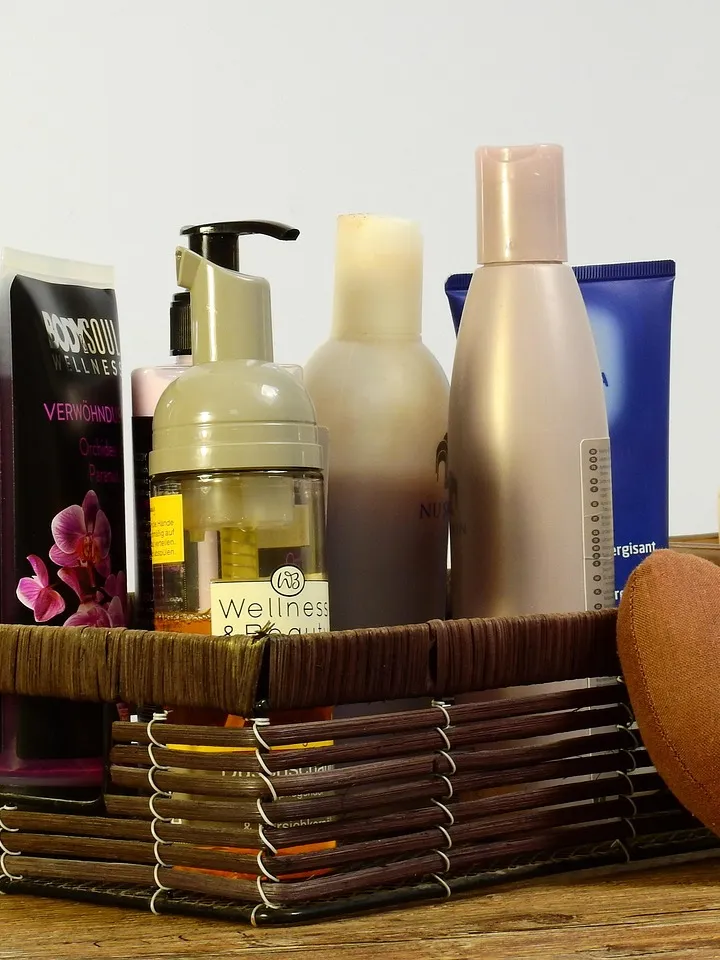
Think of these rules as your universal retinol seatbelt. They keep you safe on the journey, no matter when you start.
Sun Protection is Non-Optional
Retinol speeds up your skin’s natural renewal. This fresh, new skin is more vulnerable to sun damage. Using retinol without sunscreen is like repairing a roof and then leaving it out in a hailstorm.
You must apply a broad-spectrum SPF 30 or higher every single morning, even if you’re indoors near a window or it’s cloudy. This isn’t a suggestion. It’s the rule that makes the entire process safe and effective.
The Slow-and-Low Starter Method
Your skin needs time to build a friendship with retinol. Rushing this relationship never ends well. Here is your exact game plan.
- Frequency: Start by applying it just one or two nights a week.
- Amount: Use a pea-sized amount for your entire face. More is not better.
- Application: Apply it as the last step of your nighttime routine, over your moisturizer. This “buffering” method, which my client Lina loves, dilutes the retinol slightly and reduces irritation.
- Patience: Keep this schedule for at least three to four weeks.
In the first few weeks, you might experience the “retinization” period. This is normal adjustment. You could see some flaking, dryness, or mild redness. Manage this by using a simple, gentle moisturizer and avoiding other active ingredients like AHAs or vitamin C during this phase.
Listening to Your Skin’s Signals
Your skin talks to you. It whispers during adjustment and screams during intolerance. Learning the difference is your most important skill.
Normal adjustment feels like mild tightness or dryness, like you need a bit more moisturizer. You might see some light flaking around the nose or chin that disappears once you moisturize.
Intolerance feels like persistent burning, stinging, significant redness, raw patches, or itchy eczema flares. If you feel this, your skin is asking for a break.
When you hear those louder signals, press pause. Skip retinol for two to three nights, focus on soothing barrier repair with ceramides and glycerin, and then restart at a slower frequency. It’s a dialogue, not a monologue.
When to Press Pause: Contraindications & Red Flags
There are times when the best move with retinol is to not move at all. Knowing these keeps you safe.
Pregnancy, Breastfeeding, and Trying to Conceive
The guidance here is absolute. Avoid retinol and all prescription retinoids. While the systemic risk from topical use is considered low, it is a universal medical recommendation to err on the side of extreme caution.
For a safe, plant-based alternative that mimics some of retinol’s soothing effects, look for bakuchiol. It’s a superstar ingredient you can use without worry during this time.
Sensitive, Reactive, or Barrier-Compromised Skin
If your skin is already in a state of protest, adding retinol is like yelling into a megaphone. You must calm the crowd first.
This applies if you have active rosacea, eczema, dermatitis, or a general feeling that your skin barrier is damaged (everything stings, skin feels rough and tight). Your first job is barrier repair, not stimulation. Focus on a routine rich in ceramides, fatty acids, and cholesterol for at least two to three months.
I worked with my client Noah, who had reactive, dry skin. We spent six months solely on fragrance-free barrier repair creams before his skin was calm and resilient enough to handle a low-dose retinoid twice a week. He built the foundation first.
Broken Skin or Recent Procedures
Retinol is for intact, healthy skin only. Do not apply it to open wounds, popped pimples, waxed areas, or freshly shaved skin. Retinol has skin-renewing properties that promote cell turnover and collagen synthesis, which can improve texture and tone with continued use. These effects rely on a healthy skin barrier and can irritate or dry damaged skin.
If you’ve had an in-office procedure like a chemical peel, microdermabrasion, or laser treatment, you must wait. Your clinician will give you a timeline, but it’s typically a minimum of one to two weeks of healing with only the gentlest products before retinol can be reintroduced. Applying it too soon can cause significant damage and set back your results.
Your First Gentle Retinol Routine: A Step-by-Step Plan
Think of your first retinol routine like teaching your skin a new, gentle skill. Rushing causes frustration. I coach clients through this simple evening plan twice a week, gradually increasing frequency as their skin accepts it. This method builds tolerance without the drama.
Step 1: The Gentle Cleanse
Start with a cleanser that removes the day but doesn’t leave your skin squeaky or tight. A creamy or milky formula is ideal. It should feel like washing your face with a light lotion, not a stripping soap. My client Noah, with his dry skin, uses a fragrance-free milky cleanser to avoid any barrier disruption before his treatment.
A non-stripping cleanse prepares your canvas without weakening your skin’s defenses.
Step 2: The Optional Buffer
This step is for you if your skin flushes easily or feels reactive. Applying a basic, gentle moisturizer to damp skin before retinol creates a protective buffer. It allows the active ingredient to absorb slowly, reducing the shock to your skin. I always suggest this for sensitive types, like Lina, who finds it makes her combination skin much more cooperative.
Buffering is a proven tactic to minimize initial retinol irritation for sensitive or cautious beginners.
Step 3: The Retinol Application
Now, take a pea-sized amount of retinol. That’s it-no more. Dot it onto the forehead, both cheeks, your chin, and your neck. Then, using clean fingertips, blend it outward. Be precise: avoid the immediate eye area (the orbital bone is your guide) and your lips. The skin there is too delicate and can become painfully dry.
Using only a pea-sized amount and avoiding sensitive zones prevents overwhelming your skin and focuses treatment where it’s needed.
Step 4: The Soothing Seal
Finish by applying a calming moisturizer to lock in hydration and comfort. Look for formulas with barrier-supporting ingredients like ceramides, squalane, or colloidal oats. This step is not optional; it’s your safety net. It soothes and protects, ensuring your skin wakes up hydrated, not distressed.
Sealing your routine with a calming moisturizer counteracts potential dryness and supports your skin’s recovery overnight.
Gentler Paths: Retinol Derivatives and Plant-Based Alternatives
If classic retinol feels like too much, you have other roads to similar results. Specifically, granactive retinoid can offer similar benefits with less irritation than standard retinol. These options are perfect for those with persistent sensitivity, specific health considerations, or a simple preference for a milder touch. A quick comparison of granactive retinoid vs retinol helps you find the best fit for your skin.
Milder Cousins: Retinyl Palmitate and Retinaldehyde
These are retinol derivatives that work more gradually. Retinyl palmitate is the gentlest, converting to active retinoic acid through several skin steps. Retinaldehyde is one step closer and can be more effective but still gentler than pure retinol. They are excellent for building foundational tolerance. I often start my most cautious clients, like a younger version of Noah, on one of these to build confidence and resilience.
Retinyl palmitate and retinaldehyde offer a slower, steadier approach to retinoid benefits, significantly lowering the risk of redness and peeling.
Bakuchiol: The Plant-Based Retinoid Mimic
Bakuchiol is a plant extract that communicates with your skin in a way similar to retinol. Research indicates it can help smooth fine lines and even out tone without the typical retinoid irritation. It’s a superb stand-in for those with highly reactive skin, anyone who is pregnant or nursing, or people who prefer botanically-derived actives. Compared to retinol, bakuchiol is far gentler and rarely causes dryness, but the visible results may take a bit more patience.
Bakuchiol provides a genuinely gentle, evidence-backed alternative for those who cannot or prefer not to use traditional retinol.
Putting It All Together: Your Personal Retinol Roadmap
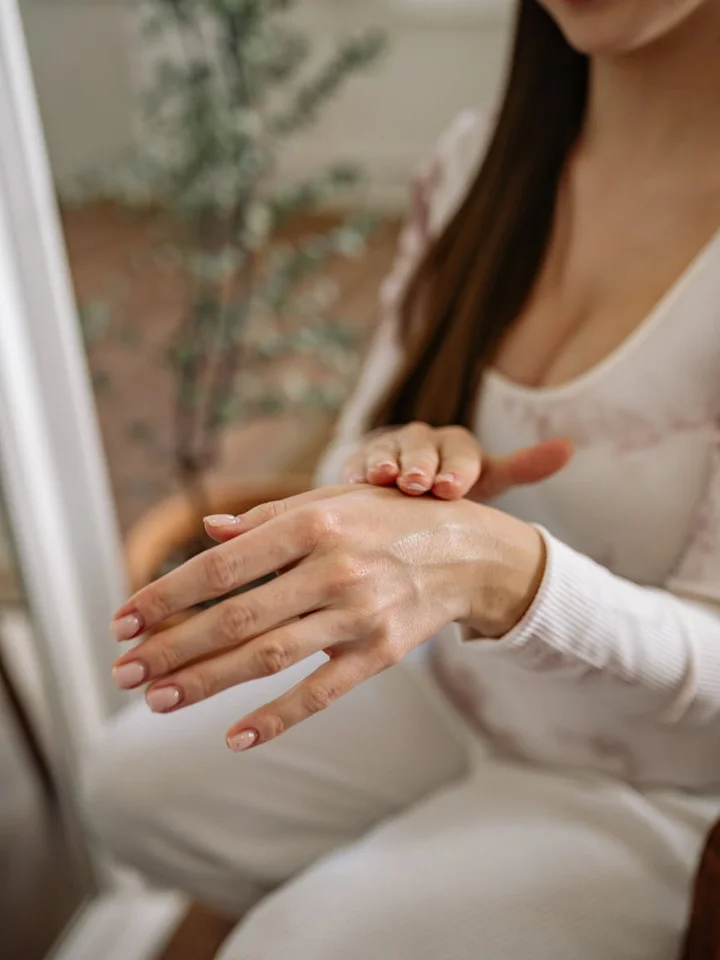
Think of starting retinol like learning a new skill. You wouldn’t run a marathon on your first day of training. Your skin needs the same thoughtful approach. Here is a practical checklist to begin safely and effectively. For beginners with sensitive skin, choosing the right retinol percentage matters. Knowing the best retinol percentage for sensitive skin can guide your first steps.
Your Starter Checklist
- Choose the Right Formula. If you’re new to retinoids, start with a gentle retinol or retinaldehyde. Look for a concentration between 0.1% to 0.3% retinol. This is like using light weights before moving to heavier ones.
- Patch Test for Peace of Mind. Apply a small amount behind your ear or on your inner arm for three nights. Watch for severe redness, itching, or swelling. This simple step can save you from a full-face reaction.
- Start with the “Once-a-Week” Method. In your first week, apply your retinol product just one night. The next week, try two nights, always with a night off in between. This gives your skin time to adjust without overwhelming it.
- Master the Application Order. Wash your face with a gentle cleanser and pat it completely dry. Wait 10-15 minutes. Apply a pea-sized amount of retinol to your entire face, avoiding the eye area and lips. Follow with your moisturizer. The moisturizer acts like a buffer, reducing potential irritation.
- Make Sunscreen Non-Negotiable. Retinol makes your skin more sensitive to the sun. Applying a broad-spectrum SPF 30 or higher every single morning is the most critical safety step, regardless of your age or the weather.
The Most Important Ingredient Isn’t in the Bottle
Patience is everything. You might not see results for 8 to 12 weeks. Your skin needs this time to build new collagen and regulate cell turnover. I remind my client Noah, who has reactive skin, that a little initial dryness or flaking is normal, but persistent stinging or burning means you should pull back. It’s a slow climb, not a sprint.
Think of your first month as a “listening” phase. Is your skin feeling tight? Try applying your moisturizer before the retinol. Are you unusually shiny? You might be over-exfoliating elsewhere in your routine. Adjust based on what your skin tells you.
When to Seek a Guiding Hand
This roadmap is a great start for most adults. A dermatologist or licensed esthetician can provide a custom map for your unique skin landscape.
If you are a teenager considering retinol for acne, please talk to a doctor first. They can determine if a prescription retinoid like tretinoin is a safer, more effective option for you than an over-the-counter product. The same goes for anyone who is pregnant, breastfeeding, or managing a skin condition like rosacea or eczema. Professional guidance ensures you get the benefits without compromising your skin’s health.
Your Retinol Questions, Answered
Can I use retinol with other active ingredients, like vitamin C?
Yes, but not at the same time of day. Use your vitamin C serum in the morning and retinol at night to avoid overwhelming your skin. Always prioritize a simple, gentle routine when first introducing retinol.
Is it safe to apply retinol to my neck and chest?
Yes, these areas can benefit, but proceed with extra caution as the skin is thinner and more sensitive. Use any leftover product from your face (a pea-sized amount total) and follow with a rich moisturizer to buffer potential irritation.
What exactly makes a retinol product “gentle” for beginners?
A “gentle” retinol typically has a lower concentration (often 0.1% to 0.3%) and is formulated in a stabilizing, nourishing base. Look for packaging that protects it from air and light, and pair it with barrier-supporting ingredients like ceramides in your moisturizer.
Your Retinol Roadmap: Aging Smart, Not Hard
The single most important piece of advice I give is this: your skin’s needs, not a number on a calendar, should guide when you start retinol. Begin with a gentle, low-concentration formula and treat your skin with the same patience you’d show a new friend.
- Always apply retinol at night and follow with sunscreen every morning without fail.
- Start using it just one or two nights per week, slowly increasing as your skin tolerates it.
- If you have sensitive skin like Noah, buffer retinol by applying moisturizer first.
- Listen to your skin; redness or peeling means you should pause and soothe your barrier.
I love helping you build confidence in your routine. If you’re wondering whether retinol is right for your specific age or concern, send your questions our way. For more straightforward guidance you can trust, keep following along here on the LuciDerma blog.
Relevant Resources for Further Exploration
- An Age-By-Age Guide To Using Retinol – Toronto Dermatology Centre
- What Age Should You Start Using Retinol? – Medik8
- At What Age Should You Start Using Retinol and Vitamin C?
- What Does Retinol Do and When To Start Using It | L’Oréal Paris
- How to Use Retinol and Retinoids: 14 Things to Know | Vogue
- Retinol in your 20s: When should you start using retinol?
- At What Age Should You Start Using Retinol? Several Dermatologists Weigh In
Lucy Zimmerman
Lucy is an expert author and blogger when it comes to skin care and body care. She has first hand expertise acting as skin care consultant for over 5+ years helping her clients achieve smooth blemish free skin with natural and working remedies. She also has been an avid experimenter and tried out all the natural and artificial remedies and treatments so you can learn from her first hand experience. Additionally, she has traveled to many countries around the world and incorporated the skin care routines she has learnt into this blog. So, wait no more, reach out to Lucy if you have any specific needs and follow her blog, LuciDerma for expert skin care advice.