
Hyaluronic Acid Serum: Your Simple Guide to Timing and Layering
If you’re staring at your hyaluronic acid serum wondering when to use it and how to pair it with moisturizer, I get it. Getting the sequence right turns this hydrating hero from confusing to completely effective.
This article will walk you through the practical steps I use with my clients every day. Here’s what you’ll be able to do:
- Pinpoint the best time to apply your serum so it hydrates deeply without causing tightness.
- Master the layering order with your moisturizer to seal in all that good moisture and support your skin barrier.
- Adjust the routine for your specific skin type, whether you’re dealing with oiliness, dryness, or sensitivity.
Let’s build a routine that makes your skin feel consistently quenched and comfortable.
The Golden Rule: How to Layer Hyaluronic Acid and Moisturizer
Let’s clear up the confusion right away. Your hyaluronic acid serum always goes on before your moisturizer. Every time.
This follows the “thin-to-thick” rule of skin care layering. You start with the lightest, most watery formulas and work your way up to the richest, creamiest ones. This allows each product to absorb properly without creating a sticky, pill-y barrier.
Think of hyaluronic acid as a super-thirsty sponge. Its main job is to grab and hold onto water. Your moisturizer is like a layer of plastic wrap or a sealing lid. It creates an occlusive barrier to prevent all that precious water the HA just grabbed from evaporating right back out of your skin. To maximize the benefits of hyaluronic acid, it’s often used in serum formulations that are absorbed deep into the skin.
Applying your moisturizer on top locks the hydration in, turning your skin from a desert into a well-sealed reservoir.
When considering what moisturizer to use after, the good news is almost any will work. The pairing is more about texture and your skin’s needs. A lightweight, gel-cream moisturizer pairs beautifully with HA for my client Maya (oily, acne-prone), while my client Noah (dry, reactive) needs a richer, ceramide-packed cream on top to really fortify his skin barrier.
Your Step-by-Step Application Guide for Maximum Hydration
Follow these steps morning and night for hydration that lasts.
- Cleanse: Start with a gentle, pH-balanced cleanser on damp skin. Pat your face dry with a clean towel, but leave it slightly moist.
- Tone or Treat (Optional): If you use a toner, treatment essence, or a water-based serum (like one with vitamin C or niacinamide), apply it to your damp skin now.
- The Critical Step – Apply Hyaluronic Acid Serum: Dispense a pea-sized amount of serum into your palm. Gently press and pat it onto your still-damp face and neck. This step is non-negotiable: HA must be applied to damp skin to pull that water inwards, not potentially draw it from the deeper layers of your skin if applied dry.
- Seal with Moisturizer: Wait about 60 seconds for the HA serum to settle, then apply your moisturizer all over.
- Final Seal (AM only): In the morning, finish with a broad-spectrum sunscreen. This is your most important moisturizing and protective layer.
Molecule Spec Sheet: Hyaluronic Acid
| Common Nickname | HA, The Hydration Magnet |
| Typical pH | Around 7 (skin-neutral) |
| Common Concentration | 0.1% – 2% in serums |
| Solubility | Water-soluble |
| Safety Profile | Excellent. Generally non-irritating and suitable for all skin types, even sensitive. |
Formulation Pro-Tip: Not all HA is the same size. Many serums use multiple molecular weights. Lighter, low-molecular-weight HA can penetrate a bit deeper into the skin’s surface. Heavier, high-molecular-weight HA forms a breathable, hydrating film on top. A serum with a mix gives you layered hydration.
What If Your Skin Is Damp from Another Treatment?
This is a common question, especially if you use exfoliating acids. Let’s use the keyword example, “can I use moisturizer after mandelic acid?” Absolutely, but there’s a specific sandwich method.
Here’s your post-gentle-acid routine:
- Apply your mandelic acid treatment as directed, typically on dry skin.
- Wait the recommended time (often 10-30 minutes). You can rinse it off if your skin feels sensitive, or leave it on if tolerated.
- If you rinsed, pat your skin dry but leave it damp. If you didn’t rinse, your skin is likely already dry. Lightly mist your face with water or a hydrating toner to create a damp canvas.
- Apply your hyaluronic acid serum to this damp skin.
- Immediately follow with your moisturizer to soothe and seal.
Hyaluronic acid can safely follow any water-based treatment (like glycolic acid, salicylic acid, or a calming niacinamide serum) as long as you apply it to damp skin. If adapalene is part of your routine, hyaluronic acid stays a safe, hydrating option that can help soothe the skin. It’s the perfect calming buffer between an active ingredient and your nourishing moisturizer.
How to Safely Combine Hyaluronic Acid with Niacinamide, Vitamin C, and Retinol
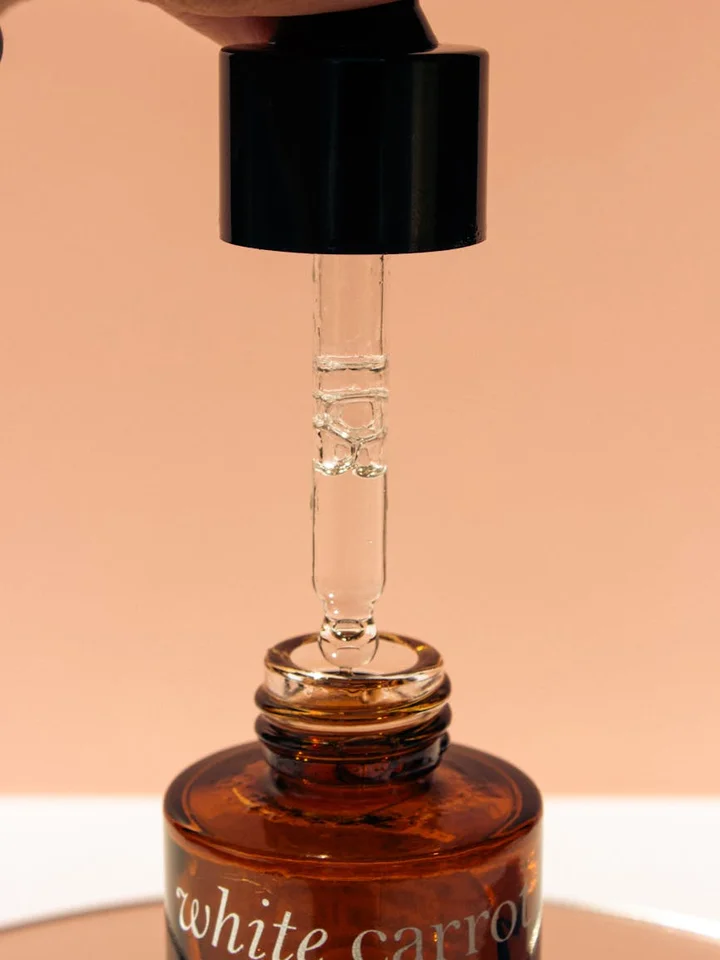
Think of your skincare routine as building a sandwich. You need the right ingredients in the right order for it to work. Hyaluronic acid is like a generous slather of mayonnaise—it creates a hydrated, pliable base so everything else sits better on your skin. On many skincare labels you’ll see sodium hyaluronate, the stable salt form of hyaluronic acid that helps lock in moisture. This makes it a go-to ingredient for hydrating serums and moisturizers.
Here’s how to pair it with other active ingredients without causing irritation or pilling.
Hyaluronic Acid + Niacinamide: The Easy Friendship
This is one of the simplest and most effective pairs in your cabinet. Niacinamide (vitamin B3) helps regulate oil, soothe redness, and strengthen your skin’s barrier. It plays very well with others.
You can apply hyaluronic acid and niacinamide in either order, as long as your skin is damp when you put the HA on. Their pH levels are compatible, and neither is likely to cause sensitivity. For my client Maya, who has oily and acne-prone skin, using a niacinamide serum right after her HA serum helps manage shine throughout the day without drying her out.
Hyaluronic Acid + Vitamin C: The Brightening Boost
Vitamin C (L-ascorbic acid) is a potent antioxidant that helps fade dark spots and protect against pollution. It’s also quite acidic, which is why order matters here.
- Apply your hyaluronic acid serum to damp skin first. This gives the vitamin C a smooth, hydrated canvas.
- Follow with your vitamin C serum. The water-based HA layer won’t interfere with the vitamin C’s ability to penetrate.
- Proceed with moisturizer and sunscreen.
Applying HA first creates a buffer that can minimize potential tingling from the vitamin C, which is especially helpful for sensitive skin types like my client Lina.
Hyaluronic Acid + Retinol: The Soothing Buffer
Retinol encourages skin renewal but can be drying or irritating. Hyaluronic acid is its perfect partner, offering comfort and hydration. Understanding retinol properties and effects—how it boosts collagen and accelerates cell turnover, while potentially irritating sensitive skin—helps explain how it affects the skin. Pairing it with soothing ingredients can balance these effects.
The key is timing. Never mix them together in your palm; layer them.
- Cleanse and gently pat your face, leaving it slightly damp.
- Apply your hyaluronic acid serum. Let it absorb for a minute or two.
- Apply your retinol product. The HA layer beneath helps mitigate dryness.
- Finish with your moisturizer to seal everything in.
This “buffer method” with HA first allows my client Noah, who has dry and reactive skin, to use his retinol without the usual flaking and redness. Wait times are your friend here, giving each layer a moment to settle.
Sample Routine Blueprints
Here’s how these combinations can fit into your day.
Morning Routine for Brightening & Protection:
- Cleanser
- Hyaluronic Acid Serum (on damp skin)
- Vitamin C Serum
- Moisturizer
- Sunscreen (non-negotiable)
Evening Routine for Renewal & Repair:
- Cleanser (consider an oil cleanser first if wearing makeup or sunscreen)
- Hyaluronic Acid Serum (on damp skin)
- Niacinamide Serum
- Wait 5-10 minutes, then apply Retinol (start 2-3 times a week)
- Rich, Barrier-Supporting Moisturizer
Common Hyaluronic Acid Mistakes That Leave Your Skin Dry
Hyaluronic acid is a hydration hero, but used incorrectly, it can feel like it’s doing the opposite. Let’s fix those mistakes so your skin feels quenched, not tight.
Myth: “Does Hyaluronic Acid Pull Water Out of My Skin?”
This is a common fear. Hyaluronic acid is a humectant, meaning it draws water *to* itself. In normal conditions, it pulls moisture from the deeper layers of your skin and from the humid air around you, holding it at the surface.
The “pulling water out” scenario only happens in extremely dry, desert-like environments with very low humidity. If the air has no water to offer, HA might theoretically pull more from your skin. The simple solution? Always seal it in with a moisturizer. This creates a barrier, locking all that attracted water in place.
Mistake: Applying HA to a Dry Face
This is the number one reason people complain about HA feeling sticky, pilling, or making their skin tight. HA needs water to bind to.
Always apply your hyaluronic acid serum to skin that is still slightly damp after cleansing. I tell my clients to pat their face with a towel but leave it dewy. If your skin dries while you’re fumbling with bottles, mist it with a little water or a thermal spray before applying the serum. Think of it as priming a sponge so it can expand and hold moisture.
Mistake: Stacking Too Many Humectants
More hydration isn’t always better. Using multiple serums with HA, glycerin, or snail mucin can lead to a sticky, never-absorbing layer on your skin.
Stick to one core hydrating serum. If you love the effects of glycerin, find a formula that combines it with HA. A sticky face is often a sign you’ve applied more humectant layers than your skin can absorb, not that the product is working better.
The Non-Negotiable Step: Sealing It In
Hyaluronic acid is not a moisturizer. It attracts water, but it doesn’t create a lasting barrier to prevent that water from evaporating, especially in dry climates. That’s the job of moisturizer.
You must always follow your HA serum with a moisturizer containing emollients and occlusives (like plant oils, squalane, or shea butter) to trap the hydration. This is critical for everyone, but absolutely essential if you live in a dry climate, use indoor heating, or have a skin type like Noah’s that tends to be dry and sensitive. The moisturizer acts like the lid on a pot, keeping all the goodness from steaming away.
Choosing Your Hyaluronic Acid Serum: What to Look For
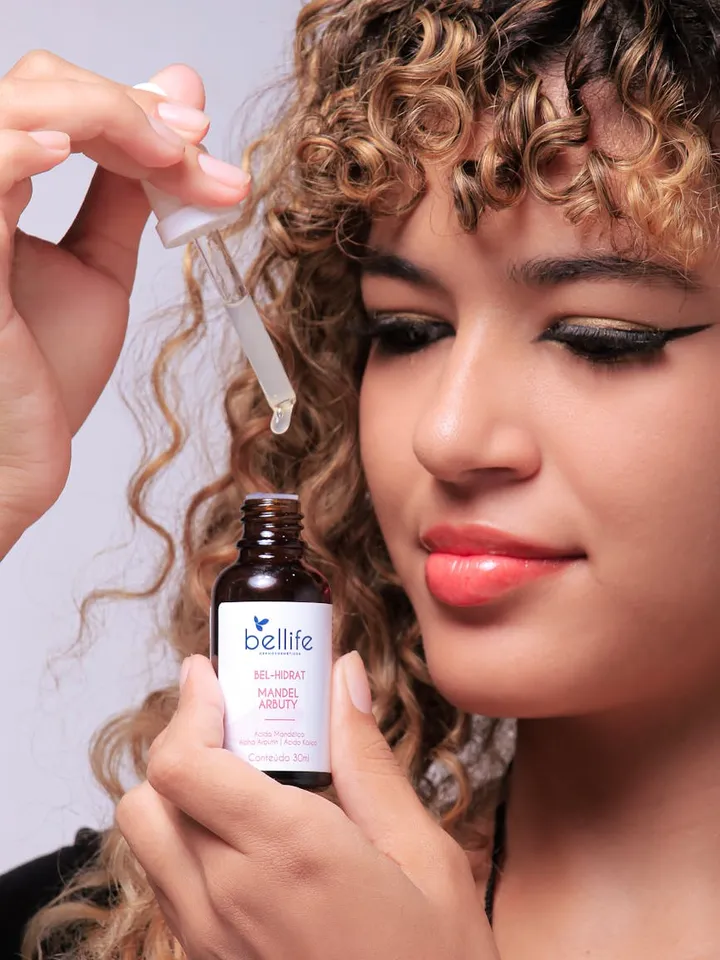
Not all hyaluronic acid serums are created equal. The ingredient list matters just as much as knowing when to apply it. Think of your serum like a specialized delivery system. You want one that gets the hydration where it needs to go.
Seek Out Multiple Molecular Weights
Hyaluronic acid molecules come in different sizes. A serum with just one type is like sending a delivery to only one floor of a multi-story building. It’s important to source quality hyaluronic acid for varied benefits.
Look for a blend that includes:
- High-Molecular-Weight HA: This sits on the skin’s surface. It forms a breathable, hydrating film that instantly plumps and smooths the look of fine lines.
- Low-Molecular-Weight HA: This penetrates deeper into the skin’s upper layers. It provides longer-lasting hydration from within, helping to improve skin resilience over time.
A serum with this layered approach ensures every level of your skin gets a drink, which is far more effective for combating dryness and dehydration.
Pair It with a Soothing Moisturizer
Your HA serum is a hydration magnet, but it needs a seal to lock that water in. This is where your moisturizer comes in. For most skin types, a simple, emollient cream or lotion works perfectly.
If you have reactive or sensitive skin like my client Noah, your choice of moisturizer becomes even more critical. Noah found that pairing his HA serum with a basic, fragrance-free moisturizer calmed his dry patches without any stinging or redness.
His routine works because the serum draws in moisture and the gentle moisturizer creates a protective barrier, preventing it from evaporating. This one-two punch is the secret to lasting comfort for dry, sensitive types.
Advocate for Clean, Conscious Formulas
Your skin care should be a force for good, both for you and the planet. When scanning an ingredient list, prioritize serums from brands that are transparent about their sourcing and commit to being cruelty-free.
A high-quality HA serum doesn’t need a long list of synthetic fragrances, dyes, or unnecessary filler ingredients. These can irritate the skin and counteract the serum’s hydrating benefits. Look for formulas where hyaluronic acid (or sodium hyaluronate) is featured high on the list, supported by other skin-loving humectants or soothing agents like panthenol.
The Feel Test: It Shouldn’t Stay Sticky
A common complaint I hear is that some HA serums feel tacky or never fully absorb. This is often a sign of a formulation issue, not a problem with hyaluronic acid itself.
When applied to damp skin and followed by your moisturizer, a well-formulated serum should sink in smoothly. You’ll feel a surge of hydration, not a layer of film. That slight slip you feel initially should disappear once your moisturizer is smoothed over top.
If your serum remains sticky, it might be formulated with a texture that doesn’t layer well, or you may need to adjust the amount you use-a pea-sized drop is often plenty for the entire face.
Quick Questions on Hyaluronic Acid Layering
Can I use hyaluronic acid with both niacinamide and vitamin C in one routine?
Absolutely. Apply your vitamin C serum first on clean skin, as it performs best at a low pH. Follow with hyaluronic acid on damp skin to hydrate, then niacinamide to soothe and strengthen-this order maximizes benefits without conflict.
Does the layering order change for oily versus dry skin types?
The fundamental order does not change: hyaluronic acid always precedes your moisturizer. You may also want to consider how often to apply hyaluronic acid to maximize results. In most routines, hyaluronic acid is used daily—morning and/or night—depending on the product and your skin’s needs. The key adjustment is your moisturizer’s texture; oily skin may prefer a light gel-cream, while dry skin will need a richer, more occlusive formula to properly seal in the hydration.
What should I do if my hyaluronic acid serum still feels sticky or pills?
First, ensure you’re using only a pea-sized amount on damp skin. If stickiness persists, it may be a sign of over-application or a formulation with a high concentration of certain molecular weights that doesn’t layer well with your other products.
Your Hydration Routine, Simplified
Think of hyaluronic acid as a moisture magnet that works best on damp skin, and your moisturizer as the protective seal that keeps it all from escaping. Applying your serum to a wet face and following it promptly with moisturizer is the single most effective way to plump and hydrate your skin.
- Apply your hyaluronic acid serum to clean, damp skin right after washing your face or using a facial mist.
- Use a pea-sized amount and gently press it into your skin; don’t rub.
- Layer your moisturizer on top while your skin is still slightly tacky from the serum.
- In the morning, finish with sunscreen to protect your newly hydrated skin.
- Always patch test new products and choose sustainable, cruelty-free formulas for a routine that feels good in every way.
Building a skin care routine should feel empowering, not confusing. I’m always here to help with your questions-explore more on our blog for trusted, evidence-based advice that honors your skin’s unique story. In the upcoming steps, you’ll find a build skincare routine step guide to help you map out your personalized routine. Stay tuned for a clear, step-by-step approach you can apply today.
Expert Resources and Citations
- When Should I Apply Hyaluronic Acid Serum In My Skincare Routine?
- Optimal Timing for Hyaluronic Acid in Skincare
- When To Use Hyaluronic Acid Serum In Routine [2025 ]
- How to Use Hyaluronic Acid: Tips, Product to Try, and More
- Hyaluronic Acid for the Skin: The Dos & Don’ts | Cetaphil US
- r/Sephora on Reddit: When do I use hyaluronic acid serum?
- When and How to Use Hyaluronic Serum | What Is Hyaluronic Acid
- Should You Use Hyaluronic Acid in the Morning or at Night? – SeoulCeuticals
- Is It Better to Use Hyaluronic Acid Serum at Night or Morning? Here’s Why Timing Matters
- Hyaluronic Acid: What It Is, Benefits, How To Use & Side Effects
Lucy Zimmerman
Lucy is an expert author and blogger when it comes to skin care and body care. She has first hand expertise acting as skin care consultant for over 5+ years helping her clients achieve smooth blemish free skin with natural and working remedies. She also has been an avid experimenter and tried out all the natural and artificial remedies and treatments so you can learn from her first hand experience. Additionally, she has traveled to many countries around the world and incorporated the skin care routines she has learnt into this blog. So, wait no more, reach out to Lucy if you have any specific needs and follow her blog, LuciDerma for expert skin care advice.