
Alpha Arbutin for Eye and Lip Hyperpigmentation: A Gentle, Effective Guide
You’re wise to question if Alpha Arbutin is safe for the thin, sensitive skin around your eyes and lips when tackling dark spots. I’ve guided clients like Noah, who has dry, reactive skin, through this exact concern with great results.
By the end of this article, you’ll be equipped to make a confident choice. You will know:
- How Alpha Arbutin gently interrupts pigment production to fade dark spots.
- Why the skin around your eyes and lips requires a more careful approach than other areas.
- My esthetician-approved method for applying it safely to avoid irritation while targeting discoloration.
Let’s get you that clearer, more even complexion safely.
What Alpha Arbutin Is and How It Fights Dark Spots
Think of alpha arbutin not as a harsh acid scrub, but as a smart, water-soluble brightener. It’s a molecule naturally found in bearberry plants, and it works by gently interfering with the skin’s pigment-making process. At the right concentration, alpha arbutin brightens gradually and evenly. Concentration is key to the brightness outcome.
Here’s the simple science: your skin cells have an enzyme called tyrosinase that tells them to make melanin, the pigment that creates dark spots and uneven tone. Alpha arbutin quietly tells that enzyme to slow down. This means new dark spots form more slowly, and existing ones can fade with consistent use over weeks.
You might have heard of hydroquinone, a stronger prescription skin lightener. While effective, hydroquinone can be irritating and is not meant for long-term use. Alpha arbutin is its gentler, more stable cousin. Alpha arbutin offers a safer, well-tolerated profile for daily fading routines, especially for sensitive skin types like my client Noah. Its skin brightening benefits—gentle, gradual lightening with reduced irritation—highlight why many opt for alpha arbutin as a daily ally. In clinical contexts, users often report a smoother, more even complexion over time.
My favorite way to explain it? If your overactive pigment cells are cars speeding to make a dark spot, alpha arbutin is a gentle traffic cop directing them to slow down. It’s not a bulldozer that tears up the road (your skin barrier). Speaking of ordinary alpha arbutin benefits, regular use can help brighten and even skin tone while staying gentle on the skin. It fits the traffic-cop image, slowing the rush without compromising the barrier.
Alpha Arbutin Molecule Spec Sheet
| Typical pH Range | 4.5 – 6.5 |
| Effective Concentration | 1% – 2% |
| Solubility | Water-soluble |
| Safety Profile | Generally well-tolerated, non-irritating at correct doses |
The Skin Around Your Eyes: A Special Case for Treatment
So, can you use alpha arbutin around eyes? The direct answer is yes, you absolutely can, but this area demands a thoughtful approach.
The skin framing your eyes is the thinnest on your entire body. It has fewer oil glands, making it prone to dryness, and it shows redness or irritation much faster than your cheeks or forehead. This delicate nature is precisely why you need to be strategic about any active ingredient applied there.
For the eye area, I always recommend sticking to products with an alpha arbutin concentration of 2% or less. This is a safe, effective sweet spot that minimizes the risk of irritation. Potential side effects are usually mild and temporary, like a bit of redness, dryness, or a faint tingle if you use too much. If you feel a persistent sting, you should wash it off.
Understanding Your Eye Contour’s Needs
This thin skin is also prone to milia, those tiny, stubborn white bumps that form when keratin gets trapped. Heavy, occlusive creams can sometimes contribute to this. That’s why the vehicle matters. For the eye area, opt for a fragrance-free, non-comedogenic serum or light cream specifically formulated with alpha arbutin. This gives you the brightening action without the pore-clogging weight.
Your Safe Application Checklist for Eyes
Follow these steps to safely incorporate alpha arbutin into your eye care routine.
- Always patch test first. For three nights, apply a tiny dab on the outer corner of your eye, near the bone. Watch for any adverse reaction before using it more broadly.
- Use only a pea-sized amount for both eyes. Dispense it onto your fingertip first.
- Using your ring finger (it applies the least pressure), gently pat the product along the orbital bone, from the inner corner out. Avoid the immediate lash line and eyelids.
- In your evening routine, apply your alpha arbutin eye product after your face serum and before your richer eye moisturizer. This allows the brightener to absorb effectively.
Navigating Lip Skin: Can You Lighten Pigmentation Here?
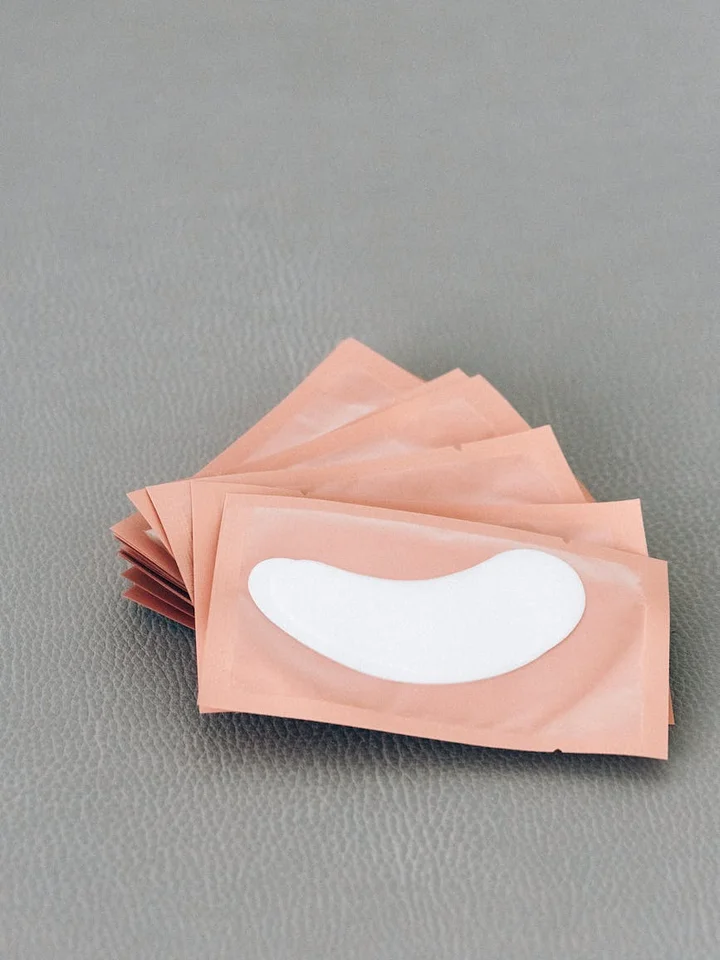
My safety-first answer is no, you should not apply alpha arbutin directly on your lips.
This isn’t about the ingredient being dangerous, but about the unique nature of lip skin. Your lips are a mucous membrane, not standard facial skin. They are thinner, more permeable, and lack the protective outer layer the rest of your face has. Applying a serum or cream here means you will almost certainly ingest some of the product through talking, eating, or licking your lips, which is not its intended use. This can also lead to unwanted dryness, flaking, or irritation on an already sensitive area.
If you are searching “can I apply alpha arbutin on lips” or “can I put alpha arbutin on lips,” I want you to pause and consider a gentler plan. For overall lip discoloration, your best tools are diligent sun protection with a lip balm containing SPF 30 or higher and very gentle exfoliation. A soft, damp washcloth used lightly once a week can help remove dull surface cells.
Why Your Lips Deserve a Different Approach
Think about everything your lips do in a day: talking, smiling, eating, drinking. Any product you apply is going to be moved around, rubbed off, or consumed quickly. This makes a targeted treatment like alpha arbutin impractical and ineffective here. Constant movement and contact with food make the lip surface a poor candidate for a treatment that needs consistent, undisturbed contact to work.
Now, hyperpigmentation on the lip *border*-that precise line where colored lip skin meets your face, called the vermilion border-is a different story. This skin is more like facial skin. If you have dark spots just outside your lip line, you can cautiously apply your alpha arbutin serum there, being meticulous to avoid the actual lip itself. Use a tiny amount and tap it on precisely with a clean fingertip.
Finding Your Perfect Product: Concentration and Formula Wisdom
When choosing an alpha arbutin product for delicate areas like under-eyes or the body, reading the label is your first step. For sensitive zones, a concentration between 1% and 2% is typically effective and well-tolerated. Look for products that list alpha arbutin clearly in the ingredient list (often as alpha-arbutin or arbutin) and avoid those with high concentrations of other potent actives like strong acids or retinoids in the same bottle, as this can increase irritation risk.
The formula’s texture matters just as much as the ingredients. For the thin under-eye area, a lightweight, fast-absorbing serum is ideal-think of it like a hydrating layer of water that sinks in without pulling at the skin. For drier body skin on elbows or knees, a creamier, more emollient lotion works better, acting like a protective blanket that also delivers the brightening ingredient.
I often recommend formulas that pair alpha arbutin with soothing partners. Niacinamide is a superstar for calming redness and strengthening the skin barrier, while ingredients like madecassoside (from centella asiatica) or panthenol provide extra comfort for reactive skin. This is a combination my client Noah, with his dry, reactive skin, has had great success with.
For common FAQs on safety: always patch test a new product on your inner arm for 48 hours. Typical side effects are minimal, but if you experience stinging, redness, or itchiness, discontinue use. If you have persistent dark spots that do not improve with consistent use, or if you notice any new or changing pigmentation, scheduling a visit with a dermatologist is the most authoritative step you can take.
How to Apply Alpha Arbutin Safely on Delicate Zones
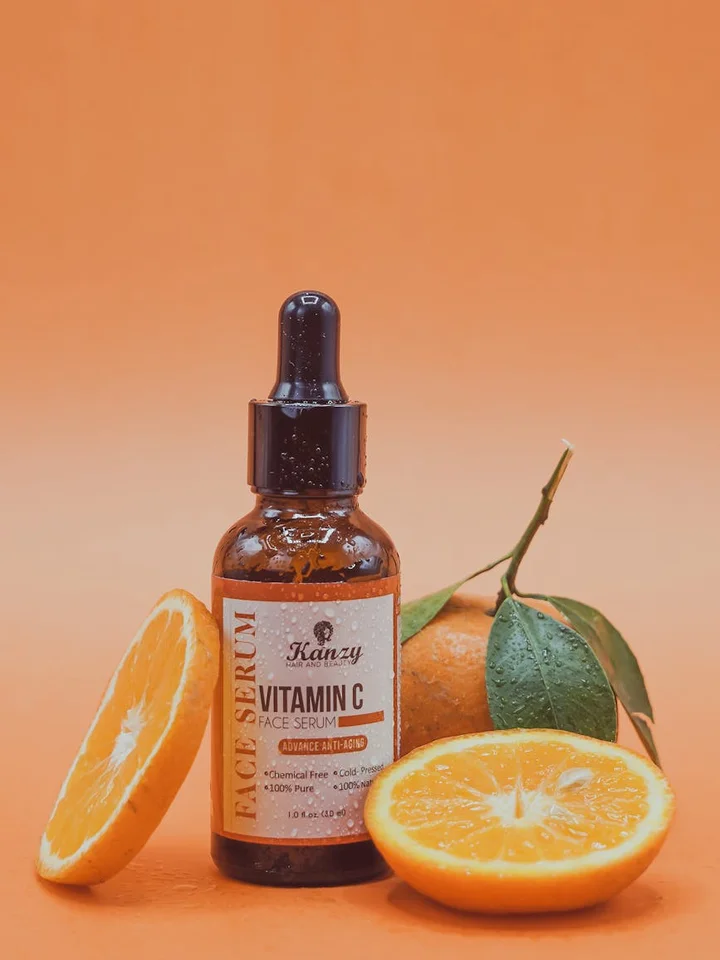
Think of using a potent ingredient like alpha arbutin around your eyes and lips as a precision task. The goal is to get the brightening benefits without overwhelming the delicate skin there. A smart, gentle routine is your best friend, especially when using alpha arbutin for all skin tones.
Start with a solid, simple routine blueprint: cleanse your skin, apply your alpha arbutin product, then always follow with moisturizer and SPF in the morning. Alpha arbutin primarily targets uneven tone, and when used with gentle exfoliants it can help reveal brighter skin. This synergy supports a balanced routine that pairs brightening with careful exfoliation. This sandwich method helps protect your skin barrier.
Do not jump in and use it twice a day, every day. Your skin needs to say hello first. Begin by applying it just 2 to 3 times a week, in the evening. Watch how your skin responds over two weeks. If all is calm, you can consider increasing frequency.
This logic applies beyond your face. You can absolutely use alpha arbutin on areas like your armpits or bikini line to address dark spots from friction or past inflammation. Body skin is generally tougher, but the approach should still be respectful.
For body hyperpigmentation, gentle and consistent application is far more effective than aggressive scrubbing or overuse. Post-inflammatory marks on the body fade with patience, not force.
For the Eye Area: A Gentle Touch Method
Forget rubbing. The skin around your eyes is thin and lacks strong supportive structures, so it needs a feather-light touch. After cleansing and toning, dispense a pea-sized amount of your alpha arbutin serum for both eyes.
Warm it between your ring fingers, then gently pat, pat, pat along the orbital bone, from the inner corner outward. Avoid dragging the skin or getting too close to the lash line where product can migrate into the eye. Let it absorb before applying your eye cream or moisturizer over top.
For Body Use: Broad and Consistent Coverage
Apply your alpha arbutin serum or treatment to clean, dry skin on the target area, like the inner thighs or underarms. Use gentle circular motions to massage it in. There’s no need to use excessive product; a thin, even layer is perfect.
Then, the hardest part: wait. Body skin has a slower cell turnover rate than facial skin. While you might see facial improvements in 4-6 weeks, consistent application for 8-12 weeks is often needed to see visible lightening on the body. Mark your calendar and stick with it.
When Alpha Arbutin Isn’t the Answer: Gentler Alternatives and Warnings
Alpha arbutin is generally well-tolerated, but if your skin is super reactive, even gentle patting might cause a flare. This is when I think of clients like Noah, who has dry, reactive skin. For him, and for anyone during a period of heightened sensitivity, gentler alternatives can be brilliant.
Here are a few effective options for delicate areas:
- Vitamin C (as Magnesium Ascorbyl Phosphate or Tetrahexyldecyl Ascorbate): These derivatives are often less irritating than pure ascorbic acid (L-ascorbic acid) but still offer antioxidant protection and brightening. They are a great “introductory” active.
- Licorice Root Extract (Glabridin): This is a superstar for soothing. It gently inhibits pigment production while calming redness, making it a dual-action choice for sensitive zones.
- Azelaic Acid (at lower concentrations, 10% or less): It’s excellent for tackling both post-inflammatory marks and redness. It’s generally calming but always patch test, as some feel a transient tingling.
The choice often comes down to your skin’s primary complaint: choose licorice for calming and brightening, azelaic acid for marks with redness, or a vitamin C derivative for antioxidant protection and gradual evening.
Contraindications & Safety Warnings
Safety first, always. Even with a gentle ingredient, there are clear times to pause or avoid use.
Do not use alpha arbutin if you are pregnant or breastfeeding without explicit approval from your healthcare provider or dermatologist. While research is limited, it’s a non-negotiable precaution.
Avoid applying it to skin that is actively inflamed, broken, or sunburned. This means skip it after waxing, a strong chemical peel, or if you have any open cuts.
If you have a diagnosed skin condition like eczema or rosacea, you need to be extra cautious. Patch test extensively on a small, unaffected area for two weeks. During an active flare, it’s best to skip all actives and focus on barrier repair.
Your skin should not burn. A very mild, brief tingle might occur as it absorbs, but persistent stinging, itching, or a rash means you should stop using the product immediately and rinse the area with cool water.
Quick Questions on Alpha Arbutin & Delicate Skin
Can I use it on my lip border if not on the lips themselves?
Yes, the skin of the lip border (vermillion border) is facial skin and can be treated with caution. Apply a tiny amount precisely to dark spots there, avoiding the actual lip membrane.
Is a 1% concentration safer than 2% for the eye area?
Yes, a 1% concentration is an excellent starting point for maximum tolerance, especially if you have reactive skin. Both 1% and 2% are effective, but starting lower minimizes any potential for irritation.
Which gentler alternative is best for very sensitive skin?
Licorice root extract (glabridin) is often the top choice for its dual calming and brightening effects. It soothes redness while gently addressing pigment, making it ideal for delicate areas.
Your Path to Brighter, Safer Skin
Alpha arbutin can be a gentle yet effective ally for fading dark spots around your eyes and lips. Remember, the key is to choose a well-formulated product and introduce it slowly into your routine to avoid irritation. I’ve seen clients like Lina benefit from this careful approach, finding that patience leads to clearer, more even skin. If you’re specifically targeting discoloration, a dedicated alpha arbutin discoloration fix can provide additional support. Start with a patch test and a small amount to see how your skin responds before expanding use.
- Always patch test on your jawline for 24 hours before using near delicate areas.
- Select a fragrance free serum with a low concentration (under 2 percent) for safety.
- Apply a pea sized amount with a light tapping motion, steering clear of your lash line and lip border.
- Commit to daily broad spectrum sunscreen to prevent new pigmentation from forming.
- If you notice redness or stinging, pause use and soothe your skin with a barrier repair cream.
I’m here to support your skin care journey with trustworthy advice. Share your thoughts or questions on the LuciDerma blog, and let’s continue learning together. Your skin deserves care that is both effective and kind, and I’m dedicated to helping you find that balance.
Research and Related Sources
- Hyperpigmented Lips & Alpha Arbutin – Vow Beauty
- Alpha Arbutin – Then Gentle Active for Hyperpigmentation – Juicy Chemistry
- All About Alpha-Arbutin and Its Benefits for Hyperpigmentati – Typology
- Alpha Arbutin for Skin: What It Is, How It Works From Expert
- Alpha Arbutin Hyperpigmentation Serum – Typology
- Arbutin as a Skin Depigmenting Agent with Antimelanogenic and Antioxidant Properties – PMC
- The Ordinary – Alpha Arbutin 2% + Hyaluronic Acid for Hyperpigmentation | Ulta Beauty
- How Long Does Alpha Arbutin Take to Fade Hyperpigmentation? – SeoulCeuticals
- Alpha Arbutin: Benefits, Uses, and Potential Side Effects Explained
- r/AsianBeauty on Reddit: Arbutin is honestly such an underrated ingredient for dark spots
Lucy Zimmerman
Lucy is an expert author and blogger when it comes to skin care and body care. She has first hand expertise acting as skin care consultant for over 5+ years helping her clients achieve smooth blemish free skin with natural and working remedies. She also has been an avid experimenter and tried out all the natural and artificial remedies and treatments so you can learn from her first hand experience. Additionally, she has traveled to many countries around the world and incorporated the skin care routines she has learnt into this blog. So, wait no more, reach out to Lucy if you have any specific needs and follow her blog, LuciDerma for expert skin care advice.