
Tretinoin for Acne Scars and Hyperpigmentation: How It Smooths and Brightens Your Skin
If you’re looking at acne scars or dark spots and wondering if they’ll ever fade, I hear you-and tretinoin could be the reliable solution your skin needs.
This guide breaks down exactly how tretinoin works, so you can move forward with clarity. By the end, you’ll be empowered to:
- See how tretinoin renews your skin from within, smoothing scars and lightening pigmentation by speeding up cell turnover.
- Understand why it’s a cornerstone in treatment plans, based on decades of clinical evidence for lasting results.
- Start using it with confidence, using gentle, step-by-step methods to minimize irritation and maximize benefits.
Taking this first step to learn shows you’re committed to your skin’s health, and that’s something to feel good about.
First, What Exactly is Tretinoin and How Does It Touch Your Skin?
Think of tretinoin as the direct, powerful version of Vitamin A your skin can use immediately. It’s a prescription retinoid, which means it’s more concentrated and works faster than the retinol you buy over the counter.
In simple terms, tretinoin is a cellular communication molecule. Imagine your skin cells are a construction crew. Tretinoin walks onto the site, grabs a megaphone, and gives very specific orders: “Speed up renewal! Boost collagen production! Clear out that pigment!” Your skin cells listen.
While over-the-counter retinol is great, it has to convert into retinoic acid (tretinoin) within your skin to work, making it gentler but slower. Tretinoin is the finished product, so it starts its work right away. This potency is why tretinoin requires a prescription and a conversation with your doctor or dermatologist. It’s a fantastic tool, but one you need to learn how to handle with care.
Tretinoin Molecule Spec Sheet
| Chemical Name | All-trans Retinoic Acid |
| Typical pH in Formulations | Around 5.5 – 6.5 (slightly acidic to match skin) |
| Common Prescription Strengths | 0.025%, 0.05%, 0.1% (creams and gels) |
| Solubility | Oil-soluble, which helps it penetrate the skin’s lipid layers |
| Primary Safety Note | Dramatically increases sun sensitivity. Daily broad-spectrum SPF 30+ is non-negotiable. |
The Simple Science: How Tretinoin Talks to Your Scarred and Pigmented Skin
The core of tretinoin’s magic is speeding up skin cell turnover. Normally, this process takes about 28 days. Tretinoin encourages your skin cells to move from the lower layers up to the surface, and then shed off, much faster. It’s like turning a slow conveyor belt into a speedy one.
How does tretinoin work to improve acne scars? It’s all about rebuilding. Acne scars, especially the textured “rolling” or boxcar types, are often depressions caused by lost collagen. Tretinoin communicates with your fibroblasts (your skin’s collagen factories) to ramp up production. Over months, this new collagen helps fill in and smooth out those textured scars from underneath. Think of it as slowly inflating a soft cushion beneath a dent.
How does tretinoin work to reduce hyperpigmentation? It takes out the trash. Post-acne dark spots (post-inflammatory hyperpigmentation) occur when melanin, your skin’s pigment, gets trapped in the upper layers after inflammation. By accelerating cell turnover, tretinoin helps shed those pigment-loaded cells more quickly, fading the dark mark to reveal fresher, clearer skin underneath.
It’s important to know what tretinoin can and cannot do. It excels at improving texture and fading discoloration. For deep, narrow “icepick” scars, tretinoin can soften their edges but often can’t eliminate them completely; professional treatments like laser therapy may be needed for those. I’ve seen this with clients like Noah, who had great success smoothing surface texture but needed a combined approach for his deepest scars.
So, does tretinoin get rid of acne scars? It can significantly improve the appearance of textured and pigmented scars, but “rid” is a strong word-it’s about transformation, not erasure. Can tretinoin help with stretch marks? Since stretch marks are a form of scarring, the principle of collagen stimulation applies. It may help improve the texture and color of newer, red or purple stretch marks, but results on older, white ones are less dramatic.
Does tretinoin get rid of freckles? Freckles are clusters of melanin. By increasing cell shedding, tretinoin can lighten them over time. But because freckles are often genetic and sun-related, they may return without strict sun protection. For my client Lina, using tretinoin made her freckles softer and less pronounced, but they’re still a part of her skin’s story.
Your Realistic Roadmap: What to Expect and When
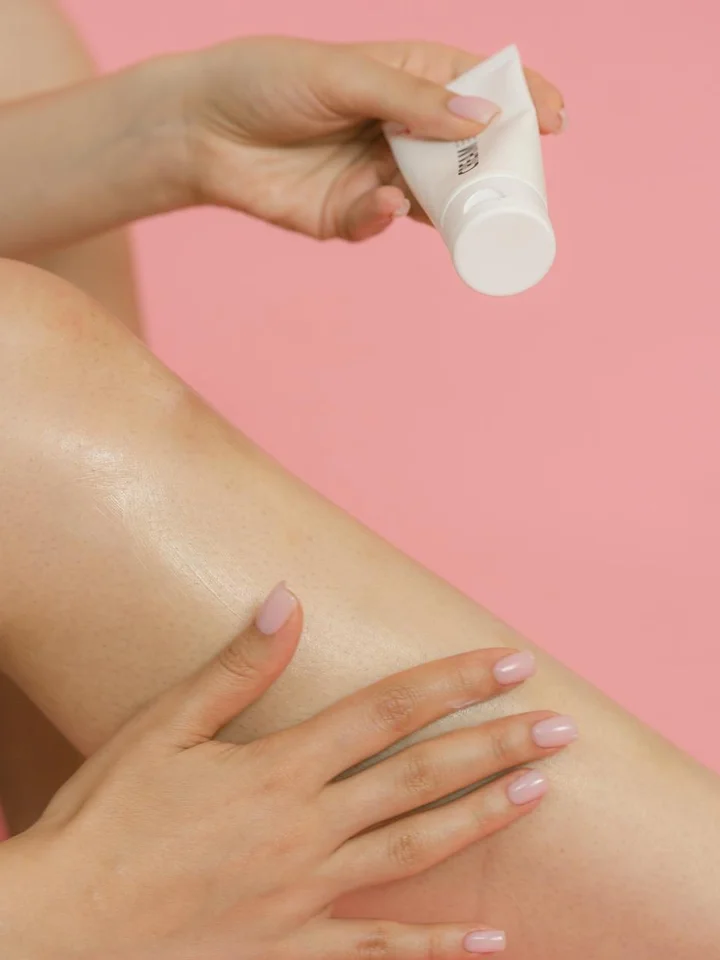
Starting tretinoin is a commitment to your future skin. To do it confidently, you need to know what’s coming. The journey has distinct phases, and understanding them is the key to sticking with it. Early on, many people experience initial breakouts as the skin adjusts. Knowing this is a normal part of the tretinoin journey can help you stay patient.
The Initial “Retinization” Period: The Skin Adjusts
For the first 2 to 6 weeks, your skin is learning to communicate with this new, powerful ingredient. This adjustment phase, called “retinization,” is often marked by flaking, dryness, redness, and sometimes more breakouts. Think of it as your skin’s short-term reboot. This phase is temporary and a sign the tretinoin is working to accelerate cell turnover. My client Noah, who has reactive skin, found that scaling back to once a week during this time and using a thicker barrier-repair moisturizer made this period manageable.
Your Timeline for Visible Results
Patience is your most important product here. Tretinoin works on a cellular level, and real change takes months, not weeks.
- For acne scars (like rolling or boxcar scars): You may start to see a softening of texture and a slight filling in of shallow scars around the 3 to 6-month mark. Deeper scars improve over a year or more of consistent use.
- For post-inflammatory hyperpigmentation (those dark spots left after a pimple): Significant lightening typically becomes clear after 6 months of consistent use. It’s a gradual fading, like slowly lifting a stain.
This isn’t a quick fix. It’s like building muscle; the changes happen slowly beneath the surface before you see the full effect.
The Long Game: Maintenance and Consistency
Once you see the improvement you want, you don’t stop. Tretinoin’s benefits are maintained, not stored. Consistent, long-term use is what continues to promote collagen, prevent new dark spots, and keep skin texture smooth. For maintenance, many people find they can use it less frequently (like 2-3 times a week) while keeping their results.
Can Tretinoin Completely Erase Hyperpigmentation?
It’s powerful, but it’s not a magic eraser. Tretinoin is exceptional at fading surface-level and moderate pigmentation. For deeper, stubborn conditions like melasma, it can be a brilliant part of a treatment plan but may not erase every single spot on its own. It can dramatically fade discoloration, but managing expectations is part of a healthy skincare journey. Combining it with daily, high-protection sunscreen is non-negotiable for this exact reason.
The LuciDerma Method: How to Apply Tretinoin Safely for Scars and Pigmentation
How you apply tretinoin is just as important as why you use it. A gentle, methodical approach minimizes irritation and maximizes your results. This is the routine I guide my clients through.
Your Step-by-Step Gentle Evening Routine
- Cleanse Gently: Use a mild, non-stripping cleanser on dry skin. Pat your face completely dry with a towel. Wait 20-30 minutes. Applying tretinoin to damp skin can increase irritation.
- Apply a Pea-Sized Amount: Literally, one pea for your entire face. Dot it on your forehead, cheeks, nose, and chin.
- Spread Gently: Using clean fingertips, gently spread the dots into a thin, even layer over your face. Avoid the sensitive skin right at the corners of your nose, your lips, and your eyelids.
- Follow with Moisturizer: After letting the tretinoin absorb for a few minutes, apply your usual fragrance-free moisturizer to seal in hydration and support your skin barrier.
The “Sandwich Method” for Sensitive Skin
If you have skin like Noah’s or Lina’s, which leans sensitive or reactive, the “sandwich method” is a game-changer. It buffers the tretinoin, making it gentler as your skin builds tolerance.
- Apply a layer of your moisturizer to slightly damp skin.
- Wait 10-15 minutes for it to absorb fully.
- Apply your pea-sized amount of tretinoin.
- Wait another few minutes, then apply a second layer of moisturizer.
This technique places the tretinoin between two protective layers of moisture, which can help sidestep severe dryness and peeling.
Start Slow to Build Tolerance
Your goal is to use tretinoin regularly, not aggressively. Begin by applying it just 1 or 2 nights per week, always with a rest night in between. After a few weeks, if your skin tolerates it well, you can add another night. Listen to your skin. If it becomes persistently red or painful, take an extra night off and focus on moisturizing.
What Strength of Tretinoin is Best?
More is not better. Higher strengths work faster but come with a much higher risk of severe irritation. For treating scars and pigmentation, starting low (like 0.025%) and using it consistently is far more effective than using a high strength that irritates you into quitting. A dermatologist will decide the best strength for you based on your skin type, concerns, and tolerance. Always follow their prescription guidance.
The Non-Negotiable Final Step: Sunscreen
Using tretinoin without sunscreen is like repairing a roof while it’s still hailing. Tretinoin makes new, fresh skin cells come to the surface that are highly vulnerable to sun damage. You must apply a broad-spectrum SPF 30 (or higher) sunscreen every single morning, without exception. This is the most critical step for fading dark spots and protecting your new collagen. Reapply every two hours if you’re outdoors.
Contraindications & Safety: When to Pause or Avoid Tretinoin
Tretinoin is a powerful ally, but it’s not for every person or every skin situation. The most critical rule is to avoid tretinoin entirely if you are pregnant, breastfeeding, or trying to conceive. Its effects on fetal development are well-documented, and this is a non-negotiable pause for safety. For others, understanding tretinoin side effects and safe usage is essential to maximize benefits and minimize risks. Start with a gentle approach—consider a patch test and gradual buildup under professional guidance, and monitor how your skin responds.
You should also hold off if your skin barrier is in distress. Think of a damaged barrier like a wall with cracks in the plaster. If your skin is actively flaking from eczema, has a rash, feels raw, or stings with any product application, tretinoin will pour salt in the wound. Let your skin heal first with a gentle, reparative routine.
Navigating the “Tretinoin Uglies”: Common Side Effects
Almost everyone experiences an adjustment period, often called “retinization.” This isn’t a sign it’s not working; it’s your skin adapting. Here’s what to expect and how to cope:
- Dryness & Flaking: This is the most common side effect. Your skin might feel tight and look flaky, like a sunburn peeling. Combat this by applying your moisturizer on damp skin before your tretinoin (the “sandwich method”) and using a richer, barrier-supporting cream at night.
- The “Purging” Phase: In the first 4-8 weeks, you might see more breakouts. Tretinoin accelerates cell turnover, bringing underlying clogs to the surface faster. True purging happens in areas where you typically get breakouts and should subside. If new acne appears in unusual spots after 12 weeks, it might be irritation, not purging.
- Redness & Sensitivity: Your skin will be more susceptible to sunburn and windburn. This isn’t optional: sunscreen every single morning is your best defense.
Your Pause Button: What to Temporarily Avoid
To let tretinoin do its job without causing a meltdown, you need to simplify. If you’re new to using tretinoin, a tretinoin cream guide can map a safe starter routine. For at least the first three months, put other potent actives on the shelf. This includes physical scrubs (they’re too abrasive), high-percentage AHA/BHA toners or peels (they increase irritation risk), and vitamin C serums (their acidic pH can conflict). It’s like training for a marathon; you don’t also start heavy weightlifting on the same day.
Your journey must begin with a conversation with a dermatologist or healthcare provider. They will assess your skin, confirm it’s the right treatment for your scarring and pigmentation type, and prescribe the correct starting strength. This step is your foundation for safety and success.
Playing Well with Others: Can You Combine Tretinoin for Better Results?
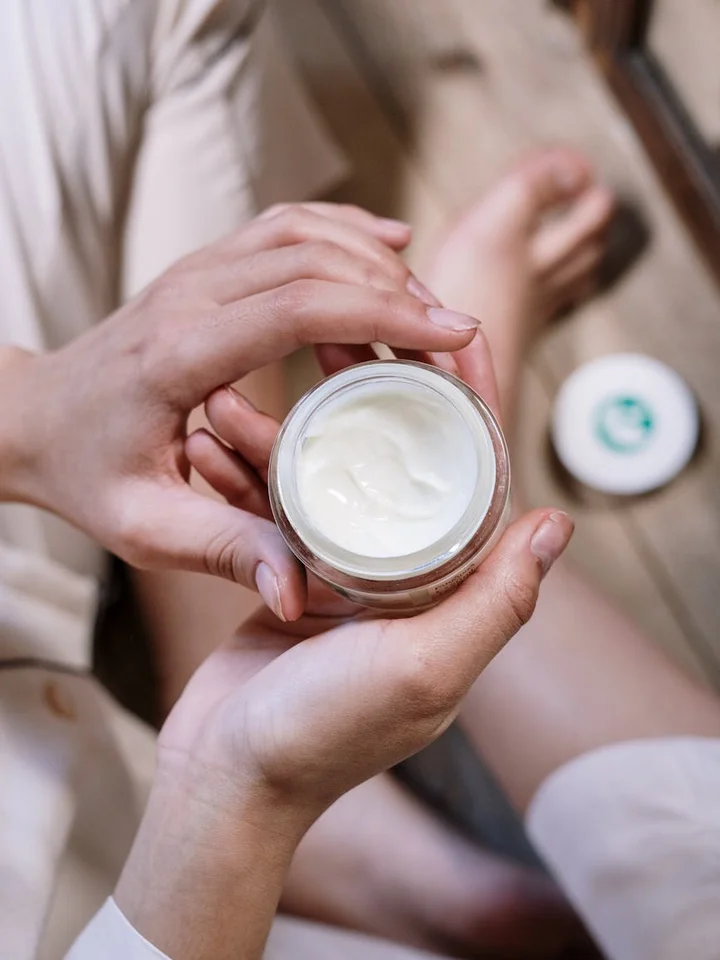
The short answer is yes, but with extreme caution and strategy. Tretinoin is a team player, but it needs the right teammates and a good coach-that’s your dermatologist.
Professional-Grade Combinations
Under medical supervision, tretinoin is often paired with other ingredients for enhanced results. A classic prescription combo is tretinoin with hydroquinone for stubborn hyperpigmentation. Your derm will guide you on a precise cycling schedule, as long-term hydroquinone use requires monitoring. They may also sequence tretinoin with in-office procedures like chemical peels or laser therapy, using your at-home tretinoin routine to “prep” and “maintain” your skin for better procedure outcomes.
Safe At-Home Supporting Cast
In your daily routine, focus on pairing tretinoin with ingredients that support and soothe, rather than challenge, your skin.
- Niacinamide: This is a superstar partner. Used in the morning or before tretinoin at night, it helps strengthen the skin barrier, regulate oil, and reduce the appearance of redness. My client Noah finds a niacinamide serum makes his dry, reactive skin tolerate tretinoin much better.
- Hyaluronic Acid & Ceramides: These are hydration heroes. Apply a hyaluronic acid serum to damp skin to pull in moisture, then follow with a ceramide-rich moisturizer to lock it in and fortify your skin’s protective shield. Think of it as giving your skin a drink and then a sweater.
Risky DIY Combinations to Avoid
Do not mix tretinoin with other prescription topicals like benzoyl peroxide or additional retinoids, such as over-the-counter retinols, unless your doctor specifically instructs you to. At home, avoid layering it with any other exfoliating acid (salicylic, glycolic, lactic) in the same routine. The combination almost guarantees irritation, redness, and a damaged barrier. Manual exfoliation with brushes or scrubs is also a hard no on tretinoin nights.
A Note on Professional Procedures
If you’re considering professional treatments like microneedling or medium-depth chemical peels for scars, tretinoin is often part of the plan. Your dermatologist will typically have you stop tretinoin for several days before the procedure and then restart after healing to maintain collagen production. This sequencing is a medical protocol, not a home project. Always follow your provider’s pre- and post-care instructions to the letter.
Your Top Tretinoin Questions, Answered
Which types of acne scars respond best to tretinoin?
Tretinoin is most effective for improving the texture of atrophic scars like rolling or boxcar scars by stimulating collagen to fill them in from below. It is less effective for deep icepick scars, which often require a combined approach with professional treatments.
What’s the best way to manage the initial dryness and flaking?
This “retinization” phase is normal; manage it by using the sandwich method (moisturizer, tretinoin, moisturizer) and applying tretinoin to completely dry skin. Consistency with a gentle, barrier-supporting moisturizer is key to helping your skin adapt comfortably.
Can I use vitamin C or azelaic acid with tretinoin for scars?
Yes, but not together in the same routine. Apply vitamin C in the morning (with sunscreen) and azelaic acid can often be used in the AM or on alternate nights from tretinoin, as both can enhance brightening. Always introduce one new product at a time and consult your dermatologist for a tailored plan.
Your Skin’s Renewal Journey with Tretinoin
When it comes to fading acne scars and hyperpigmentation, tretinoin rewards patience and a gentle hand more than anything else. Consistent, careful use over months is what truly allows this ingredient to resurface your skin and reveal a more even tone. In the tretinoin treatment timeline, you may begin to notice subtle acne improvements early on. Anti-aging benefits often unfold gradually as your skin regenerates over time.
- Apply tretinoin at night, only on completely dry skin, to minimize irritation.
- Non-negotiable: use a broad-spectrum sunscreen every single morning to protect your new, sensitive skin cells.
- Pair tretinoin with a simple, fragrance-free moisturizer to support your skin’s barrier.
- Expect a full cycle of skin renewal-give it at least 12 weeks before assessing results.
Remember, your skin’s story is unique, much like my client Noah’s cautious approach to new products. If you have questions on your journey, I’m here with evidence-based guidance to help you feel confident. Sharing experiences, just like readers do, helps us all learn and grow in our skin care practice.
Expert Resources and Citations
- Does tretinoin help with acne scars and dark spots?
- Retinoic acid and glycolic acid combination in the treatment of acne scars – PMC
- Does Tretinoin Help with Acne Scars? What to Expect
- How to Use Tretinoin for Acne, Anti-Aging, and Skin Pigmentation | Der – carencampbellmd
- 9 Ways Tretinoin Cream Clears Acne, Fades Scars, and Balances Skin | New Beauty
- Does Tretinoin Help with Acne Scars? Here’s Everything to Know – Strut Blog
- Tretinoin for acne: How to use, uses, effectiveness and side effects | Vinmec
- Acne Scars: Causes, Types, and Best Treatments
- r/tretinoin on Reddit: Would Tretinoin 0.05% help with my pitted acne scars overtime? Does anyone have positive experience with it ? Thank youuu!!!
Lucy Zimmerman
Lucy is an expert author and blogger when it comes to skin care and body care. She has first hand expertise acting as skin care consultant for over 5+ years helping her clients achieve smooth blemish free skin with natural and working remedies. She also has been an avid experimenter and tried out all the natural and artificial remedies and treatments so you can learn from her first hand experience. Additionally, she has traveled to many countries around the world and incorporated the skin care routines she has learnt into this blog. So, wait no more, reach out to Lucy if you have any specific needs and follow her blog, LuciDerma for expert skin care advice.