
Adapalene Gel: The Simple Guide to Morning vs. Night for Acne
If you’re holding that tube of adapalene gel, unsure whether it belongs in your AM or PM slot, take a breath. I’ve helped many clients, like Maya with her persistent breakouts, navigate this exact choice for clearer skin.
- You’ll know the clear, science-backed reason nighttime application is the gold standard.
- Understand how this timing protects your skin barrier and maximizes the gel’s effectiveness.
- Feel empowered to adjust your routine with confidence, minimizing irritation and redness.
Let’s get you using this potent tool the right way for a calmer, clearer complexion.
What Adapalene Is and Why Timing Matters
Think of adapalene not as a harsh scrub or a quick spot treatment, but as a skilled communicator for your skin cells. It’s a type of retinoid, a vitamin A derivative. Its job is to send clear signals to your pores and skin cells, telling them to behave better.
It works in a few key ways. It helps keep pores from getting clogged in the first place, calms the redness and swelling of existing breakouts, and encourages your skin to renew itself at a healthier, smoother pace. This process takes patience, often several weeks.
This brings us to the timing puzzle. Adapalene’s benefits are powerful, but using it introduces two considerations: it can make your skin more sensitive to sunlight, and it can cause irritation, especially when you first start. Getting the timing right helps maximize the good parts while minimizing the tricky ones.
Imagine adapalene like a master craftsperson who comes to repair your skin. They’re brilliant at their job, but they’re also a bit light-sensitive and work best without a bunch of other people (like sunlight and makeup) bustling around the workspace. You want to schedule their shift for when things are quiet and they can focus.
The Nighttime Rule: Why Evening is the Gold Standard
So, why is adapalene almost always suggested for nighttime? And is it truly more effective in the dark? For the vast majority of people, the answer is a firm yes, and here’s the science behind the rule.
Your skin’s natural repair mode and cell turnover rate actually peak at night. Applying adapalene in the evening aligns with your skin’s own biological rhythm, like giving it the right tool exactly when it’s ready to do the work.
The most critical reason, however, is sun protection. Adapalene can make your skin more vulnerable to damage from UV rays. While daily sunscreen is non-negotiable, applying a photosensitizing ingredient during the day puts you at a higher risk, as sunscreen can sweat off or be applied imperfectly. Using adapalene at night eliminates this risk entirely. For daytime use, following adapalene sun exposure safety guidelines helps protect your skin. This includes regular sunscreen and protective measures to minimize UV exposure.
Nighttime application creates a calm, protected environment. Your skin can process the ingredient without the stress of sunlight, pollution, or the day’s layer of makeup and sunscreen. This quiet period helps reduce potential irritation and lets adapalene do its job uninterrupted.
For most of my clients, especially those with reactive or sensitive skin like my client Noah, starting with a strict nighttime routine is the safest and most effective path. It’s the method I recommend to build tolerance and see consistent results while keeping your skin’s health secure.
Can You Use Adapalene in the Morning? A Realistic Look
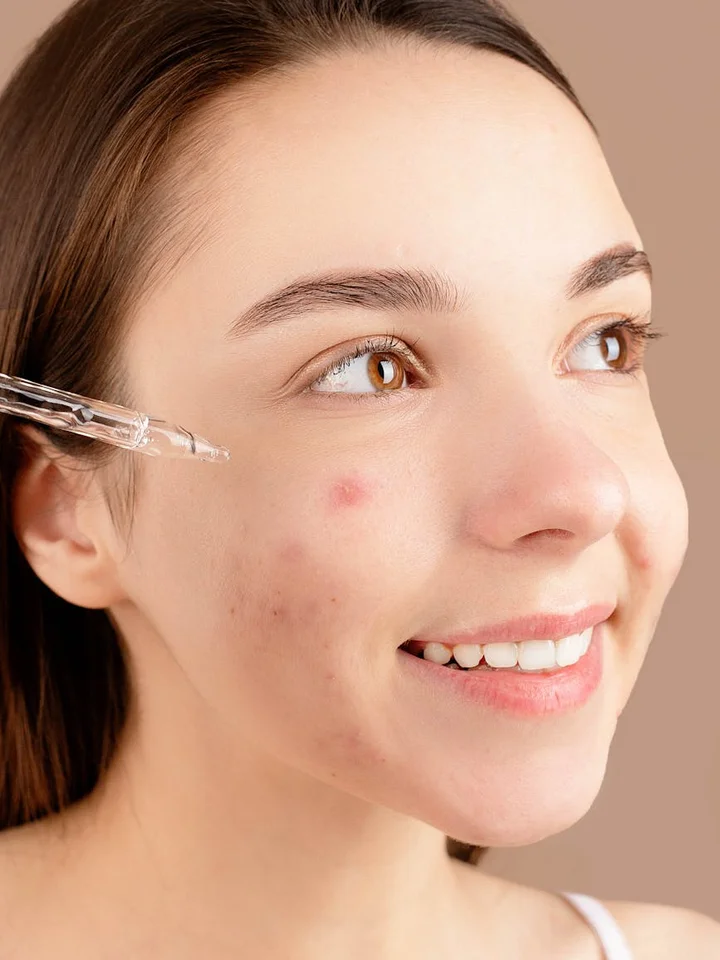
Let’s tackle the question head-on. Yes, you can physically apply adapalene gel in the morning. Chemically, it will still work on your skin. But I almost never recommend it. Here’s the honest, practical truth from the treatment chair.
Using adapalene during the day is like wearing a delicate silk blouse to a barbecue. It’s possible, but the risk of damage is high and the hassle is real. For it to be remotely safe, your day must meet strict conditions, especially regarding adapalene application practices.
- You must apply a generous amount of a high-quality, broad-spectrum mineral sunscreen (SPF 30 or higher) as the absolute final step of your routine.
- You must reapply that sunscreen perfectly every two hours if you are indoors near a window, and immediately after any sweating or water exposure.
- You must strictly limit direct sun exposure. This means no casual lunches on a sunny patio, no long walks without a hat, and definitely no outdoor workouts.
- Your skin barrier must already be very tolerant, not in the initial flaky, red, or stinging “retinization” phase.
There are also practical downsides. Adapalene can leave a slightly shiny finish or pill under makeup and sunscreen. For most people, morning use introduces a huge margin for error in sun protection for no real benefit. Think of my client Maya, who has an active job and loves weekend hikes. For her, applying adapalene in the AM adds a constant, unnecessary layer of anxiety about sunburn and hyperpigmentation. Nighttime use removes that risk entirely.
Building Your Routine: Morning and Night with Adapalene
The most effective plan is simple: use adapalene at night and focus on protection and repair during the day. This split routine works with your skin’s natural rhythm and minimizes side effects.
Your night routine should be calming and focused on treatment. I teach everyone the “sandwich method” when starting out. It helps your skin adjust without as much irritation.
Your morning routine has one primary goal: defend and hydrate. This is not the time for other active treatments. It’s the time for antioxidants, moisture, and that non-negotiable sunscreen. A gel-cream moisturizer works well for oily or combination skin, while someone like Noah, with dry skin, would benefit from a richer, balm-like formula to lock in hydration.
The Evening Adapalene Routine: Step-by-Step
Follow these steps to apply your treatment gently and effectively.
- Start with an oil cleanser if you wear makeup or sunscreen. This melts it away without harsh rubbing.
- Follow with a gentle, foaming or cream cleanser to remove any residue. Pat your face dry with a clean towel.
- Apply a hydrating toner or essence to slightly damp skin. This gives your skin a base layer of hydration.
- Apply your moisturizer. This is the first slice of the “sandwich” that buffers the treatment.
- Take a pea-sized amount of adapalene for your entire face. Dot it on your forehead, cheeks, and chin, then blend gently.
- Wait 10-15 minutes. Let the treatment absorb. This is a good time to brush your teeth or get ready for bed.
- Apply your moisturizer again. This final layer seals everything in and soothes your skin. Lina, with her combination skin, often uses a light gel on her T-zone and a more emollient cream on her drier cheeks for this final step.
The Essential Morning Follow-Up Routine
This routine supports your skin after treatment and prepares it for the day.
- Cleanse gently. You don’t need a deep clean. A splash of lukewarm water or a milky, non-foaming cleanser is perfect.
- Apply an antioxidant serum. Vitamin C is a classic choice. It helps neutralize free radicals from pollution and UV exposure that you might encounter during the day.
- Apply your moisturizer. Hydrated skin is a resilient skin barrier.
- Apply a broad-spectrum SPF 30+ mineral sunscreen. Zinc oxide and titanium dioxide are the gentle, effective filters I prefer for sensitized skin. This step is non-negotiable. Using adapalene without daily sunscreen can lead to worse sun damage and counteract all your treatment progress.
What to Mix and What to Avoid: Your Ingredient Interaction Matrix

Think of your skin barrier like a brick wall. Adapalene helps rebuild it from the inside out, but it can temporarily loosen a few bricks during the process. Your other products should be the gentle mortar that holds everything together, not a sledgehammer.
Here’s your practical guide to pairing products with your adapalene gel.
Safe & Synergistic Partners
These ingredients are your barrier’s best friends. They provide comfort and support while your skin adjusts.
- Hyaluronic Acid: This is a moisture magnet. Applying a hyaluronic acid serum to damp skin before your adapalene gives your skin a reservoir of water to pull from, which helps counter dryness. My client Noah, with his dry skin, found this step made his nightly routine much more comfortable.
- Ceramides: These are the lipids that act as the “glue” between your skin cells. A moisturizer with ceramides actively helps repair and maintain your protective barrier overnight. Using a ceramide moisturizer after adapalene is like applying a protective blanket over your newly worked-on skin.
- Niacinamide: This multi-tasking ingredient is a star partner. It helps improve barrier function, reduces redness, and can even help regulate oil production. It’s gentle enough to use in the same routine. I often recommend a niacinamide serum in the morning for clients like Maya and Lina to support their skin throughout the day.
- Gentle, Fragrance-Free Moisturizers: Simple is best. Look for formulas with soothing ingredients like panthenol or oat extract. Their job is purely to hydrate and protect without any potential irritants.
Proceed with Caution
Some ingredients can work with adapalene, but they require a strategic approach to prevent irritation.
- Benzoyl Peroxide: This is a common acne-fighting ingredient that can be very effective but also very drying. Some prescription formulas combine it with adapalene. If you’re using separate products, do not apply them on top of each other. The safest method is to use them on alternate nights, or use benzoyl peroxide as a short-contact treatment in the morning. This gives your skin a break from the combined drying effects.
Best to Avoid at the Same Time
Applying these at the same time as your adapalene is like asking your skin to run a marathon while it’s learning to walk. It overwhelms the barrier and almost guarantees irritation.
- Other Exfoliating Acids (AHA/BHA): This includes glycolic, lactic, mandelic, and salicylic acid. Adapalene is already accelerating your skin cell turnover. Adding a chemical exfoliant on top pushes your skin too far, too fast. If you want to use an acid, use it only in your morning routine and start with just once or twice a week, carefully watching for sensitivity.
- Vitamin C (L-ascorbic acid): While a fantastic antioxidant, the most potent forms of vitamin C are quite acidic. Applying it in the same routine as adapalene can lower your skin’s pH too much and cause stinging and redness. Use your vitamin C serum in the morning instead, where it can also help protect your skin from environmental damage.
- Physical Scrubs: Avoid grainy scrubs, rough washcloths, or cleansing brushes on the nights you use adapalene. Your skin is in a more delicate state, and physical abrasion can cause micro-tears and significant irritation.
Contraindications and Safety Warnings: When to Press Pause

Adapalene is a powerful tool, but there are times when you need to wait before starting or stop using it temporarily. Listening to your skin’s broader condition is non-negotiable. Knowing when to pause or adjust treatment is crucial for its effectiveness.
Do not start using adapalene if you are pregnant, breastfeeding, or actively trying to conceive. While topical retinoid absorption is low, the standard medical advice is to avoid it unless your doctor explicitly recommends it for you. Always consult your obstetrician or dermatologist first.
You should also pause or avoid starting if your skin barrier is already compromised. This includes:
- Active eczema, dermatitis, or any unexplained rash on your face.
- A recent sunburn or windburn.
- Widespread broken skin from picking, waxing, or procedures like dermabrasion.
It’s like applying a treatment to a scraped knee, it will only make things more painful and slow the real healing you need.
If you are already using another prescription retinoid (like tretinoin or tazarotene), do not add adapalene unless your dermatologist directs you to. Using multiple prescription-strength retinoids simultaneously is excessive and will severely damage your skin barrier.
Always check the ingredient list. If you have a known allergy to any component in the gel (like certain preservatives or the base formulation itself), choose a different product.
Finally, make friends with the patch test. Before applying any new treatment all over your face, apply a pea-sized amount behind your ear or on the side of your jaw for three to five nights. This simple step can help you identify sensitivity or an allergic reaction on a small, discreet area before it affects your entire face. My cautious client Noah swears by this method, and it’s saved all of us from potential flare-ups.
What to Expect: The Journey and Managing Side Effects

Starting a new treatment can feel like a leap of faith. I tell my clients to think of the first few months with adapalene not as a quick fix, but as a conversation with your skin. It’s learning how to work together.
Timeline and the “Purging” Phase
You’ll likely ask, “How long until I see results?” Here’s the honest timeline. It takes patience. You may notice some improvement in 4 weeks, but significant, consistent clearing of acne often takes 8 to 12 weeks of regular use. Your skin needs this time to adjust its cell turnover cycle.
During the first few weeks, you might experience “purging.” This is not a bad reaction. Purging happens because adapalene accelerates skin cell renewal, bringing existing, lurking clogs to the surface all at once. Think of it like finally cleaning out a pipe that’s been gathering gunk for months. You may see more blackheads or small pimples in areas where you normally break out. This phase typically lasts 2 to 6 weeks.
My client Maya went through this. She had a flare of chin cysts around week three and was ready to quit. We stuck with it every other night, and by week eight, her skin was clearer than it had been in years. Purging is a sign the ingredient is working, not that it’s wrong for you.
Common Side Effects and How to Tame Them
Retinoids like adapalene are powerful, and some irritation is common as your skin acclimates. This is often called “retinization.” You might experience:
- Dryness and flaky patches
- Tightness or redness
- A slight stinging sensation when applying other products
This is where your gentle skincare routine becomes your best friend. Managing these effects is all about supporting your skin barrier, not just powering through the discomfort. Here is your game plan:
- Scale back frequency. If applying every night is too much, switch to every other night or even every third night. Build up slowly.
- Moisturize strategically. Apply your gentle, fragrance-free moisturizer *after* the adapalene gel has dried. This helps buffer any irritation and locks in hydration. For very dry areas, a dab of a non-comedogenic facial oil can help.
- Never, ever skip sunscreen. Adapalene makes new skin cells, and those cells are incredibly vulnerable to sun damage. Daily SPF 30 or higher is non-negotiable to prevent dark spots and burning.
Normal Irritation vs. Adverse Reaction
It’s vital to know the difference between typical adjustment and a sign you should stop. Mild dryness and peeling are expected. What you need to watch for are signs of an adverse reaction, which means your skin is saying “no” loudly.
If you experience severe burning, intense redness that looks like a sunburn, swelling, blistering, or extreme itchiness, stop using the product immediately and consult your doctor or dermatologist. This is not normal retinization.
My client Noah has dry, reactive skin. For him, starting with a “short-contact” method worked wonders. He applied adapalene for just 10 minutes before washing it off and applying moisturizer, slowly increasing the time. This minimized his redness while letting his skin adapt.
Remember, for most people like Maya, Noah, and Lina, the initial side effects are temporary. With consistent, gentle care, your skin builds tolerance. The dryness eases, the peeling stops, and you’re left with the clearer, smoother texture you were working towards. Listen to your skin, adjust your pace, and trust the process.
Your Adapalene Timing Questions, Answered
I accidentally applied adapalene in the morning. What should I do?
Don’t panic, but be extra vigilant. Apply a broad-spectrum mineral sunscreen immediately and reapply every two hours with strict sun avoidance. Simply resume your normal evening application the next night.
Does using adapalene at night mean I can skip sunscreen during the day?
Absolutely not. Daily sunscreen is non-negotiable, as adapalene increases long-term sun sensitivity. Your morning routine must include SPF 30+ to protect the new, vulnerable skin cells the treatment is revealing.
What if I work night shifts? When should I apply it?
Apply adapalene at the start of your “night,” right before your longest period of sleep or indoor darkness. The goal is to align the application with a protected, extended period when your skin can process it without UV exposure. The best application time can influence both efficacy and irritation, so keeping to a consistent nighttime window helps optimize results. Sticking to this timing also makes it easier to monitor how your skin responds and adjust as needed.
Finding Your Rhythm with Adapalene
Your most reliable step is to apply adapalene gel at night. This simple choice works with your skin’s natural repair cycle and protects it from unnecessary sun sensitivity. Consistency with your evening routine is what builds clear, healthy skin over time.
- Make evening application your non-negotiable habit.
- Apply sunscreen every single morning without fail.
- Start slowly, using it just 2-3 nights a week to begin.
- Listen to your skin and adjust if irritation occurs.
We’re here to help you navigate your skin journey. For more guidance like this, follow along right here on the blog. If you have questions about your experience with adapalene or building your routine, send them our way. Your thoughtful approach to your skin is exactly what leads to great results.
Deep Dive: Further Reading
- r/Skincare_Addiction on Reddit: I just bought Adapalene gel. Should I use it AM or PM and what step should it be in my current routine
- Adapalene: Uses, Side Effects, Dosage & Interactions
- Adapalene for acne treatment: how it works, benefits, side effects
- Differin Gel (Adapalene) for Topical Acne: a Patient Guide
Lucy Zimmerman
Lucy is an expert author and blogger when it comes to skin care and body care. She has first hand expertise acting as skin care consultant for over 5+ years helping her clients achieve smooth blemish free skin with natural and working remedies. She also has been an avid experimenter and tried out all the natural and artificial remedies and treatments so you can learn from her first hand experience. Additionally, she has traveled to many countries around the world and incorporated the skin care routines she has learnt into this blog. So, wait no more, reach out to Lucy if you have any specific needs and follow her blog, LuciDerma for expert skin care advice.