
Acids for Anti-Aging: Firm Your Skin by Boosting Collagen
If you believe acids are just for scrubbing off flakes, let me shift your perspective. I regularly guide clients like Noah, who saw his dry skin regain bounce when we used acids to prompt collagen, not just exfoliate.
By the end of this read, you will be equipped to:
- Understand exactly how acids tell your skin to make more collagen, which means fewer fine lines and more firmness.
- Select the ideal acid for your unique skin, whether you share Maya’s oiliness or Lina’s combination concerns.
- Confidently add acids to your regimen for lasting results that go far beyond a smooth surface.
Your journey to more resilient, youthful skin starts with this clear guidance.
The Real Science: How Acids Tell Your Skin to Make More Collagen
Think of aging skin like a mattress that’s slowly losing its springs. Those springs are collagen and elastin, the proteins that keep your skin firm and bouncy. Over time, our bodies make less of them, and existing fibers can get damaged. This leads to fine lines and sagging.
Exfoliating acids work by loosening the “glue” between dead skin cells on the surface, which is why your skin looks brighter and smoother instantly. But the real anti-aging magic happens beneath the surface, where certain acids can actually convince your skin to build new collagen. It’s not sanding; it’s sending a construction crew. AHA and BHA exfoliation are popular methods to achieve this.
The Two Main Pathways to More Collagen
Acids and their derivatives generally encourage collagen production in one of two ways: through direct communication or by prompting a smart repair process.
Direct Cellular Signaling (The Precision Memo): This is how ingredients like retinoids (vitamin A derivatives) and stabilized vitamin C (ascorbic acid) often work. They can be absorbed and interact directly with your skin cells, specifically fibroblasts, which are the collagen factories. Retinoids, for instance, are like a precise, urgent memo that tells the cell, “Increase collagen production, stat.”
Controlled “Injury” Response (The Gentle Nudge): This is common with AHAs like glycolic and lactic acid. By creating a mild, controlled disruption in the outer layers, they trick your skin into thinking it needs to repair itself. This jump-starts a natural renewal process that includes pumping out fresh collagen and elastin. It’s a gentle nudge that says, “Hey, let’s fix this up down here.”
What Does the Evidence Say?
This isn’t just theory. Long-term clinical studies, some over 6 months to a year, show that consistent use of products with glycolic acid, retinoids, and vitamin C can lead to measurable increases in skin thickness and collagen density. The key word is consistent. The initial “plump” from hydration is temporary, but stimulating your skin’s own collagen machinery creates lasting structural change.
Meet the Anti-Aging Acid Team: A Molecule Spec Sheet
Not all acids are created equal for anti-aging. Some are brilliant at surface renewal, while others excel at deeper signaling. Here’s how the major players break down.
AHAs (Alpha Hydroxy Acids) like glycolic and lactic are water-soluble and fantastic for surface exfoliation and stimulating collagen via the “repair response.” They are the workhorses for improving texture and firmness.
BHAs (Beta Hydroxy Acids), namely salicylic acid, are oil-soluble. They clean out pores brilliantly but offer less direct collagen stimulation, making them a supporting player for aging, acne-prone skin.
PHAs (Poly Hydroxy Acids) like gluconolactone are larger, water-soluble molecules. They offer gentle surface exfoliation with less irritation and provide antioxidant benefits, making them ideal for sensitive skin that’s showing signs of aging.
| Acid Name | Primary Anti-Aging Action | Ideal pH Range | Effective Concentration | Best For |
|---|---|---|---|---|
| Glycolic Acid (AHA) | Promotes rapid surface cell turnover; strongly stimulates collagen via repair response. | 3.5 – 4.0 | 5-10% (leave-on) | Normal to oily, resilient skin needing intense texture refinement. |
| Lactic Acid (AHA) | Exfoliates while hydrating; good collagen stimulation, generally gentler than glycolic. | 3.5 – 4.5 | 5-10% (leave-on) | Dry, dull, or sensitive skin types (like my client Noah). |
| Mandelic Acid (AHA) | Gentle exfoliation and collagen support; has larger molecules and antibacterial properties. | 3.5 – 4.0 | 5-10% (leave-on) | Combination, sensitive, or acne-prone aging skin (perfect for a profile like Lina’s). |
| Salicylic Acid (BHA) | Decongests pores, reduces surface inflammation; indirect anti-aging by preventing collagen damage from breakouts. | 3.0 – 4.0 | 0.5-2% (leave-on) | Aging skin that is still oily or acne-prone. |
| Gluconolactone (PHA) | Gentle surface exfoliation with humectant and antioxidant benefits; supports barrier health. | 4.0 – 5.5 | 5-15% (leave-on) | Very sensitive, rosacea-prone, or dehydrated mature skin. |
| Azelaic Acid | Reduces inflammation and redness, inhibits melanin production; helps protect existing collagen from inflammatory damage. | 4.5 – 5.5 | 10-15% (leave-on) | Anti-aging for skin with rosacea, persistent redness, or hyperpigmentation. |
| Ascorbic Acid (Vitamin C) | Potent antioxidant that protects collagen from free radicals; directly boosts collagen synthesis. | Below 3.5 (for pure L-ascorbic) | 10-20% (leave-on) | All skin types seeking prevention, brightening, and firming. |
| Retinoids (e.g., Retinoic Acid) | Gold standard. Directly increases collagen production, speeds cell turnover, and improves skin texture. | Varies by formula | 0.01-1% (Rx tretinoin), lower for OTC retinols | Most skin types (except highly reactive) for addressing fine lines, wrinkles, and laxity. |
Key Solubility & Safety Notes
- Glycolic & Lactic Acid (Water-soluble): Start with a low concentration and frequency to avoid irritation. Always follow with sunscreen, as fresh skin is more sun-sensitive.
- Salicylic Acid (Oil-soluble): It can be drying. If you have dry patches, apply it only to oily zones or mix with a hydrating serum.
- Mandelic Acid (Water-soluble): A fantastic “starter” AHA for those new to acid exfoliation due to its gentler nature.
- Azelaic Acid: Can cause a temporary tingling or itching sensation when you first use it. This usually subsides with consistent use.
- Vitamin C (Ascorbic Acid): It’s unstable. Look for opaque, air-tight packaging. Apply in the morning under sunscreen for synergistic protection.
- Retinoids: The cardinal rule: start low and go slow. Use a pea-sized amount for the whole face every other night, and buffer with moisturizer if needed. Irritation is common initially but often manageable with a gentle routine.
Building Your Routine: How to Layer Acids Without the Aftermath
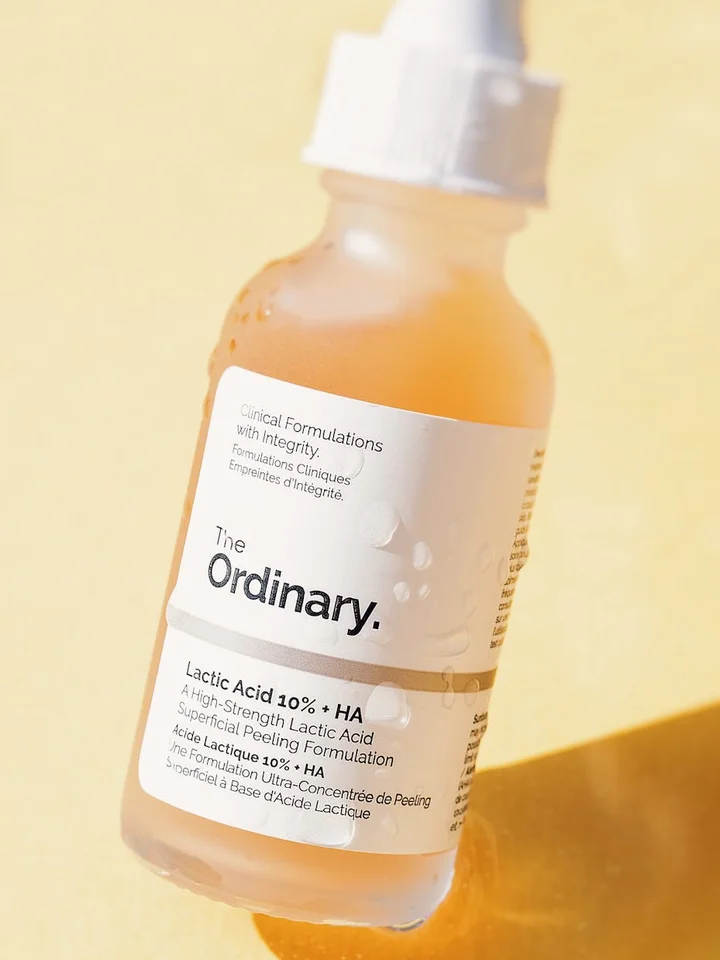
Think of introducing acids like getting to know a new friend. You don’t immediately invite them to move in. You start with a coffee, see how you get along, and go from there. This “start low and slow” philosophy is your best defense against redness and peeling.
Your Step-by-Step Guide to Starting Any Acid
- Patch Test First. Apply a small amount behind your ear or on your inner forearm for 3-5 nights. This tells you if your skin has an immediate allergic reaction.
- Begin with Once a Week. Apply your chosen acid in the evening on clean, dry skin. Follow with your moisturizer. Do this for two weeks.
- Listen to Your Skin. If your skin feels calm and looks good, you can increase frequency to twice a week for the next two weeks.
- Find Your Sweet Spot. Most people see excellent anti-aging benefits using an acid 2-3 times per week. Daily use is rarely necessary and often counterproductive.
- Never Skip Sunscreen. AHAs, in particular, make your skin more sensitive to the sun. SPF 30 or higher every single morning is non-negotiable.
The most common question I get from clients like Noah is, “How do I add this without making my skin angry?” The answer is all about timing and buffering. Never start two new active ingredients at the same time. Space them out by at least two weeks. If you have sensitive skin, applying your acid over a thin layer of moisturizer can act as a gentle buffer.
Sample Weekly Schedules
For the Beginner (Your First Acid Ever)
| Day | AM Routine | PM Routine |
|---|---|---|
| Mon, Wed, Fri, Sun | Cleanser, Vitamin C Serum, Moisturizer, SPF | Cleanser, Moisturizer |
| Tues & Sat | Cleanser, Moisturizer, SPF | Cleanser, Glycolic Acid (5%), Moisturizer |
For the Experienced User (Acclimated to Acids)
| Day | AM Routine | PM Routine |
|---|---|---|
| Mon, Wed, Fri | Cleanser, Vitamin C, Peptide Serum, Moisturizer, SPF | Cleanser, Moisturizer |
| Tues & Thurs | Cleanser, Moisturizer, SPF | Cleanser, Lactic Acid (10%) or PHAs, Peptide Serum, Moisturizer |
| Sat | Cleanser, Moisturizer, SPF | Cleanser, Retinol, Moisturizer |
The “Sandwich Method” for Sensitive Skin
If your skin leans reactive, the sandwich method is your best friend. Imagine your moisture barrier is a slice of bread. You’re putting the potent acid (the filling) safely between two protective layers of moisture.
- Cleanse your skin.
- Apply a light, soothing moisturizer or hydrating serum.
- Wait 5-10 minutes for it to absorb fully.
- Apply your acid treatment.
- Wait another 5-10 minutes.
- Seal it all in with your usual moisturizer.
This buffers the acid’s intensity without blocking its benefits. My client Noah uses this method with mandelic acid and has zero irritation.
Do Acids Play Nice with Peptides and Growth Factors?
This is a great pairing, not a conflict. Think of acids as the prep work and peptides as the repair crew. Acids clear away dead skin and signal for renewal, which may help peptides and growth factors penetrate better to do their job of supporting collagen. You can safely apply a peptide serum after your acid has dried, or use them on alternating nights. Just avoid formulas that mix very low pH acids with copper peptides, as the acidic environment can destabilize the peptide.
The Pairing Playbook: What to Mix and What to Miss
Layering skincare is like cooking. Some ingredients enhance each other, and some just ruin the dish. Here are the simple rules I give my clients.
Simple Rules for Powerhouse Pairings
- Think “Like with Like” for pH. Low-pH ingredients (vitamin C, direct acids) can often be layered together if your skin tolerates it. Higher-pH ingredients (peptides, most niacinamide, moisturizers) play well together after.
- Hydration is Always a Team Player. Ingredients like hyaluronic acid and glycerin can and should be used with everything. Apply them to damp skin before your treatment steps.
- When in Doubt, Time it Out. Use one potent ingredient in the morning and another at night. This is the safest way to get multiple benefits.
Can You Layer Retinol and Vitamin C?
You can use both, but not directly on top of each other in the same session. They thrive at different pH levels and using them together can irritate skin and potentially reduce efficacy. The golden rule is vitamin C in the morning (for antioxidant protection) and retinol at night (for repair and renewal). This is the schedule my client Lina follows for brightening and fine lines.
Safe, Supportive Pairings to Boost Anti-Aging
- Acid + Niacinamide: A brilliant combo. The acid exfoliates, and niacinamide (applied after) helps calm redness and strengthen the barrier. Great for Maya’s acne-prone skin.
- Acid + Hyaluronic Acid: Apply hyaluronic acid to damp skin right after your acid. It pulls hydration into the freshly exfoliated surface.
- Peptides + Almost Anything: Peptides are generally stable and non-irritating. Layer them after your treatment step (acid or vitamin C) and before moisturizer.
Combinations to Space Out or Avoid
- Direct Acids (AHA/BHA) + Retinol in the Same Routine: This is a major risk for irritation, redness, and a damaged barrier. Use them on alternating nights.
- Benzoyl Peroxide + Vitamin C (L-ascorbic acid): Benzoyl peroxide can oxidize and destabilize vitamin C, making it less effective.
- Physical Scrubs + Acids: This is double exfoliation. Choose one method per session to avoid stripping your skin.
Your skin’s response is the ultimate guide. If a combination stings, turns you red, or causes peeling, separate those ingredients by 12 hours or use them on different days.
Contraindications & Safety Warnings: When to Press Pause
Powerful ingredients require respect. Using an acid when your skin is not ready can set you back weeks, especially if you don’t understand how skincare acids can cause purging. Listen to your skin’s signals.
There are a few times when you must stop completely. Do not apply acids if you are pregnant, trying to conceive, or breastfeeding, specifically regarding retinoids. Prescription retinoids like tretinoin are contraindicated, and many clinicians advise caution with over-the-counter retinol. Always consult your doctor. The second absolute stop sign is visibly broken skin: cuts, scrapes, or freshly popped blemishes. Acids will burn and delay healing. Finally, avoid active rashes, eczema flares, or dermatitis. Treat the inflammation first.
Other scenarios require you to proceed with extreme caution. If your moisture barrier is damaged-your skin feels tight, stings with most products, and looks shiny yet flaky-acids are fuel on the fire. Focus on repair with ceramides and cholesterol first. My client Noah learned this the hard way after over-exfoliating. We paused all actives for a month to rebuild his barrier. Be cautious during rosacea flares, as acids can aggravate redness. And always, always press pause for at least one week after professional treatments like lasers or chemical peels, or until your clinician gives you the all-clear.
If you have mature or sensitive skin that feels intimidated, gentler alternatives exist. For sensitive skin seeking collagen support, azelaic acid is a superb, calming option that also tackles redness. Polyhydroxy Acids (PHAs) like gluconolactone offer very gentle exfoliation and hydration with almost no sting. A low-concentration mandelic acid serum, an AHA derived from almonds, can be a wonderful introductory acid for its larger molecule size and anti-bacterial properties. This makes mandelic acid a gentle option among chemical exfoliants for sensitive skin. Start with a low concentration and do a patch test to gauge tolerance before regular use.
This is the single most important rule: Daily broad-spectrum sunscreen is non-negotiable with any acid routine. Acids increase sun sensitivity. Using them without SPF 30 or higher can lead to worse hyperpigmentation and undermine all the anti-aging benefits you’re working for. Think of sunscreen as the armor that protects your anti-aging results from daily UV exposure. A consistent UV-protection routine is essential to keep those benefits intact.
Your Gentle Start Guide: Finding Your First Anti-Aging Acid
Choosing your first acid feels overwhelming. Simplify it by matching the ingredient to your primary concern.
Let’s diagnose your starting point. Is your main goal softening fine lines and preventing new ones? A retinoid is your gold standard. Concerned about dullness and sun spots? Vitamin C (L-ascorbic acid) is your morning hero. If rough texture and clogged pores are the issue, a gentle AHA like glycolic or lactic acid is the best path. For my client Lina, who has combination skin, a lactic acid serum twice a week smoothed her cheeks without upsetting her oily T-zone. If your skin swings between oily and dry, a carefully dosed retinoid routine paired with moisturizer can balance both. In the next steps, we’ll outline a retinoid-focused oily-dry skin routine to keep texture smooth without stripping moisture.
The product form matters for control. Serums are typically the most potent and concentrated; you use a few drops. They’re great for targeted treatment. Creams are often more forgiving, as the moisturizing base can buffer the acid slightly, making them a smart choice for drier or novice skin. Toners or lightweight lotions are easy to apply and can be very gentle, ideal for daily use. For absolute control, a serum applied to dry skin before your moisturizer lets you manage the exact amount and frequency.
Reading the label demystifies strength. Look for the concentration, listed as a percentage (e.g., “5%,” “10%”). Start low. The pH is just as critical but harder to find; it’s often in the fine print or online description. An effective exfoliating acid product needs a pH generally below 4. A product with a 10% acid at a pH of 5 won’t work as well as a 5% acid at a pH of 3.5. Don’t chase the highest percentage.
My final note is the least glamorous but most important. I didn’t see a change in my own skin’s firmness from glycolic acid for a solid three months of consistent, twice-weekly use. Patience and consistency, not product hopping, are the true keys to visible results. Your skin renews itself on its own schedule. Stick with a well-chosen, gentle acid, protect it with sunscreen, and trust the process.
Your Anti-Aging Acid Questions, Answered
Can combining peptides or growth factors with acids enhance my results?
Absolutely. Think of acids as preparing the construction site by clearing away debris and signaling for renewal, which allows peptides and growth factors to penetrate more effectively to support collagen building. You can apply a peptide serum after your acid has fully dried or use them on alternating nights for a synergistic approach.
What acids are best for sensitive or mature skin seeking collagen benefits?
For sensitive skin, Polyhydroxy Acids (PHAs) like gluconolactone or larger-molecule AHAs like mandelic acid offer gentle exfoliation and collagen support with minimal irritation. Mandelic acid’s larger molecular size often makes it gentler on sensitive skin than glycolic acid, though individual tolerance varies. Azelaic acid is another superb, calming option that protects collagen from inflammatory damage while addressing redness.
How do pH and concentration work together for an effective anti-aging acid?
Both are crucial. An acid needs a low pH (generally below 4) to be active and effective, regardless of its concentration percentage. A product with a 10% acid at a pH of 5 will be less effective than a 5% acid at the correct, lower pH, so it’s essential to consider both factors.
Final Thoughts on Acids and Aging Skin
Think of acids not as harsh strippers, but as skilled messengers that tell your skin to renew itself. They offer exfoliating properties that vary by skin type, so pairing the right acid with yours is key. Understanding how exfoliation works across different skin types helps you tailor your routine without overdoing it. The most effective approach is consistent, gentle use of the right acid for your skin’s needs, always backed by sunscreen and a robust moisture barrier.
- Start with one acid and a low concentration to see how your skin responds.
- Apply your acid serum to clean, dry skin and always follow with a moisturizer.
- Daily sunscreen use is non-negotiable to protect your new, fresh skin cells.
- Give any new product at least four to six weeks before expecting to see visible changes in firmness or fine lines.
For more guidance tailored to your specific skin, follow the LuciDerma blog. We are here to help you navigate your skin health journey with clear, evidence based advice. If you have a question about incorporating acids into your routine, you can always reach out via our contact page. We also cover the best acid treatments for common skin conditions to help you choose confidently. Your smarter skin care starts here.
Related Guides and Information
- 13 Foods That Boost Your Body’s Natural Collagen Production
- Essential Amino Acids: The Secret Ingredients for Collagen Synthesis and Skin Health – Vidafuel
- Glycolic acid adjusted to pH 4 stimulates collagen production and epidermal renewal without affecting levels of proinflammatory TNF‐alpha in human skin explants – PMC
- Collagen • The Nutrition Source
- 18 Foods With Collagen Boosting Benefits
- Effect of a Specialized Amino Acid Mixture on Human Collagen Deposition – PMC
- Importance of amino acid composition to improve skin collagen protein synthesis rates in UV-irradiated mice – PMC
- Top 7 Collagen-Stimulating Ingredients | Dr. Dennis Gross
- This Is the Collagen-Boosting Cream That Helps Smooth My Fine Lines and Wrinkles
- Collagen & Hyaluronic Acid Supplements – Neocell
Lucy is an expert author and blogger when it comes to skin care and body care. She has first hand expertise acting as skin care consultant for over 5+ years helping her clients achieve smooth blemish free skin with natural and working remedies. She also has been an avid experimenter and tried out all the natural and artificial remedies and treatments so you can learn from her first hand experience. Additionally, she has traveled to many countries around the world and incorporated the skin care routines she has learnt into this blog. So, wait no more, reach out to Lucy if you have any specific needs and follow her blog, LuciDerma for expert skin care advice.