
Adapalene vs. Tazarotene: Your Guide to Beating Stubborn Acne
If you’re weighing adapalene against tazarotene for stubborn breakouts, you’re asking the right question for your skin’s next chapter. I see this decision point often in my practice, and I’m here to walk you through it with a clinician’s eye for evidence and a friend’s dose of reassurance.
This article will equip you to make a confident choice. You will know:
- How each retinoid works beneath the skin’s surface to clear clogged pores.
- The real world trade offs between adapalene’s gentler approach and tazarotene’s potent power.
- Exactly how to start with either one to minimize irritation and maximize results.
Let’s find the right tool for your unique skin story.
Meet Your Retinoid Contenders: A Quick Molecule Spec Sheet
Think of this as a quick ID card for each ingredient. Knowing these basics helps explain why they feel and act differently on your skin.
| Adapalene | Tazarotene | |
|---|---|---|
| Type of Retinoid | Third-Generation (Synthetic) | Receptor-Selective (Synthetic) |
| FDA-Approved Strengths for Acne | 0.1%, 0.3% (OTC & Rx) | 0.1% (Rx only) |
| Primary Receptor Target | Retinoid Acid Receptors (RAR-β, RAR-γ) | Retinoid Acid Receptors (RAR-β, RAR-γ) |
| Typical pH | More stable across a wider pH range | Requires a specific, more acidic formulation |
| Solubility Profile | Lipophilic (oil-loving) | Lipophilic (oil-loving) |
| Pregnancy Category | Category C | Category X |
So, what does “third-generation” versus “receptor-selective” actually mean for your face? All retinoids are related to Vitamin A, but scientists design synthetic ones like these to be more precise. Adapalene, as a third-generation retinoid, was engineered to be more stable and cause less irritation than its ancestors, like tretinoin. Tazarotene is called “receptor-selective” because it’s designed to bind very specifically to certain cellular receptors, which influences its potency and effects.
It’s helpful to briefly bring tretinoin into the chat for context. Tretinoin is the classic, first-generation retinoid. Adapalene and tazarotene are its more modern, synthetic cousins, each with tweaks to the molecular structure to change how they interact with your skin. Tazarotene is also a Category X drug, meaning it is contraindicated and should not be used during pregnancy, which is a critical safety distinction.
How They Work: Your Pore’s Traffic Controllers
Both adapalene and tazarotene are excellent at clearing acne, but they manage your pores a bit differently. I like to think of adapalene as a precise lane director, while tazarotene oversees the whole traffic management system.
Adapalene is your focused commuter solution. It primarily works by binding to specific receptors inside skin cells to normalize their life cycle. This prevents dead cells from clumping together and clogging the pore (that’s the comedolysis). It also has direct anti-inflammatory properties, which is like having a dedicated officer calming down the red, angry flare-ups at the site of a pimple. It’s efficient and targeted—much more effective than generic exfoliation methods.
Tazarotene operates on a broader city-planning level. It also binds to receptors to normalize skin cell turnover and unclog pores, but it influences a wider range of cellular activities. This includes modulating genes involved in inflammation and keratinization. Its action is more comprehensive, which often translates to faster and more pronounced results, but also a higher potential for irritation, especially at first.
The big question: is tazarotene more effective than adapalene for stubborn acne? Clinical studies suggest that tazarotene 0.1% often shows superior clearing of both inflammatory lesions (like papules and pustules) and non-inflammatory comedones (blackheads and whiteheads) compared to adapalene 0.1%. For example, one 12-week study found tazarotene gel was significantly more effective at reducing the total number of acne lesions. Its broader mechanism gives it a strong edge against persistent, inflamed breakouts.
However, “more effective” in studies doesn’t always mean “better for you.” The higher efficacy of tazarotene comes with a notably higher risk of dryness, peeling, and initial irritation (the “retinization” period). Adapalene, especially the over-the-counter 0.1% formulation, is frequently better tolerated by those with sensitive skin, like my client Noah. For someone like Maya with oily, acne-prone skin who can handle a stronger approach, a prescription retinoid like tazarotene could be a powerful next step if adapalene isn’t enough.
Choosing Your Champion: Which Skin Type Wins with Which Retinoid?
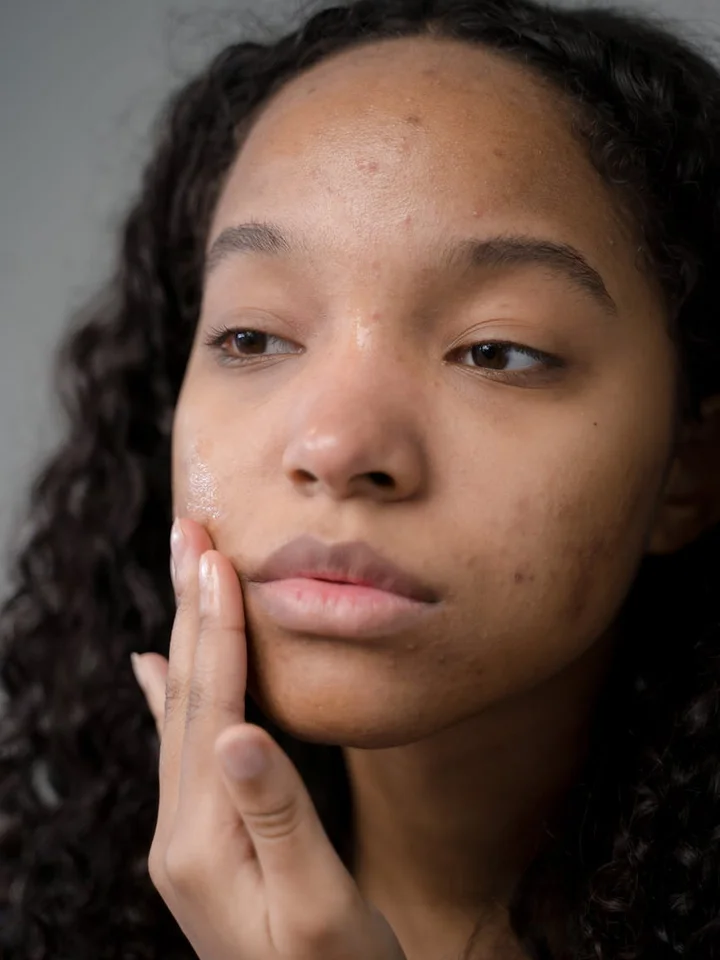
Picking the right retinoid isn’t about finding the “strongest” one. It’s about finding the most effective partner for your specific skin personality. For beginners with sensitive skin, the best retinol percentage to start with is gentle and slow-progressing. Think of it like choosing a running buddy: you want someone who matches your pace, not someone who leaves you burnt out on the first mile.
Let’s break down the decision with some familiar faces.
When Adapalene Might Be Your Perfect Match
Adapalene is a brilliant first-line defender. It’s particularly tuned to target the microcomedone, the tiny clog that eventually becomes a pimple. If you have oily or combination skin with persistent blackheads, whiteheads, and inflamed bumps, adapalene’s targeted approach can be incredibly effective. Exploring adapalene gel uses and its effectiveness for acne can help you decide your next steps. It also works across various severities and skin types.
For someone like Maya with her oily, acne-prone skin, adapalene is often my top recommendation to start. It’s potent where she needs it but tends to be more forgiving on oilier complexions that are less prone to dryness. Because it’s available over-the-counter, it allows for a gentle, self-guided introduction to the retinoid world.
When Tazarotene Enters the Chat
Tazarotene is a precision tool for more complex, stubborn cases. It works faster and binds more tightly to skin cell receptors. Consider tazarotene if you’ve tried adapalene faithfully for 3-4 months and still face persistent, deep, or inflammatory acne, or if you have thickened, rough skin texture from conditions like psoriasis.
This is where I’d think of Noah, with his dry and reactive skin. Tazarotene would require a much more cautious, doctor-supervised approach for him, but its power could be warranted for acne that hasn’t bowed to other treatments. The key is pairing it with a fortress of barrier-supporting care.
The Wrinkle Question: Acne Fighters with Anti-Aging Perks
I get asked daily about “adapalene vs tazarotene for wrinkles.” Here’s the straight story. Both are FDA-approved for acne, not anti-aging. However, by accelerating cell turnover and boosting collagen, all retinoids can improve fine lines and texture over time.
Studies suggest tazarotene may have a slight edge in visibly improving wrinkles and sun damage because of its strength and receptor affinity. But for general anti-aging maintenance alongside acne control, adapalene offers a proven, gentler path with a lower risk of irritation. Your best anti-aging tool is still consistent use paired with a stellar sunscreen.
My clear advice is to begin with over-the-counter adapalene if you’re new to retinoids. Master that for several months. If your acne is still winning the battle, that’s your signal to consult a dermatologist about potentially graduating to prescription tazarotene.
The Safe Launch Protocol: How to Start Without the Meltdown
Starting a retinoid is a marathon, not a sprint. The goal is to get your skin acclimated without declaring war on your moisture barrier. Here are your separate game plans.
Launching Adapalene (OTC)
Follow this routine on your adapalene nights.
- Cleanse: Use a gentle, creamy, fragrance-free cleanser on dry skin.
- Moisturize (The “Sandwich” Step): Apply a pea-sized amount of a basic, fragrance-free moisturizer to damp skin. Let it absorb for 5 minutes.
- Apply Adapalene: Take a second pea-sized amount of adapalene. Dot it on your forehead, cheeks, and chin, then spread a thin, even layer over your entire face, avoiding the eyelids and direct lip area.
- Seal (The Other “Sandwich” Step): After the adapalene dries (about 10-15 minutes), apply another light layer of your moisturizer to seal in hydration.
Frequency: Start with twice a week (e.g., Monday and Thursday) for the first two weeks. If your skin feels calm, move to every other night for the next two weeks. You can build up to nightly use as tolerated, but even every other night long-term is perfectly effective.
Launching Prescription Tazarotene
Your dermatologist will give specific instructions, but this is a universally safe approach.
- Cleanse: Same gentle, creamy cleanser. Pat skin totally dry and wait 20-30 minutes. Applying to completely dry skin reduces irritation.
- Moisturize (The Essential Buffer): Apply your fragrance-free moisturizer to damp skin. Wait another 5-10 minutes.
- Apply Tazarotene: Use half a pea-sized amount. This is not a lotion. Dot and spread thinly. Less is absolutely more.
- Seal: Wait 20 minutes, then apply a second layer of moisturizer.
Frequency: Start with once every third night (e.g., Monday, skip Tuesday/Wednesday, apply Thursday). Maintain this pace for at least 3-4 weeks. Only increase to every other night if irritation is minimal. Many people use tazarotene successfully long-term at 2-3 times per week.
The Non-Negotiables & What to Avoid
Every single morning, you must apply a broad-spectrum SPF 30 or higher. Retinoids make your skin more sun-sensitive. This is the rule.
Stick with compatible, gentle products:
- Fragrance-free moisturizers with ceramides, glycerin, or squalane.
- Creamy or milky non-foaming cleansers.
- Soothing ingredients like panthenol or centella asiatica.
Avoid using these ingredients on the same night as your retinoid: other exfoliating acids (AHA/BHA), benzoyl peroxide (can be used in the AM if tolerated), and vitamin C. This drastically increases irritation risk. Keep your routine simple.
Irritation vs. Allergy: Knowing the Difference
Retinoid irritation is common and looks like dryness, peeling, redness, or a sensation of tightness or stinging shortly after application. It often improves as your skin “retinizes” over 2-6 weeks. Some people may also experience retinol or retinaldehyde purging, where pores or breakouts seem to flare before improving. This purging is a temporary adjustment rather than a sign of ongoing irritation and tends to settle as your skin acclimates.
A true allergic reaction is rarer and involves intense itching, hives, swelling, or blistering that spreads beyond the application area. If you experience these signs, stop use immediately and contact your doctor. Irritation is managed by pulling back frequency and buffering more. An allergy means the formula isn’t for you.
Contraindications & Safety Warnings: When to Press Pause
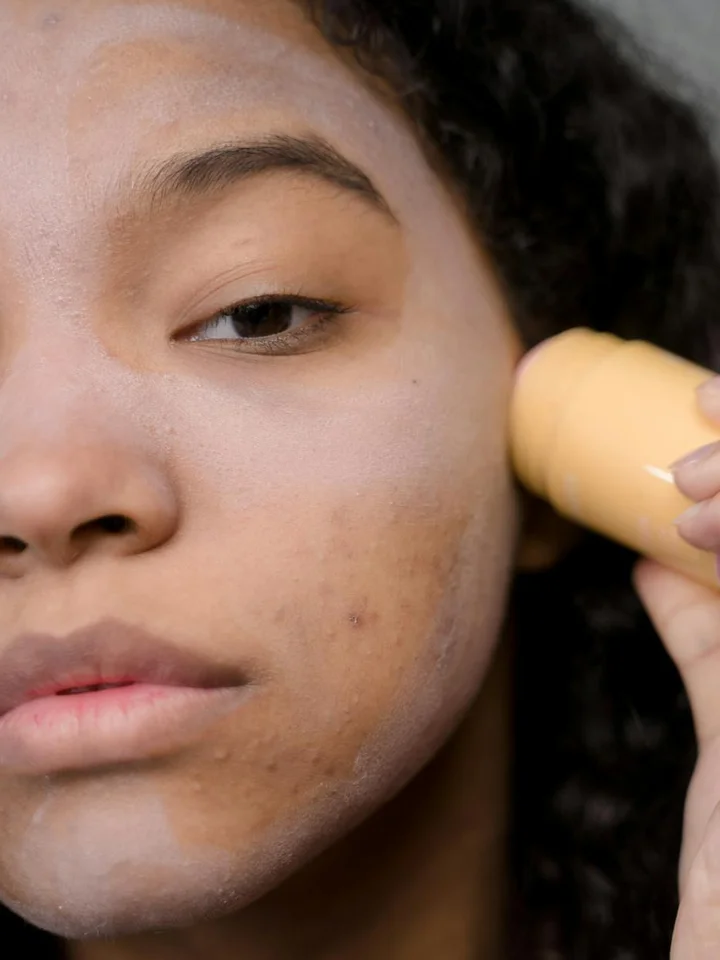
These are powerful medications, not casual cosmetics. Respecting their strength is key to using them safely and effectively. Let’s review the non-negotiable safety rules.
Pregnancy & Breastfeeding: The Absolute Rule
Topical retinoids are classified as Pregnancy Category C. This means animal studies have shown risk to the fetus. While systemic absorption from a topical cream is low, the unanimous medical recommendation is to avoid both adapalene and tazarotene if you are pregnant, planning to become pregnant, or breastfeeding.
My client Noah, who is always meticulous about ingredients, always asks about this. I tell him the same thing I’ll tell you: this is one area where we do not experiment. If acne is a concern during pregnancy, we discuss completely different, safe options like azelaic acid with a doctor.
Skin Conditions That Say “Stop”
Applying a retinoid to already angry or compromised skin is like scrubbing a sunburn. It will cause more harm. Do not use adapalene or tazarotene if you have:
- Active Eczema or Dermatitis: The retinoid will significantly worsen the inflammation and barrier damage.
- A Severely Damaged Skin Barrier: If your skin stings with water or a basic moisturizer, your barrier is crying for help. Retinoids will scream.
- Active Sunburn: Wait until the sunburn has fully healed, peeled, and returned to normal.
- Open Wounds or Cuts: Apply only to intact, healed skin.
- Extreme Sensitivity to any ingredient in the formulation.
Answering the Combination Questions
In the clinic, I get asked about stacking products all the time. Here’s my firm, safety-first stance on common retinoid combination questions.
Can I use Adapalene and Tazarotene together?
Absolutely not. This is a direct path to severe irritation, peeling, and a damaged skin barrier. They are both prescription-strength retinoids. You must choose one. Using both concurrently offers no extra benefit and maximizes risk. Think of it like taking two full doses of strong pain medication when one will do the job-it’s unnecessary and dangerous.
Can you use Retinol and Tazarotene together?
You should not. Tazarotene is already a full-strength, active retinoid. Adding an over-the-counter retinol is redundant and will almost certainly increase irritation. If you are using a prescription retinoid like tazarotene, you do not need any other retinoid or retinol in your routine. This is a common mistake I see with clients like Lina, who loves layering actives. With retinoids, more is not better.
What to Do If Irritation Strikes
Even with perfect use, irritation can happen. Your response should be immediate and gentle.
- Press Pause on the Retinoid. Stop using it immediately. Do not try to “push through” significant redness, burning, or peeling.
- Switch to a Barrier-Repair Routine. This is your new focus. Cleanse with only a gentle, non-foaming cleanser. Apply a bland, fragrance-free moisturizer with ceramides or panthenol. Think of it like applying a protective blanket over cracked skin.
- Use a Soothing Occlusive. After your moisturizer on damp skin, a thin layer of plain petrolatum (like Vaseline) or a centella asiatica balm can help lock in moisture and accelerate healing.
- Reintroduce Slowly. Once your skin is fully calm-no stinging, no tightness-you can restart. Try applying the retinoid just once every three nights, followed by your moisturizer, and slowly build frequency back up. Irritation is your skin’s signal to slow down. Listening to it prevents long-term barrier damage.
Your Retinoid Questions, Answered
How does tazarotene compare to tretinoin, not just adapalene?
Tazarotene and tretinoin are both prescription-only and generally more potent than adapalene for acne and photoaging. Think of tretinoin as the classic, broad-acting gold standard, while tazarotene is a more modern, receptor-targeted alternative that can work faster but may be more irritating.
I see a lot of debates on Reddit about which is stronger. What’s the real takeaway?
Online forums rightly note tazarotene is often clinically stronger, but your skin’s tolerance is the critical factor. Our clinical advice is to master adapalene first; use community experiences as motivation to consult a dermatologist, not as a substitute for a personal prescription.
If both can help with wrinkles, which is better for anti-aging?
For dedicated anti-aging where acne isn’t the primary concern, a prescription retinoid like tretinoin is often the first choice. Between these two, tazarotene has more anti-aging research, but adapalene’s gentler profile makes consistency-the true key to results-much easier to maintain.
Navigating Your Retinoid Journey
Your most effective tool against stubborn acne is the retinoid that aligns with your skin’s tolerance and your acne’s severity. I guide my clients, like Maya with her persistent breakouts, to start with adapalene for its gentler approach before considering a switch to tazarotene’s stronger formula. This personalized strategy builds resilience while tackling clogged pores, minimizing the irritation that can derail progress.
- Begin with over-the-counter adapalene if your acne is mild to moderate or your skin is new to retinoids.
- Discuss prescription tazarotene with a dermatologist only if your acne is severe, cystic, or unresponsive to other treatments.
- Apply your retinoid at night on dry skin, always following with a soothing moisturizer to protect your barrier.
- Use a mineral, cruelty-free sunscreen every morning without fail, as both retinoids increase sun sensitivity.
- Allow a full 12 weeks of consistent use to see significant results, tracking changes in a simple skin journal.
Your skin care choices should feel empowering, not overwhelming. I’m here to offer evidence-based advice that respects your skin and values, much like the routines I craft for Noah who prefers ethical, fragrance-free options. If you have more questions after reading, share them in the comments or explore other articles on LuciDerma for continued support on your path to clearer, healthier skin.
Related Guides and Information
- Best Acne Treatment: Adapalene or Tazarotene for Acne? – Curist
- Adapalene 0.1% gel compared to tazarotene 0.1% cream in the treatment of acne vulgaris – PubMed
- Tazarotene versus tretinoin or adapalene in the treatment of acne vulgaris – PubMed
- Tretinoin, Adapalene, Tazarotene
- Tazarotene vs. Adapalene for Acne: Important Differences and Potential Risks.
- Tolerability Comparison of Adapalene Gel, 0.3% versus Tazarotene Cream, 0.05% in Subjects with Healthy Skin – JDDonline – Journal of Drugs in Dermatology
- Efficacy and tolerability of adapalene 0.3% gel compared to tazarotene 0.1% gel in the treatment of acne vulgaris – PubMed
- Comparison of Efficacy of 0.1% Tazarotene Versus …
- Tazarotene versus tretinoin or adapalene in the treatment of acne vulgaris – ScienceDirect