
Acids on Dermatitis and Eczema: How to Use Them Safely for Calmer Skin
If you have dermatitis or eczema, even thinking about using acids on your skin might trigger worry. As a licensed esthetician, I hear this concern often, and with the right guidance, you can navigate this safely.
In this article, you’ll walk away with clear, actionable steps to make informed choices:
- Learn which specific acids can support barrier repair and reduce inflammation, so you can target flakes without fear.
- Understand how to patch-test and introduce acids slowly, empowering you to prevent reactions before they start.
- Build a simple, gentle routine that incorporates acids for exfoliation while keeping your skin soothed and protected.
Let’s find a path that works for your unique skin.
The Short Answer: Acids and Eczema Can Coexist
Yes, you can use certain acids even if your skin leans toward eczema or dermatitis. It’s all about strategy, not avoidance. Cautious, informed use is absolutely possible.
The non-negotiable rule is to never apply acids during an active, weeping, or intensely itchy flare-up. That inflamed skin needs pure calming and repair, not active ingredients.
Think of it like walking on a freshly mopped floor. It’s possible, but you need to tread lightly, wear the right shoes, and know the safest path to avoid slipping. My client Noah, who has dry, reactive skin, approaches new ingredients this way. He starts with a tiny test, waits a full week, and only then considers integrating it slowly into his routine. That thoughtful patience is the key to success.
How Your Skin’s “Shield” Works with Acids
To understand the relationship, picture your skin’s outermost layer, the barrier, as a brick wall. The skin cells (corneocytes) are the bricks. The lipids-ceramides, cholesterol, and fatty acids-are the mortar that holds everything tightly together.
This wall keeps the good stuff (hydration) in and the bad stuff (irritants, pollutants) out. When you have eczema or dermatitis, this wall develops cracks. The mortar is compromised. This lets moisture escape and allows irritants to sneak in, which is why your skin feels dry, tight, and reacts so easily.
Acids interact with this wall. Some can help repair the mortar by encouraging healthy cell turnover and signaling for more lipid production. Others, if used too aggressively, can dissolve too much mortar, widening those cracks. The outcome depends entirely on the acid’s type, strength, and how you use it.
The Acid Test: pH and Your Skin’s Natural Balance
pH is a scale that measures how acidic or alkaline something is, from 0 (very sour, like battery acid) to 14 (very soapy, like lye). Your skin’s surface has a slightly acidic natural mantle, typically sitting at a happy pH of around 4.5 to 5.5.
This acidic environment is crucial. It keeps your barrier lipids stable and supports the good microbes that live on your skin. Using products with a wildly different pH, like harsh alkaline soaps, can strip this mantle, weakening your shield and inviting irritation.
Most well-formulated skincare acids are designed to work in harmony with your skin’s natural acidic pH, which is why gentle, low-concentration options can sometimes be integrated into a barrier-supportive routine. That same principle underpins pH-focused skincare formulations that prioritize barrier health. In short, choosing products with balanced pH can support your skin’s protective barrier over time.
The Gentle Giants: Acids That Can Soothe Eczema-Prone Skin

Yes, some acids can be used on dermatitis-prone skin. The key is choosing the right chemical structure. Gentle acids work by giving your skin a helpful nudge instead of a harsh shove. They focus on hydration and calming inflammation rather than aggressive exfoliation. For skin with eczema, you want acids that support your barrier, not challenge it.
Think of your skin barrier like a brick wall that’s gotten a little damaged. The right acid, like mandelic acid for sensitive skin, acts like a skilled mason, carefully helping to remove loose, crumbling mortar (dead skin cells) while bringing in new, plumping materials (hydration) to repair the structure. The wrong acid is like taking a power washer to that already weakened wall.
For eczema-prone skin, these four acids are typically the safest bets:
- Lactic Acid: A hydrating exfoliant that pulls moisture into the skin.
- Azelaic Acid: A multi-tasking soother that targets redness and inflammation.
- Mandelic Acid: A large-molecule acid that works slowly and gently on the surface.
- Polyhydroxy Acids (PHAs): The gentlest class, known for hydration and antioxidant protection.
Your safest approach is to look for these acids formulated in gentle, creamy moisturizers or low-percentage serums, avoiding harsh, high-strength toners or peeling solutions. Always, always patch test on a small area of clear skin for a week before using it on a larger or affected area.
Lactic Acid: The Hydrating Exfoliant
Lactic acid is a standout for dry, flaky eczema patches. It’s an Alpha Hydroxy Acid (AHA) that occurs naturally in milk, but the version in your skincare is synthetically made for purity and consistency. What makes it special is its unique ability to exfoliate and hydrate simultaneously.
It gently loosens the bonds between dead skin cells on the surface, helping to smooth away the rough, scaly texture that often accompanies eczema. At the same time, it’s a humectant, meaning it attracts and binds water molecules to the skin. This one-two punch is why I often recommend it to clients like Noah, who struggle with dry, reactive skin. Using a 5% lactic acid serum twice a week helped him manage flakiness without the tight, stripped feeling he got from physical scrubs.
Azelaic Acid: The Calming Multi-Tasker
If your dermatitis involves significant redness, bumps, or a feeling of heat, azelaic acid deserves your attention. This acid is derived from grains like wheat and barley and is a powerhouse for calming inflammation. It directly targets the “itis” in dermatitis by quieting the immune response that causes redness and swelling.
It’s excellent for addressing the bumpy texture and uneven tone that can come with inflammatory skin conditions. Because it’s so effective at reducing redness and is typically well-tolerated, it’s a fantastic option for skin that’s both sensitive and prone to reactivity. Think of it as a fire extinguisher for flare-ups, helping to cool things down.
Mandelic Acid: The Sensitive Surface Worker
Mandelic acid, derived from bitter almonds, has the largest molecule size of the common AHAs. This is a huge benefit for sensitive skin. A larger molecule means it penetrates the skin more slowly and works primarily on the very surface.
This translates to a gentle, even exfoliation with a lower risk of irritation. It’s less likely to cause stinging or burning on compromised skin. If you’re new to acids and have eczema, mandelic acid in a low concentration (around 5%) can be a gentle way to introduce exfoliation.
Polyhydroxy Acids (PHAs): The Barrier Guardians
PHAs, like gluconolactone and lactobionic acid, are the overachievers of gentle care. They offer very mild exfoliation similar to AHAs but with added benefits. Their larger molecular size means minimal penetration and virtually no stinging.
They are profoundly hydrating and have antioxidant properties, which help protect the fragile skin barrier from environmental stressors. For skin with eczema, PHAs are often the safest entry point for chemical exfoliation, as they reinforce the barrier while they work. You’ll frequently find them in sensitive skin moisturizers and calming serums.
The Red Flags: Acids to Sidestep During a Flare-Up
When your skin is actively flaring-red, itchy, weeping, or cracked-your primary job is to soothe and repair, not exfoliate. Some acids are simply too stimulating for this compromised state and can feel like pouring lemon juice on a paper cut.
Avoiding an acid during a flare doesn’t mean it’s banned forever; it just means you press pause until your barrier’s screams turn back into whispers. Here are the main types to set aside when your skin is angry:
- High-Concentration Glycolic Acid: Glycolic acid has the smallest molecule of the AHAs, so it penetrates quickly and deeply. On healthy skin, this is great. On broken eczema skin, this can cause significant stinging, burning, and further barrier damage. Save 10%+ formulas for when your skin is fully calm and resilient.
- Salicylic Acid on Broken Skin: Salicylic Acid (a Beta Hydroxy Acid or BHA) is oil-soluble and excellent for clearing pores. However, on open, cracked, or weeping eczema patches, it can be far too drying and irritating. It’s fine for oily, non-broken areas, but keep it away from active flares.
Learning to read your skin’s signals is crucial. My client Lina, who has combination, sensitive skin, has mastered this. She uses a gentle azelaic acid treatment on her T-zone regularly. But the moment her cheeks feel the slightest bit hot or look pink, she stops all actives on that area and switches to a pure barrier-repair cream for a few days. Her skin calms down much faster because she listens to it instead of pushing through with her routine. Your skin will tell you what it needs. During a flare, what it usually needs is a break, hydration, and a whole lot of gentle care.
Your Step-by-Step Guide to Introducing Acids Safely
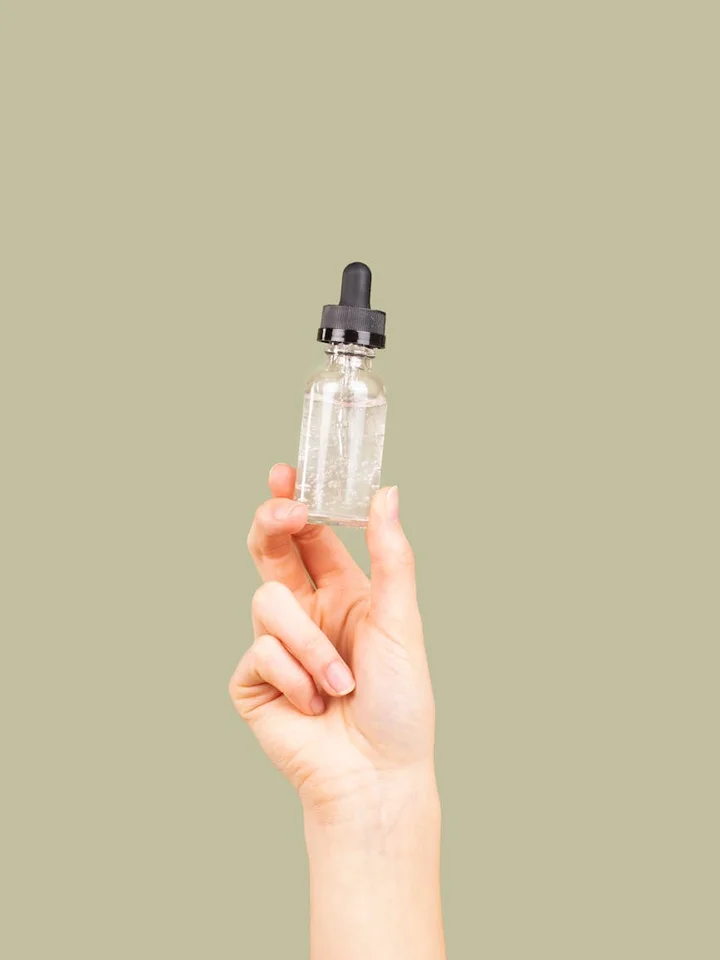
If you have eczema or dermatitis, you don’t just slap on an acid. You court it, slowly and with respect. Think of your skin barrier as a wall with some cracks; acids can help smooth the stones, but we must be careful not to knock the whole wall down. Here is your safety-first plan.
The only way to know if an acid will work for you is to introduce it with a strategy built for sensitivity.
- Patch Test. Never skip this. It tells you how your skin will react on a small, safe area before you commit your face.
- Start on Calm Skin. Only apply an acid when your skin is in a quiet, non-flaring state. Never apply it to active, weeping, or intensely itchy eczema patches.
- Apply After Moisturizer (The “Sandwich” Method). This is your best technique. Apply your gentle moisturizer first, let it absorb for a minute, then apply a tiny amount of acid, and you can follow with another light layer of moisturizer. The moisturizer acts as a buffer, slowing the acid’s delivery.
- Begin with Once-a-Week Frequency. Start by using the acid just one evening per week. Watch for any signs of increased dryness or irritation over the next 48 hours before even considering a second use.
If you have combination skin with eczema only on your cheeks, for instance, it may be safe to apply a gentle acid only to your non-inflamed T-zone. Always avoid the affected areas.
The Patch Test: Your First Line of Defense
A patch test isn’t just dabbing a product on your hand. You need to test on skin that is sensitive but hidden. I advise clients like Noah to do this.
- Where: Apply a small dab (a pea-sized amount is too much) behind your ear or on the inner crease of your elbow.
- How Long: Leave it undisturbed for a full 48 hours. Do not wash the area.
- What “Stop” Means: If you see redness, a rash, bumps, itching, or stinging in that exact spot, your skin is saying no. That formula is not for you. A mild tingling that fades in a minute can be normal for some acids, but sustained discomfort is a red flag.
Building a Routine: Slow and Steady Wins the Race
Let’s picture a safe evening for someone with dermatitis-prone skin to try a mild acid, such as glycolic acid for sensitive skin. This is the “slow and steady” approach in action.
- Step 1 (Cleanse): Use a lukewarm water rinse or a supremely gentle, fragrance-free cleanser. Pat skin dry gently-do not rub.
- Step 2 (Moisturize Buffer): Apply your trusted, reparative moisturizer. Look for one with ceramides, like a ceramide cream, to reinforce your skin’s barrier. Let it settle for 60 seconds.
- Step 3 (Acid Application): Take one small drop of your chosen, low-concentration acid serum. Gently smooth it over your skin, avoiding any areas that feel remotely irritated.
- Step 4 (Seal): You may choose to apply another light layer of your moisturizer on top to seal everything in calmly. Then, go to bed. No other active ingredients tonight.
Finding the Sweet Spot: Acid Concentration for Sensitive Skin
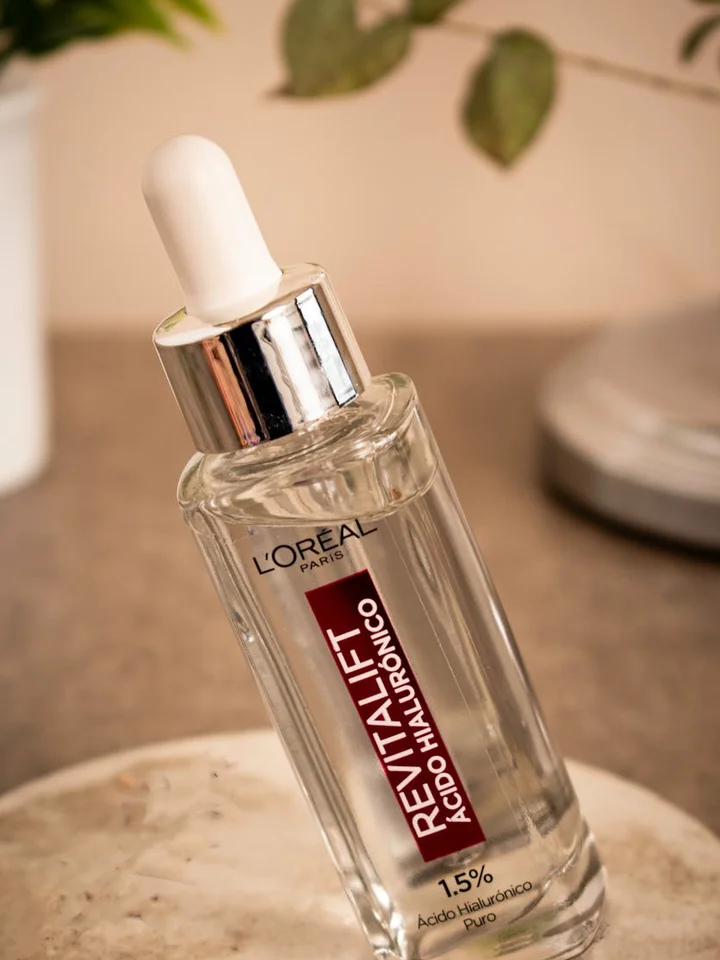
For skin prone to eczema, the concentration of acid is not a “more is better” game. It’s about finding the minimum effective dose. Starting too high is a surefire way to trigger a flare.
Start with concentrations at the very low end of the spectrum, where the goal is gentle encouragement, not forceful exfoliation.
For AHAs like lactic or mandelic acid, look for formulas under 5%. For azelaic acid, which is often well-tolerated, a 10% formulation can be a good starting point. Think of concentration like weather: a 2% lactic acid serum is a light, nurturing rain shower for thirsty skin. A 10% AHA formula is a torrential downpour-great for resilient terrain, but it will flood and damage a barrier that’s already compromised.
Remember, the percentage on the bottle isn’t the whole story. The formula’s pH and what else is in the bottle are critical. A low-concentration acid in a formula packed with soothing ingredients like oat extract, allantoin, or panthenol is often a safer bet than a plain, high-strength acid. Your skin needs the acid’s action, but it also needs comfort and support from the very same bottle.
When to Pause: Contraindications and Gentler Alternatives
Even with the gentlest acid and the most careful approach, there are times when using any exfoliant is a clear “no.” It’s like trying to sand a piece of wood that’s already splintered and wet. You’ll just cause more damage. Here are the specific situations where acids should be paused entirely.
- Active, Weeping Eczema or Dermatitis: If the skin is visibly inflamed, oozing, or has a rash, your barrier is not just compromised, it’s missing in action. Applying an acid, even a mild one, can introduce stinging, increase inflammation, and delay healing.
- Broken or Open Skin: This includes any cuts, cracks, or areas you’ve scratched raw. Acids will penetrate much deeper into these openings, causing significant pain and potential damage to the deeper layers of skin.
- Recent Retinoid Use: If you’ve recently started using a prescription retinoid like tretinoin or even an over-the-counter retinol, your skin is already in a state of increased turnover and potential sensitivity. Combining this with an acid is a common recipe for a damaged moisture barrier, leading to redness, peeling, and extreme sensitivity.
- Immediate Post-Procedure Skin: After any professional treatment like a laser, chemical peel, microneedling, or even aggressive dermaplaning, your clinician’s aftercare instructions are law. Introducing your own acids can disrupt healing and cause hyperpigmentation or scarring.
Think of your skin as a communicative friend, not a silent canvas. It sends clear signals. Here is a simple checklist. If you experience any of these after introducing an acid, stop using it immediately and return to a bare-bones, soothing routine.
- A stinging or burning sensation that lasts more than a minute or two after application.
- Increased itching in the area where the product was applied.
- A new, tight feeling of dryness or the emergence of unusual flaky patches.
- Persistent redness that wasn’t there before.
If acids are off the table, how do you manage dullness or texture? You have gentler options. Enzyme cleansers, which use fruit enzymes like papain (from papaya) or bromelain (from pineapple), work by digesting the “glue” that holds dead skin cells together. They offer a surface-level polish without the chemical penetration of an acid. For a treatment step, consider bakuchiol, a plant-derived alternative to retinol. It supports skin renewal and addresses fine lines without the same level of irritation, making it a friendlier choice for reactive skin types like Noah’s.
The most sophisticated tool in your skincare kit isn’t a serum, it’s your ability to listen to what your skin is telling you each day.
Signs Your Skin Is Saying “Not Now”
Your skin communicates through sensation and appearance. Learning this language is your first line of defense. These are the physical symptoms that mean you should halt any active treatment, not just acids.
- Persistent Redness: A flush of pink that lingers for hours after application, or redness that appears in new, patchy areas.
- Burning or Stinging Sensation: A brief, mild tingle can be normal with some actives. A pronounced burn is a distress signal.
- New Patches of Dryness or Scaling: Sudden, unexplained flakiness, especially if it feels rough or tight, indicates barrier disruption.
- Increased Itching: A hallmark sign of irritation or a flare-up for those with eczema-prone skin.
- Warmth to the Touch: The skin feels unusually hot, a sign of underlying inflammation.
Gentler Paths: Derivatives and Alternatives
When your skin is feeling fragile but you still want the benefits of exfoliation or renewal, these alternatives can be excellent allies. They work differently, often with a larger molecular size that keeps them on the surface where they’re less likely to provoke a reaction.
Consider PHAs, like gluconolactone. They are cousins to AHAs like glycolic acid, but with a larger molecular structure. This means they humbly work on the very surface of the skin, providing light exfoliation and a boost of hydration without the same penetrating, potentially irritating effect as glycolic acid. They are a stellar “introductory” acid or a reliable option for consistently sensitive skin.
Enzyme exfoliants are another superb choice. Unlike chemical acids that dissolve bonds between cells, these biological catalysts gently “digest” dead skin cells. The result is a polished feel without the chemical reaction in your skin. They’re particularly good for someone like Lina, who might want to smooth her T-zone without risking sensitivity on her cheeks.
During fragile periods, your primary focus should shift from active treatment to active repair. This means building your routine around barrier-supporting ingredients. Think of ceramides, cholesterol, and fatty acids as the mortar, bricks, and insulation for your skin’s protective wall. Using a moisturizer rich in these components helps fortify your skin from the outside in, making it more resilient and better able to tolerate other ingredients in the future. For Noah, a simple routine centered on a ceramide cream might be all he needs for weeks to calm reactivity and restore comfort.
Your Quick Questions on Acids and Eczema, Answered
Can I use an acid if my eczema is currently flaring?
No, you should pause all acids during an active flare. Your skin’s barrier is too compromised, and acids can increase stinging and inflammation.
How do I choose between lactic, azelaic, or mandelic acid?
Select based on your primary need: lactic for dryness and flaking, azelaic for redness and bumps, and mandelic for the gentlest surface-level introduction.
What’s the biggest mistake people make when starting acids?
Starting too often or too strong. The safest path is to begin with a low-concentration formula just once a week, always using a moisturizer as a buffer.
Your Skin’s Balance with Acids
Incorporating acids when you have dermatitis or eczema is less about a hard “no” and more about a gentle “how.” Your skin’s comfort is the ultimate guide, and with careful product selection and a slow pace, you can explore the benefits of exfoliation without sparking a flare. If you’re curious about how acids fit into care, learning about best acid treatments for skin conditions can guide you to safe, effective options. I’ve helped clients like Noah find this balance by treating their skin not as a problem to solve, but as a sensitive ally to understand.
- Conduct a patch test with any new acid on your inner arm for 24-48 hours before it touches your face or body.
- Select hydrating acids like lactic or phytic acid in low concentrations (under 10%) for a kinder approach.
- Apply acids only to calm, non-inflamed skin, and avoid them completely during an active eczema outbreak.
- Always follow an acid with a generous layer of a barrier-repair moisturizer to soothe and protect.
- Limit use to once weekly at first, and only increase frequency if your skin responds without redness or itching.
If you’re unsure about a product or step, bring your questions to the LuciDerma blog. Sharing your story helps me craft guidance that works for real skin, and I’m committed to providing clear, ethical advice you can trust. Your journey to calm, healthy skin is a partnership, and I’m here for every step.
Expert Resources and Citations
- The Importance of Acidification in Atopic Eczema: An Underexplored Avenue for Treatment – PMC
- Your Guide to Hypochlorous Acid for Eczema Treatment
- Application of Topical Acids Improves Atopic Dermatitis in Murine Model by Enhancement of Skin Barrier Functions Regardless of the Origin of Acids – PMC
- Debunking Myths: Hypochlorous Acid Safety for Eczema Sufferers – BLDG Active
- Importance of Stratum Corneum Acidification to Restore Skin Barrier Function in Eczematous Diseases – PubMed
- Products To Avoid If You Have Eczema: Balcones Dermatology & Aesthetics: Dermatologists
- Skincare Ingredients to Avoid for Eczema | La Roche Posay
Lucy is an expert author and blogger when it comes to skin care and body care. She has first hand expertise acting as skin care consultant for over 5+ years helping her clients achieve smooth blemish free skin with natural and working remedies. She also has been an avid experimenter and tried out all the natural and artificial remedies and treatments so you can learn from her first hand experience. Additionally, she has traveled to many countries around the world and incorporated the skin care routines she has learnt into this blog. So, wait no more, reach out to Lucy if you have any specific needs and follow her blog, LuciDerma for expert skin care advice.