
Salicylic Acid or Benzoyl Peroxide? How to Pick Your Acne Ally
Staring at two powerful acne fighters and unsure where to start? You’re in good company-I guide clients through this exact decision every week in my treatment room.
By the end of this guide, you will be equipped to:
- You will know exactly how salicylic acid clears out pores and how benzoyl peroxide targets bacteria, ending the guesswork.
- You will feel empowered to choose the ingredient that fits your specific breakouts and skin type, whether you’re more like my cautious client Noah or my pragmatic client Maya.
- You will have a straightforward, safe plan to use either ingredient in your routine without wrecking your skin barrier.
Together, we’ll turn this confusion into clear, actionable steps for your skin.
A Quick-Reference Guide: The Molecule Spec Sheet
Before we get into the details, here is your at-a-glance cheat sheet. Think of this as the basic specs for each ingredient, so you know what you’re working with.
| Feature | Salicylic Acid (BHA) | Benzoyl Peroxide (BPO) |
| pH Preference | Works best in a low pH formula (acidic, around 3-4). | Effective across a wider pH range. |
| Common Concentrations | 0.5% to 2% in leave-on products. Up to 30% in professional peels. | 2.5%, 5%, and 10% in over-the-counter treatments. |
| Solubility | Oil-soluble. This is its superpower. | Water-soluble. |
| Key Safety Notes | Can cause dryness or irritation if overused. Start slowly, 2-3 times a week. Avoid with other strong exfoliants unless your skin is trained. | Is a potent bleach. Can whiten hair, towels, and pillowcases. Often causes dryness, peeling, and redness initially. A 2.5% formula can be as effective as 10% with less irritation. |
First, Identify Your Acne: What Are You Actually Treating?
Picking the right tool starts with knowing what you’re fixing. Acne isn’t one thing. It’s helpful to split it into two main categories.
Comedonal Acne: These are your blackheads and whiteheads. Picture a clogged drain. They form when a mix of oil (sebum) and dead skin cells plugs up a pore. The pore is stretched, but there’s little to no redness or swelling. Your main complaint here is texture, grits, and bumps. Topical adapalene can help with blackheads and clogged pores. It works by normalizing skin cell turnover, helping keep pores clear.
Inflammatory Acne: This includes red papules (small, tender bumps), pustules (bumps with a visible white or yellow center), and deeper, painful cysts. This is where bacteria (*C. acnes*) joins the party, causing inflammation. Think of this as a small fire under your skin. Your main issue here is redness, swelling, and tenderness.
So, ask yourself: is your main issue grits and bumps, or is it redness and swelling? Your answer points you to the right ingredient.
Salicylic Acid: The Pore Cleaner
Salicylic acid is a beta-hydroxy acid, or BHA. That “oil-soluble” note in the table is the key to everything. Because it dissolves in oil, it can dive deep into your oily pores, much like a dedicated cleaner getting into a greasy pipe. This makes salicylic acid in cosmetics especially effective for acne-prone skin.
Once inside, it works to dissolve the sticky mixture of sebum and dead skin cells that creates clogs. It’s a chemical exfoliant that helps shed cells from the inside of the pore lining, keeping the passage clear.
This is your go-to for preventing clogs, smoothing texture, and tackling blackheads and whiteheads.
It’s excellent for maintenance. My client Maya, who has oily, congestion-prone skin, uses a salicylic acid cleanser a few times a week and a 2% serum as a weekly mask on her T-zone. This routine helps dissolve those plugs before they ever have a chance to become inflamed, red pimples.
Benzoyl Peroxide: The Bacteria Buster
Benzoyl peroxide works completely differently. It’s an oxidizing agent. When you apply it, it breaks down in the pore and releases oxygen.
The acne-causing bacteria *C. acnes* thrives in the low-oxygen environment of a clogged pore. Benzoyl peroxide floods that zone with oxygen, essentially suffocating the bacteria. This makes it a powerful anti-inflammatory.
I think of it as a fire extinguisher for your face. It’s there to put out the active flare-up.
This is your first responder for red, tender pimples and pustules that signal a bacterial party.
It also has a secondary, slower exfoliating effect that helps clear dead cells, but its primary job is to kill bacteria and calm inflammation. Because it can be harsh, I often advise clients to start with a 2.5% lotion, applying it as a short-contact treatment (washing it off after 5-10 minutes) to minimize dryness and redness while still getting the benefit.
How to Build Your Routine: A Step-by-Step Plan
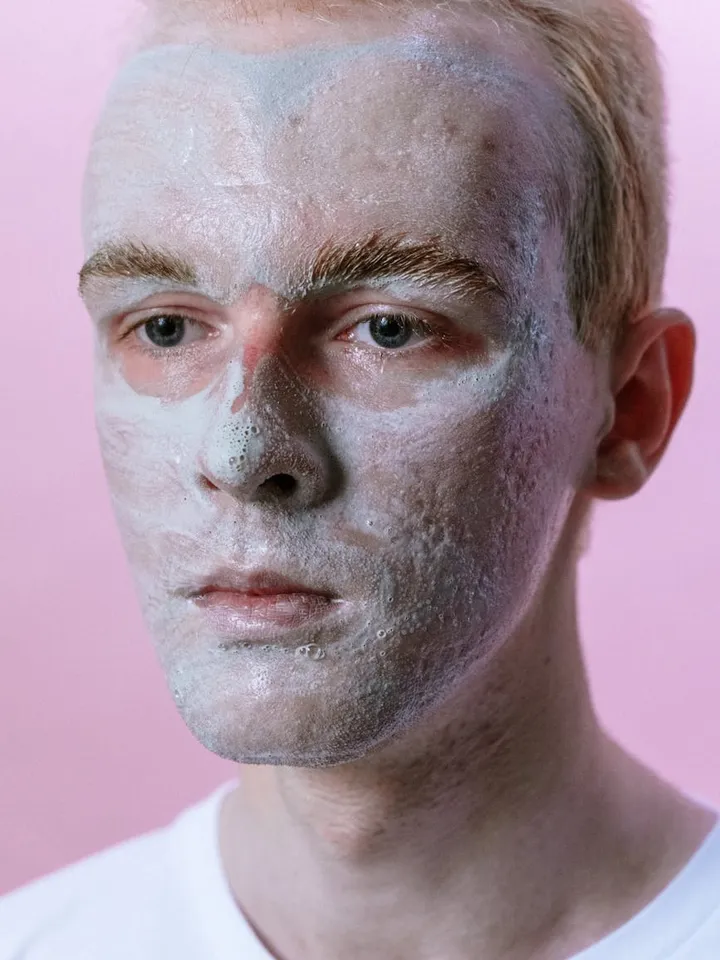
Choosing the right ingredient is only half the battle. How and when you use it makes all the difference. Think of your routine as building a strategy, not just applying products.
If Your Goal is Prevention and Unclogging (The Salicylic Acid Path)
You want to stop clogs before they turn into angry, visible pimples. Salicylic acid is your inside agent, working within the pore.
Start slow to see how your skin responds. A common mistake is using a strong treatment every day right away.
- Step 1: Introduce a cleanser or toner. Use a product with 0.5% to 2% salicylic acid just 2 or 3 evenings a week. Wash it off after 30-60 seconds. This short contact is often enough for prevention without dryness.
- Step 2: Target persistent areas. If you have a zone that always gets clogged (like the chin or forehead), a leave-on serum or treatment pad can help. Apply a thin layer only to that area after cleansing, before moisturizer.
- Step 3: Lock in hydration immediately. Salicylic acid can be drying as it works. Always follow it with a light, non-comedogenic moisturizer. Look for gels or fluid lotions with hyaluronic acid or squalane. This step keeps your skin barrier happy and prevents flakiness.
Salicylic acid comes in many forms. A foaming cleanser is great for oily skin. A liquid toner or pre-soaked pad offers more direct application. A lightweight gel serum is perfect for spot-treating or applying to your T-zone. However, it’s essential to be cautious when using these products, especially if you have sensitive skin, as they can sometimes cause skin reactions or sensitivities.
My client Maya, who has oily, acne-prone skin, found her sweet spot with a salicylic acid cleanser three nights a week, followed by a simple gel moisturizer. It kept her pores clear without stripping her skin.
If Your Goal is Calming Active Breakouts (The Benzoyl Peroxide Path)
You have a red, inflamed blemish that needs to be calmed down now. Benzoyl peroxide targets the bacteria that fuel that inflammation.
The biggest concern with BP is irritation, so your strategy should minimize contact while maximizing effect.
- Step 1: Try a short-contact cleanser. This is my favorite method for new users. Lather a 2.5% or 4% BP cleanser on damp skin, leave it on for 2-5 minutes, then rinse thoroughly. You get the antibacterial benefit with significantly less risk of dryness or redness.
- Step 2: Apply treatment with precision. If using a leave-on cream or gel, apply the tiniest dab only to the active pimple and the immediate red area around it. A pea-sized amount is often enough for your entire face. More is not better.
- Step 3: Respect the concentration. Start with 2.5%. Studies show it’s just as effective at reducing acne-causing bacteria as 10%, but far gentler. You can always move up later if needed.
Benzoyl peroxide is a known bleaching agent. Use white towels and pillowcases, and be careful around colored fabrics, hair, and eyebrows. Let the product dry completely before getting dressed.
The Interaction Matrix: What to Mix and What to Avoid
Can you use salicylic acid and benzoyl peroxide together? Technically, yes, but I rarely recommend it. It’s an advanced move that often leads to an angry, compromised skin barrier. Using one effectively is usually all you need.
Think of your other products as support staff. Your goal is to build a team that works in harmony, not one that fights for attention.
Do Pair With These Soothing Teammates
- Niacinamide: This superstar helps regulate oil, soothe redness, and strengthen your skin’s barrier. It’s the perfect calming partner for either SA or BP.
- Centella Asiatica (Cica) and Madecassoside: These are brilliant anti-inflammatory ingredients. They help calm the irritation that active treatments can sometimes cause.
- Gentle Hydrators: Hyaluronic acid, glycerin, and squalane. They deliver water to the skin without clogging pores, counteracting the drying potential of your acne treatment.
Avoid Pairing With These at the Same Time
- Other Potent Exfoliants (AHA like Glycolic Acid, Retinoids): Do not apply these in the same routine as your SA or BP. Using multiple exfoliating ingredients at once is a fast track to a damaged moisture barrier, leading to stinging, peeling, and worsened sensitivity. If you use a retinoid at night, use your SA or BP in the morning, or skip them on retinoid nights. My client Noah learned this the hard way, layering a retinoid over BP and ending up with raw, reactive skin for a week.
- Vitamin C (specifically with Benzoyl Peroxide): Benzoyl peroxide can oxidize and deactivate some forms of L-ascorbic acid Vitamin C, making both ingredients less effective. If you use both, apply Vitamin C in the morning and BP at night.
Always patch test a new combination on a small area of your jawline for a few nights before applying it to your entire face. Your skin’s comfort is the ultimate guide.
Safety First: Managing Side Effects and Seeing Results
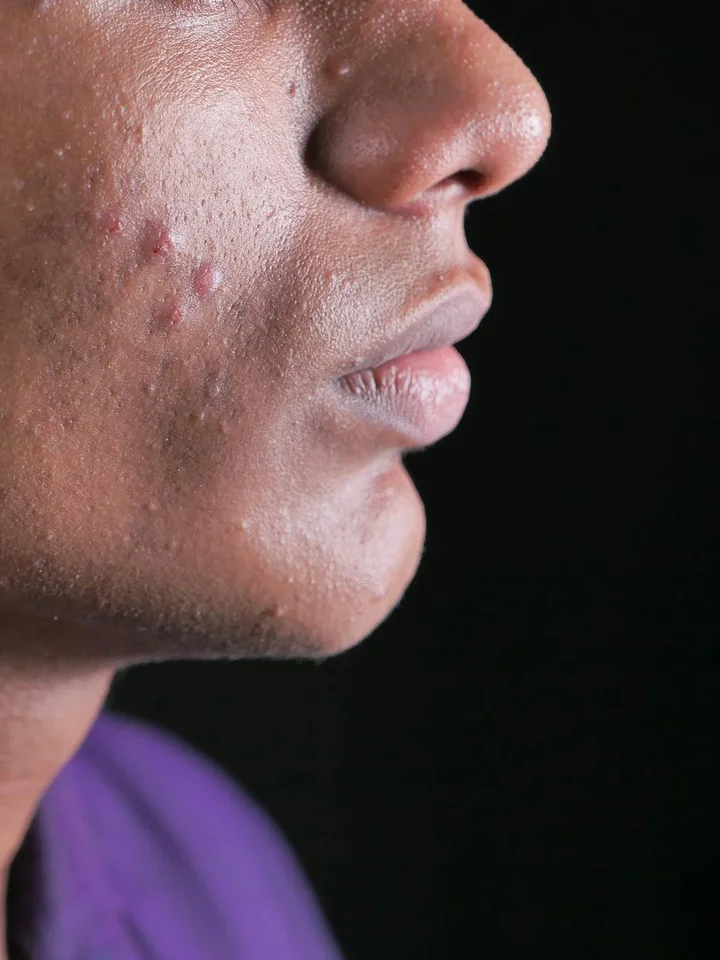
Think of these ingredients as powerful allies, and like any good partnership, setting clear boundaries prevents misunderstandings with your skin. The goal is calm effectiveness, not a red, peeling battle.
What to Expect (And When to Pause)
Both ingredients can cause dryness as they work. Here’s how their side effects typically differ.
- Salicylic Acid may cause mild dryness, flaking, or redness as it exfoliates. Some people experience an initial “purging” period where deep-seated clogs surface as small pimples within the first few weeks. This is usually temporary.
- Benzoyl Peroxide is more likely to cause significant dryness, stinging, and irritation, especially at higher strengths. It can bleach fabrics like towels and pillowcases. A reaction here often feels more like pronounced redness or burning, not just mild flaking.
Remember my client Noah, with his dry, reactive skin? He tried a high-strength BP wash and it made his cheeks feel tight and look flushed for days. We switched to a much lower concentration and had him use it only on his breakout-prone jawline, which made all the difference.
Your Game Plan for a Smooth Start
A cautious approach builds your skin’s tolerance and your confidence. Follow these steps every time you introduce a new active.
- Patch Test. Apply a small amount behind your ear or on your inner forearm for 3-5 days to check for a severe reaction.
- Start Slowly. Begin using the product 2-3 times a week, not twice a day. Your skin needs time to adapt.
- Buffer if Needed. If you’re sensitive, apply your moisturizer first, wait for it to absorb, then apply the treatment. This creates a gentle buffer.
- Never Skip Sunscreen. Both ingredients can make your skin more sensitive to the sun. Sun protection every morning is non-negotiable.
Realistic Timelines: Patience is a Skin Virtue
Skin cell turnover takes about 28 days, so real change doesn’t happen overnight. Manage your expectations with these general timelines.
With consistent use, Salicylic Acid can improve skin texture and reduce blackheads within 1 to 2 weeks. For preventing new pimples, give it a full month to assess.
Benzoyl Peroxide can reduce the redness and size of an inflamed pimple in as little as 3 to 5 days. For clearing a pattern of breakouts and seeing lasting results, commit to 4 to 8 weeks of use.
If you experience persistent redness, burning, stinging, or intense itching that doesn’t fade, stop using the product. This is your skin asking for a break. If acne is severe, painful, or doesn’t respond to careful over-the-counter care, consulting a dermatologist is the best next step.
Making Your Final Choice: A Simple Decision Tree
Let’s simplify this. Choosing between Salicylic Acid and Benzoyl Peroxide isn’t about finding a “best” ingredient. It’s about matching the right tool to your specific acne profile.
Follow this logic to point yourself in the right direction.
- Choose Salicylic Acid if… your skin is oily or combination, your main concerns are blackheads and clogged pores, you’re dealing with surface-level bumps, or your primary goal is prevention and daily clarity.
- Choose Benzoyl Peroxide if… you frequently get red, inflamed, tender pimples (papules and pustules), your acne feels “angry” or infected, or you need to target the bacteria that cause breakouts quickly.
Think of Salicylic Acid as your daily pore keeper and Benzoyl Peroxide as your targeted strike force for angry breakouts.
Can You Use Both?
Yes, but carefully. Using them at the exact same time can overwhelm your skin barrier. A smarter approach is to use them in different parts of your routine or on alternating days.
For example, you might use a Salicylic Acid cleanser in the morning for overall clarity, and apply a Benzoyl Peroxide spot treatment at night only on active, inflamed pimples. My client Maya, with her oily, acne-prone skin, has great success using SA most days and keeping a BP cream on hand for the deep, painful bumps that pop up around her cycle.
The most important step is to listen to your skin’s signals after you make a choice. A little adjustment period is normal, but persistent distress is a clear message. Your journey to clearer skin is about building a thoughtful routine, not picking a winner. Start low, go slow, and let your skin guide you.
Your Acne Treatment Questions, Answered
Can I use salicylic acid and benzoyl peroxide together?
Yes, but carefully and not at the exact same time. A smart approach is to use them in separate routines, like a salicylic acid cleanser in the morning and a benzoyl peroxide spot treatment at night, to effectively target different concerns without compromising your skin barrier.
What skin type is each ingredient best suited for?
Salicylic acid is a standout for oily and combination skin types prone to blackheads and clogged pores. In a well-rounded routine, many experts explore salicylic acid glycolic acid skincare, pairing it with other gentle actives for balanced exfoliation. Benzoyl peroxide is the go-to for more resilient skin experiencing red, inflamed breakouts, though all skin types should start with a low concentration to manage its drying effects.
What are the most common product forms for each ingredient?
Salicylic acid is often formulated into daily-use vehicles like cleansers, toners, and lightweight serums for full-face or targeted application. Benzoyl peroxide is most effective and tolerable in short-contact cleansers or as a precise, leave-on spot treatment cream or gel. Developing a simple salicylic acid application routine can help you use these products effectively. Begin with a conservative frequency and adjust based on skin response.
Final Thoughts on Choosing Your Acne Fighter
The most important thing to remember is that salicylic acid and benzoyl peroxide are powerful tools for different jobs. Your choice should be guided by the specific type of acne you’re dealing with, not which ingredient is more popular. Think of it like choosing between a targeted cleaner for inside the pore and a broader antibacterial agent for the skin’s surface.
- Use salicylic acid for blackheads, whiteheads, and oily skin because it works inside the pore to dissolve congestion.
- Start with benzoyl peroxide for inflamed, red bumps and pustules to directly reduce the bacteria that cause them.
- Always introduce one new product at a time and start slowly, using it every other day to see how your skin reacts.
- You can use both ingredients in one routine, but not at the same moment; try salicylic acid in the morning and benzoyl peroxide at night.
- Never skip moisturizer, even with acne treatments, as hydrated skin is more resilient and heals better.
If you’re still feeling unsure about where to start, you’re not alone. I help clients like Maya and Noah navigate these choices every day. Send your questions my way on the LuciDerma blog. We’re here to help you build a clear, effective, and kind routine, one sustainable step at a time.
Sources and Additional Information
- Difference Between Salicylic Acid & Benzoyl Peroxide | Proactiv®
- Benzoyl Peroxide vs Salicylic Acid For Acne? | The Bar
- r/SkincareAddiction on Reddit: [Acne]Benzoyl Peroxide or Salicylic Acid for Acne???
Lucy is an expert author and blogger when it comes to skin care and body care. She has first hand expertise acting as skin care consultant for over 5+ years helping her clients achieve smooth blemish free skin with natural and working remedies. She also has been an avid experimenter and tried out all the natural and artificial remedies and treatments so you can learn from her first hand experience. Additionally, she has traveled to many countries around the world and incorporated the skin care routines she has learnt into this blog. So, wait no more, reach out to Lucy if you have any specific needs and follow her blog, LuciDerma for expert skin care advice.