
The Science Behind Your Anti-Aging Routine: Retinoids, Peptides, and Antioxidants Decoded
If the chemistry on your serum bottle feels like a foreign language, you’re not alone. I’m here to translate the science of retinoids, peptides, and antioxidants into a routine that actually works for you.
By the end of this guide, you will know exactly how to choose and use effective products. Here is what we will cover together:
- How retinoids renew your skin to reduce fine lines and why a stable formula prevents irritation.
- Why peptides act like tiny messengers to support your skin’s firmness and elasticity.
- How antioxidants shield your face from daily environmental stress and what keeps them potent in the bottle.
- The simple reasons why a product’s formulation directly controls its results on your skin.
Understanding these ingredients empowers you to make confident choices for a healthier complexion.
Meet Your Anti-Aging Power Players: A Simple Breakdown
Think of your skin as a building that needs maintenance. The best anti-aging routines use a smart crew with different specialties.
Antioxidants like Vitamin C are the defenders on the perimeter, shielding the structure from daily environmental attacks. Retinoids are the demolition and rebuild crew; they carefully take down old, damaged parts and instruct the building of new, stronger support. Peptides act as the specialized repair team, carrying precise messages to fix specific issues like weak spots or cracks.
This crew only works if their tools are in perfect condition. Their real-world effectiveness depends entirely on smart chemistry and stable formulations that keep them active until they reach your skin.
How Each Ingredient Talks to Your Skin
These ingredients don’t just sit on the surface. They communicate with your skin cells, giving them specific instructions. Here’s how that conversation works.
How Retinoids Speed Up Skin Renewal
Retinoids, like retinol, work by having a direct chat with your skin cells’ command center. They tell older cells to shed away more quickly and signal the deeper layers to ramp up production of fresh collagen. This is like speeding up a slow, sluggish conveyor belt and reinforcing the building’s frame at the same time.
The primary mechanism is binding to specific receptors in the skin to normalize cell turnover and boost collagen synthesis, which smooths fine lines and fades discoloration.
Not all retinoids are equal in stability and how deep they go. Retinol is effective but can be unstable and irritating. Retinaldehyde is one step closer to the active form your skin uses, so it can work faster and is often more stable. Granactive retinoid is a newer, encapsulated form designed to be gentler and more stable, which is great for sensitive types like my client Noah. Compared with retinol, granactive retinoid often delivers similar benefits with less irritation. It’s a useful point of comparison when weighing granactive retinoid vs retinol in a skincare routine.
How Peptides Send Repair Signals
Peptides are short chains of amino acids, the building blocks of proteins like collagen. In skincare, they function as precise messenger molecules, especially collagen peptides.
When applied, peptides deliver specific instructions to your skin, such as “make more collagen” or “calm down that inflammation.” They don’t do the work themselves; they tell your skin to do it, which is why they are considered beneficial for skin health and anti-aging.
Common types have different goals. Peptides like Matrixyl (palmitoyl pentapeptide-4) are famous for telling fibroblasts to produce more collagen and hyaluronic acid. Copper peptides are known for wound healing and signaling skin repair while also acting as antioxidants. For someone like Lina, who wants targeted support without irritation, a peptide serum can be a perfect, calming addition.
How Antioxidants Shield from Daily Damage
Oxidation is a damaging process that happens when your skin is exposed to things like UV rays and pollution. Imagine a sliced apple turning brown. That’s oxidation. Free radicals are the unstable molecules that cause this rust-like damage in your skin.
Antioxidants like Vitamin C, Vitamin E, and Ferulic Acid donate electrons to neutralize free radicals, preventing them from breaking down your skin’s collagen and elastin. They are your daily environmental shield.
Their role is twofold. First, they protect your living skin cells from damage that leads to premature aging. Second, in the bottle, they help preserve other ingredients. A Vitamin C serum, for instance, can help stabilize a formula and actually support the work of your retinoid at night. I always recommend a morning antioxidant serum; it’s the single best daily defense for every skin type, from Maya’s oily skin to Noah’s dry complexion.
The Formulator’s Challenge: Keeping Powerful Ingredients Stable
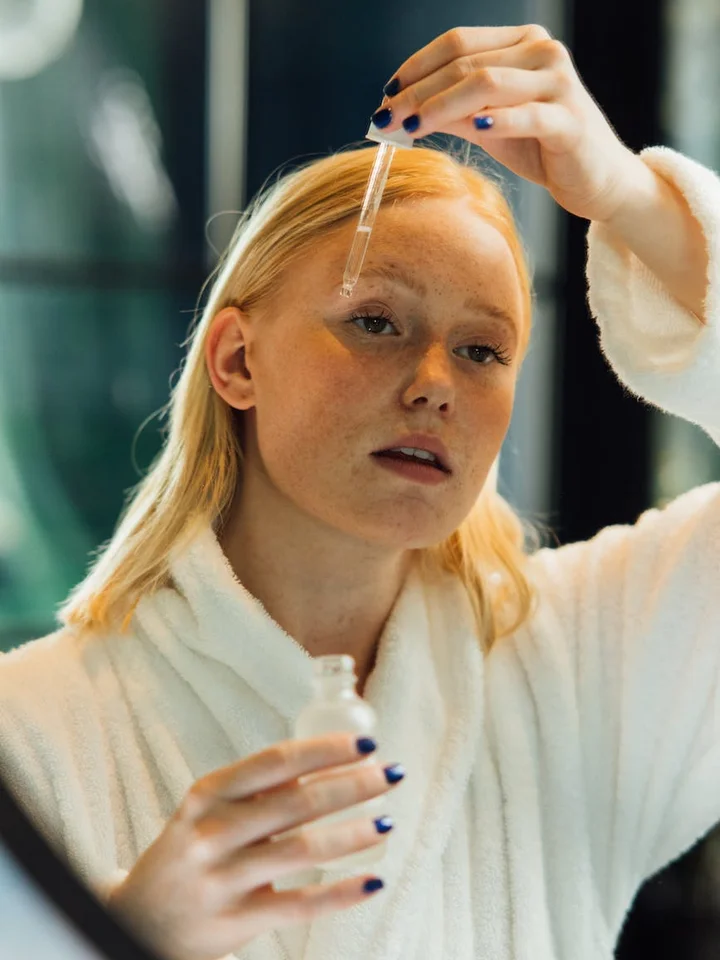
Mixing retinoids, peptides, and antioxidants into one effective, stable product is a bit like trying to get three very different plants to thrive in the same pot. They each have specific, and sometimes conflicting, needs for light, water, and soil. A formulator’s job is to create the perfect environment so all these potent ingredients stay active and effective from the moment it’s made until the last drop in your bottle. The core challenge is that each of these hero ingredients can degrade or become inactive if the product’s pH, packaging, or ingredient mix isn’t just right.
Why Retinoids and Antioxidants Can Be Fussy
Retinoids and pure antioxidants like L-ascorbic acid (Vitamin C) are famously sensitive to their surroundings. They degrade primarily through oxidation, a process sped up by exposure to air (oxygen) and light. Think of a sliced apple turning brown; that’s oxidation in action.
In your skincare, this might look like a Vitamin C serum shifting from clear to a yellowish or brownish hue, or a retinol product developing an unusual, slightly rancid smell. When these ingredients oxidize, they lose their potency, meaning you might not get the brightening or smoothing benefits you paid for. This directly impacts shelf life. That’s why you’ll often see these ingredients in dark, airtight packaging, like opaque bottles with pumps, which act like a mini-fortress against light and air.
Why Peptides Need a Gentle Environment
Peptides are chains of amino acids, the building blocks of proteins in our skin. Imagine them as tiny, delicate necklaces. Their stability is all about keeping that necklace intact. Peptides maintain their stability and activity best in a formulation with a pH close to our skin’s natural level (around 5.5) and with carefully chosen, gentle preservatives.
An extremely acidic or alkaline environment can break the bonds holding the peptide chain together. Similarly, some harsh preservative systems can damage these chains. Once broken, the peptide is rendered useless-it’s like the necklace beads scattering. For someone like my client Noah, who seeks gentle efficacy, a well-formulated peptide serum in stable, skin-friendly conditions can be a cornerstone of his barrier-support routine without any irritation.
When Ingredients Clash in the Bottle
Sometimes, the issue isn’t just the outside world, but the ingredients reacting with each other inside the formula. The most common destabilizing interaction involves pH. For instance, a highly acidic antioxidant serum (like one with pure L-ascorbic acid at a pH under 3.5) can destabilize a retinoid like retinol if they are mixed together in the same bottle. The retinol breaks down faster, reducing the product’s effectiveness before you even use it.
This is a key reason why combining certain high-strength, direct-acid vitamin C serums with retinol products in the same routine can be tricky unless they are expertly formulated together. A practical vitamin C retinol layering guide can help you navigate safe sequences and avoid irritation. In other words, understanding layering options empowers you to maximize results without compromising skin health. It doesn’t mean you can’t use both, but it explains why many effective products feature one as the main star, supported by other stable forms of these ingredients. A formulator might use a stabilized, encapsulated retinol and a different form of Vitamin C, like tetrahexyldecyl ascorbate, which plays better with others in a shared formulation.
Molecule Spec Sheet: A Quick Guide to Ingredient Needs
This table breaks down why your products are formulated the way they are. The “Effective Concentration” column offers clues, but the optimal amount always depends on the specific compound, its stability in the formula, and supporting ingredients.
| Ingredient Type | Happy pH Range | Effective Concentration Clues | Solubility (Oil/Water) | Safety & Handling Notes |
|---|---|---|---|---|
| Retinoids (e.g., Retinol) | Neutral to Slightly Acidic | 0.01% – 1% (start low!) | Oil-soluble | Sun sensitivity. Start slowly, 2-3x/week. |
| Peptides (e.g., Matrixyl) | Close to Skin’s pH (~5.5) | Often 1-5% in formulas | Water-soluble | Generally very gentle. Pair with hydration. |
| Antioxidants (e.g., L-ascorbic Acid) | Very Acidic (<3.5) | 10-20% for L-ascorbic, lower for others | Water-soluble (most) | Low-pH can tingle. Ferulic acid stabilizes Vit C. |
For example, because retinoids are oil-soluble, they’re often delivered in a cream or serum with an oily base. Because pure Vitamin C needs a very low pH to penetrate, it will always cause a slight tingling sensation-this is normal for that specific form, but it’s something I caution clients like Lina about, as her combination skin can be sensitive. Understanding these basic specs helps you choose products with packaging and ingredient lists that support the actives you’re paying for.
Smart Science: How Brands Protect These Ingredients
Think of potent actives like retinoids and vitamin C as brilliant but fragile artists. They can create beautiful changes in your skin, but they need a quiet, dark studio to work in. Formulation science is all about building that studio. Clever packaging and ingredient tricks are what stop these powerful compounds from breaking down before they ever touch your skin.
Encapsulation: The Protective Bubble
Encapsulation is my favorite trick in the book. Imagine wrapping a single grain of retinol or vitamin C in a tiny, invisible bubble made of lipids or polymers. This bubble acts like a protective shuttle. It keeps the ingredient safe from light and air inside the bottle. Only when you apply it and the bubble meets your skin’s warmth and moisture does it gently open and release the active right where it’s needed.
This is a game-changer for stability. For a client like Noah with reactive skin, encapsulated retinol can mean less initial irritation because the release is controlled, not all at once. It answers a key question: encapsulation is a primary strategy brands use to stabilize sensitive ingredients during storage and upon application.
Airless Pumps and Opaque Bottles
Light and oxygen are the arch-enemies of antioxidants and retinoids. Exposure to them, a process called oxidation, literally breaks these molecules apart, rendering them useless. This is why packaging is non-negotiable.
An airless pump uses a vacuum system so the product is pushed out without letting any air back in. An opaque or darkly tinted bottle blocks damaging light. For any serum containing vitamin C, retinol, or peptides, choose an airless pump over a jar or a dropper bottle every single time. Jars introduce air and bacteria with every use, while clear dropper bottles let in light. Storing them in a cool, dark drawer helps too, answering exactly how environmental factors sabotage stability.
The pH Balancing Act
Here’s a chemistry puzzle: vitamin C (L-ascorbic acid) works best at a very low, acidic pH around 3.5. Many peptides, however, prefer a pH closer to neutral. Mix them in one bottle, and one ingredient won’t be able to do its job properly. A copper peptide–vitamin C combination is often discussed as a way to balance these opposing needs in a single formula.
Brands formulate around this in two ways. First, they might create separate products, like a morning vitamin C serum and an evening peptide cream. Second, they use derivative forms of ingredients that are stable at a wider pH range. You generally can’t have a truly effective all-in-one cocktail with every ingredient at its ideal potency. This is why thoughtful layering of separate products often yields better results.
How to Know If Your Products Work (And Are Still Good)
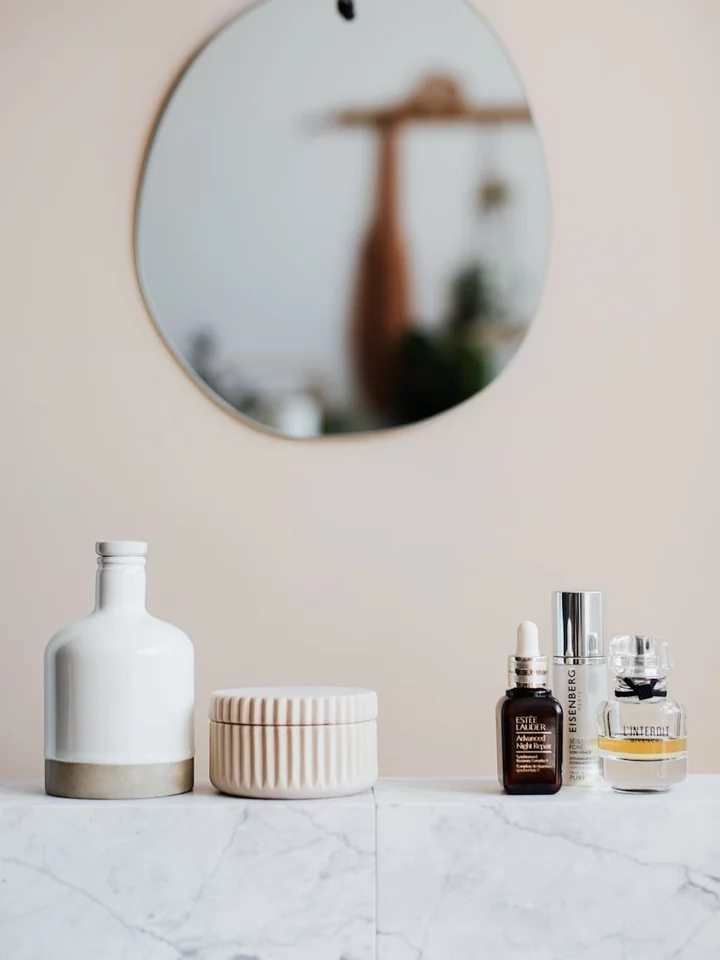
You don’t need a lab coat to be a smart skincare detective. A few simple observations at home can tell you if your product is still potent and if your routine is on the right track.
Shelf Life & Oxidation Signs: When to Toss It
Your senses are your best tools. Oxidation has clear visual and olfactory cues. A fresh vitamin C serum is usually clear or a very light straw color. If it turns a deep yellow, orange, or brown, it’s oxidized and won’t benefit your skin. Similarly, some retinoid formulas may turn a deeper yellow.
Also trust your nose and fingers. Any sudden change in texture (becoming grainy, overly thick, or separating) or a new, off-putting smell means it’s time to let it go. As a general rule, potent antioxidant serums have a prime usage window of about 3 to 6 months after opening. Write the open date on the bottle with a marker. If you see these signs before that, toss it. Using degraded products is at best a waste of money and at worst irritating to your skin.
Reading Labels for Stability Clues
Before you even buy a product, you can look for formulation intelligence on the ingredient list (INCI). Seek out more stable, fortified versions of key actives.
- For Vitamin C: Look for “tetrahexyldecyl ascorbate,” “ascorbyl glucoside,” or “magnesium ascorbyl phosphate.” These are derivatives that are often more stable than pure L-ascorbic acid.
- For Retinoids: “Retinyl palmitate” or “hydroxypinacolone retinoate” (granactive retinoid) can be gentler and more stable. The phrase “encapsulated retinol” is a gold star for stability.
- For Packaging: Labels or descriptions that specifically mention “airless packaging,” “UV-protective bottle,” or “light-resistant container” show the brand is serious about preservation.
Patience and the “Proof Is in the Pudding” Test
Skin renewal takes time. For ingredients like retinoids that boost collagen, or peptides that support skin repair, you need to commit to at least 8 to 12 weeks of consistent use before expecting visible changes like improved firmness or smoother fine lines.
So how do brands prove their formulas work before they hit the shelves? They use clinical tests. This can include tools that measure a precise increase in skin hydration over weeks, or biopsy studies that show a quantifiable boost in collagen production in a panel of volunteers. When you see claims like “clinically proven to reduce wrinkles,” it refers to this kind of controlled, measured testing, not just anecdotal stories. Your personal proof will be your own skin feeling more resilient, looking brighter, and showing fewer fine lines over consistent use.
Building Your Gentle, Effective Anti-Aging Routine
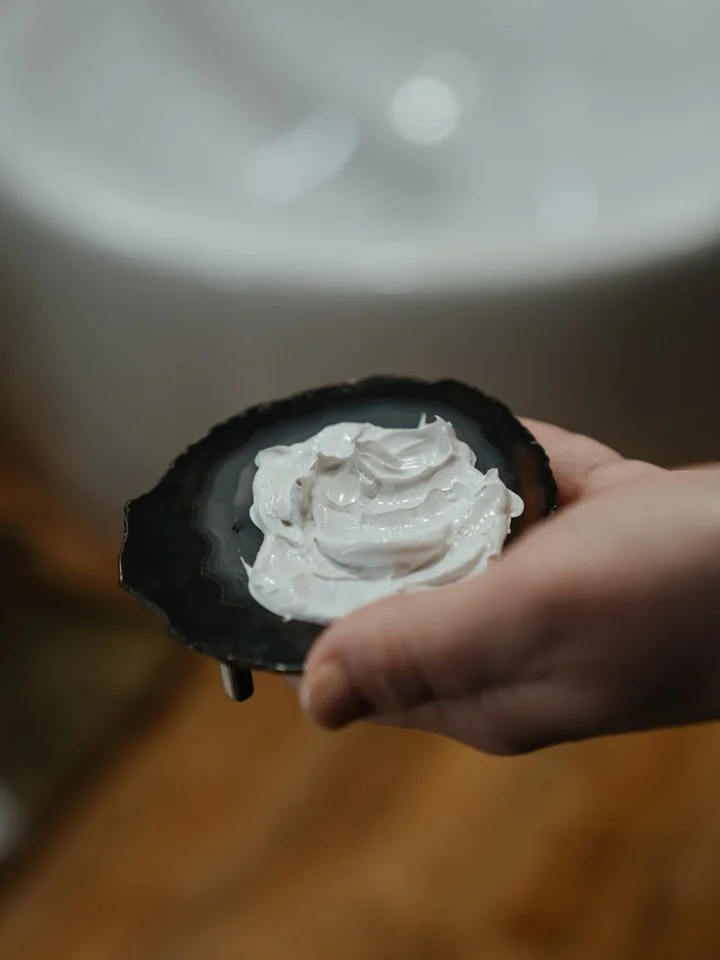
Knowing the science is one thing. Applying it to your skin every day is another. The goal is to build a routine that supports your skin barrier while delivering those potent ingredients where they need to go.
Think of your barrier like the roof of a house. If it’s full of holes, pouring expensive furniture (your actives) inside is a waste. We fix the roof first.
When to Use What: A.M. vs. P.M.
Your skin has different needs day and night. A simple schedule prevents conflicts and maximizes benefits.
Your morning job is defense. Apply antioxidants like vitamin C serum after cleansing and before your moisturizer and sunscreen. This combination creates a shield against daily environmental damage, making your sunscreen even more effective.
Nighttime is for repair and renewal. This is when your skin’s natural cell turnover is highest. Reserve your retinoid and peptide treatments for the evening.
If you have sensitive or reactive skin like my client Noah, start with a peptide serum alone for a few weeks. Peptides are generally gentle and help reinforce your skin’s foundation. Once your skin feels calm and resilient, you can slowly introduce a retinoid.
Layering Without Layering on Irritation
More is not always better. Using too many potent actives at once is a fast track to redness and a compromised barrier.
Here is a sample, gentle evening routine for someone new to retinoids:
- Cleanse with a mild, non-stripping formula.
- Apply a hydrating peptide serum. Let it absorb.
- Apply your moisturizer to slightly damp skin.
- Wait about 15 minutes for your skin to dry completely. This is key.
- Apply a pea-sized amount of retinoid cream or serum.
This is called the “sandwich method.” The moisturizer before and after the retinoid buffers its intensity, reducing the chance of irritation while still letting it work. Some readers even search for “moisturizer before after tretinoin” to see how this method plays out in practice. This approach helps you maintain a calm, hydrated base as your skin builds tolerance. After a few weeks, as your skin tolerates it, you can apply the retinoid directly after your peptide serum, followed by moisturizer.
Stick to one “star” active per routine. If you’re using a retinoid tonight, skip other potent treatments like strong exfoliating acids. Your peptide serum is a perfect partner because it’s supportive, not aggressive.
How to Store Your Anti-Aging Arsenal
Even the best formula can break down if stored poorly. Light, heat, and air are the enemies of stability.
That sunny bathroom shelf next to a hot shower is the worst place for your vitamin C or retinoids. The consistent heat and humidity degrade the active ingredients long before the expiration date.
Store your products in a cool, dark drawer or a cabinet away from direct sunlight and heat sources. A bedroom dresser drawer is often ideal. If a product uses dark amber glass, airless pump, or opaque packaging (like LDPE or MIR containers), the brand is helping you out. Honor that by giving it a good home.
Always screw lids on tightly to limit air exposure. Proper storage ensures every drop you apply is as effective as the day it was made.
Your Top Questions on Skincare Chemistry, Answered
How do companies prove their anti-aging formulas actually work?
Efficacy is validated through controlled clinical studies that measure specific changes, like increased collagen density or reduced wrinkle depth, using tools like biometric imaging and corneometer readings. This objective data is what separates proven results from mere anecdotal claims.
Is one type of retinoid more stable or effective than another?
Yes, stability and penetration differ. Retinol can be less stable and requires conversion in the skin, while retinaldehyde is one step closer to the active form and can be more stable. In skincare, understanding the retinol vs retinaldehyde difference helps choose products that fit your routine. This difference can influence how quickly you see results and how irritation is managed. Retinoic acid esters like retinyl palmitate are the most shelf-stable but are gentler and slower-acting.
What’s the most common mistake that destabilizes these ingredients in a formula?
Ignoring incompatible pH requirements is a primary culprit. For example, formulating a potent, low-pH L-ascorbic acid serum with a neutral-pH-stable retinoid in the same bottle can rapidly degrade the retinoid, rendering both ingredients less effective before the product is even used.
Putting Skincare Science into Practice
The most powerful anti-aging routine is the one you use consistently with products that work together, not against each other. Think of your skincare as a team where retinoids, peptides, and antioxidants each play a specific, supportive role in keeping your skin healthy.
- Layer products from thinnest to thickest texture to let each ingredient absorb properly.
- Sunscreen is the non-negotiable final step every single morning to protect your investment and prevent new damage.
- Introduce active ingredients like retinoids slowly, and always pair them with a reliable moisturizer to support your skin barrier.
- Give any new product or routine at least one full skin cycle (about 28 days) before expecting to see significant changes.
- When in doubt, simplify. A gentle cleanser, a well-formulated treatment serum, moisturizer, and sunscreen are an excellent foundation.
I love talking about the chemistry behind the creams and serums we use every day. If you have questions about your routine or a specific product, keep following our blog here at LuciDerma. My goal is to help you feel informed and confident, so you can make the best choices for your unique skin.
Citations and Authoritative Sources
- Use of Retinoids in Topical Antiaging Treatments: A Focused Review of Clinical Evidence for Conventional and Nanoformulations – PMC
- The big 4 anti-aging topicals: vitamin C serum, retinol, growth factors and peptides | Nebraska Medicine Omaha, NE
- Effects of Retinol, Natural Pea Peptide and Antioxidant Blend in a Topical Formulation: In Vitro and Clinical Evidence – PMC
- Retinoids vs Peptides… Or Retinoids and Peptides? – Medik8
- Combining Retinoids and Peptides for Effective Anti-Aging Solutions – iuno
- Your Guide to Anti-Aging: Retinol vs. Peptides
- Can You Use Peptides and Retinol at The Same Time? – OneSkin
- How to Use Retinol and Peptides Together
- Retinol vs. Peptides. Which is better for wrinkles? | Cosmetologists NZ
- r/SkincareAddiction on Reddit: [Anti-Aging] Are peptide products worth it??