
Arbutin for Brighter Skin: How It Works and What to Expect
If you’re searching for a gentler approach to fading dark spots, you’ve likely come across arbutin and wondered how it really works.
By the end of this guide, you will be able to:
- Explain exactly how arbutin blocks pigment production without harsh irritation.
- Identify realistic results and a sensible timeline for seeing changes.
- Confidently choose and layer arbutin products within a safe, effective routine.
Knowing the science behind your serum is the first step toward healthier, more even-toned skin.
What Exactly Is Arbutin? A Molecule Spec Sheet
Think of arbutin as a gentle, plant-derived molecule on a mission to fade dark spots. It’s a natural compound found in bearberry, cranberry, and blueberry leaves, where it acts as a protective agent for the plant. In skincare, we harness this property to calmly and effectively target hyperpigmentation, offering a safer alternative to traditional hydroquinone-based treatments.
To understand any active ingredient, it helps to look at its basic specs, just like you would check the tag on a new shirt. Here’s a quick rundown on arbutin’s key properties.
Now, you might see two main types on an ingredient list: beta-arbutin and alpha-arbutin. It’s not just marketing.
Beta-arbutin is the original, naturally occurring form. It’s effective, but it can be less stable, especially when exposed to heat or light over time, which might make it less potent in your bottle. For a more stable option, alpha-arbutin is often preferred.
Alpha-arbutin is a slightly modified, synthetic version. This change makes it more stable in your skincare formula and on your shelf. More importantly, research suggests it may be more effective at lower concentrations. When you consider alpha-arbutin, the application concentration matters for both safety and results. Choosing the right concentration helps balance efficacy with gentleness in daily use. For someone like Lina, who wants targeted efficacy with minimal fuss, a formula with alpha-arbutin can be a smarter, more reliable choice.
The Science of Fading: How Arbutin Works on Your Skin
Let’s get into the how. Imagine the process of making melanin (your skin’s pigment) involves a key enzyme called tyrosinase. This enzyme is like a factory foreman that tells your melanin-producing cells to get to work, often in response to UV exposure or inflammation. It plays a crucial role in melanin synthesis.
Arbutin works by mimicking the structure that tyrosinase normally grabs onto. It’s like slipping a fake key into the lock. The real key (tyrosine, the enzyme’s usual target) can’t fit, so the foreman is effectively stalled. By blocking this key enzyme, arbutin slows down the entire melanin production line, preventing new dark spots from forming so intensely.
Here’s the pathway it quietly interrupts:
- Your skin experiences a trigger (like sun exposure or a healing pimple).
- This signals melanocytes (pigment cells) to produce melanin via the enzyme tyrosinase.
- Arbutin steps in, competitively inhibiting tyrosinase.
- With production slowed, less melanin is packaged and shipped up to the surface of your skin.
- Existing dark spots fade as your skin naturally sheds those pigment-loaded cells over weeks.
It’s crucial to understand this is a lightening or fading agent, not a bleach. Bleaching implies stripping or removing your natural skin color. Arbutin doesn’t do that. It helps manage and reduce excess, unwanted pigment deposits to reveal a more even tone underneath.
This leads to a common question: does arbutin lighten skin permanently? The answer is no, and that’s actually a good thing. Arbutin manages pigmentation; it doesn’t cure it. Your melanin production is a living, responsive process. If you stop using arbutin and then experience new sun damage or post-inflammatory triggers, new dark spots can form. Think of it like managing a garden. You consistently pull weeds (fade spots with arbutin and sunscreen), but if you stop, they can grow back. The results depend on consistent, thoughtful care.
Your Routine Blueprint: How to Use Arbutin Correctly
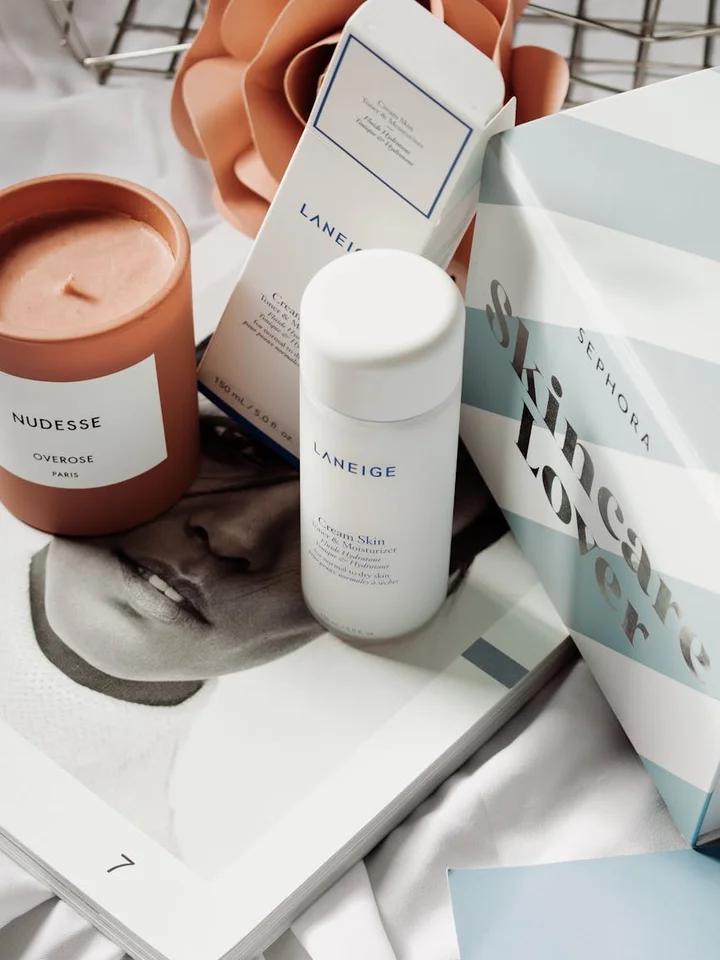
Using arbutin effectively is about consistency and smart layering. Think of it as a reliable worker bee in your routine, not a flashy fix. Here is how to integrate it seamlessly.
Step-by-Step Application
Arbutin works best in a serum format. Apply it after cleansing and toning, when your skin is slightly damp, to help it absorb.
- Cleanse: Start with a gentle cleanser to create a clean canvas.
- Tone (Optional): Use an alcohol-free toner if it’s part of your routine.
- Apply Arbutin Serum: Dispense a pea-sized amount. Gently press and pat it onto your entire face, focusing on areas with hyperpigmentation.
- Follow with Moisturizer: Seal it in with your favorite moisturizer.
- Always Finish with SPF (in the AM): This is non-negotiable. Sun exposure can worsen dark spots, counteracting arbutin’s work.
You can use arbutin both morning and night, but daily sun protection is the key that makes the whole process work.
Power Pairings: Layering for Enhanced Results
Arbutin plays well with others. Strategic pairing can boost your skin-brightening results.
- Morning with Vitamin C: This is a classic brightening duo. Apply your vitamin C serum first, let it dry for a minute, then follow with arbutin. Together, they tackle pigmentation from multiple angles and provide antioxidant protection.
- Evening with Niacinamide: Layer arbutin with niacinamide (a 5% formula is a great start). Both are gentle and support a healthy skin barrier while targeting discoloration. Apply niacinamide first.
- Evening with Retinoids: If your skin is accustomed to retinoids like retinol, you can use arbutin first (on dry skin), wait 10 minutes, then apply your retinoid. This combination can be powerful for addressing both spots and texture. Start slowly, maybe 2-3 nights a week, to see how your skin responds, and always prioritize a good moisturizer afterward.
Don’t limit it to your face. If you have dark spots on your elbows, knees, or underarms, applying an arbutin serum there can be very effective. Just follow the same principle: clean skin, serum, moisturize.
Contraindications & Safety Warnings
While gentle, arbutin isn’t for every moment in your skin’s life. Press pause if:
- You are pregnant or breastfeeding. Always consult your doctor before introducing new actives during this time.
- You have active, angry breakouts or broken skin (like from picking). Focus on healing first.
- Your skin barrier is compromised. If your skin feels raw, stings with products, or is very flaky, simplify your routine to just a gentle cleanser, moisturizer, and sunscreen until it recovers.
When in doubt, a patch test on your inner arm for a few days can give you a preview of how your face might react.
Arbutin Safety & Side Effects: What You Need to Know
It’s natural to wonder if a product that changes your skin’s pigment is safe. I appreciate clients like Noah, who always asks for the safety data before trying anything new.
So, is arbutin bad for your skin? For most people, the answer is no-especially when compared to its more potent cousin, hydroquinone. Hydroquinone is a strong prescription agent that can sometimes cause irritation or a paradoxical darkening of the skin called ochronosis with long-term misuse. Arbutin is considered a gentler, more stable alternative because your skin slowly converts it into the active component, making it less likely to cause shock or irritation.
Potential Side Effects and Who’s at Risk
That said, no ingredient is 100% side-effect-free for everyone. Potential reactions include:
- Mild Irritation: Some redness, itching, or dryness, especially when first starting. This is more common in those with very sensitive or reactive skin types.
- Paradoxical Darkening: This is rare but possible. It’s more of a risk with higher concentrations of less pure forms of arbutin (like beta-arbutin) or if the product has degraded. Using a stable, well-formulated alpha-arbutin product and pairing it with daily sunscreen minimizes this risk dramatically.
The people most at risk for side effects are those with known, highly sensitive skin or conditions like rosacea that are easily triggered. If that’s you, proceed with extra caution and lower frequency.
Reading the Room: Real-User Experiences
If you’ve scoured forums like Reddit for “alpha arbutin skin lightening side effects,” you’ll see a pattern. Most users report a positive experience with minimal issues, praising it for fading post-acne marks (PIH) without the sting of stronger acids. The complaints that do pop up usually center on two things: products that didn’t seem to do anything (often due to low concentrations or unstable formulas) or mild purging when combined with other actives. A note on “purging”: arbutin itself doesn’t typically cause purging, but if it’s in a formula with exfoliating acids, that might. That said, there are potential alpha arbutin side effects to note, especially for sensitive skin or higher concentrations.
The consensus from real-world use aligns with the science: alpha-arbutin is a generally well-tolerated first-line option for tackling discoloration. It’s not a magical overnight eraser, but with patience and proper use, it’s a trustworthy ally for a more even complexion.
Realistic Expectations: What Results Can You Actually Get?
Let’s get practical. Arbutin is a consistent performer, not a magic wand. Think of it like watering a plant. You don’t see a change overnight, but with steady care, the health and appearance improve over weeks. Timing matters too—alpha arbutin’s effects hinge on how long you use it and how often. Following the product’s recommended duration and frequency helps you build steady results.
You need to commit to using it twice daily, every day. Most people start to notice a subtle, gradual evening of their skin tone around the 8-week mark. For more noticeable lightening of specific dark spots, a full 12 weeks of consistent use is a more realistic timeframe. This patience aligns with your skin’s natural cellular turnover cycle.
Arbutin works by quietly interrupting new pigment production, so you’re treating the spots you see now and preventing the ones trying to form underneath.
What Arbutin is Best At (And What It Isn’t)
This ingredient has a specific job description. It excels at fading hyperpigmentation caused by an external trigger or injury to the skin.
It works very well on:
- Sun spots (solar lentigines): Those flat, brown spots from years of sun exposure without protection.
- Post-inflammatory hyperpigmentation (PIH): The stubborn dark marks left behind after a pimple, rash, or bug bite heals. This is where my client Maya sees the biggest benefit, as her acne breakouts often leave long-lasting shadows.
Arbutin is often less reliable for:
- Melasma: This hormonally-driven pigmentation is complex and often requires a multi-pronged approach with guidance from a dermatologist.
- Genetic freckles (ephilides): These are part of your skin’s blueprint. While arbutin may make them slightly less pronounced, it’s unlikely to erase them completely.
Understanding its strengths helps prevent disappointment. It’s a brilliant tool for targeted fading, not a total skin color reset.
What a Real “Before and After” Looks Like
When you search for “alpha arbutin skin lightening before and after” or read “alpha arbutin skin lightening reviews,” the best outcomes focus on clarity, not bleaching.
Typical results aren’t about becoming a different shade. Instead, people report their overall complexion looks more uniform and radiant. Individual dark spots, particularly those post-acne marks or small sun spots, become less defined and may fade to a light shadow before blending in with the surrounding skin.
My client Noah, who has sun spots on his cheeks from years of gardening, described it as his skin looking “less muddy and more clear.” The spots didn’t vanish, but their contrast softened significantly, which made his skin tone appear more even and healthy.
The real success story with arbutin is a reduction in the noticeable contrast between your dark spots and your natural skin tone, leading to a clearer, more balanced complexion.
Your Arbutin Questions, Quickly Answered
Can I use alpha arbutin serums on body skin, like dark knees or elbows?
Absolutely. Apply the serum to clean, dry skin on targeted areas just as you would on your face, following up with a moisturizer. Consistency is key, and remember to use sunscreen on exposed areas to prevent new dark spots from forming.
What factors matter most when choosing an alpha arbutin serum from online reviews?
Look for mentions of alpha-arbutin (not beta) in the ingredient list, a concentration around 1-2%, and reviews that highlight gradual brightening over weeks. Higher concentrations can speed up brightening, but results vary by skin type. Avoid products with overly fragrant or unstable formulations that might reduce efficacy.
If I’m not seeing results with alpha arbutin, what could be the reason?
Ensure you’re using it twice daily with consistent sun protection, as UV exposure can counteract its effects. Also, verify that your serum contains a stable form of alpha-arbutin and consider layering it with complementary actives like niacinamide for enhanced benefits.
Final Thoughts on Arbutin for Brighter Skin
Arbutin works best as part of a patient, protective skincare routine. Think of it as a reliable teammate that needs daily sunscreen and gentle hydration to help your skin glow steadily and safely. Ordinary alpha arbutin benefits often include a gradual, even-toned complexion with gentle, consistent results, making it a practical choice for long-term skincare.
- Use your arbutin serum on clean, dry skin each night for consistent melanin inhibition.
- Apply a broad-spectrum sunscreen every single morning to prevent new dark spots from forming.
- Layer it with a simple moisturizer to keep your skin barrier happy and healthy.
- Give the ingredient a full 8 to 12 weeks before you judge its results on your skin.
I’m here to help if you hit a snag on your skin journey. Your experiences, like Maya’s success with evening her tone or Noah’s careful patch testing, make our community advice so genuine and useful. Follow along with our blog for more straightforward guidance, and always feel welcome to send in your questions.
Sources and Additional Information
- Alpha Arbutin 2% + HA Brightening Serum for Uneven Skin
- Arbutin 101: Skin-Care Benefits, Side Effects, Uses, and More
- Arbutin as a Skin Depigmenting Agent with Antimelanogenic and Antioxidant Properties – PMC
- Arbutin Skin Care Products (Alpha Arbutin) | Obagi Medical
- Hydra-Bright Alpha Arbutin Drops | Brightening Serum | Glo Skin Beauty
Lucy Zimmerman
Lucy is an expert author and blogger when it comes to skin care and body care. She has first hand expertise acting as skin care consultant for over 5+ years helping her clients achieve smooth blemish free skin with natural and working remedies. She also has been an avid experimenter and tried out all the natural and artificial remedies and treatments so you can learn from her first hand experience. Additionally, she has traveled to many countries around the world and incorporated the skin care routines she has learnt into this blog. So, wait no more, reach out to Lucy if you have any specific needs and follow her blog, LuciDerma for expert skin care advice.