
Azelaic Acid or Kojic Acid: Pick the Right One to Fade Your Dark Spots
Choosing between azelaic acid and kojic acid for dark spots can feel overwhelming, but I’ve sorted this out for clients in my clinic for years.
By the end of this guide, you will know:
- How each acid works on a cellular level to brighten your skin.
- Which ingredient pairs best with your unique skin type and concerns.
- My simple, step-by-step method to safely introduce the winner into your routine.
You’re about to make a confident choice for clearer, more even-toned skin.
Meet the Molecules: Your Spot-Fading Workhorses
My client Lina came to me last spring, frustrated. A few stubborn acne spots from months prior had settled in as dark, shadowy marks on her cheeks. “They look worse than the pimples ever did,” she said. We see this all the time. Whether it’s Lina’s post-acne marks, Noah’s sun spots from years of gardening, or hormonal melasma, that lingering discoloration tells a story your skin is stuck on repeat.
To rewrite that story, we often turn to two powerful molecules: Azelaic Acid and Kojic Acid. Think of them as your spot-fading workhorses, but they have very different personalities.
Azelaic Acid is a gentle, multi-tasking player naturally found in grains like barley and rye. It’s known for its calm, strategic approach that tackles multiple concerns at once, making it a favorite for sensitive or acne-prone skin. Understanding how often to apply azelaic acid can help tailor a daily routine and prevent irritation. A brief guide on azelaic acid frequency application will follow in the next steps.
Kojic Acid is a potent, focused brightener derived from the fermentation process of foods like rice, soy, and mushrooms. It’s a direct and powerful agent whose primary mission is to interrupt the pigment-making process. In the broader discussion of hyperpigmentation, kojic acid is often considered alongside alpha arbutin as a complementary approach to brighten uneven skin tone.
Before we get into which one might be your hero ingredient, let’s look at their basic specs. The table below is like a quick chemistry cheat sheet to help you understand what you’re looking at on a product label.
Effectiveness isn’t just about which one is “stronger.” It’s about which molecule’s story best fits your skin’s story.
Molecule Spec Sheet: A Quick Chemistry Breakdown
| Azelaic Acid | Kojic Acid | |
|---|---|---|
| Source | Naturally occurs in grains (barley, rye). Often synthesized for skincare. | Derived from the fermentation of rice, soy, or mushrooms. |
| Typical Effective Concentration | 10% (over-the-counter) to 15-20% (prescription). | 1% to 4% in most skincare products. Higher concentrations can increase irritation risk. |
| Ideal pH Range | Works well at skin’s natural pH (around 4.5-5.5). Stable and effective in many formulations. | Most effective at a lower pH (around 3-4). Stability can be a challenge in formulations. |
| Solubility | Very low solubility in water. Often formulated in creams or gels with special delivery systems. | Water-soluble. Often found in serums, lotions, and soaps. |
| Pregnancy Safety | Generally considered a safe option during pregnancy and breastfeeding, but always consult your doctor. | Safety data is limited. Many clinicians recommend avoiding it during pregnancy as a precaution. |
How They Actually Work on Your Skin
Imagine your melanin-producing cells (melanocytes) are a factory. Hyperpigmentation happens when that factory goes into overdrive, producing too much pigment (melanin) and shipping it to the skin’s surface. Glycolic acid is a popular, gentle exfoliant that helps lighten hyperpigmented patches by speeding up skin turnover. With regular use, it can help reduce discoloration and even out skin tone.
Azelaic Acid works like a calm, strategic negotiator inside that factory. It doesn’t shut down production entirely. Instead, it goes to the overactive melanocytes (the ones creating the dark spot) and gently tells them to slow down. It specifically inhibits tyrosinase, a key enzyme needed to make pigment. It also helps by reducing inflammation and calming the redness that often accompanies post-acne marks, which is a huge part of fading them. It’s a multi-tasker.
Kojic Acid acts more like a precise blocker or a wrench in the machinery. It forms a tight bond with the copper ions inside the tyrosinase enzyme. No copper, no working enzyme. This effectively halts the pigment production line at a crucial step. It’s a very direct, potent inhibitor.
Is one better for specific types of dark spots?
This is the key question. Their different mechanisms make them better suited for different scenarios.
- Post-Inflammatory Hyperpigmentation (PIH) from acne or injury: Azelaic Acid often takes the lead. Its dual action of calming inflammation and gently inhibiting pigment is ideal for the red-brown marks left after a pimple heals. It’s what I started Lina on.
- Melasma and Sun Spots: Here, Kojic Acid shines. Its potent blocking action is excellent for tackling the more stubborn, hormone-driven or UV-induced patches of pigmentation. It’s a common and effective ingredient in targeted brightening serums for these concerns.
- Post-Inflammatory Erythema (PIE) – the red/pink marks: Azelaic Acid is your star. PIE is about dilated blood vessels, not pigment. Azelaic Acid’s anti-inflammatory and redness-reducing properties can help here, while Kojic Acid (which targets pigment) will not.
Both molecules bring bonus benefits to your routine. Azelaic Acid is a respected anti-inflammatory and antimicrobial agent, making it a superb choice for those with rosacea or acne-prone skin. Kojic Acid also possesses antioxidant properties, helping to protect skin from some environmental stressors.
The Direct Comparison: Picking Your Partner

So, which one is more effective? The honest answer is that it depends entirely on your skin’s story and the type of dark spot you’re facing. One isn’t universally “better” than the other. Think of azelaic acid as a multitasking police officer managing several issues at once, while kojic acid is a specialized artist focused on one precise task.
Azelaic Acid: The Multitasker
This is my first recommendation for anyone whose dark spots are linked to redness, rosacea, or acne. It calms the inflammation that triggers pigmentation while directly lightening existing marks.
- Best For: Post-acne marks (PIH), redness-related pigmentation, melasma, and acne-prone or sensitive skin types.
- How It Works: It reduces inflammation, kills acne-causing bacteria, and slows down pigment production.
- Skin Type Friendliness: Exceptionally gentle and suitable for sensitive skin, even rosacea-prone types.
- Key Consideration: It offers multiple benefits beyond fading spots, like clearing breakouts and smoothing texture.
Kojic Acid: The Specialist
This ingredient is a concentrated spot-fader. It’s powerfully effective for sun spots, age spots, and melasma where the primary goal is direct lightening.
- Best For: Sun damage (solar lentigines), age spots, melasma on resilient skin.
- How It Works: It blocks a key enzyme (tyrosinase) needed to make melanin, stopping new pigment in its tracks.
- Skin Type Friendliness: Can be irritating for dry or sensitive skin, especially at higher concentrations. Requires a strong, healthy skin barrier.
- Key Consideration: Its effects are potent but mostly focused on pigmentation. It doesn’t treat acne or redness.
Which acid is better for sensitive skin? Azelaic acid is almost always the safer, more comfortable starting point. For my client Noah, who has dry, reactive skin, I’d start with a low percentage azelaic acid formula to fade marks without provoking redness or stinging. This approach sits within the broader topic of the best acid treatments for skin conditions. A follow-up section will explore which acids work best for sensitive skin and why.
Which acid has more potential side effects? Kojic acid has a higher risk of causing irritation, redness, or contact dermatitis, particularly if your skin barrier is compromised. Azelaic acid may cause a temporary, mild itch when first applied, but serious reactions are rare.
For acne-prone Maya, azelaic acid offers a two-for-one deal by tackling active breakouts and their dark aftermath. For someone like Lina, who has combination skin with resilient patches of sun damage on her cheeks, a kojic acid serum used just on those areas could be a targeted solution.
Building a Routine: How to Use Them Safely
Introducing any new active requires a slow and steady approach. Here is how to incorporate each one.
Incorporating Azelaic Acid
You can use azelaic acid once or twice daily. It’s very stable and works well in both AM and PM routines.
- Clean & Tone: Start with a gentle cleanser and toner on dry skin.
- Apply Treatment: Dispense a pea-sized amount. Dot it on areas with dark spots or all over if needed. Gently smooth it in.
- Layer & Protect: Follow with a lightweight moisturizer. In the morning, your final step must be a broad-spectrum SPF 30 or higher.
Start by using it every other evening, then gradually increase to daily use as your skin tolerates it.
Incorporating Kojic Acid
Kojic acid is best used once daily, typically in your evening routine, to minimize any sensitivity to sunlight.
- Clean & Tone: Cleanse and tone as usual.
- Apply Treatment: Use a small amount. Focus only on the dark spots or areas of concern, avoiding the sensitive eye area.
- Moisturize Generously: Always follow with a calming, barrier-supporting moisturizer to counteract potential dryness.
Begin with 2-3 nights per week, watching for any irritation. You can slowly increase frequency.
How long does it take to see results with each acid? Patience is your most important product. With azelaic acid, you might notice reduced redness and fewer new breakouts in 4-6 weeks, but significant fading of dark spots often takes 2-3 months of consistent use. Kojic acid may show subtle lightening in 6-8 weeks, with more dramatic results taking 3-4 months or longer.
Using either acid without daily sunscreen is like mopping the floor with the faucet still running. Both ingredients help fade existing pigment, but UV exposure constantly signals your skin to make more. A good mineral sunscreen protects your progress and prevents new spots from forming. There are common acids and sun sensitivity myths, and we’ll unpack what’s true in the next section.
The Interaction Matrix: What to Mix & What to Avoid
Layering actives incorrectly can lead to irritation or cancel out benefits. This simple guide keeps your routine effective and comfortable.
| Active Ingredient | With Azelaic Acid | With Kojic Acid |
|---|---|---|
| Vitamin C (AM) | Yes. They can work well together, with Vitamin C in the AM and Azelaic in the PM, or spaced apart in the same routine. | Use Caution. Avoid pairing with low-pH Vitamin C serums (like L-ascorbic acid) as the acidic environment can deactivate kojic acid. If using both, apply Vitamin C in the AM and Kojic in the PM. |
| Retinol/Retinoids (PM) | Yes, with care. They are a powerful duo for acne and aging. Start by using them on alternate nights to assess tolerance before applying together. | No. This combination is highly likely to cause significant irritation and compromise your skin barrier. Choose one or the other. |
| Niacinamide | Yes. An excellent pairing. Niacinamide strengthens the skin barrier and can help mitigate any potential sensitivity from azelaic acid. | Yes. Also a good pair. Niacinamide’s soothing properties can help balance kojic acid’s potential for irritation. |
| Other AHAs/BHAs (e.g., Glycolic, Salicylic) | Use Caution. Can be over-exfoliating. Use on alternate nights, or use the AHA/BHA in your cleanser for brief contact. | No. Combining kojic acid with other exfoliating acids greatly increases the risk of redness, peeling, and sensitivity. |
Can Azelaic Acid and Kojic Acid be used together? Technically yes, but it’s often unnecessary and risky for most people. Using both increases the potential for irritation without providing a major speed boost in fading. It’s more effective to choose the one best suited to your primary skin concern and use it consistently. If you and your dermatologist decide to combine them, they should be applied at different times of day (one in the AM, one in the PM) and only on resilient, non-sensitive skin.
Formulation Facts: What Makes a Product Good?
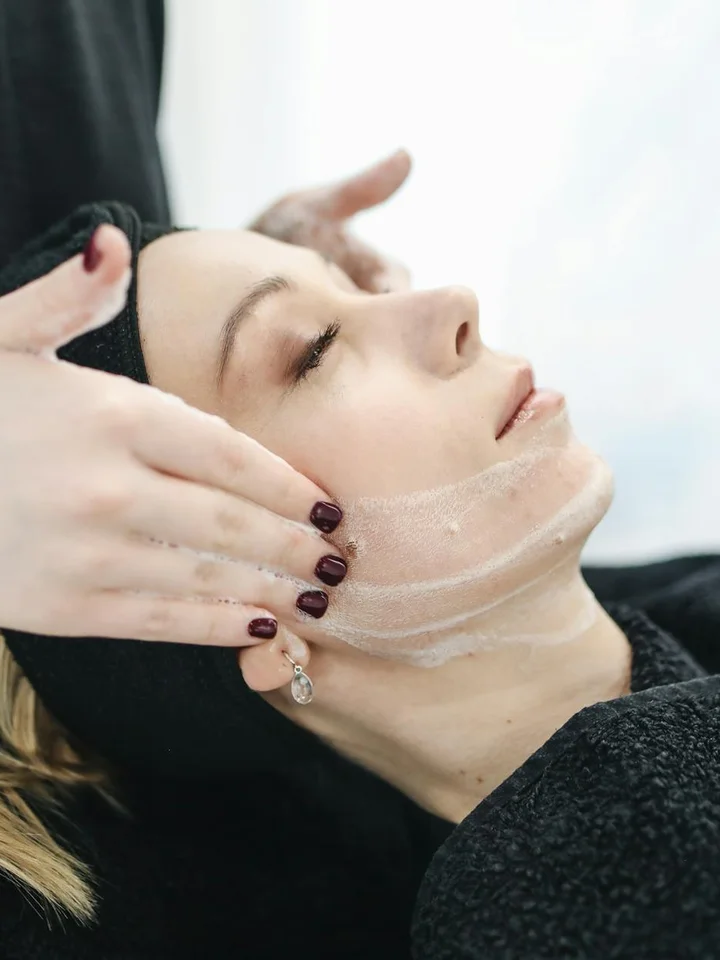
Choosing between azelaic and kojic acid isn’t just about the star ingredient. The formula around it is what delivers results to your skin without causing trouble.
Look Beyond the Name on the Front
When you turn the bottle around, your first stop is the concentration. For azelaic acid, look for percentages between 10% (great for sensitive skin) and 20% (the prescription strength). For kojic acid, effective formulations typically contain between 1% and 2%.
Your next check is the pH. Both acids need a low pH (acidic) environment to work effectively. A product that lists its pH, often around 3.5 to 4.5, is showing it respects the science. A well-formulated product pairs its active ingredient with soothing agents like panthenol, centella asiatica, or niacinamide to calm skin as it works, ensuring barrier health is maintained.
Stability and Packaging: Keeping the Power Intact
Which acid is more stable? Azelaic acid wins this round. It’s a robust molecule that isn’t easily degraded by light or air. Kojic acid, however, is famously unstable. It can oxidize and turn a brownish color when exposed to light and air, which means it loses its potency.
This isn’t a deal-breaker, but it dictates the packaging you should look for. For any product with kojic acid, choose opaque, air-tight bottles or, even better, airless pumps. Jars are a bad idea here, as every scoop introduces light and air. Azelaic acid products are more forgiving, but airless pumps are still a sign of a quality formulation for any active.
Choosing with Your Values
Your skincare choices can align with your ethics. Azelaic acid is typically synthesized from grains like wheat, barley, or rye, making it a reliably vegan-friendly option. However, be mindful of ingredients that are incompatible with azelaic acid when selecting other products for your routine.
Kojic acid is derived from fungi, but its sourcing matters. Look for brands that commit to cruelty-free production and transparent, sustainable sourcing of their kojic acid, ensuring environmental and ethical standards are met. This is a small but powerful way to vote for the kind of beauty industry you want to support.
Your Personal Next Steps
Let’s move from theory to your bathroom shelf. Answering a few simple questions can point you toward the right starting point.
The Self-Assessment Quiz
Ask yourself:
- Is my primary goal fading post-acne marks (PIH), or melasma and sun spots?
- Is my skin more often oily and acne-prone, or dry and sensitive?
- Do I frequently experience redness, rosacea, or a stinging sensation with new products?
If your answers lean toward acne-prone skin with redness, azelaic acid is likely your hero. If your main concern is sun-induced spots or melasma on resilient skin, kojic acid might be the better first test. My client Noah, with his dry, reactive skin, always starts with azelaic acid for any discoloration because it’s so kind to his barrier.
The Golden Rules: Patch Test and Go Slow
Your new acid is not a race. Apply a pea-sized amount to a discreet area (like behind your ear or the side of your neck) for three consecutive nights. If no irritation occurs, you can proceed to your face. Remember, even when acclimating, some purging can occur.
Start by using it twice a week, always in the evening, on dry skin after cleansing. Monitor your skin for any excessive dryness or stinging that lasts more than a minute, and buffer it with your moisturizer if needed. This “low and slow” method lets your skin build tolerance without declaring a revolt.
Your Journey with Consistency
Fading dark spots is a marathon paced by patience. You might need 4 to 8 weeks of consistent use to see noticeable lightening. Some days you’ll see progress, other days it might feel static. This is normal. True change happens in the quiet, daily commitment to your routine, not in a single dramatic application. Pair your chosen acid with a daily broad-spectrum sunscreen every single morning. Without this step, you are trying to fill a bucket with a hole in it. Be consistent, be gentle with yourself, and trust the process.
Your Quick Comparison Questions, Answered
Is one acid more stable in skincare products?
Azelaic acid is significantly more stable, maintaining its potency even when exposed to light and air. For kojic acid, which can oxidize, seek opaque, airtight packaging like airless pumps to ensure effectiveness.
Can I safely use both acids in my routine?
It’s possible but often unnecessary and increases irritation risk. For most, choosing the one best matched to their primary concern and using it consistently is safer and more effective than combining them.
What’s the fastest way to decide which to try first?
Match the acid to your top skin priority: choose azelaic acid for acne-prone or sensitive skin with post-inflammatory marks, and kojic acid for resilient skin targeting sun spots or melasma. Always patch test.
Choosing Your Path to Brighter Skin
Your most effective tool for fading dark spots isn’t just the ingredient in the bottle, it’s the strategy that matches your skin’s personality. I guide clients like Noah, with his reactive skin, toward azelaic acid for its gentle, anti-redness prowess, while someone like Lina, targeting stubborn sun spots, might find kojic acid’s targeted power is her best ally.
- Always begin with a patch test behind your ear or on your jawline for three nights to check for any reaction.
- Use your chosen acid consistently in your evening routine, and never skip morning sunscreen to shield your progress.
- If your skin feels sensitive or tight, reduce application to every other night and layer a simple moisturizer on top.
- Mark your calendar, give any new treatment a solid 8 to 12 weeks of regular use before you judge its full effect.
Remember, caring for your skin is a personal journey, and I’m here to help you read the map. I share more practical guidance like this on the LuciDerma blog, and I always welcome your questions about what you’re experiencing with your own skin.
Further Reading & Sources
- Azelaic Acid vs Kojic Acid: Which Fades Dark Spots Better? – SeoulCeuticals
- Kojic Acid vs Azelaic Acid: Which Brightening Ingredient Is Right for You? – SKINSIDER
- Kojic Acid vs Azelaic Acid: Which One Brightens Better?
- Alpha Arbutin vs Azelaic Acid vs Kojic Acid: Which is Right for Your Skin? – The Skinimalist
- Why is Kojic Acid and Azelaic Acid a Skincare Duo? | Clinikally
Lucy is an expert author and blogger when it comes to skin care and body care. She has first hand expertise acting as skin care consultant for over 5+ years helping her clients achieve smooth blemish free skin with natural and working remedies. She also has been an avid experimenter and tried out all the natural and artificial remedies and treatments so you can learn from her first hand experience. Additionally, she has traveled to many countries around the world and incorporated the skin care routines she has learnt into this blog. So, wait no more, reach out to Lucy if you have any specific needs and follow her blog, LuciDerma for expert skin care advice.