
Caprylic Capric Triglyceride in Skincare: Is It Safe? Benefits and Practical Uses
If you’ve ever paused at caprylic capric triglyceride on an ingredient list, I get it. In my clinic, clients like Noah often ask about it, and I’m here to give you the clear, trusted answers you deserve.
By the end of this read, you’ll be equipped to:
- Identify what caprylic capric triglyceride is and why it comes from coconut oil – so you recognize its natural, often sustainable source.
- See how it moisturizes without greasiness – helping you pick products that feel light yet effective.
- Know its safety for sensitive or acne-prone skin – giving you peace of mind for your routine.
- Learn simple ways to include it in your regimen – for smoother, happier skin every day.
You’ve got this, and I’m here to guide you every step of the way.
Meet Your New Favorite Workhorse: What Exactly Is This Ingredient?
At its core, caprylic capric triglyceride is a crafted emollient. Think of it as a versatile, multi-tool oil designed for modern skincare. Its name tells you exactly what it is: a triglyceride (a glycerin molecule) attached to specific fatty acid chains, namely caprylic and capric acid, which you can buy pure for DIY projects.
These fatty acids are most commonly sourced from coconut or palm kernel oil, but the final ingredient is not the same as rubbing coconut oil on your face. Through a process called esterification, the chosen fatty acids are bonded to the glycerin backbone in a controlled, lab setting. This creates a new, stable molecule with predictable properties.
This leads to the big question: is it natural? The honest answer is that it’s semi-synthetic. It is derived from natural starting materials, but it is manufactured. For the conscious consumer, “derived from coconut” means the raw materials originated there, but the final ingredient is a purified, specialized version made for consistent performance and skin compatibility.
If you’re curious about how it’s made, imagine a precise kitchen recipe. The fatty acids from coconut or sustainable palm are isolated. They are then introduced to glycerin under specific conditions that encourage them to bond, creating the new triglyceride molecule. It’s then purified to remove any leftover starting materials. The goal is uniformity, a quality that’s hard to guarantee with a purely natural, unrefined oil.
Molecule Spec Sheet
| pH | Neutral (skin-friendly, typically around 7) |
| Typical Concentration | 5% to 15% in finished formulas |
| Solubility | Oil-soluble (mixes with oils, doesn’t mix with water) |
| Safety Rating | Reviewed and deemed safe by the Cosmetic Ingredient Review (CIR) panel; generally non-irritating and non-sensitizing. |
Caprylic Capric Triglyceride vs. Straight Coconut Oil: A Key Distinction
This is where understanding the ingredient pays off. While they share a family tree, CCT and pure coconut oil behave very differently on skin.
Virgin coconut oil is a complete, natural oil containing a wide mix of fatty acids, including lauric acid, which is highly comedogenic (pore-clogging) for many people. For acne-prone skin, its pore-clogging potential makes coconut oil a topic worth weighing. It’s solid at room temperature and can feel quite heavy. My client Maya, who is acne-prone, learned this the hard way years ago.
Caprylic capric triglyceride, in contrast, is like a refined, skin-specialized version of coconut oil’s best parts. Formulators select only the lightweight, non-comedogenic caprylic and capric fatty acids, which are also found in MCT oil for skin care. The result is an oil that stays liquid, is far less likely to clog pores (rated 0-1 on the comedogenic scale), and absorbs quickly without a greasy residue. It’s the difference between cooking with whole wheat berries and using finely sifted flour; both come from wheat, but one gives you a more predictable, desirable result for the task at hand.
The Skin Benefits: Why Formulators (And Your Skin) Love It
This ingredient is a formulator’s secret weapon for creating better products, and those perks translate directly to benefits for you.
Its primary role is as a superb, lightweight emollient. It smooths and softens the skin’s surface by filling in tiny cracks in your skin barrier. It delivers this hydration with a dry, silky finish that doesn’t weigh down the skin or feel oily. This is particularly effective because it complements your natural moisturizing factors, helping to maintain skin hydration. For someone like Noah, who has dry but reactive skin, finding an ingredient that moisturizes without irritation or a heavy film is a win.
It’s also an excellent solvent. This means it can effectively dissolve and stabilize other potent, oil-soluble active ingredients like retinol, vitamin E, or certain chemical sunscreens. By acting as a carrier, it helps these valuable actives penetrate better and remain effective in the bottle. Your vitamin C serum works more reliably because of ingredients like this.
On a practical level, it dramatically enhances a product’s texture and spreadability. It’s the reason your sunscreen doesn’t feel chalky and your lotion glides on effortlessly. You use less product to cover more area, and it absorbs quickly so you can get dressed without a wait.
You’ll find caprylic capric triglyceride serving these key jobs in many products:
- Serums & Face Oils: As a base oil that carries actives and provides light moisture.
- Sunscreens: To improve the texture of mineral filters (like zinc oxide) and prevent a white cast.
- Body Lotions & Creams: As a conditioning agent that provides slip and softness without stickiness.
- Hair Care: In conditioners and serums to add shine and reduce frizz without buildup.
- Makeup: In foundations and lip products for smooth application and blendability.
For someone like Lina, with her combination skin, this ingredient is ideal. It can deliver hydration to her drier cheeks without exacerbating oiliness in her T-zone, all while helping the other ingredients in her routine perform at their best.
The Safety Deep Dive: Is It Good For Your Skin?
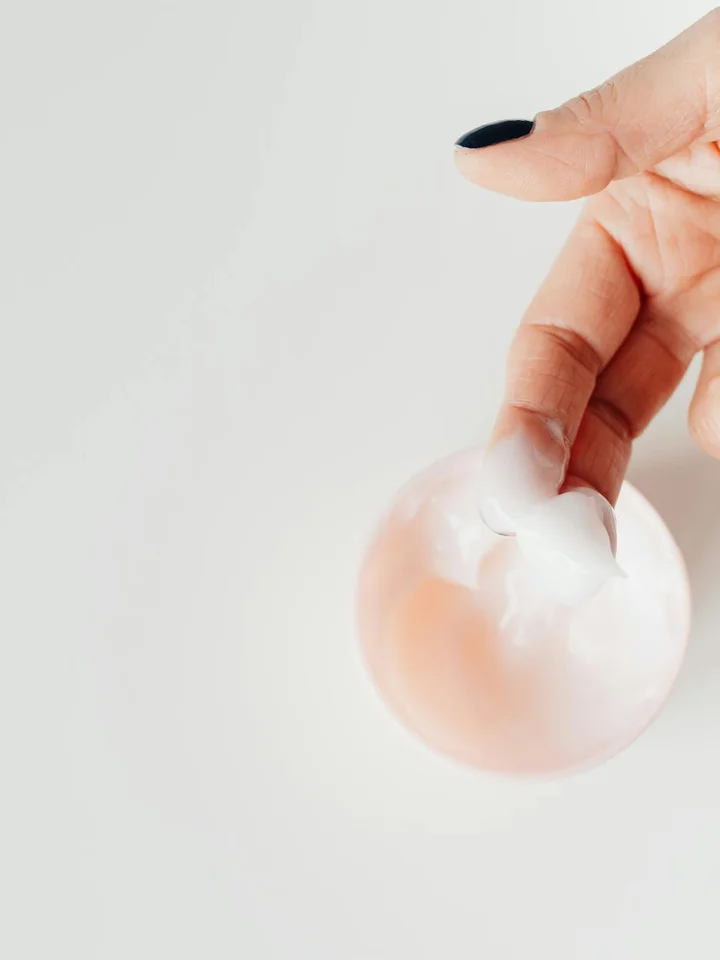
Let’s get right to your biggest question: is caprylic capric triglyceride good for your skin? Based on decades of safety reviews, the answer is a firm yes. Both the Cosmetic Ingredient Review (CIR) Expert Panel and the Environmental Working Group’s (EWG) Skin Deep database rate it as a low-hazard ingredient with a strong safety profile. It’s considered non-irritating and non-sensitizing for the vast majority of people.
Another worry I often hear is, “is caprylic capric triglyceride carcinogenic?” There is no evidence to suggest this ingredient causes cancer. Safety assessments consistently find it safe for use in cosmetics at current concentrations. It is a well-tolerated workhorse, not a problematic filler.
Now, onto a very specific concern I see in skincare forums: will ‘caprylic capric triglyceride’ cause acne? People with oily, acne-prone skin (like my client Maya) are rightfully cautious about any oil-like ingredient. The good news is that this triglyceride is classified as non-comedogenic, meaning it’s formulated not to clog pores. Its lightweight, fast-absorbing nature makes it a favorite in serums and lotions designed for oily skin types. It gives moisture without the heavy, pore-clogging feel of some oils. That said, skin is wildly individual. While the ingredient itself isn’t pore-clogging, someone with a specific sensitivity to coconut-derived ingredients might experience a reaction that looks like a breakout. It’s uncommon, but possible.
Speaking of reactions, let’s discuss caprylic capric triglycerides side effects. They are rare. In extremely sensitive individuals-think someone with a compromised skin barrier or a known allergy-it could potentially cause minor redness or itching. This is true for almost any ingredient, even the most benign ones. For most people, it’s as uneventful as applying water.
Contraindications & Safety Warnings: When Not to Try
Even the gentlest ingredient isn’t for every single situation. Hold off on introducing any new product containing this triglyceride if you check any of these boxes:
- You have actively weeping eczema, cracked skin, or open wounds.
- You have a diagnosed allergy to coconut or coconut oil derivatives.
- You are in the immediate healing phase (first 5-7 days) of a professional procedure like laser resurfacing or a strong chemical peel.
- You are pregnant and have specific concerns; when in doubt, a quick chat with your doctor provides peace of mind.
Listen to your skin’s current condition, not just the ingredient’s general reputation.
Who Should Use It (And Who Might Pause)
This ingredient is a champion for specific skin types and goals. You’ll likely love it if:
- You have oily or combination skin and want hydration that feels like nothing on your skin.
- You use active-heavy routines (with retinoids, AHAs, BHAs) and need a stable, non-interfering base that won’t add greasiness.
- You simply despise the feeling of heavy, greasy, or sticky creams and lotions.
On the other hand, consider a cautious approach if you fit these profiles. My client Noah, who has a severely impaired skin barrier and reactive dryness, might find a product with this triglyceride perfectly fine, but he should still patch test. If he had a known coconut allergy, he would need to avoid it entirely. Similarly, my client Lina, who has combination-sensitive skin, could use it daily when her skin is calm, but should skip it during a major reactive flare-up when her skin barrier is shouting for the simplest possible ingredients.
Here’s my practical advice for everyone. First, know how to spot it. On an ingredient label (INCI list), it will be written as “Caprylic/Capric Triglyceride.” It’s often in the middle of the list. Second, always patch test, even with ingredients deemed very safe. Apply a small amount to the inside of your forearm or behind your ear for a few days. If no reaction occurs, it’s likely safe to try on your face. This step is your personal safety net.
Finding It In Your Routine: Smart Product Choices

You won’t buy a bottle of pure caprylic capric triglyceride. Instead, you find it as a star supporting player in many formulas. It’s the ingredient that makes other ingredients work better for you.
I look for it in specific product types when I’m helping clients like Lina build a non-greasy routine. You’ll often find it in:
- Fluid Lotions & Gel-Creams: These are your light, daily moisturizers. They sink in fast without a sticky finish.
- Serums: Especially vitamin C or niacinamide serums, where a silky, spreadable texture is key.
- Sunscreens: It helps disperse zinc oxide or titanium dioxide evenly, preventing a thick, chalky feel.
- Cleansing Oils & Balms: It contributes to that smooth slip that melts makeup without heavily coating the skin.
What the Ingredient List Tells You
Take a glance at the back of your moisturizer. Ingredient lists are in order of concentration. If you see caprylic capric triglyceride in the top five ingredients, you’re likely holding a formula that prioritizes fast absorption and a featherlight feel.
This is a great clue if you, like my client Noah, have dry but reactive skin that hates heavy creams. A product with this ingredient high up often gives the hydration you need without the suffocating layer you don’t, especially when it’s a non-comedogenic gel cream moisturizer.
Choosing Products with Confidence
You don’t need to search for “caprylic capric triglyceride for sale.” Searching for the raw ingredient isn’t practical or safe for home use. The smart approach is different.
Look for the ingredient within well-formulated products from brands that are transparent about their sourcing and philosophy. Choose brands that align with your values, like cruelty-free and sustainable practices, and let caprylic capric triglyceride be one sign of a thoughtful, skin-friendly texture.
For my acne-prone clients like Maya, I advise checking if a light moisturizer containing it is non-comedogenic and paired with effective actives. It’s about the whole formula working together.
Always patch test a new product on a small area of your inner arm or behind your ear for 24 hours. This helps ensure your unique skin welcomes the entire formulation.
Your Caprylic Capric Triglyceride Questions, Clarified
Can caprylic capric triglyceride benefit my hair?
Yes, it’s a versatile emollient in hair care. It adds light conditioning and shine while minimizing frizz, without weighing hair down or causing residue buildup.
Why is there online debate about caprylic capric triglyceride causing breakouts?
While it’s rated non-comedogenic and unlikely to clog pores, individual sensitivities to coconut-derived ingredients can occur. Always patch-test to confirm compatibility with your unique skin, especially when using products containing coconut-derived esters on the face.
Is caprylic capric triglyceride sourced sustainably?
It can be, as it’s often derived from coconut or palm kernel oil. For eco-conscious choices, look for brands that prioritize sustainable or RSPO-certified palm oil in their sourcing.
Final Thoughts on Caprylic Capric Triglyceride
Based on my years in the treatment room, caprylic capric triglyceride is a gentle, effective workhorse in skincare that deserves a spot in many routines. For most skin types, from Maya’s oily complexion to Noah’s dry sensitivity, it delivers lightweight hydration without clogging pores or causing irritation. It’s even more effective when compared to heavier oils like coconut oil. Simply patch test any new product containing it to ensure your unique skin responds well.
- Always perform a patch test on your inner arm before using a new product with this ingredient.
- Look for it in serums and light moisturizers if you have oily or combination skin to hydrate without heaviness.
- It’s a plant-derived, sustainable choice that fits cruelty-free and vegan skincare values.
- Layer it under your sunscreen in the morning for a smooth, hydrated base.
I’m here to help demystify ingredients and routines on the LuciDerma blog. If you have more questions about how this or any ingredient fits into your skincare life, I welcome you to follow along for more straightforward advice from my clinic experience. Your skin’s story matters, and I’m dedicated to helping you write it with confidence.
Related Guides and Information
- Caprylic/Capric Triglyceride:Uses, Benefits, Side Effects & More
- What is Caprylic/Capric Triglyceride and Is It Safe? | Vinmec
- EWG Skin Deep® | What is CAPRYLIC/CAPRIC TRIGLYCERIDE
- Amended Safety Assessment of Triglycerides as Used in Cosmetics Status:
- Caprylic/Capric Triglyceride | Skin Care Ingredient Dictionary
Lucy Zimmerman
Lucy is an expert author and blogger when it comes to skin care and body care. She has first hand expertise acting as skin care consultant for over 5+ years helping her clients achieve smooth blemish free skin with natural and working remedies. She also has been an avid experimenter and tried out all the natural and artificial remedies and treatments so you can learn from her first hand experience. Additionally, she has traveled to many countries around the world and incorporated the skin care routines she has learnt into this blog. So, wait no more, reach out to Lucy if you have any specific needs and follow her blog, LuciDerma for expert skin care advice.